

Vitamin D is a common supplement that is used to maintain bone health and to correct low levels of the nutrient in the blood. Even everyday supplements, though sometimes in combination with some medicines, may cause trouble, either by interfering with the action of a drug, or causing too much calcium in the system.
These interactions are the most important of individuals who use long-term medications targeting heart rhythm, blood pressure, cholesterol, seizures or inflammation. The idea is not to discontinue vitamin D, but rather to take it in such a manner that it complements the entire list of medication.
This guide evaluates combination of drugs that should be discussed with a clinician, in particular, when the doses of vitamin D are high or when the kidney function is lowered.

1. Statins
Certain statins (e.g. atorvastatin, lovastatin, and simvastatin) have the same metabolic pathways with vitamin D in the liver. Practically, this may lead to changes in drug concentrations especially when vitamin D is administered at increased doses or a set of medicines is competing over the same set of enzymes.
Since statins are usually used on a long-term basis, clinicians usually monitor changes in lipid response and side effects over time and do not respond to a single change in dose. New muscle symptomatology, fatigue, or changes due to the initiation of supplementation is reported and helps clinicians determine whether to monitor or make timing changes.
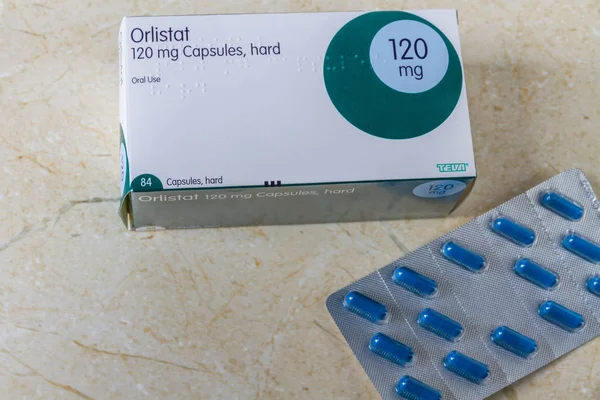
2. Orlistat
Orlistat acts in the gut and prevents the fat absorption. Vitamin D is fat-soluble and therefore orlistat may reduce vitamin D uptake and build up its concentration in blood over time.
To avoid interference, clinicians usually suggest that one should take vitamin D (or a multivitamin that includes it) at a different time of the day than orlistat. The chronic lack of vitamin D in spite of supplementation may be an indicator that the problem is in absorption.

3. Thiazide diuretics
Thiazide diuretics (e.g. Hydrochlorothiazide) lower the amount of calcium in urine. Vitamin D enhances absorption of calcium through the intestines. The combination may increase the risk of hypercalcemia, especially in the older population and individuals with kidney disease.
In a summary, 4,000 IU of vitamin D3 daily with hydrochlorothiazid resulted in trivial increases and in rare cases, hypercalcemia, however, higher doses and prolonged treatment alter the risk profile. High calcium can be indicated by such symptoms as constipation, weakness, confusion, and increased urination.
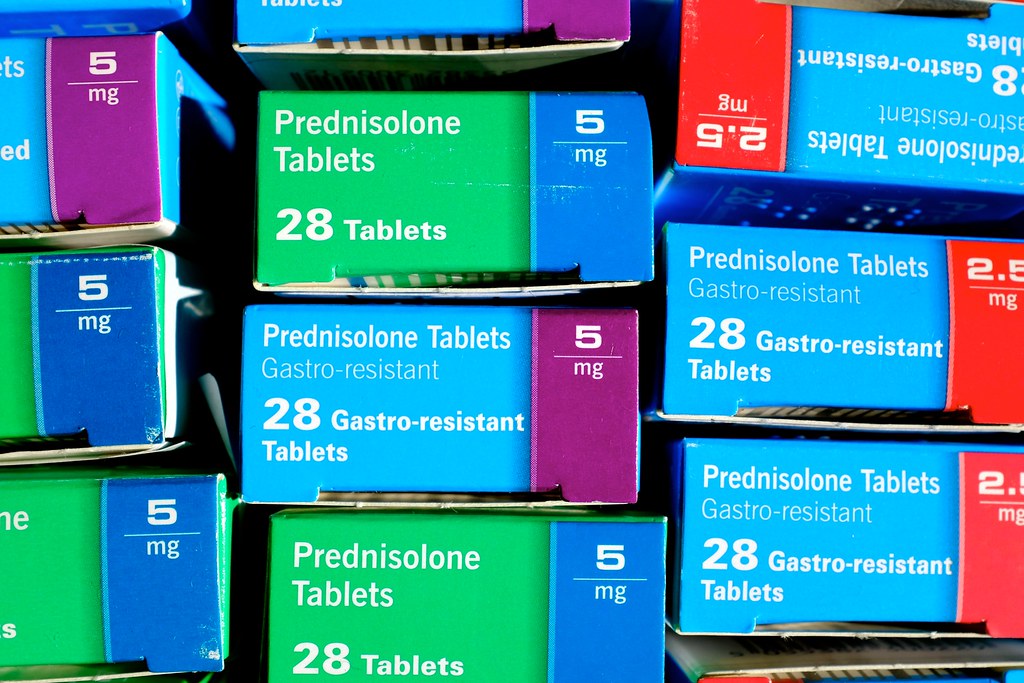
4. Corticosteroids (prednisone and dexamethasone, cortisone)
One of the reasons why steroids are associated with loss of bone is that systemic corticosteroids may help to lower calcium uptake and moderate vitamin D activity. Vitamin D can be prescribed to use together with steroids, yet blood tests and bone conditions still need to be controlled.
Patterns of interaction are also clinical context dependent. A cohort study involving 26,508 veterans who had SARS-CoV-2 positive tested and used vitamin D and corticosteroids, producing varying data on outcomes by hospitalization status. In non-infectious-disease contexts, the practical implication is mythical: steroid courses, particularly recurring or lengthy ones, warrant medication-supplement reconsideration so vitamin D plan equals bone and kidney danger.

5. Bile acid sequestrants
Cholestyramine, colesevelam and colestipol are types of bile acid sequestrants, which bind gut contents to reduce cholesterol. Since bile aids the absorption of fat-soluble vitamins, such medicines may cause a decline in the absorption of vitamin D.
To reduce interference, spacing dosing is frequently applied. In case the level of vitamin D remains low even with the compliance, the clinician can reconsider the timing, dose, or the necessity of lab monitoring.
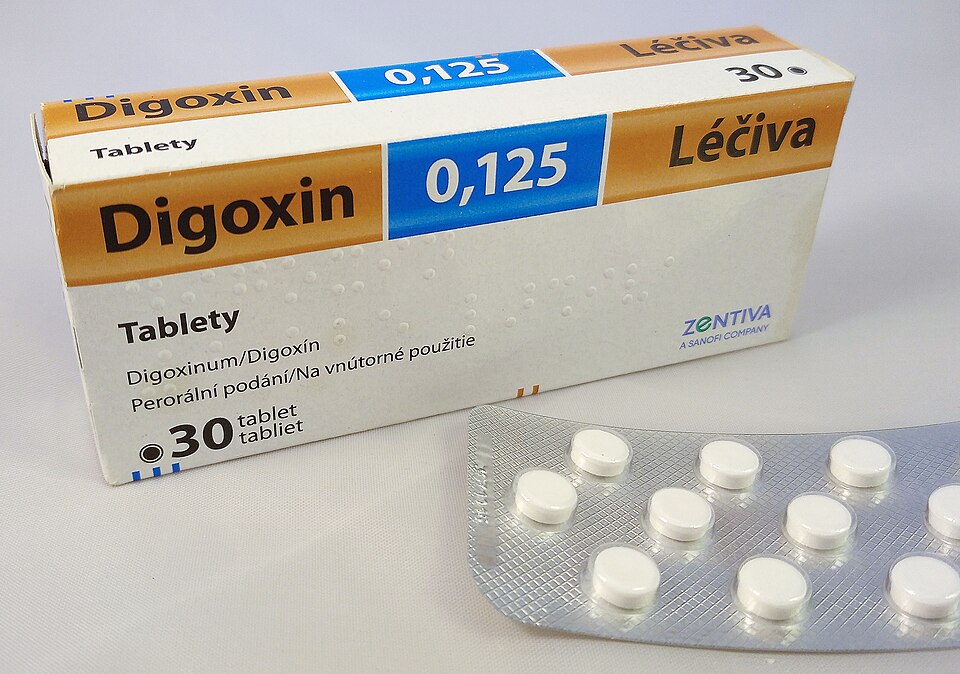
6. Digoxin
Digoxin is a drug which is sensitive to a small range, and its response to the heart is determined by calcium levels. Vitamin D has the potential to elevate calcium and thus, combination of these two may increase the chances of digoxin toxicity and irregular rhythm particularly when there is high dosage of vitamin D or change in calcium intake.
A drug-interaction monograph reports that cholecalciferol could increase calcium and also it could increase the effects of digoxin on the heart. Individuals under digoxin are usually followed up using a combination of symptoms, electrolytes and occasionally drug levels; new nausea, vision changes or palpitations necessitate immediate clinical interaction.

7. Diltiazem
Diltiazem is applied to the blood pressure control and some rhythm issues. Vitamin D has no direct canceling effects on diltiazem, but patients with vitamin D have complicated changes in rhythm stability due to vitamin D-induced increases in calcium.
Risk is more applicable in case of high dosage of vitamin D, inclusion of calcium supplements, or in case of kidney dysfunction. A calcium and kidney check could be included in the regular treatment of patients who use several cardiac medications and supplements.

8. Mineral oil (laxative)
Mineral oil may be used to coat the intestine so that it has less chance of absorbing fat-soluble vitamins, such as vitamin D. The impact is most alarming in the case of constant or long time use as opposed to the rare and temporary dosing.
A few hours between the administration of mineral oil and vitamin D would help but persistent constipation necessitating frequent use of mineral oil should be treated with a clinician so that side effects associated with nutrition are not experienced.

9. Calcium and magnesium pills
Vitamin D is commonly co-factored with calcium to keep the bones healthy and the combination may overdo it. In situations where the amount of calcium is large such as in supplements, antacids, or fortified foods, vitamin D may further increase absorption leading to hypercalcemia.
Magnesium is also relevant in general mineral balance, yet excess doses in supplements may cause side effects in the GI tract, and make it difficult to manage electrolytes in individuals using diuretics or heart drugs. A clinician can assist in establishing the necessity of supplements, dose and the need to use blood tests.
Vitamin D may prove useful in the cases when it corrects a known deficiency or supplements a particular course of treatment. The same supplement may be dangerously used with the drugs that modify the absorption, compete with each other, or tighten the body control of calcium.
The best trick is to consider vitamin D like any other medication: coordinate the dosage, schedule, and laboratory intriguing with the entire medication list and the present renal and cardiac condition.

