
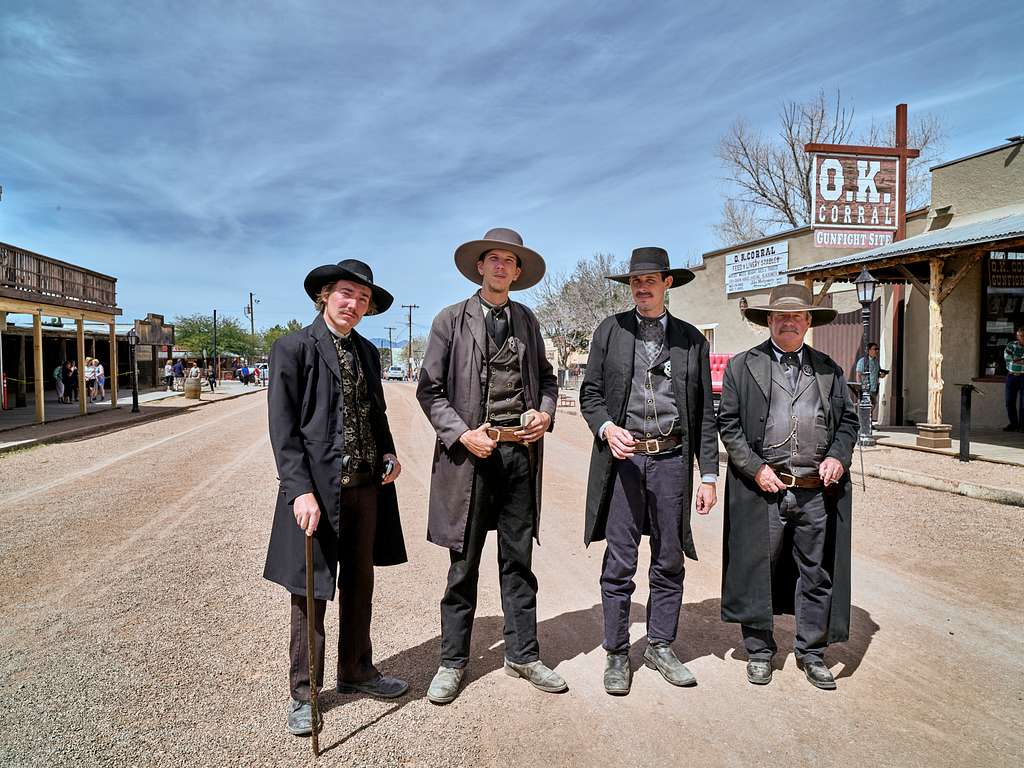
The Old West has long been staged as a place of clean duels, fixed roles, and instant fame. Real frontier lives were messier than that, shaped by illness, ambition, rumor, local politics, and the machinery of early mass storytelling.
These eight figures remain compelling not because their legends stayed intact, but because the records around them keep disrupting the familiar script. Court files, disputed witness accounts, and later mythmaking reveal how quickly a person could become a symbol and how difficult it is to recover the human being underneath.
1. Wild Bill Hickok
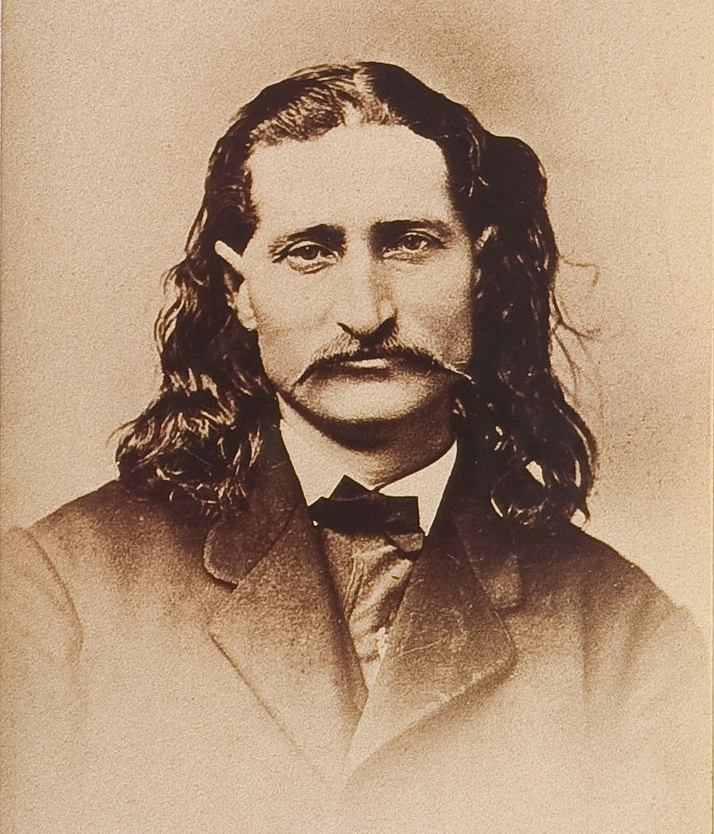
Hickok helped define the gunfighter image, yet his fame rested less on theatrical speed than on composure. His 1865 Springfield confrontation entered frontier lore partly because witnesses described a long-distance shot of about 75 yards, an episode that looked dramatic enough to be retold for decades. What made it durable was not just violence, but the way it could be packaged as a rare public showdown. Later research complicated the legend. Surviving court proceedings and a coroner’s report helped separate courtroom testimony from the polished versions that followed. Hickok’s life also ended far from any street duel: he was shot from behind while playing cards, a reminder that frontier deaths often arrived without ceremony.
2. Belle Starr
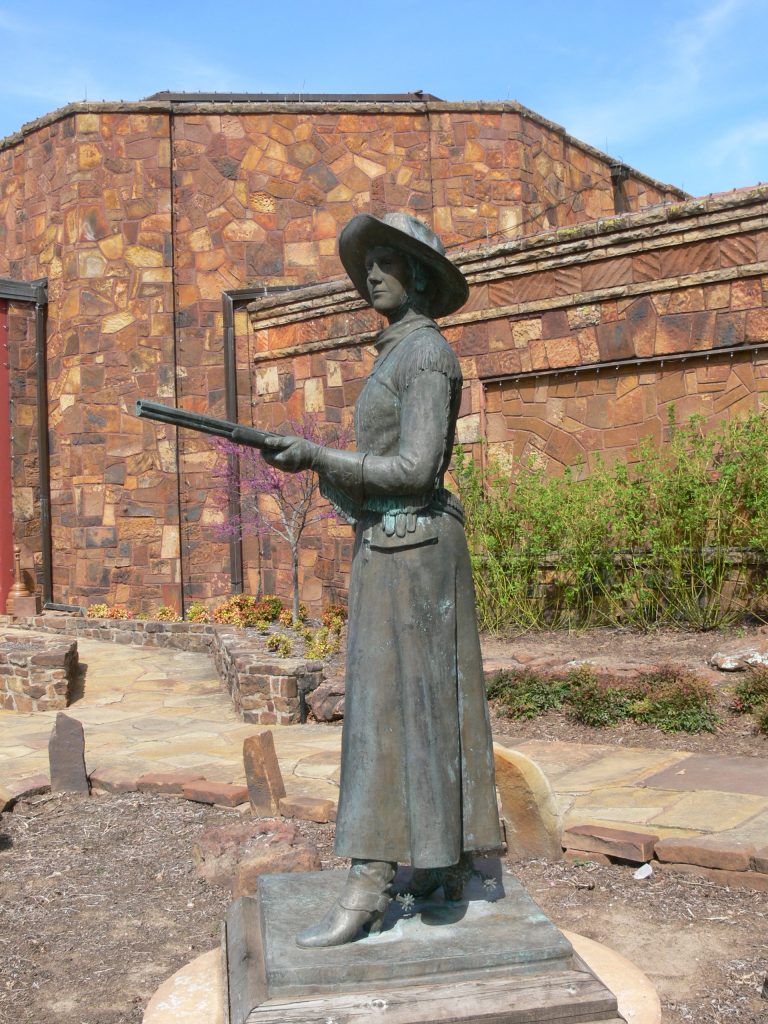
Belle Starr’s notoriety grew in the gap between fact and appetite. Her 1889 killing near her Oklahoma home was never fully resolved, and that uncertainty gave later storytellers room to turn her into the “bandit queen” of popular imagination. Clothing and attitude often carried more weight in retellings than verifiable detail. That afterlife says as much about readers as it does about Starr herself. The late nineteenth century rewarded vivid outlaw identities, especially when they could be distilled into a dramatic female figure who seemed to defy convention. Her story endures as an early lesson in how image can outlast evidence.
3. Doc Holliday
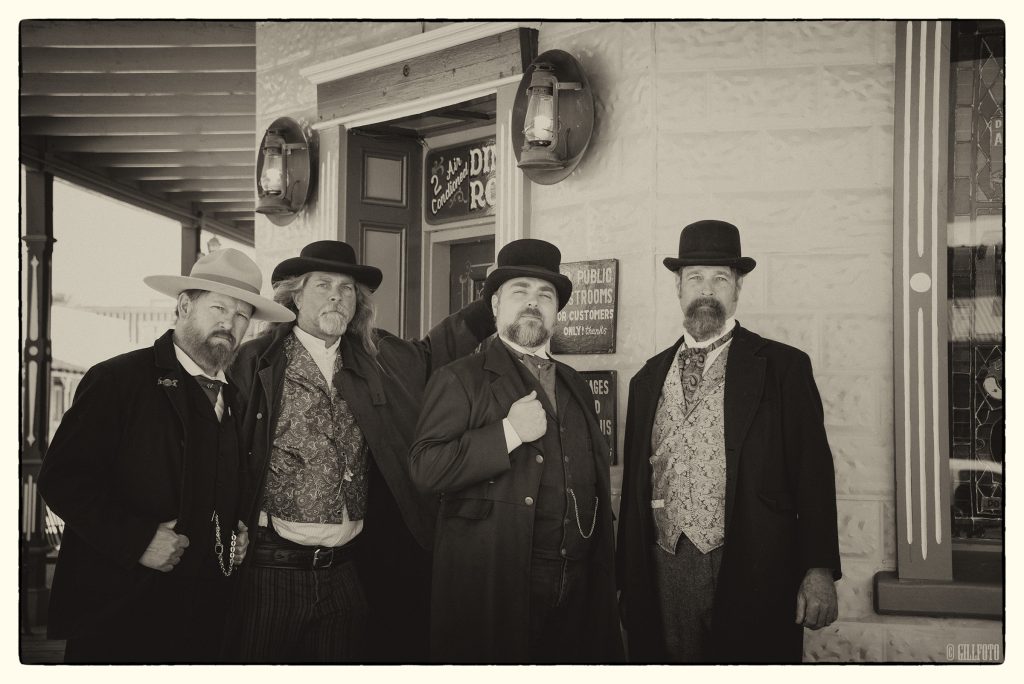
Few frontier reputations contain more contradiction. Holliday trained as a dentist, battled tuberculosis for years, and was often described after his death as neat, slight, even delicate in appearance. Yet he moved through gambling rooms with a reputation for lethal unpredictability. His name remains fused to Tombstone and the famous gunfight near the O.K. Corral, a clash that lasted less than a minute and took place not inside the corral itself, but on a nearby lot. The deeper story was a tangle of town politics, local rivalries, business interests, and disputed authority. That context matters. Holliday’s legend survived because he fit the role of doomed gunslinger, but the historical record shows a sick, mobile, economically precarious man caught inside a feud where the boundary between law enforcement and vendetta stayed thin.
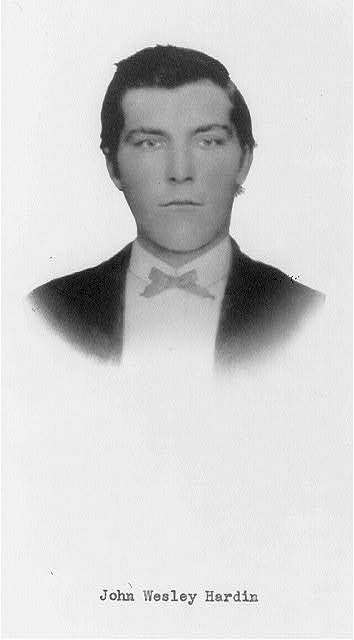
4. John Wesley Hardin
Hardin’s legend was built partly by Hardin himself. He claimed to have killed more than 40 men, while many historians place the number much lower, closer to about 20. That gap reveals how frontier fame could be cultivated as aggressively as any legal defense. His life never settled into a stable second act. Even after years in prison and an attempt to study law, his name carried the momentum of old violence. Like several famous gunmen, he did not die in a face-to-face contest but by a shot from behind in an El Paso saloon.
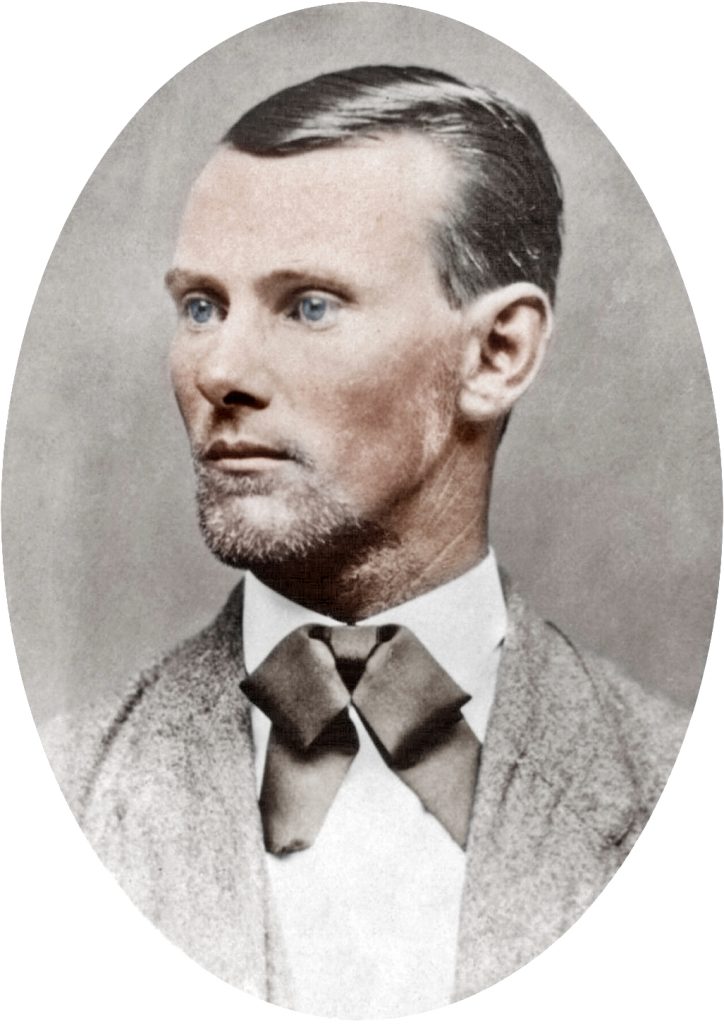
5. Jesse James
Jesse James became one of the West’s most durable examples of public reinvention. His robberies were real, but the folk-hero image that followed often softened the harder truth of organized criminal violence. Newspapers and sympathetic storytelling gave him a rebellious sheen that facts alone do not support.His end stripped away much of the romance. Robert Ford, a man from his own circle, shot him from behind, turning betrayal into the final act of a career already shaped by performance as much as action.
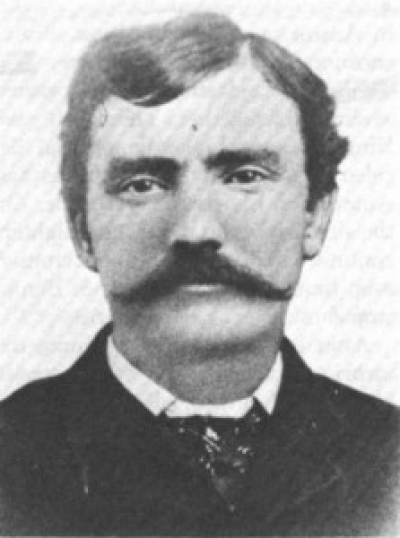
6. King Fisher
King Fisher embodied the frontier’s unstable moral categories. He could appear flamboyant, sociable, and useful to local order while also carrying a reputation for deadly force. In the nineteenth-century borderlands, the same man might be treated as outlaw, enforcer, and respectable authority depending on time and place. That flexibility was not unusual in a region where institutions were still forming. Fisher’s death in an ambush in 1884 also fits a recurring pattern: many famous gunmen met practical, sudden endings rather than public duels staged beneath open skies.
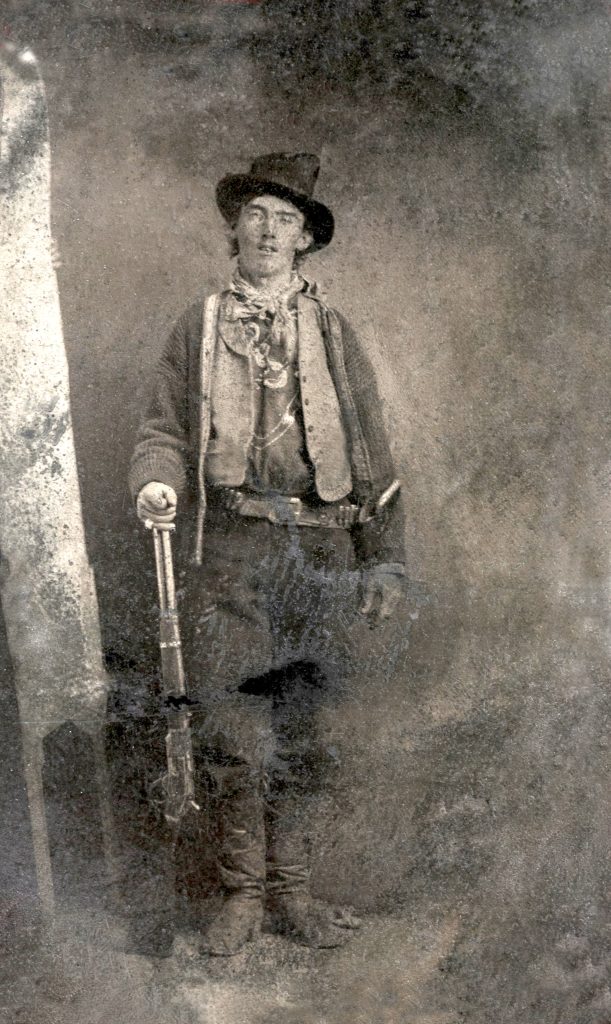
7. Billy the Kid
Billy the Kid remains a monument to the power of youth in American myth. The old claim that he killed 21 men survived because it was neat and memorable, not because the evidence was strong. Historians have often credited him with far fewer killings, and his real biography is inseparable from the violence and divided loyalties of the Lincoln County War. Even his death refused to stay settled. He was long linked to the Fort Sumner shooting by Pat Garrett, but the legend kept generating new versions, including men claimed to be Billy the Kid years afterward. That persistence shows how the West turned certain identities into reusable folklore.
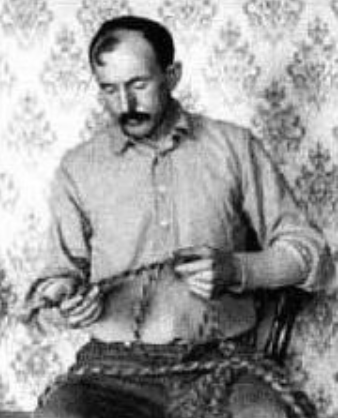
8. Tom Horn
Tom Horn’s story points away from the romantic outlaw and toward violence as paid labor. He worked as a scout and tracker before becoming associated with the cattle conflicts of the 1890s, where economic power, land pressure, and intimidation often moved together. His notoriety came not from one clean showdown but from the darker question of what happens when killing becomes a service. He was convicted in the death of 14-year-old Willie Nickell, and the case remained contentious because it mixed confession, retraction, and competing motives.
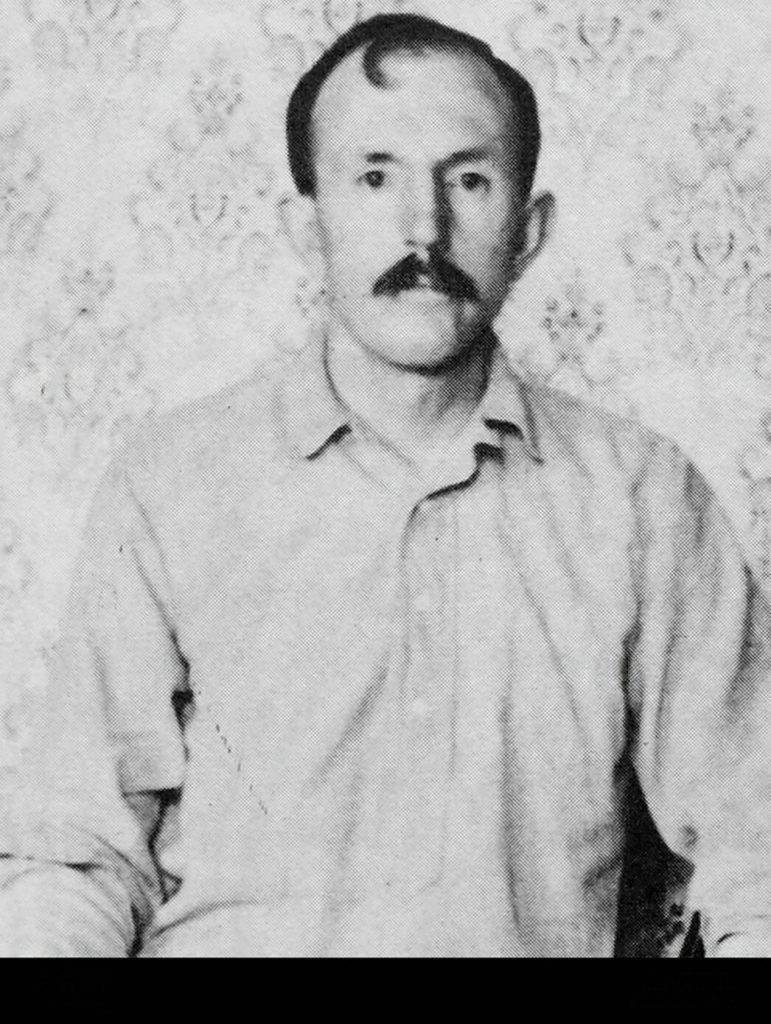
Horn left behind one of the era’s bleakest self-portraits: “If I get killed now I have the satisfaction of knowing I have lived about 15 ordinary lives.” Taken together, these lives challenge the polished Western template. The so-called Wild West itself lasted only about 30 years, and many towns enforced rules that made routine gunplay less common than later fiction suggested. What lasted much longer was the storytelling. In that space between public record and popular memory, these figures kept changing shape and that is why they still hold attention.

