

Prayer rarely disappears all at once. More often, it is crowded out by ordinary patterns that seem harmless at first habits of attention, pace, and self-reliance that slowly reduce a life with God to a life that only thinks about God occasionally.
Several of the patterns Christians struggle with most are not dramatic failures. They are routine behaviors: constant scrolling, chronic busyness, private faith with little community, and the quiet assumption that prayer can wait until everything else is done. Over time, these habits weaken focus, deepen distraction, and make prayer feel unfamiliar instead of natural.

1. Filling every quiet moment with a screen
Digital habits often train the mind away from stillness. In one interfaith discussion, religious leaders described social media as reducing time for genuine fellowship and prayer, while also rewarding speed, reaction, and visibility. That pattern matters because prayer depends on attention, not constant stimulation.
A longer reflection on religion and technology made the point even more sharply: prayer consists of attention. When attention is repeatedly fragmented, prayer can begin to feel difficult not because desire has vanished, but because the inner life has been trained toward interruption. The result is a Christian who still values prayer, yet rarely settles into it for long.

2. Treating busyness as proof of faithfulness
Many Christians do not reject prayer; they postpone it. Work, chores, parenting, messages, and endless tasks create the impression that the most responsible life is the most packed one. Prayer then feels unproductive, even indulgent.
One pastoral reflection described this struggle plainly: “We are so busy that when we slow down to pray, we find it uncomfortable.” That discomfort can be revealing. A life organized entirely around output slowly loses the ability to receive. When every hour must justify itself through visible accomplishment, time with God starts to feel like time taken away from “real” work instead of the place where everything else is re-ordered.

3. Waiting to pray until the mood feels right
Prayer often becomes inconsistent when it is treated as a spontaneous feeling rather than a practiced rhythm. Good intentions alone rarely build a lasting prayer life. Habits do.
Practical teaching on consistency has highlighted a simple pattern of cue, routine, and reward. That insight helps explain why prayer fades so easily in everyday life: without a clear cue, prayer is left to chance; without routine, it gets replaced by urgency; without remembered spiritual fruit, it is judged too quickly as ineffective. Christians who pray only when they feel inspired often discover that inspiration is an unreliable schedule.

4. Believing prayer must sound polished to count
Some believers drift from prayer because they feel clumsy in it. They are unsure what to say, unsure how to begin, and unsure whether they are doing it correctly. The result is not open rebellion, but quiet avoidance.
That obstacle is common. One ministry article noted that many Christians hesitate because they do not know what prayer to offer or feel they cannot pray the way they “should.” Once prayer is measured by performance, guilt takes over. The person who wanted communion with God starts editing every sentence internally, and eventually says very little at all. A simple conversation with God becomes a test that feels easy to fail.
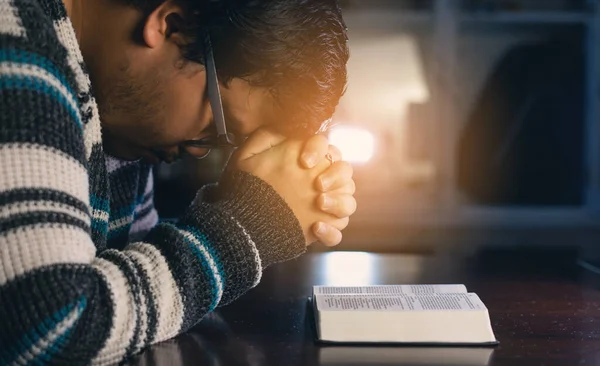
5. Letting distraction become the default setting
Distraction is no longer an interruption for many people; it has become an atmosphere. Notifications, multitasking, background media, and mental clutter make sustained focus feel unusual. Prayer suffers inside that environment because it asks for presence.
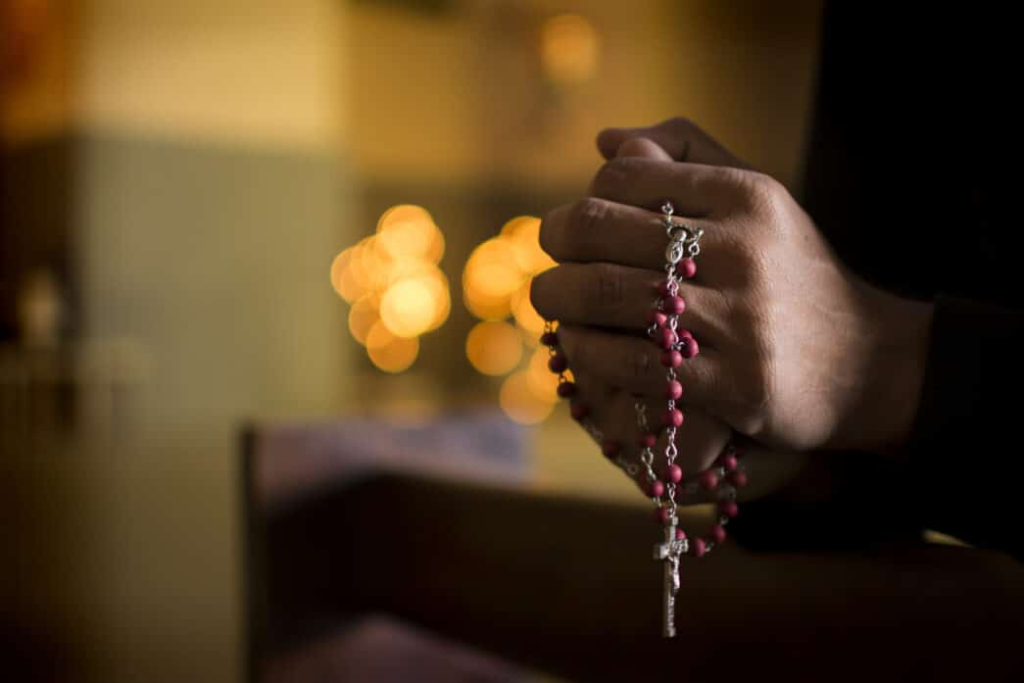
This is where small choices matter. A few minutes of prayer broken by repeated checking, mental wandering, or quick exits can train the heart to stay near the surface. Several voices in the reference material described social platforms as attention-fragmenting by design, and one faith leader urged people to seek a media-free zone. That advice is practical, not dramatic. A life with no protected silence becomes a life with very little deep prayer.

6. Making faith entirely private
Christians often speak of prayer as personal, and it is. But when faith becomes only private, prayer can become thin, irregular, and detached from the practices that sustain it.
One leader cited a study on entirely private spiritual lives that found such people were less likely to prioritize spiritual growth or regular devotional time. That finding fits a pattern seen across churches: communal worship, shared rhythms, and embodied fellowship do not replace private prayer, but they often protect it. Isolation, by contrast, allows prayer to become optional, then occasional, then strangely absent.

7. Mistaking dryness for failure
Prayer is often abandoned when it stops feeling consoling. Many Christians assume that if prayer feels flat, distracted, or emotionally empty, something has gone deeply wrong.
Older spiritual teaching offers a steadier view. The Catechism has identified dryness as one of the most common obstacles to prayer. Dryness does not automatically mean prayer is false or fruitless. It may simply mean the person praying no longer senses God’s presence in the way expected. If every prayer life is judged by emotional payoff, many believers will stop just when perseverance is needed most. Faithfulness in prayer is not measured only by felt consolation.
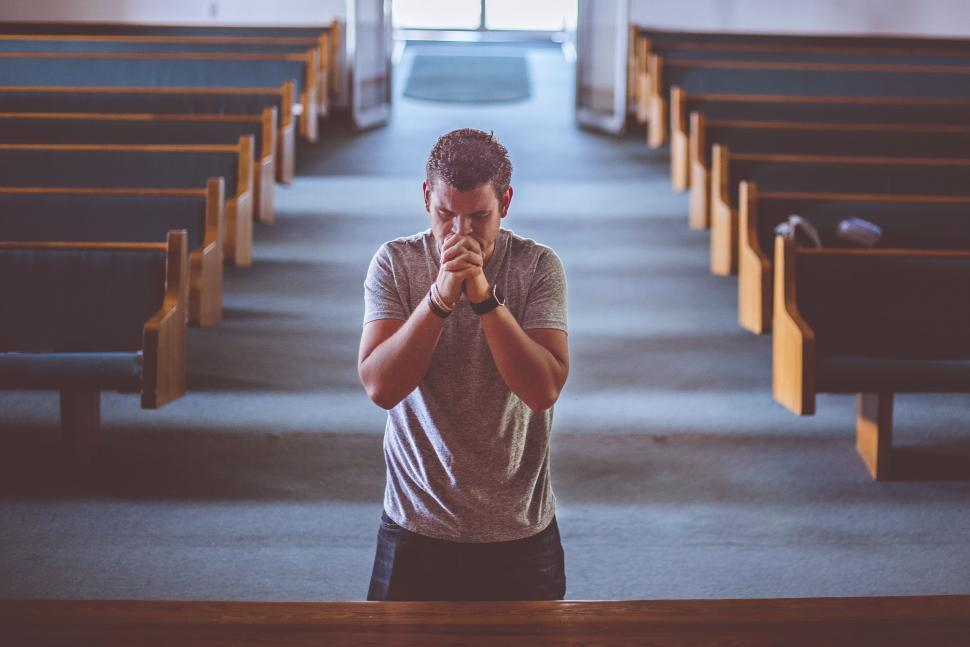
These habits rarely look dangerous in daily life. Most of them appear normal, efficient, or even responsible. That is why they can quietly do so much damage.
Prayer is usually not lost through one decisive moment. It is thinned out by repeated patterns that scatter attention, glorify busyness, isolate faith, and make silence feel foreign. Naming those habits clearly is often the first step toward recovering a life that gives God more than leftover seconds.

