
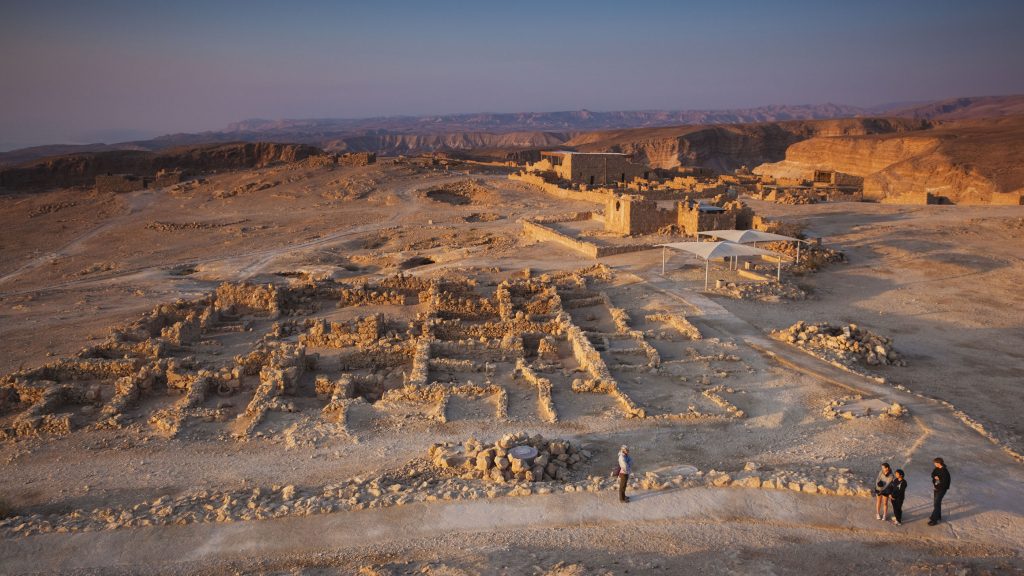
Archaeology rarely leaves ancient Israel looking smaller. More often, it makes the world of the Bible feel denser, more connected, and more human than simplified retellings suggest.
Across inscriptions, settlement surveys, household objects, and royal imagery, the material record has pushed discussion beyond a single question of whether a text is “confirmed.” It has instead shown how ancient Israel emerged within a crowded Levantine landscape, absorbed outside influences, and developed everyday habits that written sources only partly describe.
1. It pushes Israel’s earliest appearance into a wider historical conversation
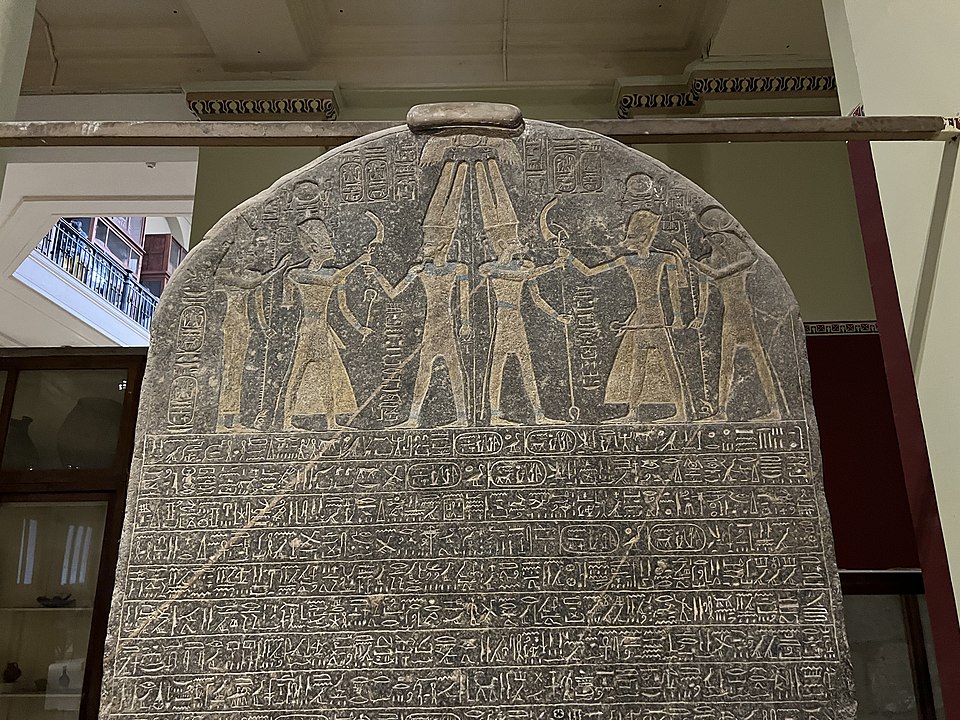
The best-known Egyptian reference to Israel remains the Merneptah Stele dated to about 1205 B.C.E., where a people called Israel appears in an Egyptian victory inscription. That matters because it places Israel in the written record outside the Bible and shows that Egypt recognized such a group in the late 13th century B.C.E.
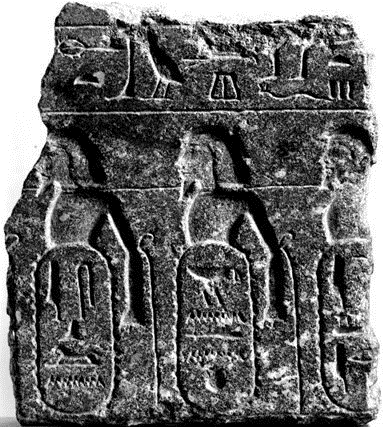
Archaeology has also complicated that benchmark. A fragmentary inscription in Berlin has been argued by some scholars to preserve an even earlier reading of Israel, perhaps around 1400 B.C.E., though the identification remains disputed. The larger effect is not simply an earlier date; it is a reminder that Israel’s beginnings are studied through fragmentary finds, competing readings, and changing scholarly judgment. Material evidence does not close the debate, but it anchors it in real artifacts rather than abstract theory.
2. It shows that early Israel was built through villages, not only famous cities
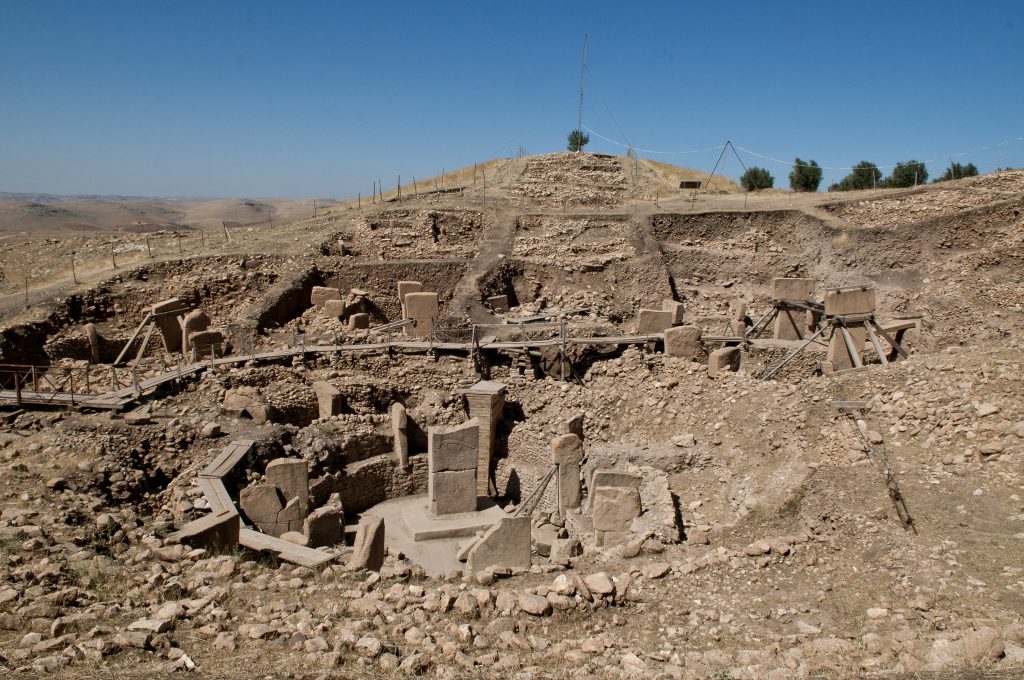
Archaeological surveys have transformed the map of ancient Israel by drawing attention to small highland settlements rather than only monumental centers. Since the 1970s, fieldwork has identified a large rise in settled population in the central highlands during the 12th century B.C., especially in areas later associated with Israelite society.
This pattern reshapes the mental picture of the period. Instead of imagining a civilization defined first by grand capitals, archaeology points to clusters of modest communities whose houses stood close together while farmland spread around them. That village-based landscape helps explain how kinship, labor, and local identity would have worked on the ground. Ancient Israel appears less like an instant kingdom and more like a network of developing rural societies.
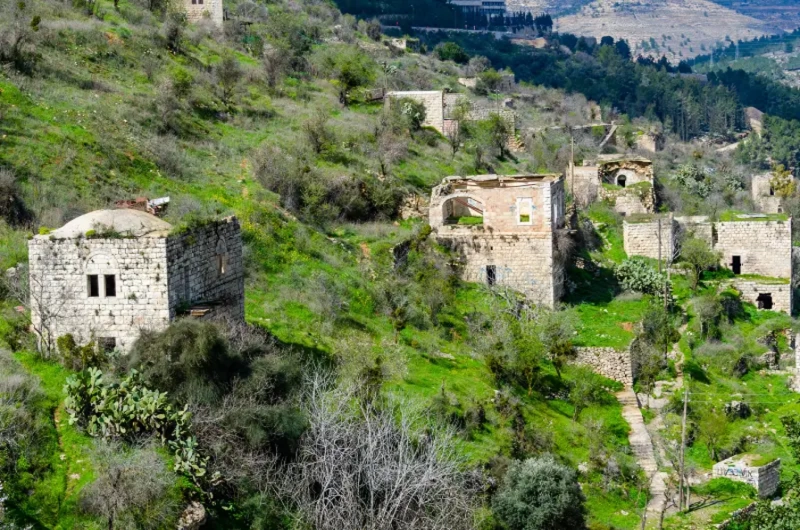
3. It reveals a daily life organized around shared agricultural space
Studies of Levantine village structure suggest that households lived in compact settlements while surrounding fields were divided into family plots. This arrangement helps illuminate biblical scenes such as Ruth going out to “the field,” a phrase that makes more sense in a communal agricultural landscape than in a scattered farm model.
The implications are extensive. Farmers likely walked from a dense residential cluster to multiple small plots, with gardens and olive groves closer to the settlement and grazing zones farther out. Such a system would have made life highly visible, with work, kinship, and public reputation all closely intertwined. Archaeology therefore reshapes ancient Israel not only by identifying places, but by clarifying how ordinary people moved through the day.
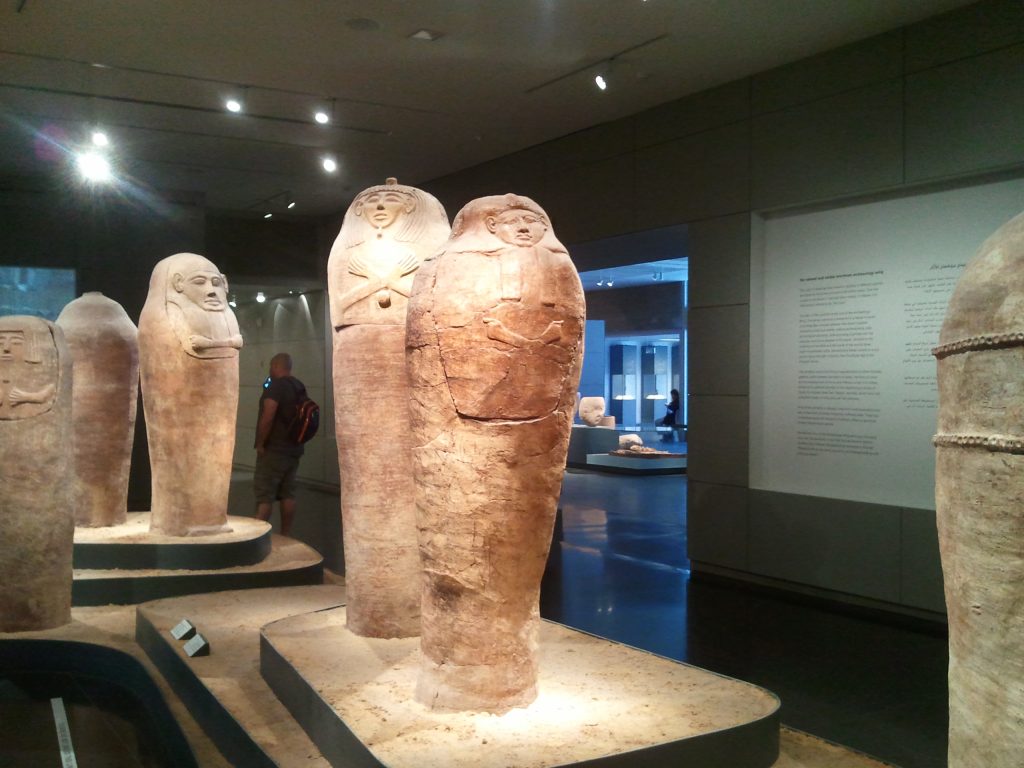
4. It uncovers an Israel deeply shaped by Egyptian cultural influence
Artifacts from sites in Israel, the West Bank, and Gaza show that Egyptian influence extended far beyond direct political control. Bronze and Iron Age finds include Egyptian-style coffins, ivories, deity imagery, and amulets, evidence that symbols from the Nile world circulated widely in the southern Levant.
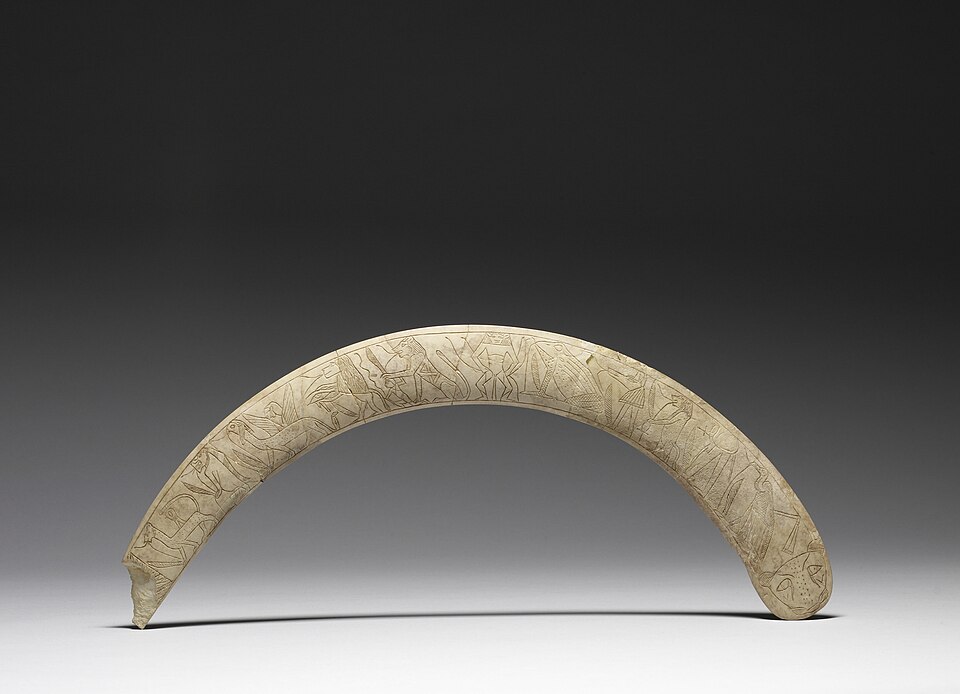
A particularly important conclusion comes from research on Egyptian and Egyptianized amulets in ancient Israel. The archaeological record indicates that these objects appeared in domestic and funerary settings and were used for protective, or apotropaic, purposes. In elite settings, Egyptian symbols could also be adapted into royal iconography to communicate power and protection. Ancient Israel, in this light, was not culturally sealed off. It participated in a long regional exchange of images, practices, and meanings.
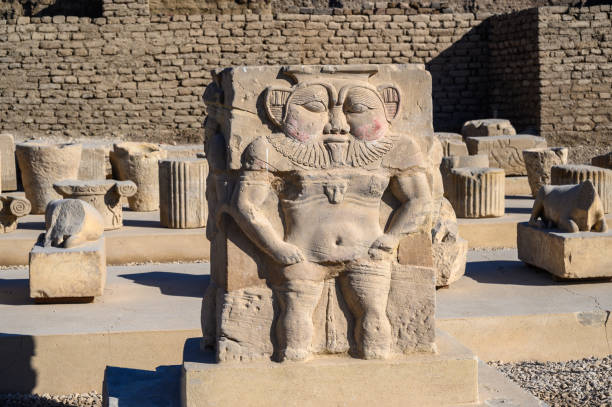
5. It broadens religion beyond temple and text
Archaeology has forced a distinction between official religion and lived religion. Texts may emphasize covenant, law, and central worship, but excavated objects point to household concerns such as fertility, childbirth, protection, and burial.
That is why items linked to Egyptian motifs matter so much. Finds associated with figures such as Bes, along with protective amulets and symbolic devices, suggest that many people navigated danger through practices not fully captured in formal theological writing. The result is a more layered picture of ancient Israelite religion: public worship on one level, household ritual and popular belief on another. Archaeology has not erased the biblical record; it has made the religious landscape more textured.
6. It reframes identity as something that formed gradually
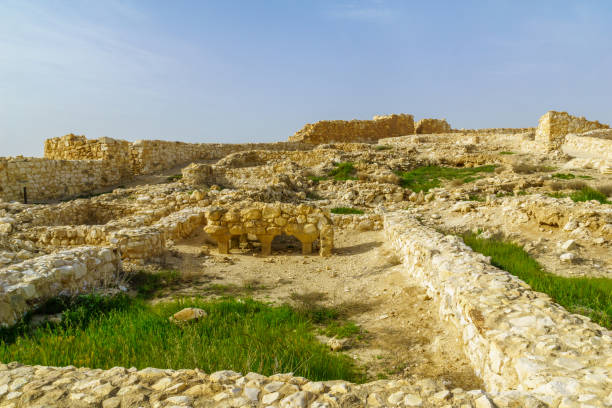
The material record does not present Israel appearing all at once with a fixed social profile. Highland settlements, external inscriptions, and imported or adapted symbols instead suggest a people forming over time within Canaan, while also distinguishing themselves from neighboring groups.
This is where archaeology has its strongest corrective power. It resists overly simple origin stories. Early Israel comes into view as a society shaped by settlement growth, regional interaction, and developing local traditions rather than by a single explanatory model. That slower formation helps explain why debates about origins remain active: the evidence points to emergence, consolidation, and adaptation, not instant uniformity.
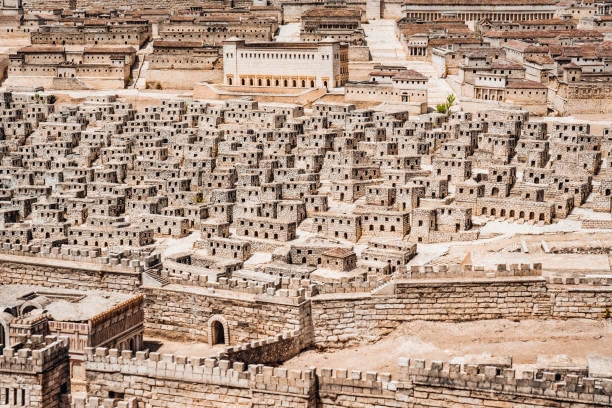
The cumulative effect is substantial. Archaeology has turned ancient Israel from a flat backdrop into a lived world of villages, inscriptions, fields, household objects, and borrowed symbols. That world remains incomplete, but it is far richer than older one-dimensional reconstructions. Each excavation and inscription adds detail to how ancient Israel worked, worshiped, and understood itself within the broader ancient Near East.

