

Family estrangement is painful in any household. In celebrity families, it also becomes public theater, where private hurt can be amplified by interviews, memoirs, court filings, and social media posts.
The pattern that emerges is less about glamour than pressure. Researchers and therapists have noted that estrangement is not rare; at least one in four people experience estrangement from a family member. Fame adds extra stressors: blurred boundaries, financial expectations, identity conflicts, and the temptation to turn family pain into public content.
1. Public exposure can turn private conflict into a breaking point
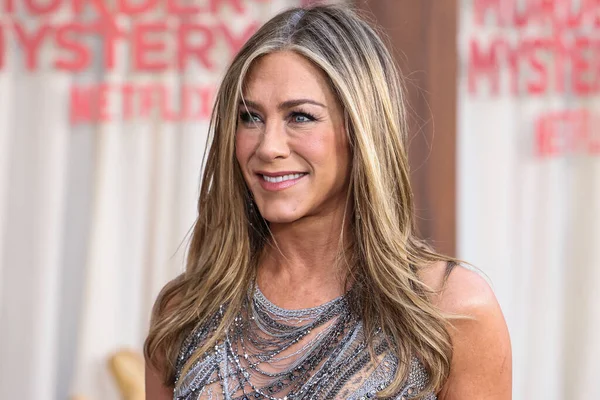
For many famous families, the rupture deepens when a relative takes an intimate dispute into the press. Jennifer Aniston’s relationship with her mother Nancy Dow became a lasting example after Dow published a memoir about their tension. Aniston later described growing up with a parent focused on appearance, saying she wanted to be “seen” and loved rather than judged. Meghan Markle’s rift with her father was also widely associated with publicity and paparazzi attention, according to accounts in the reference material. In these cases, the issue was not simply disagreement. It was the feeling that access to a celebrity’s life had become part of the family conflict itself.
2. Fame can magnify old wounds that existed long before success
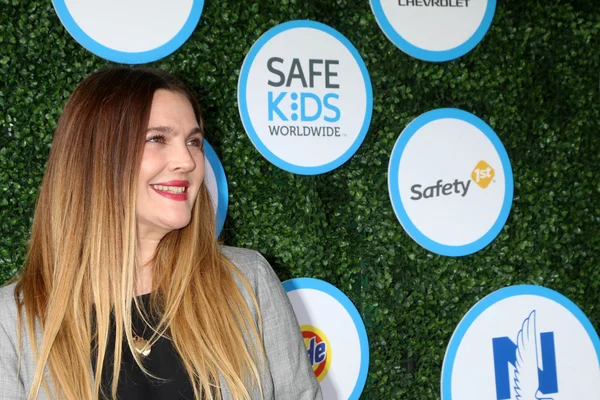
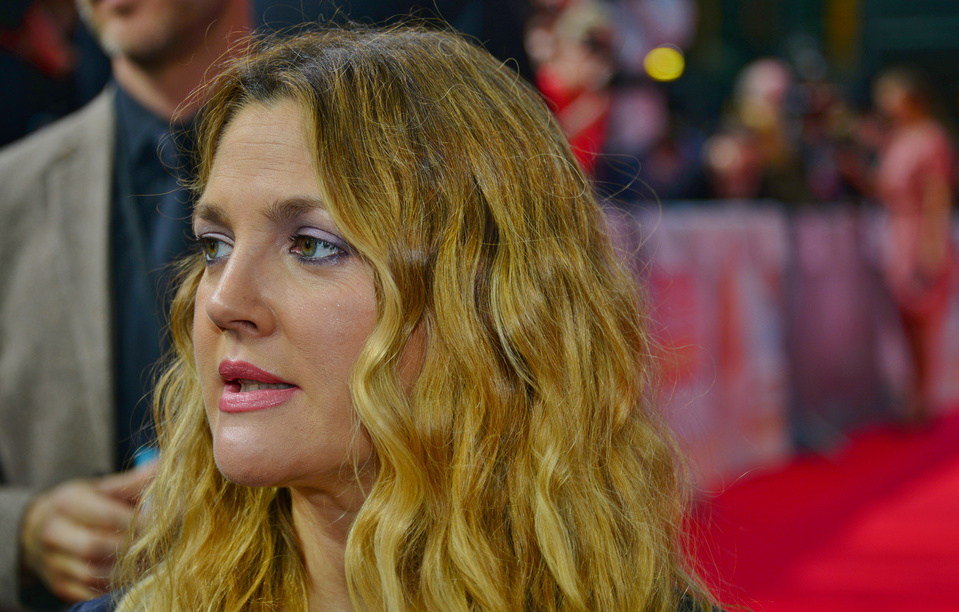
Celebrity status often exposes fractures that were already there. Adele spoke openly about feeling let down by her father after his long absence in childhood, and their estrangement worsened after he discussed her personal life publicly. Drew Barrymore’s separation from her mother came after years of instability during a childhood lived under intense public scrutiny. These stories suggest that stardom rarely creates the original injury. More often, it enlarges it. A difficult parent-child dynamic that might have stayed private in another family becomes harder to repair when every setback is watched, repeated, and archived.

3. Identity conflicts can make distance feel necessary
Some of the most visible estrangements involve a clash over identity, autonomy, and respect. Vivian Wilson publicly rebuked Elon Musk after his comments about her, saying he was not the parent he portrayed himself to be and that he had been there only “maybe 10% of the time” during her childhood. When a family member challenges someone’s core sense of self in public, the conflict moves beyond ordinary disagreement. It becomes about personal dignity, and the decision to cut contact can look less like drama than boundary-setting.

4. Allegations of abuse or harm often sit at the center of estrangement
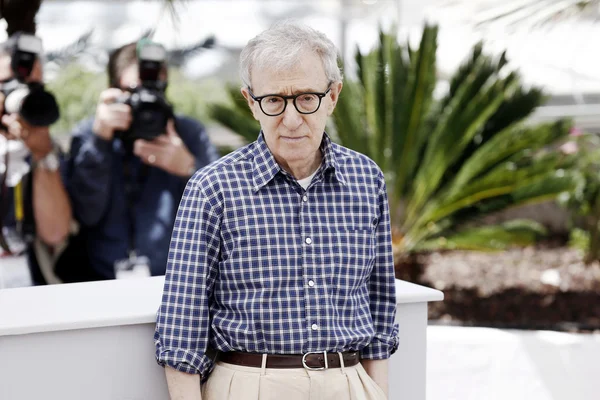
Not every rupture is caused by publicity. Some are rooted in claims of abuse, neglect, or dangerous behavior. The reference materials describe allegations involving Brad Pitt and his children, Collin Gosselin’s accusations against Kate Gosselin, and Dylan Farrow’s longstanding allegations against Woody Allen. These are not minor disputes over personality or distance; they are claims of serious injury.
That distinction matters. In many celebrity estrangements, the public may see silence and assume coldness, while the people involved describe self-protection. The emotional language around no contact often reflects that: not only anger, but fear, grief, and exhaustion.
5. Money and control can complicate family loyalty
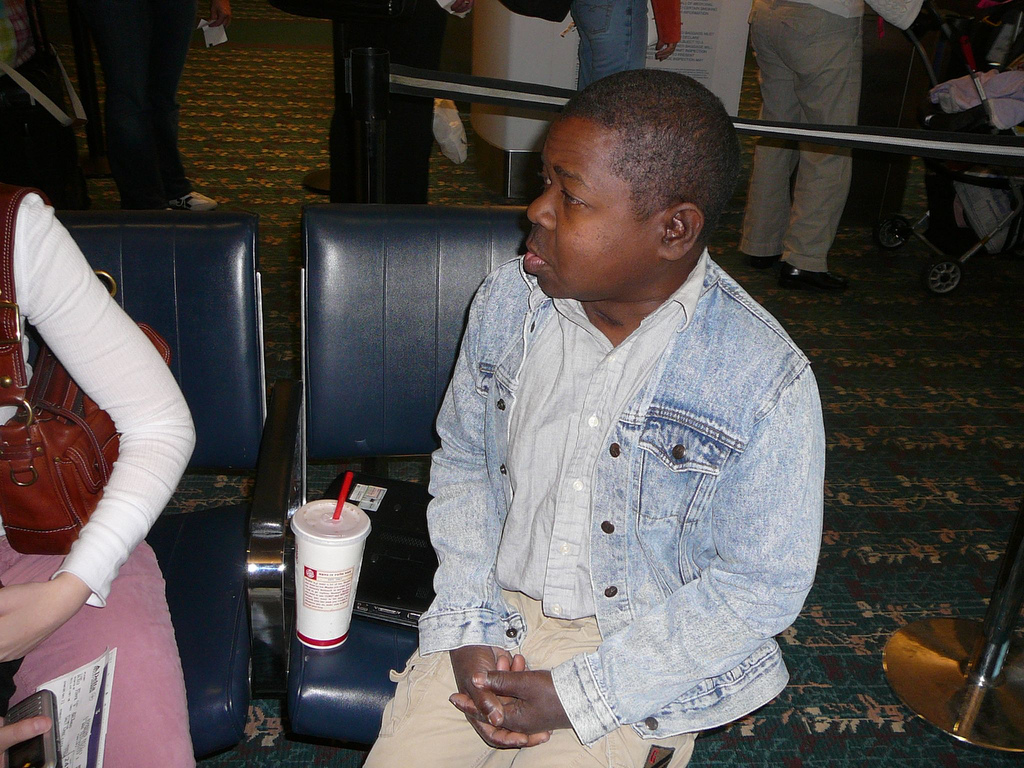
Fame often brings wealth, and wealth can distort family roles. In some stories, disputes involve who benefits from success, who controls access, and who gets to make decisions. Elijah Blue Allman’s conflict with Cher drew attention because it mixed maternal concern, addiction, legal intervention, and questions about personal control. Gary Coleman’s estrangement from his parents, as noted in the reference material, followed a lawsuit over his earnings. Money does not replace trust. In celebrity families, it can become one more reason trust erodes, especially when a successful child believes relatives are managing, using, or speaking about them without consent.

6. Children of famous parents often react to absence as much as conflict
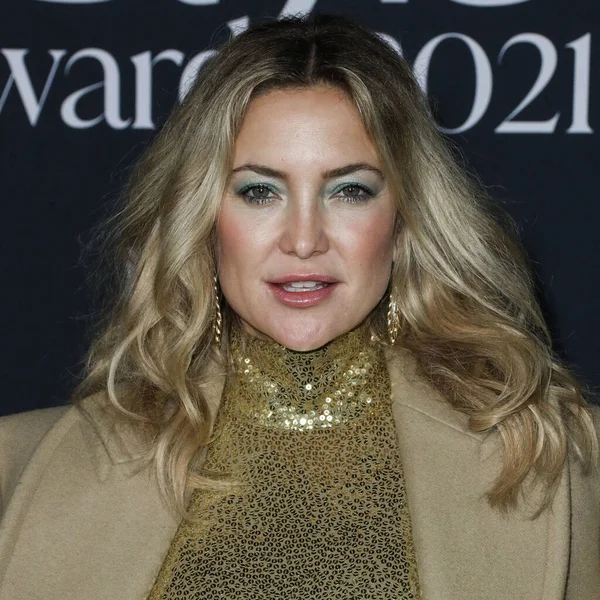
Estrangement is not always driven by one explosive event. Sometimes it grows from years of inconsistent presence. Abigail Hopkins said she saw Anthony Hopkins only sporadically as a child. Kate and Oliver Hudson have both spoken publicly about their biological father Bill Hudson, with Oliver’s “Happy Abandonment Day!” post turning a long-simmering grievance into a headline.
Absence has a particular sting in public life. When a parent is visible to the world but unavailable at home, the contrast can intensify the hurt. A celebrity’s image may suggest warmth and accessibility while the family experience feels entirely different.
7. No contact is often described as grief, not closure
The clean-cut version of estrangement rarely matches the way people describe it. Drew Barrymore said of her mother, “It’s the hardest subject in my life.” That line captures something larger than a feud. Many public figures describe empathy, guilt, sadness, and longing alongside firm boundaries. Therapists quoted in the reference material frame estrangement as part of a broader cultural shift toward mental health and limits. One concept that appears especially relevant is disenfranchised grief, the sorrow of mourning a relationship that is not socially recognized like a death.
That may explain why celebrity estrangements continue to fascinate: they are public stories about losses that remain unresolved. Across these cases, the reasons differ, but the themes repeat. Privacy gets breached. Childhood injuries resurface. Identity is challenged. Money and control distort relationships. And no contact, when it happens, is rarely presented as triumph. It tends to read as fallout: a difficult boundary drawn after trust has worn thin, even under the brightest lights.

