
For child stars, a hit sitcom can open every door and quietly close a few others. The same role that makes a young actor famous can follow them for years, shaping how audiences, casting directors, and even the performers themselves see what comes next.
Some stayed on screen and rebuilt their careers in adulthood. Others stepped behind the camera, turned to writing, or chose lives far outside Hollywood. Together, their paths show that life after early fame is rarely one story.
1. Hilary Duff
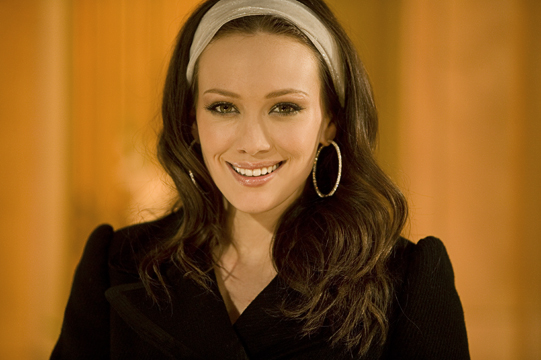
Hilary Duff became one of the defining faces of early-2000s youth television through Lizzie McGuire, then spent years trying to prove she could be seen as more than that character. She described the frustration of strong auditions ending with the same obstacle: people still saw Lizzie first. In one interview, she said, “I definitely went through big frustrations of being like, ‘Why can I not get a shot at being someone else?’”
That long transition eventually gave way to a more settled second act. Her adult run on Younger helped redefine her screen image, and she later spoke more openly about making peace with the role that launched her. Rather than outrunning that identity, her later career showed what acceptance can look like when a former child star keeps moving.

2. Tyler James Williams
Tyler James Williams was widely known as the young lead of Everybody Hates Chris, a role that placed him at the center of a sitcom while he was still a teenager. Years later, his adult career found fresh momentum with Abbott Elementary, where he reached a new audience without leaning on childhood nostalgia.
His trajectory reflects one of the steadier versions of reinvention. Instead of a dramatic retreat and return, his path shows how a child actor can mature into more layered adult work while keeping a recognizable presence in television. The shift matters because it separates early fame from long-term identity.

3. Jennette McCurdy
Jennette McCurdy’s post-sitcom story moved decisively away from acting. After becoming closely associated with Sam Puckett on iCarly and Sam & Cat, she spoke candidly about ending that chapter and building a life around writing and directing instead.
She said on her podcast, “I quit a few years ago to try my hand at writing and directing it’s going great. I quit a few years ago because I initially didn’t want to do it.” Her one-woman show and memoir, both titled I’m Glad My Mom passed away, repositioned her not as a former Nickelodeon star trying to return, but as a writer shaping her own story. It was a sharp example of a child performer rejecting the expectation that staying on camera is the only successful outcome.
4. Mara Wilson
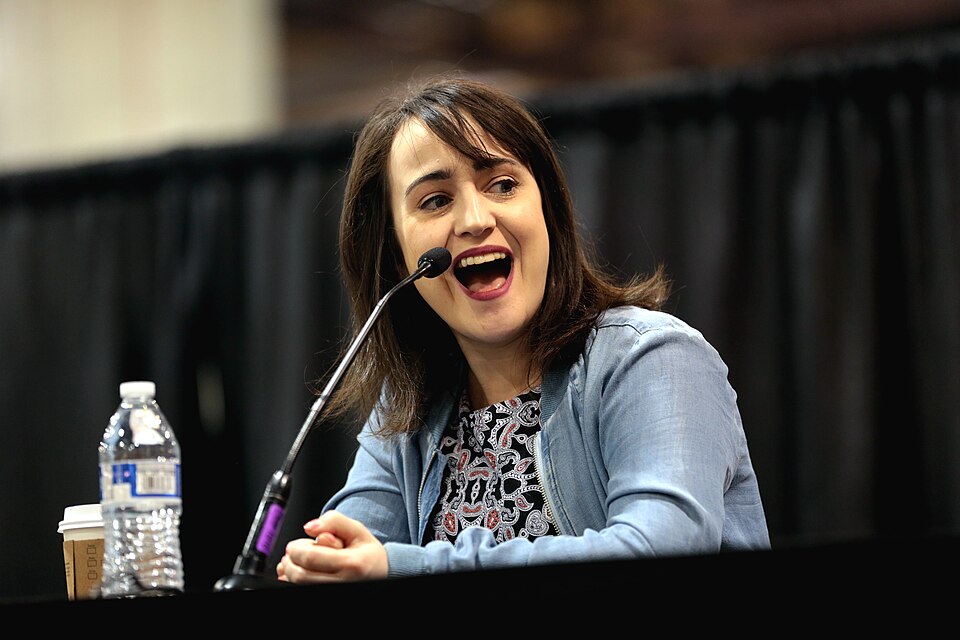
Mara Wilson stepped back from film acting at a young age and built a different creative life through writing, essays, stage work, and voice acting. Her transition was not framed around a comeback in the usual sense. It was more of a rerouting.
According to her public work, she later published a memoir and contributed writing to multiple major outlets. She also wrote about the difficult experience of being sexualized as a child performer, adding a more serious dimension to conversations that often flatten child fame into nostalgia. Her adult career demonstrates that visibility can shrink while authorship grows.

5. The Olsen Twins
Mary-Kate and Ashley Olsen spent much of childhood as a joint brand as much as a pair of performers, beginning with Full House and continuing through a string of direct-to-video projects and television appearances. Their lives after sitcom-era fame became notable precisely because they did not continue chasing screen roles in the expected way.
They moved away from acting and built identities outside that machine. The cultural fascination around them never fully disappeared, but their adult lives became defined less by punch lines and catchphrases than by distance, privacy, and independent business ambitions. For former child stars, that kind of retreat can be its own form of control.
6. Fred Savage
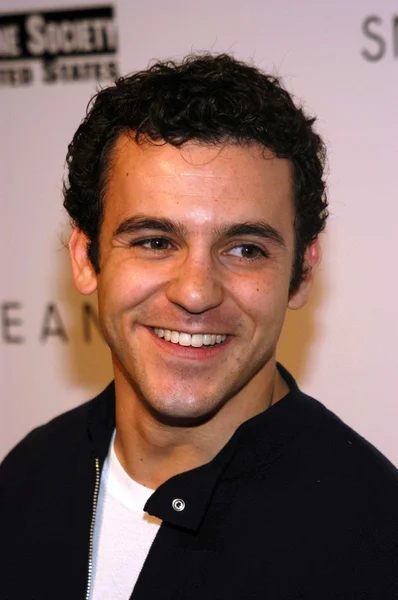
Fred Savage is one of the clearest examples of a child television star who built authority behind the camera. After becoming famous on The Wonder Years, he developed a substantial directing and producing career in television, including work on Modern Family and other established series.
That shift changed the center of gravity in his career. Instead of being remembered only as a former young lead, he became part of how other shows were made. It is a different kind of longevity, one based less on public reinvention than on craft and industry trust.
7. Jodie Foster
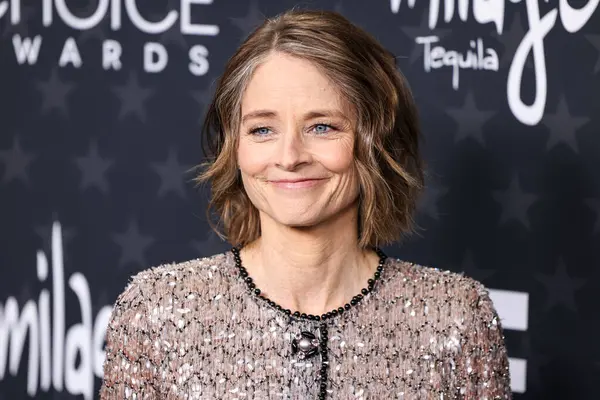
Jodie Foster’s career began long before adulthood, and she later stepped away from the expected child-star arc by pursuing college and returning with remarkable range. While she remained a major actor, her later life also included directing work that expanded her influence beyond performance.
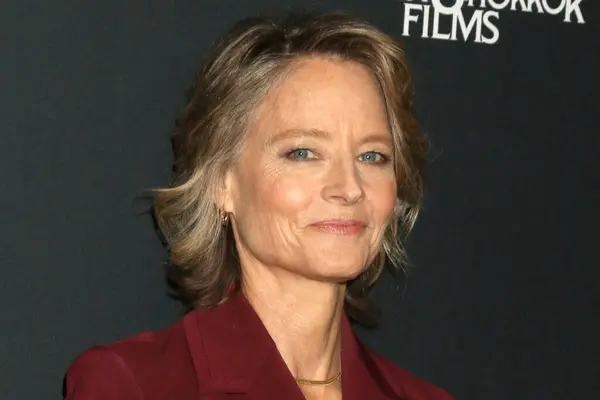
Her career behind the camera has included films and television episodes, giving her a lasting place in the industry that does not depend on childhood recognition alone. In discussions of former young actors who built durable adult lives, her example stands out because it combines education, selective work, and creative authority without turning early fame into her permanent label.
8. Jonathan Taylor Thomas
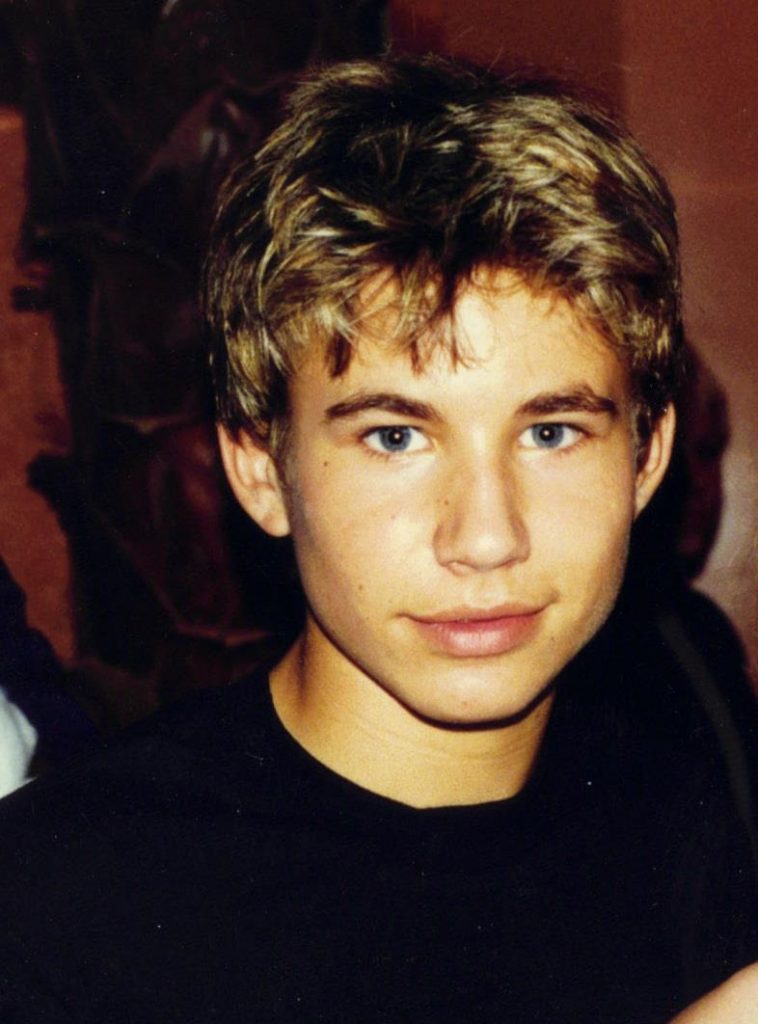
Jonathan Taylor Thomas became deeply associated with Home Improvement, one of the defining family sitcoms of the 1990s. Instead of stretching that fame endlessly, he stepped back and focused on college, choosing a less public adulthood than many expected.
That quieter route has remained part of his appeal. His story is often treated as a disappearance, but the more useful reading is that he made a deliberate move away from constant visibility. For former child sitcom stars, a low-profile life can still be a fully built one.
The paths that follow sitcom fame do not move in one direction. Some actors return in adult roles, some build second careers offscreen, and some decide that ordinary life is the real reinvention.
What links these stories is not a shared ending, but a shared shift: the moment when a familiar childhood image stops being the whole biography.

