
Awards speeches often move quickly through thank yous, names, and time limit pressure. Even in that compressed moment, some actors make space for something more personal: prayer, gratitude to God, or language that clearly points to faith as part of their public life.
That choice stands out because acceptance speeches tend to follow familiar patterns. A review of more than 1,500 Oscar speeches found that God has appeared in acceptance speech history for decades, although not every mention carries the same religious meaning. When actors speak specifically about prayer, grace, or looking to God, the moment becomes more revealing than routine.
1. Angela Bassett
Angela Bassett used her Golden Globes speech for “Black Panther: Wakanda Forever” to speak plainly about faith, destiny, and prayer. In remarks highlighted after her win, she said, “By the grace of God I stand here. I stand here grateful.”
She also connected that gratitude to something learned long before the red carpet. Bassett said, “My mother always said good things come to those who pray, and I see the truths of that every day as we welcome each new day as a family.” That line gave the speech a different texture. It was not only a thank you from a winner; it was a public acknowledgment that prayer belonged to her private foundation long before the award arrived.
2. Matthew McConaughey
When Matthew McConaughey won the Oscar for Best Actor for “Dallas Buyers Club,” he opened with a direct statement of belief. According to a roundup of notable faith centered celebrity speeches, he said, “First off, I want to thank God, because that’s who I look up to.”
He continued by describing grace and gratitude in personal terms, saying God had given him opportunities “that I know are not of my hand or any other human hand.” In an awards show setting where speeches can become crowded with industry acknowledgments, that opening made his spiritual orientation unmistakable. It also placed gratitude at the center of the moment rather than only achievement.
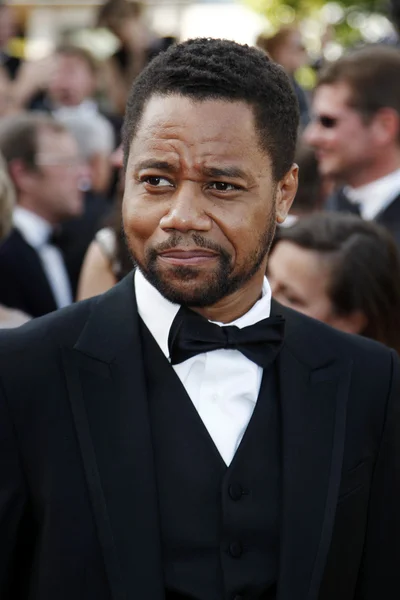
3. Cuba Gooding Jr.
Cuba Gooding Jr.’s Oscar speech remains one of the clearest examples of an actor turning an acceptance speech into an open expression of praise. In the account collected by Beliefnet, he raised his hands and said, “God, I love you. Hallelujah.”
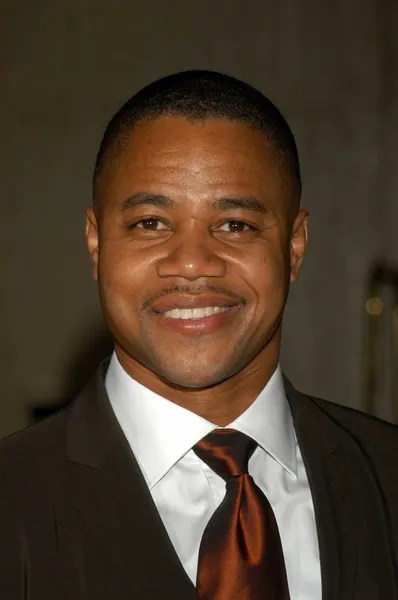
The power of that moment came from its lack of polish. It did not sound carefully engineered for effect. It sounded immediate, emotional, and deeply personal. His words have continued to be remembered because they showed how quickly a career milestone can become a spiritual acknowledgment when the speaker sees success through that lens.
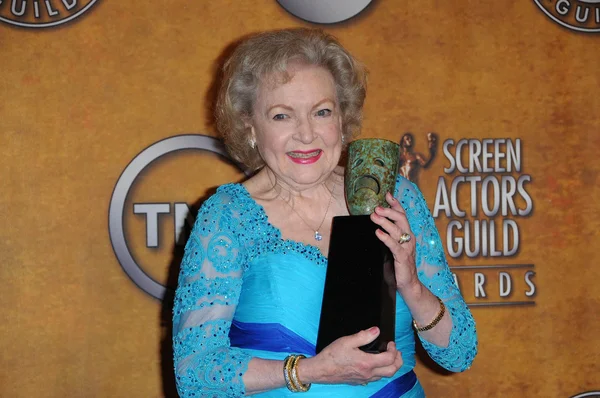
4. Betty White
Betty White’s Screen Actors Guild acceptance speech used humor, but it also included a memorable reference to prayer. While reacting to the surprise of the win, she said, “There wasn’t a prayer,” a line preserved in the full SAG Awards acceptance speech transcript.
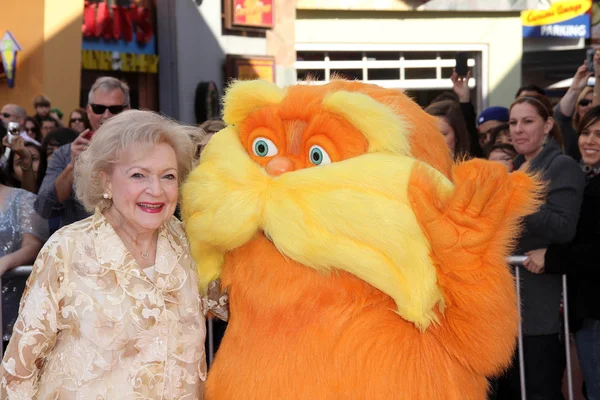
Her phrasing was light and comic rather than devotional, which matters in the broader conversation about faith language at award shows. It reflects a pattern also seen in Academy Awards history, where mentions of God or prayer are sometimes religious and sometimes idiomatic. White’s speech still belongs in that larger tradition of performers reaching for spiritual language when trying to describe surprise, humility, or disbelief.
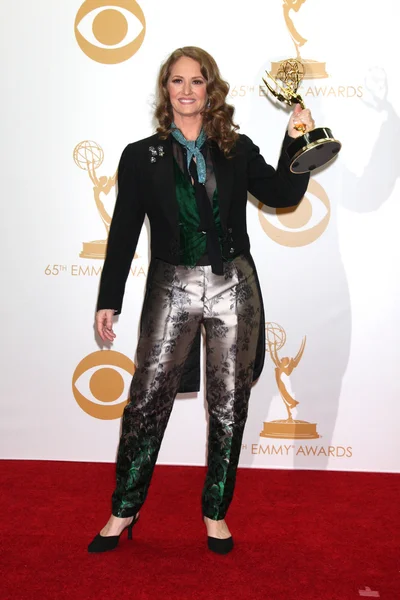
5. Melissa Leo
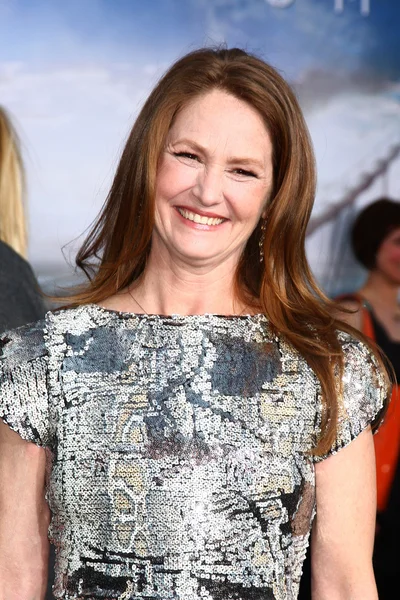
Melissa Leo’s SAG Awards speech began with a spontaneous exclamation: “My God!” It was brief, emotional, and unfiltered.
Like Betty White’s speech, this was not a meditation on prayer or testimony. It was a flash of instinctive language in a vulnerable public moment. That distinction is important because it shows how spiritual vocabulary operates on awards stages in more than one way. Sometimes it signals devotion; sometimes it becomes the fastest available expression for shock, relief, and gratitude.
Across awards history, actors have used the microphone for more than industry thanks. Some refer to prayer as a guiding practice. Others thank God first, before colleagues or studios. Some simply reveal, in a split second, which words come naturally when emotion outruns preparation.
That is part of what makes these speeches linger. Even under bright lights and strict time limits, they can still sound like real life.

