

For shoppers and diners, the 2025 closure wave has been less about one bad season and more about a bigger reset. Familiar chains in crafts, discount retail, pharmacies, family dining and fashion have been trimming locations or disappearing entirely as debt, inflation, online competition and changing customer habits keep reshaping brick-and-mortar business.
Some brands are shutting down for good. Others are cutting weaker locations to protect the stores they still believe can work. Together, these moves show how quickly a national footprint can become too large when shoppers expect better value, smoother digital options and a more reliable in-store experience.
1. Joann’s full shutdown ended a long run in crafts
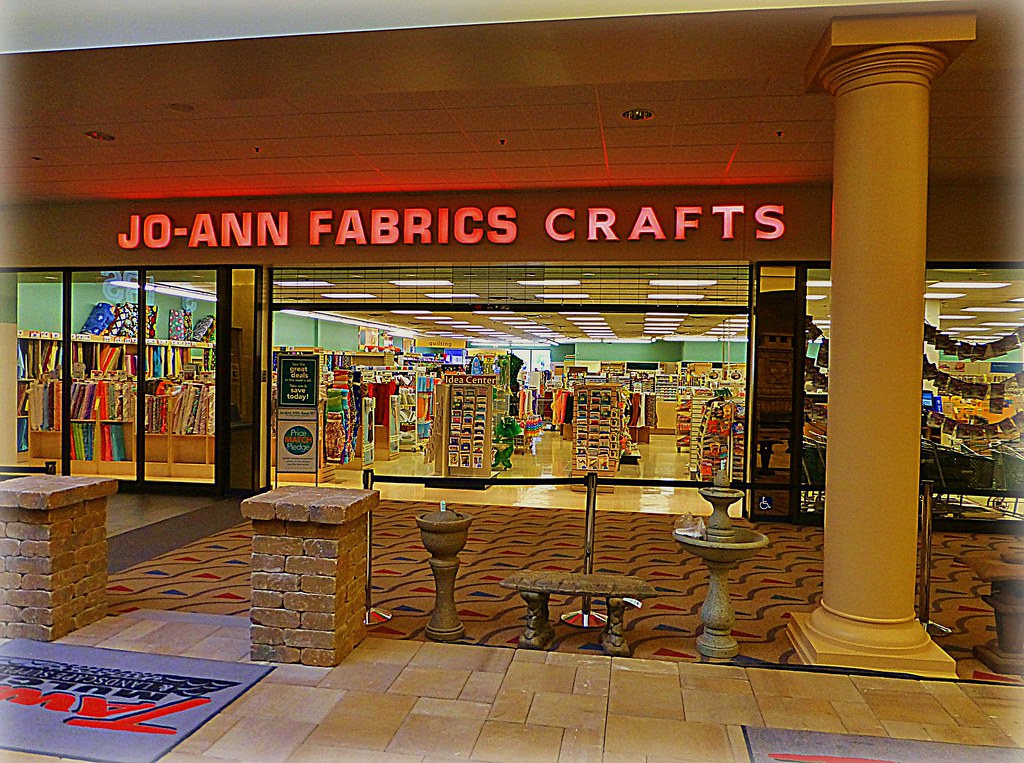
Joann closed all 790 U.S. stores after filing for Chapter 11 bankruptcy twice within a year, bringing an end to a business that had been part of the crafting market for decades. The company linked the move to sluggish sales, inventory constraints and financial pressure, while former workers and industry watchers pointed to understaffing and the loss of in store expertise.
The chain had a temporary lift during the pandemic-era craft boom, but that demand did not hold. Its collapse also reflected a larger issue for specialty retailers: when shelves look thin and staffing falls short, loyal customers often migrate quickly to stronger competitors.
2. Party City became one of the clearest examples of debt pressure
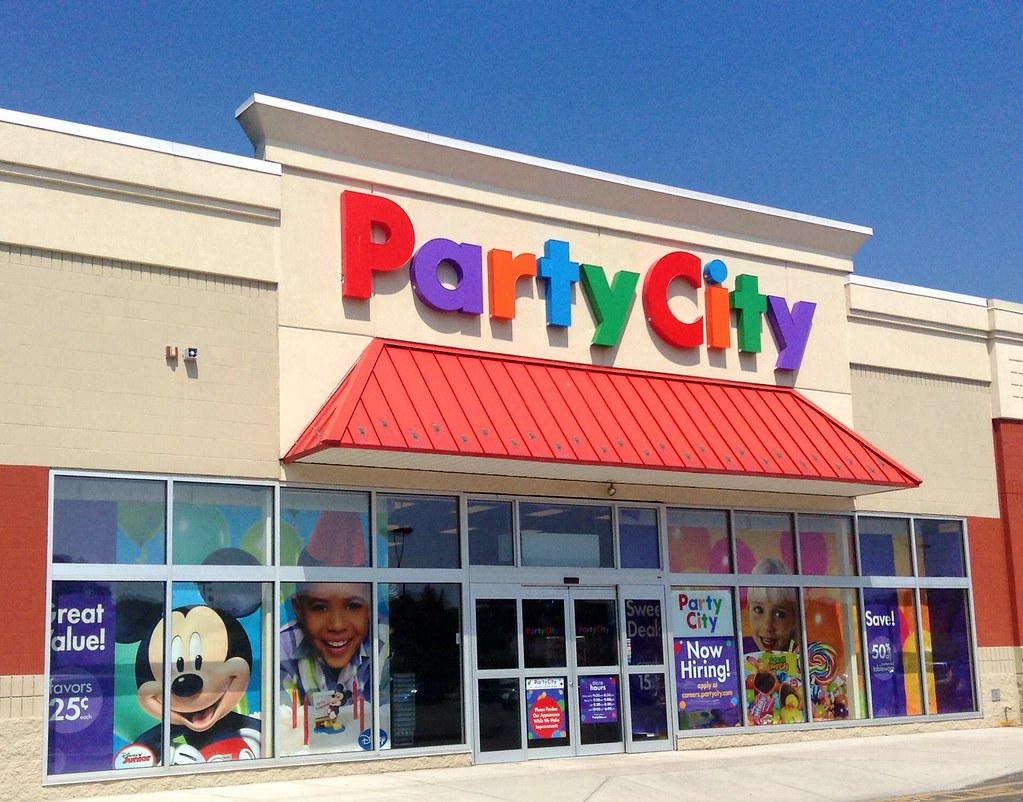
Party City’s roughly 700 store wind down followed years of strain from heavy borrowing, inflation and competition from mass retailers and seasonal rivals. Its balloon business also took a hit during the helium shortage several years earlier, removing one of the chain’s most recognizable draws.
Even after an earlier bankruptcy process, the company still struggled to regain momentum. By early 2025, the brand that had anchored birthdays, graduations and school events for nearly 40 years was closing out its remaining stores.
3. Starbucks used closures as part of a broader reset
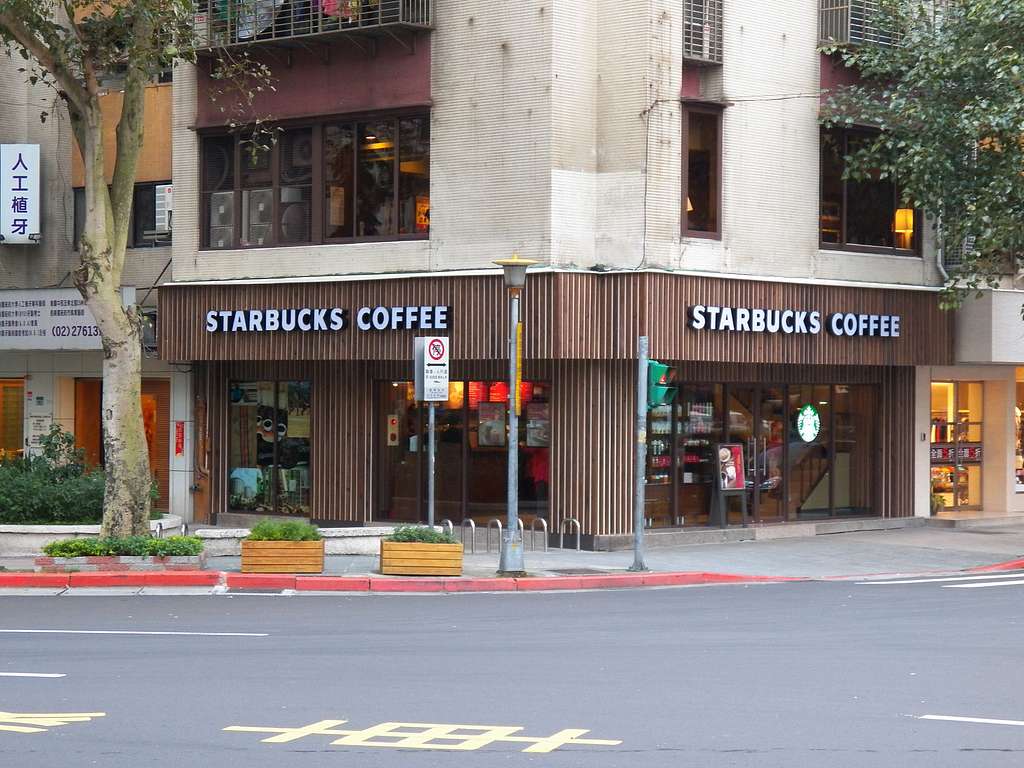
Starbucks said it closed 627 stores during a restructuring effort, with most of those reductions concentrated in North America. The company said affected stores included locations where it had been “unable to create the physical environment” customers and workers expected or where it did not see a path to financial performance.
This was not framed as a retreat from brick and mortar coffeehouses altogether. The company also signaled continued investment in remodels and store upgrades, showing how some national chains are shrinking selectively rather than stepping away from expansion entirely.
4. Big Lots showed how hard the discount space has become
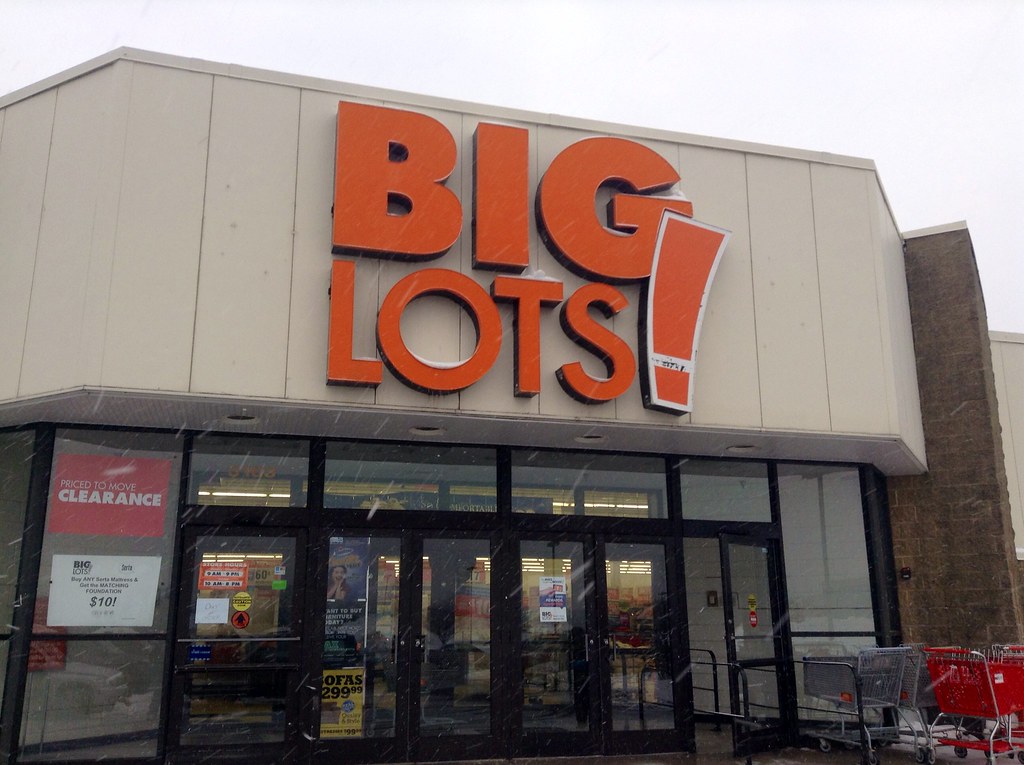
Big Lots moved to sell leases for at least 480 stores, while only part of its footprint continued under the brand through new ownership arrangements. The chain’s problems reflected a difficult reality for mid tier discount retailers caught between rising operating costs and stronger low price competitors.
In this part of the market, low prices alone have not been enough. Retailers also need sharper inventory systems, better merchandising and digital convenience that shoppers now treat as basic.
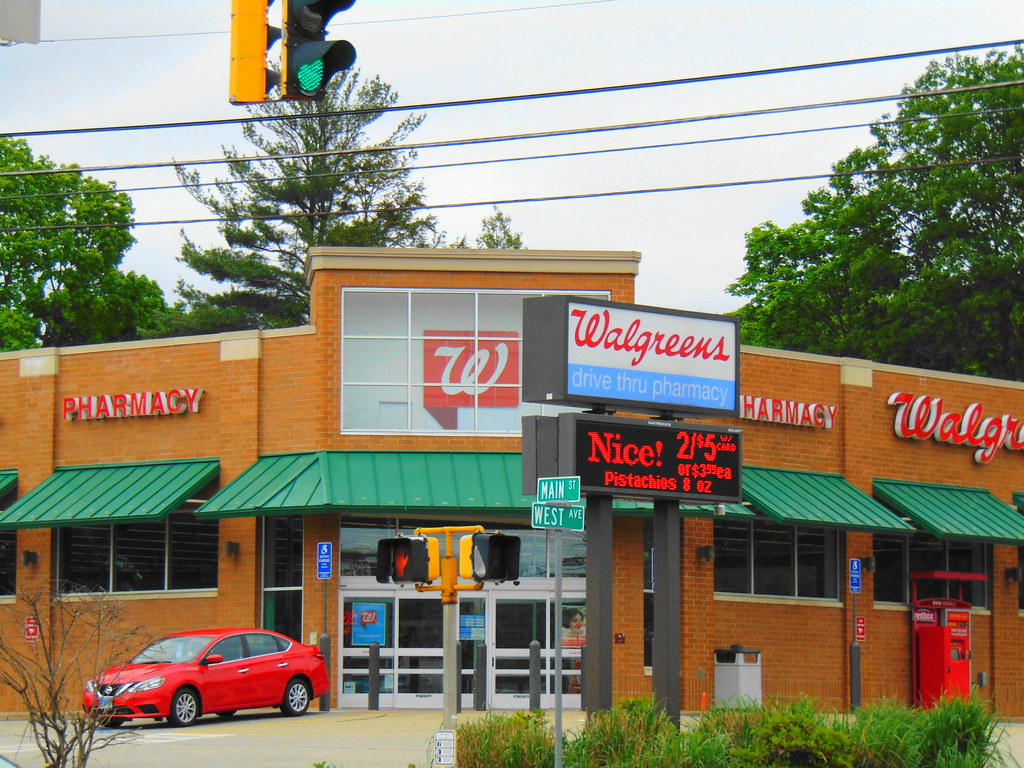
5. Walgreens kept trimming a pharmacy network under pressure
Walgreens remained on track to close about 450 locations by the end of 2025 as part of a longer effort to streamline its store base. Pharmacy chains have been dealing with tighter margins, online prescription competition and the need to invest in health services that extend beyond the front of the store. It was a practical shift. Large footprints built for an earlier era are being reevaluated location by location.
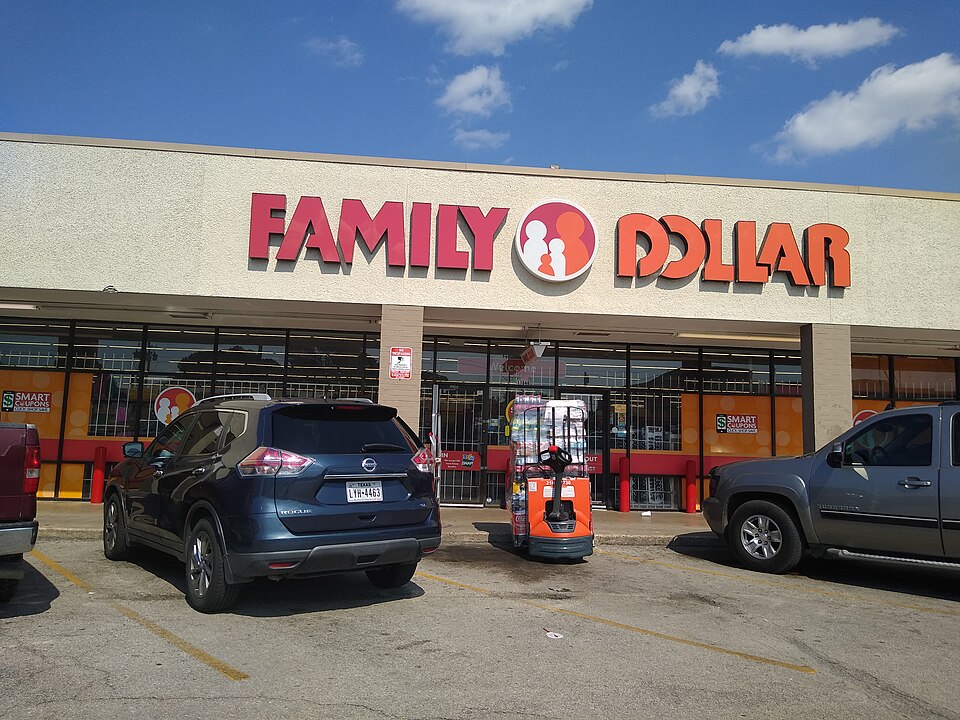
6. Family Dollar kept losing ground inside its own parent company
Dollar Tree planned to close 370 Family Dollar stores as leases expired, continuing a broader pullback after hundreds of closures the previous year. The move reflected a preference for formats with stronger margins and cleaner long term economics.
Family Dollar has faced persistent criticism over store conditions and competitive positioning. In a value-driven environment, shoppers still compare convenience, product mix and store experience, not just the name on the sign.
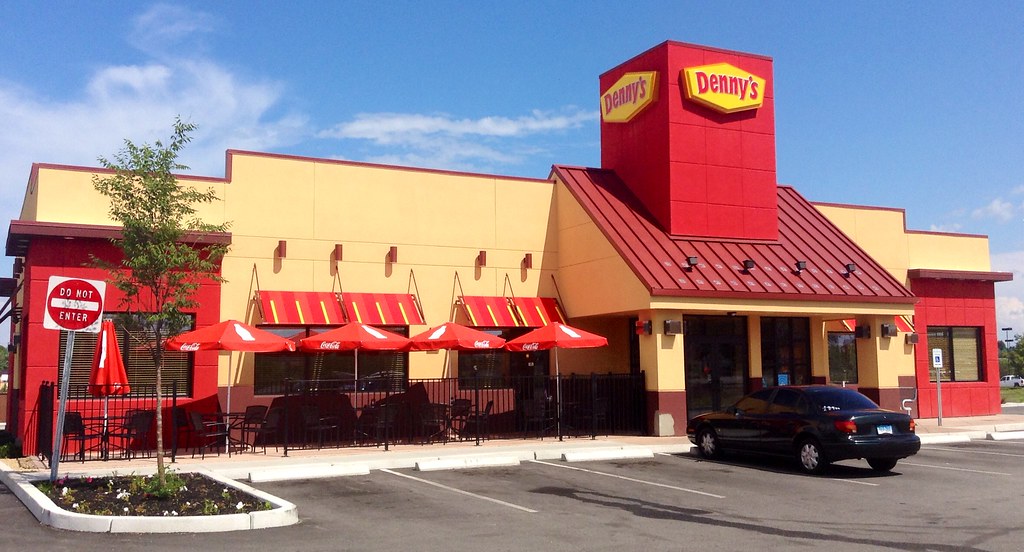
7. Denny’s cut restaurants while trying to refresh the brand
Denny’s said it would close 150 restaurants by the end of 2025, and by early 2025 it had already closed 88 locations from the prior year, according to its reported brand health plan. The company tied the move to efforts aimed at improving profitability and sharpening the brand’s position.
Casual dining has been under pressure from labor costs, delivery habits and fast casual competition. For older chains, closing weaker units has become one of the fastest ways to redirect resources.
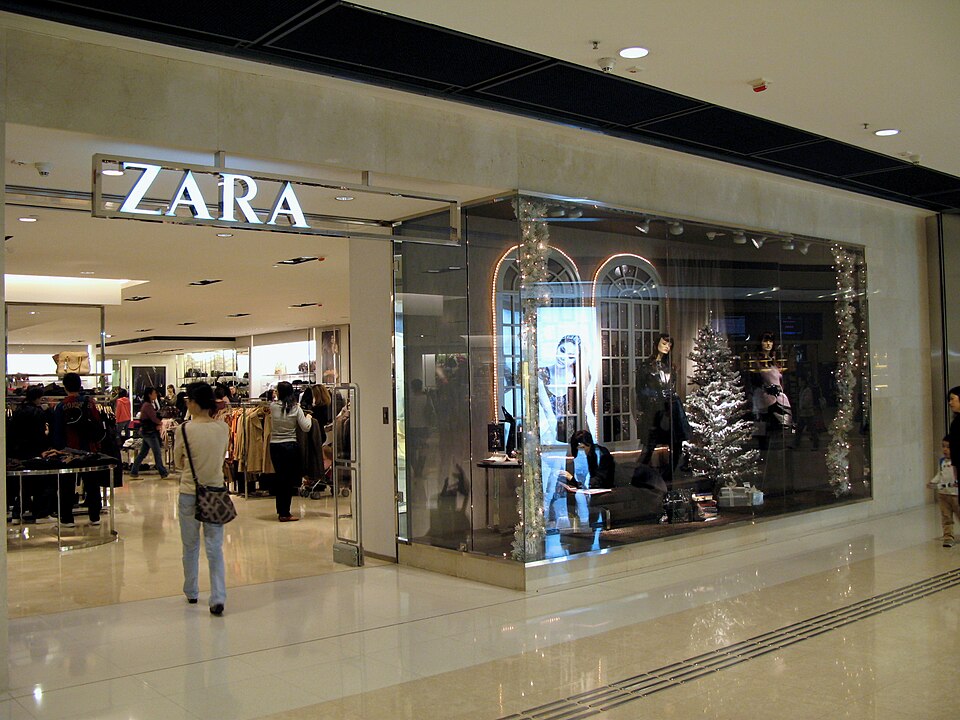
8. Inditex reduced stores while leaning harder into flagship strategy
Inditex, the parent company of Zara and other fashion labels, reported 132 fewer stores year over year. That included reductions across Zara, Zara Home, Massimo Dutti, Oysho, Pull&Bear and Stradivarius, while some other brands in its portfolio still expanded.
The numbers pointed to a deliberate portfolio adjustment rather than a broad collapse. Global apparel groups have increasingly favored fewer, stronger locations paired with tighter online offline integration.

9. Carter’s responded to new buying habits among parents
Carter’s said it planned to close about 100 stores in fiscal 2025 and 2026 as part of a larger three-year plan affecting 150 locations. The company also said it would reduce its office-based workforce by 15%, or 300 positions.
Children’s apparel has been heavily affected by e-commerce, big-box competition and changing shopping routines. Parents who once made dedicated mall trips now often fold those purchases into broader online orders or discount-store visits.
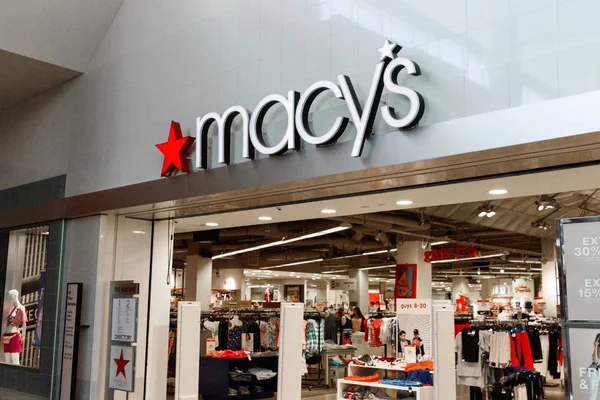
10. Macy’s kept shrinking the traditional department store map
Macy’s identified 66 stores across 22 states for closure as part of a larger plan to shutter 150 locations by 2026. The department-store model has been under long term strain as mall traffic changes and shoppers split spending among off-price chains, specialty stores and online platforms.
The company has been putting more emphasis on smaller formats and digital connections. Even so, the closures underscored how much the old anchor store formula has weakened in many markets.
The companies on this list were not all facing the same problem, but the pattern was consistent. Large physical footprints have become harder to justify when debt is high, customer loyalty is weaker and stores are expected to function as part of a seamless digital experience rather than as stand-alone outlets.
More than 4,100 closures across major chains did not just mark a difficult year. They highlighted a retail and restaurant landscape where scale matters less than adaptability.

