
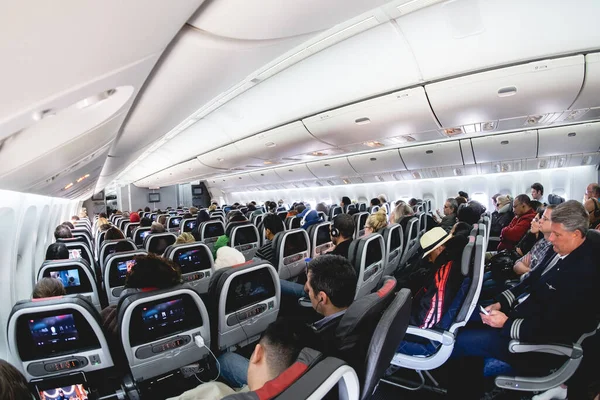
Air travel asks strangers to share a very small space for a few hours and act as though it feels normal. That is exactly why minor habits can feel much bigger once the cabin doors close.
Modern economy seating is tighter than many travelers remember. Seat pitch in economy has shrunk from about 35 inches to around 30 inches, and some layouts are even tighter. In that environment, the most considerate passengers are usually the ones who notice how their choices affect everyone around them.
1. Reclining the seat without checking behind
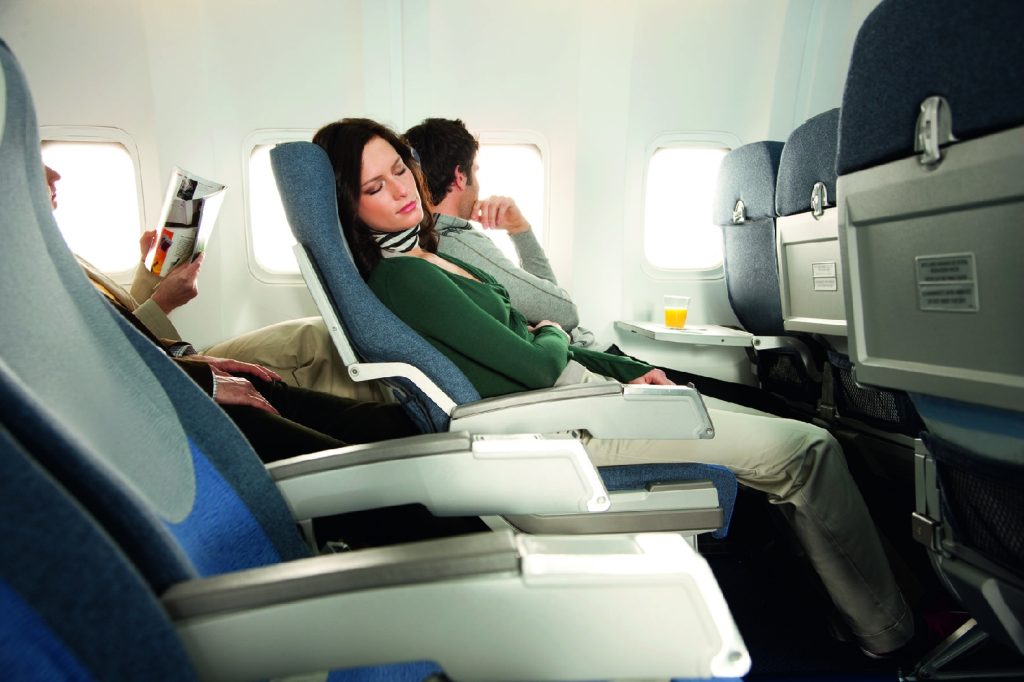
This remains one of the fastest ways to frustrate the person in the next row. A sudden recline can pin knees, jolt a tray table, interrupt a meal, or make a laptop hard to use. Several etiquette guides agree on the same basic rule: reclining may be allowed, but doing it abruptly is what creates tension. A slower, more thoughtful approach makes a difference. Looking back first, waiting until meal service is over, and easing the seat down instead of dropping it backward helps preserve a little peace in a cramped cabin.
2. Treating the armrests like private property
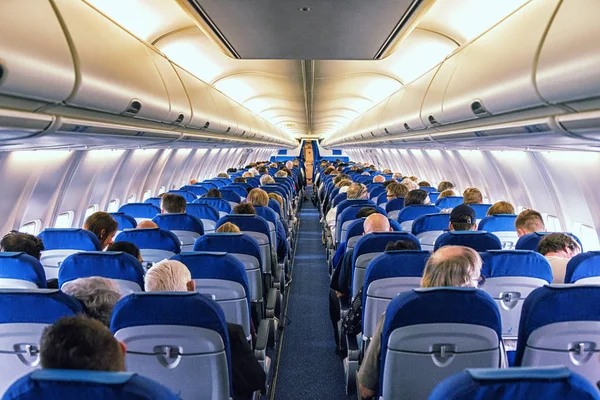
Armrests create quiet territorial disputes on almost every full flight. The widely accepted courtesy rule gives the middle seat passenger first claim because that traveler has neither a window to lean toward nor aisle access for extra breathing room. When aisle or window passengers spread across both sides, the middle seat becomes even more uncomfortable than it already is. It is a small gesture, but sharing that space usually prevents a long, silent standoff.
3. Going barefoot or letting feet wander
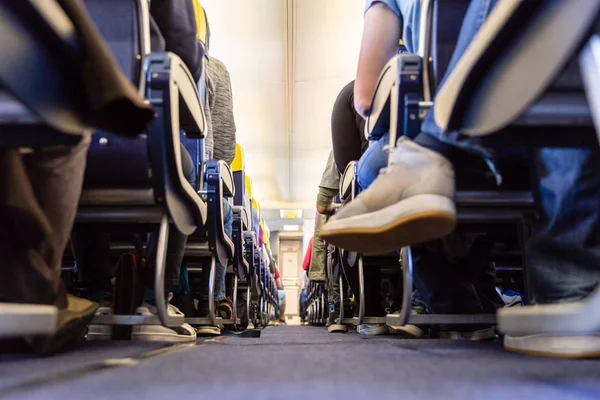
Shoes may feel restrictive on a long trip, but bare feet are a common source of complaints. Clean socks are one thing. Bare feet on the cabin floor, the seat wall, or an armrest are something else entirely. The discomfort is not only social. Airplane floors are not known for their pristine cleanliness, especially near lavatories and high-traffic areas. Keeping feet covered and contained avoids hygiene issues and spares nearby passengers an unpleasant surprise.
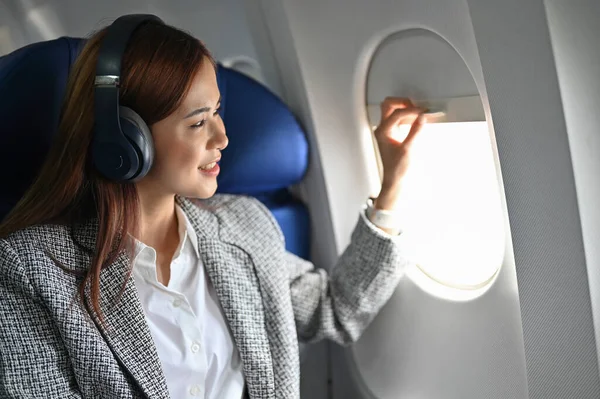
4. Playing audio out loud
A plane is not a living room, and a seat row is not a private media zone. Music, videos, games, and speakerphone-style audio force everyone nearby to listen, whether they want to or not. This habit shows up repeatedly in traveler complaints because it cuts through the background engine noise and adds one more layer of stress to a space where many people are trying to rest. Headphones solve the problem immediately. So does using a lower speaking volume during conversations.
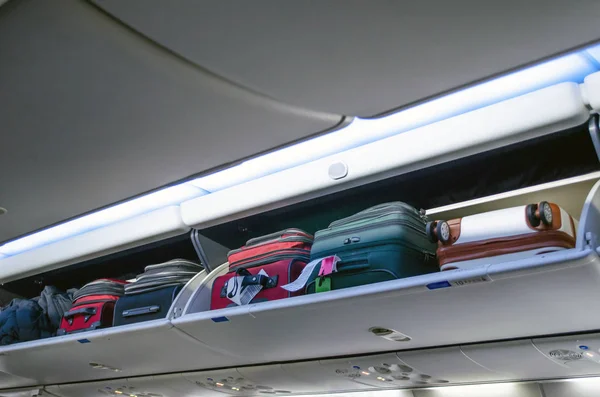
5. Blocking the aisle or slowing boarding with poor bag habits
Boarding works best when people move with purpose, stash what they need, and sit down. Trouble starts when a passenger stops in the aisle to reorganize belongings, wrestles with an oversized bag, or fills the overhead bin with small personal items that could fit under the seat. That delay affects dozens of people behind them. According to multiple etiquette sources, the smoothest approach is simple: keep essentials in hand, place the largest carry-on overhead, and leave smaller items below. One overloaded bin can slow an entire section of the cabin.
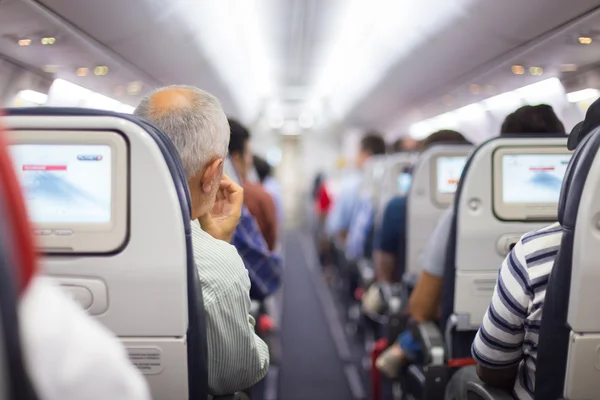
6. Ignoring the rhythm of the row
Window, middle, and aisle seats come with different obligations. A window passenger who asks to get out repeatedly during meal service creates extra disruption. An aisle passenger who only half-stands or refuses to move makes things awkward for everyone. A middle passenger who sprawls into both neighbors’ space turns a tight row into a negotiation. Good etiquette on a plane is often less about strict rules than timing. Using the restroom before boarding when possible, standing fully to let others pass, and staying inside one’s own seat area all help the row function more smoothly.
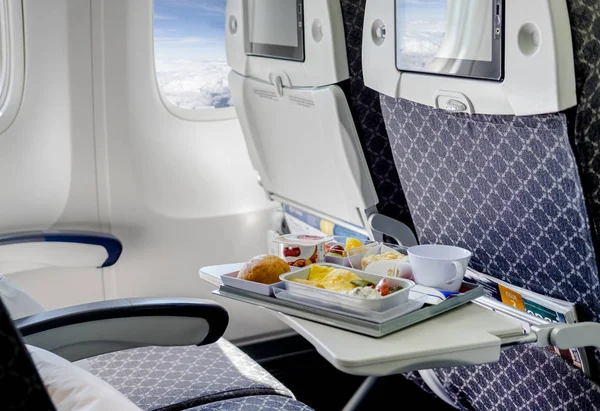
7. Bringing strong-smelling food into a sealed cabin
Even a favorite snack can become a problem at cruising altitude. Strong odors linger in a cabin where nobody can step away, open a window, or escape to another room. This is not a minor issue to many travelers. In an Expedia etiquette study cited by Medical Economics, 56% of respondents said pungent smells such as aromatic foods were a major annoyance. Neutral snacks tend to travel better than anything heavy on garlic, fish, or other lingering scents.
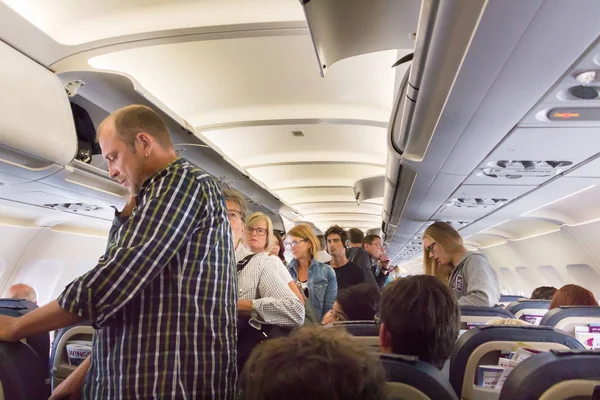
8. Standing up too early after landing
The rush to leave often starts before the aircraft has properly stopped at the gate. That habit annoys fellow passengers because it crowds the aisle, blocks others from retrieving their bags, and creates unnecessary jostling at the end of a flight.
It is also a safety issue. Travelers in discussion forums and etiquette roundups repeatedly point to one simple standard: stay seated until it is actually time to move. Patience for a few extra minutes usually makes deplaning faster and calmer for the whole cabin.
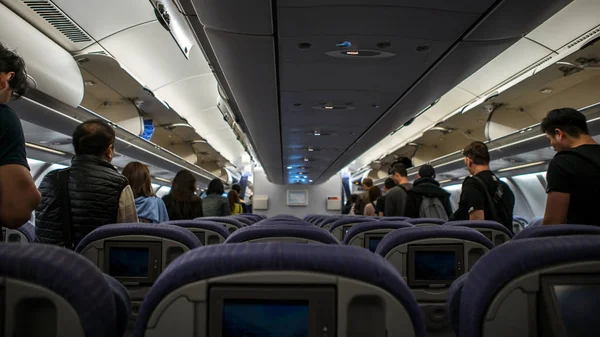
Most airplane etiquette is not complicated. It comes down to managing noise, space, movement, and smell in a place where everyone has less of all four. The passengers who leave the best impression are rarely the ones with perfect routines. They are the ones who notice they are sharing a cabin with hundreds of other people and behave accordingly.

