
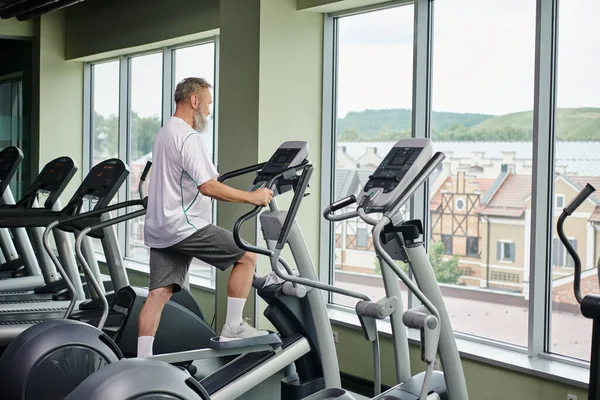
High energy in the sixth decade rarely comes from a single trick. It usually reflects a repeatable mix of movement, food, sleep, and recovery that keeps the body strong enough to do ordinary things without feeling drained by them.
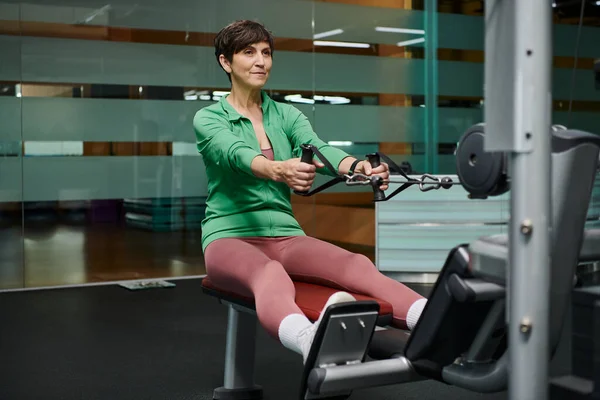
That pattern shows up consistently in healthy aging research. Experts studying longevity, mobility, and older-adult fitness continue to point to the same fundamentals: enough protein, regular activity, steady hydration, strong sleep habits, and routines that protect both muscle and balance.

1. Start the day with water
One of the simplest habits tied to better daily energy is drinking water early instead of waiting for thirst to kick in. Morning hydration helps counter overnight fluid loss, and it can make a difference in focus, digestion, and the sluggish feeling that often gets mistaken for fatigue. That matters more with age because dehydration becomes easier to miss. Harvard Health points to a study of more than 11,000 adults showing that people who stay well hydrated appear to be healthier and develop fewer chronic conditions. In practical terms, that makes water less of a wellness extra and more of a daily baseline.

2. Eat protein at every meal
Older adults need food that supports strength, not just fullness. Protein helps preserve muscle, and muscle is closely tied to stamina, mobility, and the ability to stay active without wearing down quickly. Stanford Medicine notes that healthy older adults benefit from about 1.0 to 1.3 grams of protein per kilogram of body weight daily. The same guidance explains that a 150-pound person may need roughly 68 to 88 grams per day, spread across meals. Greek yogurt, eggs, fish, tofu, cottage cheese, and beans all fit the pattern. Pairing protein with vegetables, whole grains, and healthy fats tends to support more stable energy than meals built around refined carbs alone.

3. Do strength work several times a week
Energy is strongly connected to physical capacity. When muscles are stronger, ordinary tasks demand less effort. That is one reason resistance training keeps coming up in aging research. UCLA Health explains that muscle mass starts declining by as much as 8% per decade after age 30, with the decline speeding up after 60. Strength training helps protect muscle function, supports bone density, and improves the kind of day-to-day movements that often determine whether a person feels capable or depleted. Bodyweight squats, sit-to-stands, resistance bands, wall pushups, and light dumbbell work can all serve the same purpose when done consistently.
4. Add a small dose of balance training
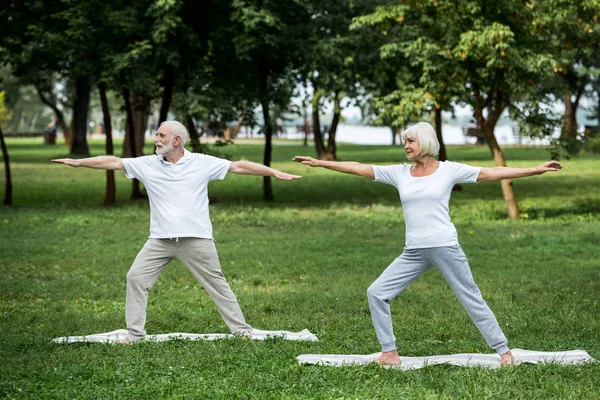
Balance work does not look dramatic, but it has outsized value. It sharpens body awareness, supports confidence in movement, and reduces the small hesitations that can make people move less over time. Stanford specialists recommend simple drills such as single-leg stands and corner stands, especially in the 60s and 70s. One study they cite found that adults ages 51 to 75 who could stand on one leg for 10 seconds had an improved mortality rate. The habit is easy to attach to an existing routine, including while brushing teeth or standing at the kitchen counter.

5. Get outside and move early
Morning movement does two jobs at once: it wakes up the body and helps anchor circadian rhythm. Even a brisk walk, a few minutes of mobility work, or light stretching in daylight can increase alertness without turning the morning into a full training session. Research summarized by Real Simple highlights 20 to 30 minutes of light in the morning as a useful cue for the body clock. Separate reporting on longevity routines also notes that regular morning habits can support circadian rhythm, which influences hormone production, metabolism, and the sleep-wake cycle. The result is often better daytime energy because the body is working on a steadier schedule.

6. Protect sleep with consistency
High energy is difficult to build on top of irregular sleep. Sleep does not just affect alertness the next morning; it also influences recovery, appetite, memory, mood, and training capacity. Harvard Health recommends seven to nine hours a night for adults, while sleep-focused experts cited by GQ emphasize regularity as a major factor in feeling refreshed. Going to bed and waking at roughly the same time each day tends to do more for steady energy than trying to “catch up” with uneven sleep patterns. It is a quiet habit, but it supports almost every other one on this list.

7. Stay socially and mentally engaged
Energy is not purely physical. Mental sharpness and emotional steadiness also influence whether a day feels productive or draining. Stanford experts connect social connection with better cognitive function and memory, and Harvard Health points to a large study of 28,000 people linking more frequent social activity with longer survival. Conversations, volunteering, reading, classes, journaling, and learning new skills all create useful mental demand. That kind of engagement can help prevent the low-motivation drift that often gets described as low energy.

These habits work best as a system, not as isolated checkboxes. Hydration supports workouts, protein supports recovery, sleep supports both, and social connection makes routines easier to maintain. For adults in their 60s, the real goal is not constant intensity. It is consistent capacity: enough strength, focus, and stamina to move through the day without feeling like every task takes too much out of the body.

