
Some television characters become larger than the plotlines built around them. Even after a series keeps going, a revival arrives, or a replacement character steps in, those original roles still feel inseparable from the identity of the show.
That became especially clear in the cases below, where an actor’s death forced writers to make difficult creative decisions. In each instance, the character did not simply exit the screen; the role continued to shape how audiences remembered the series itself.

1. Finn Hudson, Glee
Finn Hudson was more than the quarterback who joined the glee club. He was one of the emotional centers of Glee, a bridge between the show’s outsider spirit and its pop-star ambition. After Cory Monteith died in 2013 at age 31, the series addressed the loss in season five’s tribute episode without revealing how Finn died.
That choice kept the focus on grief rather than explanation. The show’s choir room memorial and the continuing references to Finn made the character feel permanently present, even as the series moved on with new storylines.
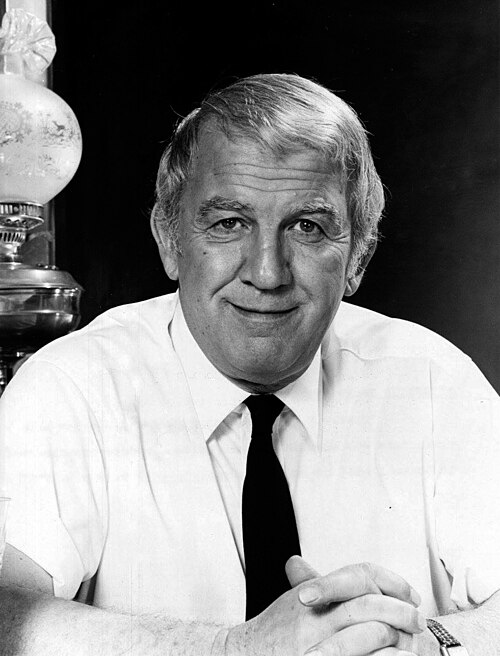
2. Ernie “Coach” Pantusso, Cheers
Before Woody Boyd arrived, Coach was the warm, slightly bewildered soul of Cheers. Nicholas Colasanto’s performance gave the Boston bar much of its early tenderness, and his death in 1985 led the show to acknowledge that Coach had also died.
The series survived, and Woody Harrelson became a major part of its success, but Coach still remained foundational to the show’s identity. Cheers was a workplace comedy, but with Coach behind the bar, it also felt like a family room.
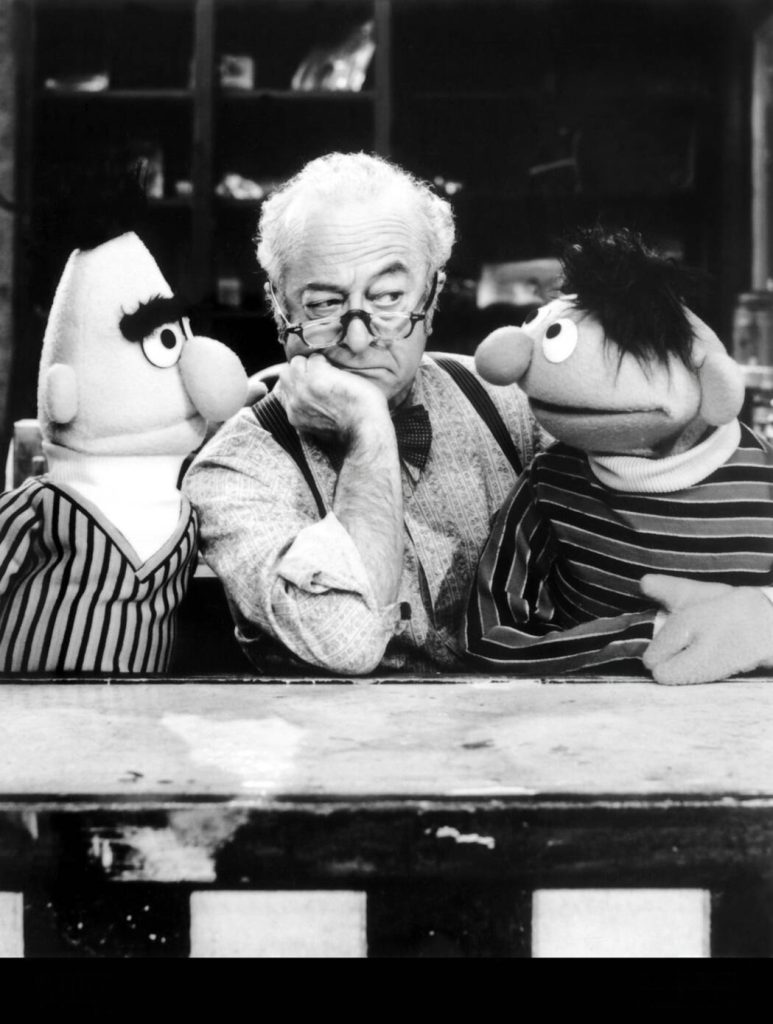
3. Mr. Hooper, Sesame Street
Mr. Hooper’s role in television history extends beyond being the owner of Hooper’s Store. After Will Lee died in 1982, Sesame Street chose not to recast the part or quietly write him away. Instead, the show created “Farewell, Mr. Hooper” as a direct lesson about grief for children.
That episode became one of the clearest examples of how children’s television could address death honestly and gently. Mr. Hooper did not just define the early years of Sesame Street; his absence helped define the show’s educational mission.
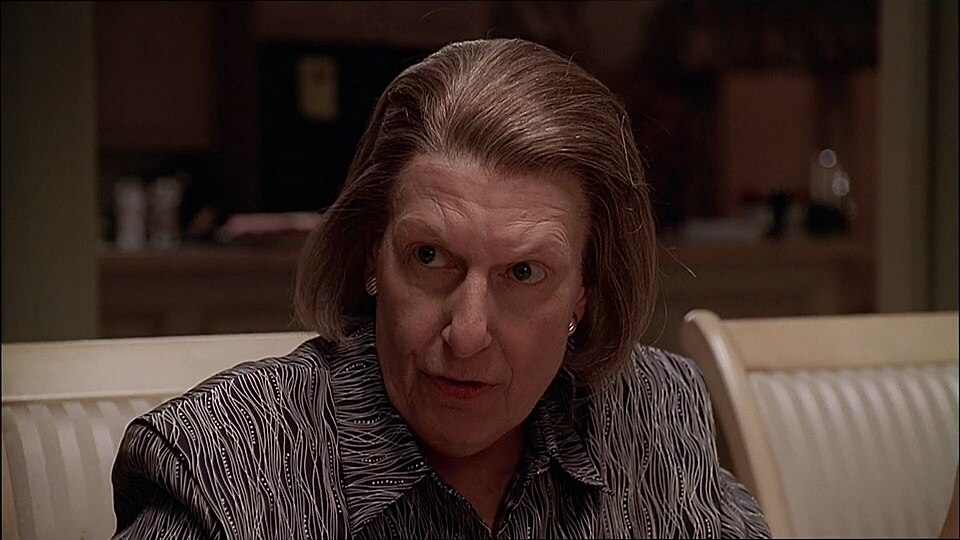
4. Livia Soprano, The Sopranos
Livia Soprano was one of the most unsettling parental figures on television, and Nancy Marchand made her impossible to ignore. Her death in 2000 forced The Sopranos to abandon a planned storyline and write Livia’s death into the series after one final scene assembled with existing footage and CGI.
Even with a relatively short run, Livia’s shadow hung over the show. Tony’s resentment, guilt, and emotional damage all traced back to her, which left the character embedded in the DNA of the drama long after she was gone.
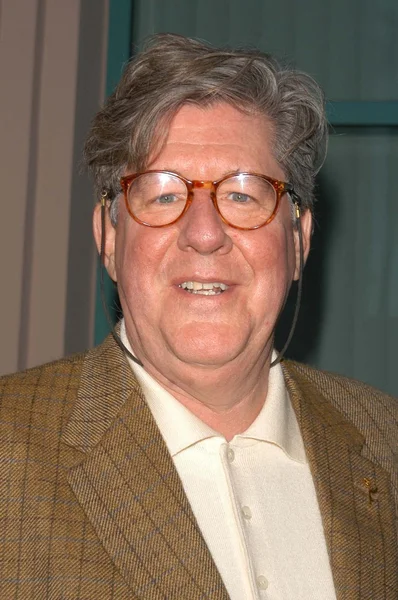
5. Richard Gilmore, Gilmore Girls
Edward Herrmann’s Richard Gilmore gave Gilmore Girls much of its old-world authority, dry wit, and family tension. When Herrmann died in 2014, the revival Gilmore Girls: A Year in the Life made Richard’s death a pivotal part of its story.
That decision reflected how central he was. Richard was not background prestige in the Gilmore household; he was one half of the grandparent force that shaped Lorelai and Rory’s world. His absence became the engine for the revival’s emotional reset.
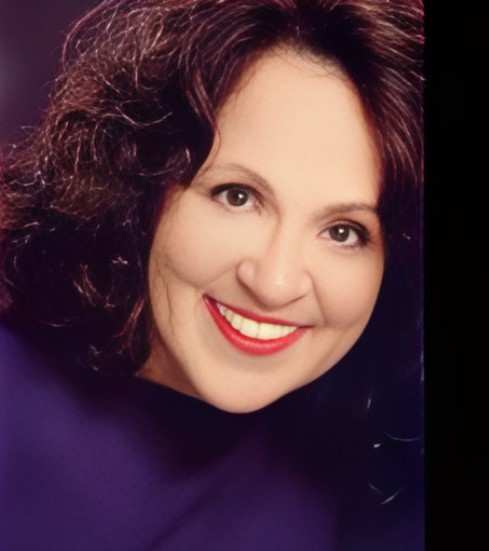
6. Debbie Wolowitz, The Big Bang Theory
Mrs. Wolowitz was almost never seen, yet she became one of the most recognizable comic presences on The Big Bang Theory. Carol Ann Susi’s voice work made Howard’s mother unforgettable, and after her death in 2014, the show said the character died in her sleep while visiting family in Florida.
It was a rare reminder that a sitcom side character can be essential without regular screen time. Debbie’s voice was part of the show’s rhythm, and losing it changed the emotional texture of Howard’s story in a lasting way.
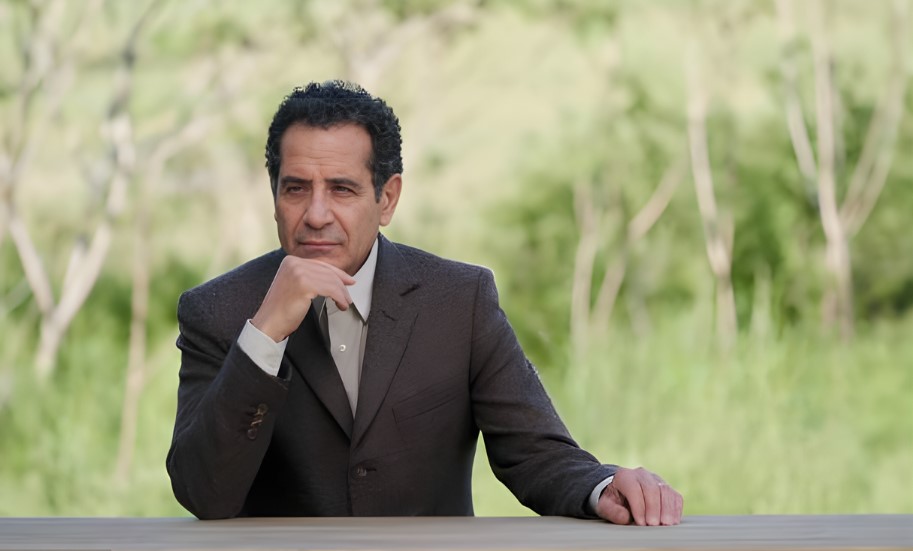
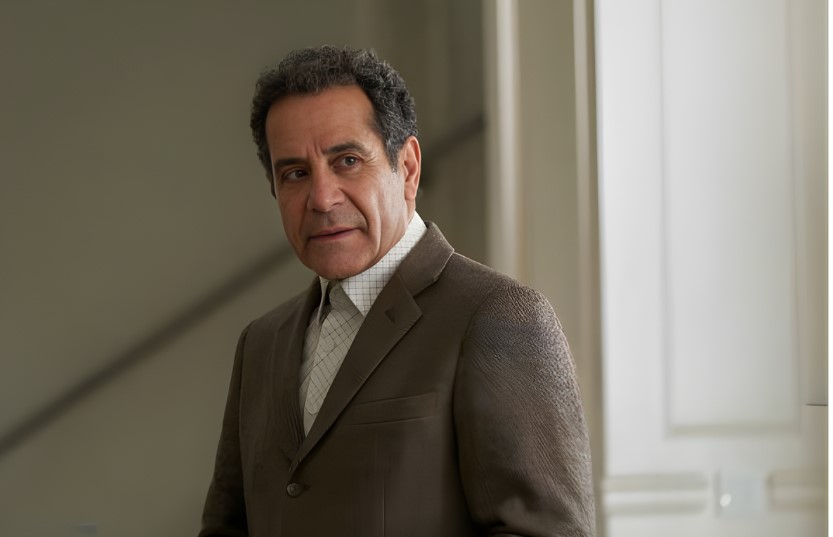
7. Dr. David Kroger, Monk
On a series built around eccentricity and anxiety, Dr. Kroger functioned as calm. Stanley Kamel’s psychiatrist was Adrian Monk’s anchor, and after the actor died of a heart attack in 2008, the series gave the character the same fate and introduced Dr. Neven Bell as a successor.
That transition mattered because it highlighted what Kroger had been all along: the stabilizing force in a deeply fragile world. Monk remained a detective show, but Dr. Kroger helped make it an emotional portrait as well.
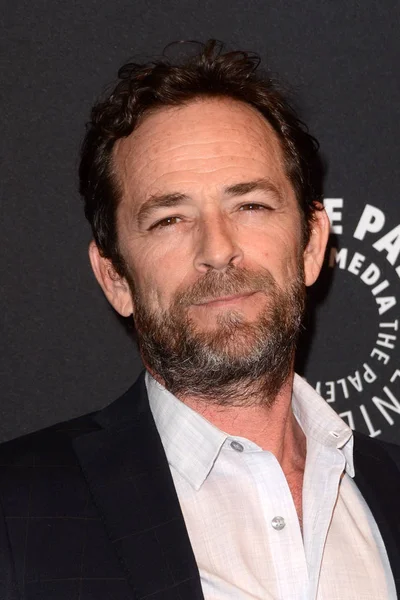
8. Fred Andrews, Riverdale
In a show known for heightened twists, Fred Andrews represented steadiness. Luke Perry’s performance gave Archie’s father a grounded decency that balanced the series’ more extreme turns. After Perry died in 2019, the season four tribute revealed Fred had died after being struck by a car while helping a stranded motorist.
That ending matched the character’s role in the show: moral compass, protector, and emotional anchor. Few adults on teen dramas feel as central as Fred Andrews did.
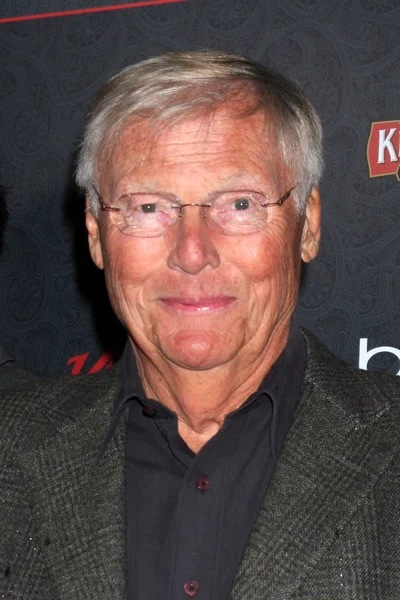
9. Mayor Adam West, Family Guy
Mayor Adam West was one of the strangest and most durable recurring figures in Family Guy. Voiced by Adam West as an exaggerated version of himself, the character embodied the show’s delight in absurdity. After West died in 2017, the series continued briefly using recorded material before fully paying tribute.
The role still stands as one of the show’s signature comedic inventions. In a series crowded with outrageous personalities, Mayor West remained uniquely tied to Family Guy’s identity.
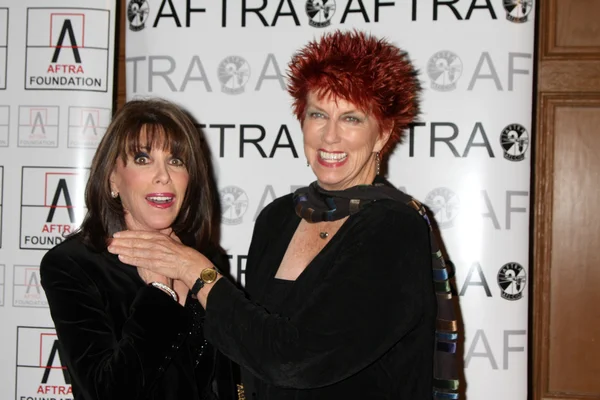
10. Edna Krabappel, The Simpsons
Edna Krabappel brought adult weariness, sarcasm, and surprising warmth to Springfield Elementary. Marcia Wallace’s performance made Bart’s teacher one of the series’ most memorable supporting characters. After Wallace died in 2013, the show initially treated Edna as retired before later revisiting her memory, including a 2021 tribute using archival audio.
That slow farewell reflected how deeply woven Edna was into the world of the series. She was not only a teacher in Springfield; she was one of the voices that gave the town its grown-up edge. Television history is full of characters who were written out after a performer died, but only some remain inseparable from the show itself.
These roles did not fade into continuity. They stayed at the center of how the series is remembered. In many cases, the character’s final storyline became part of the show’s legacy, while the performance behind it remained the reason audiences still return.

