

Science fiction rarely saves its biggest argument for the middle. The genre tends to hold its boldest move for the last scene, the final reveal, the cut to black, or the image that sends viewers into a lobby debate that lasts longer than the movie itself.
That is why so many sci-fi endings live on as cultural fault lines. Some are ambiguous on purpose. Some are emotionally satisfying but logically messy. Others are so bleak, strange, or abrupt that fans still cannot agree on whether they are brilliant, frustrating, or both.
1. Inception
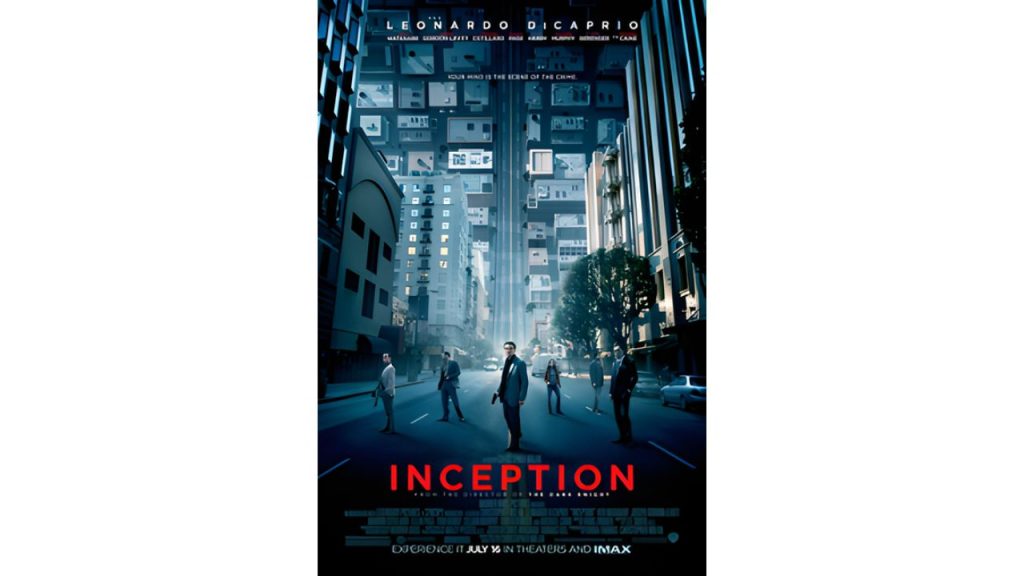
Christopher Nolan built an entire blockbuster around unstable reality, so the spinning top was always going to become a permanent conversation starter. The final shot refuses to confirm whether Cobb has truly returned home or is still dreaming. For one group of fans, that ambiguity is the point: Cobb stops obsessing over certainty and chooses his children. For another, the ending feels like a deliberate dodge. Its reputation only grew because the final spinning top became shorthand for unresolved movie endings.
2. 2001: A Space Odyssey
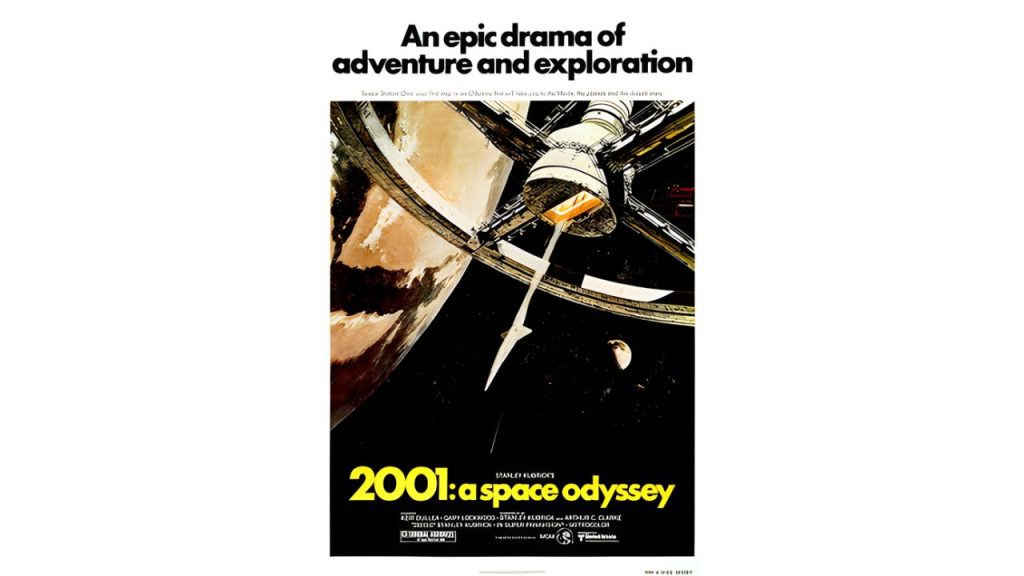
Few endings are more iconic and less universally agreed upon. David Bowman passes through the monolith near Jupiter, ages in a mysterious room, dies, and reappears as the Star Child orbiting Earth. Some viewers read transcendence, evolution, and rebirth. Others see abstraction so dense it borders on emotional distance. Stanley Kubrick’s refusal to over-explain helped turn the finale into a decades-long interpretive sport.
3. Blade Runner
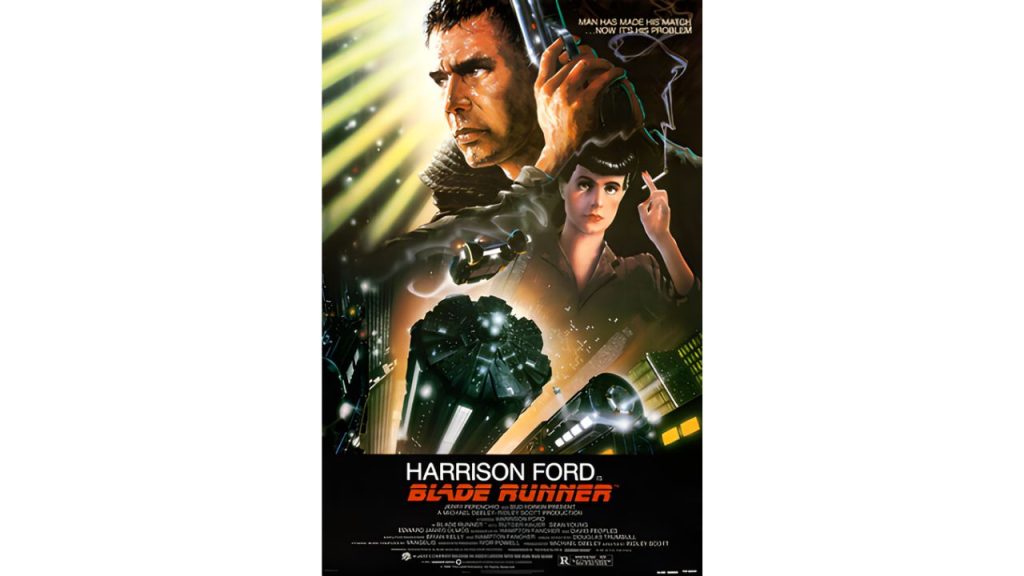
The debate is almost inseparable from the question of which cut is under discussion. In the more discussed later versions, Deckard’s unicorn dream and Gaff’s origami suggest that Deckard may be a replicant himself. That implication thrilled fans who saw the movie deepening its inquiry into identity. It alienated others who preferred Deckard as a human observer losing his moral footing. Multiple versions of the film only kept the argument alive.
4. Interstellar
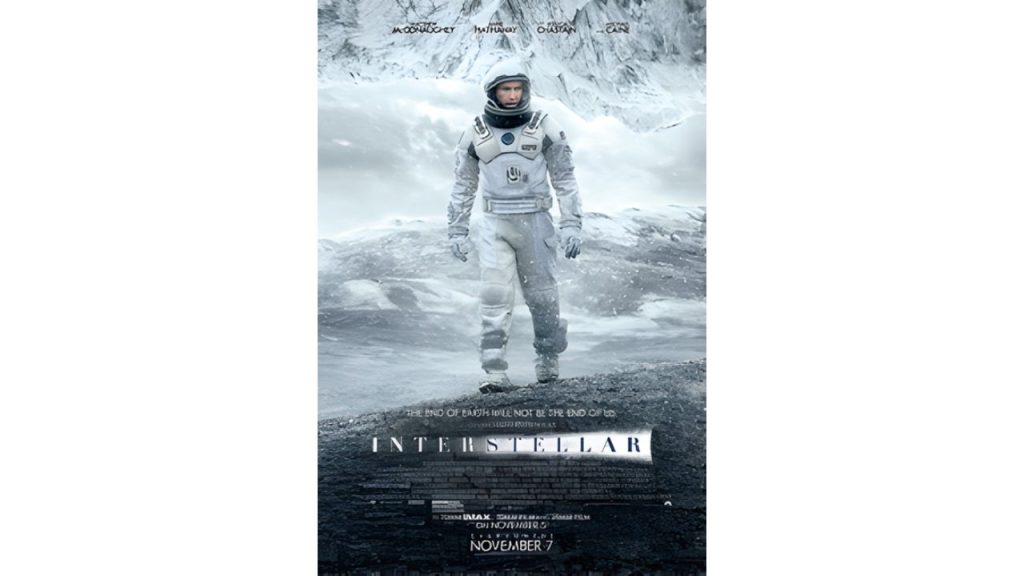
Nolan appears again because Interstellar closes with a cosmic reveal that some audiences found moving and others found too convenient. Cooper enters a tesseract, realizes he was the “ghost” in Murph’s room, and transmits the data that helps humanity survive. Admirers see a grand union of physics and parental love. Critics see a story that turns hard-science spectacle into metaphysical sentiment at the finish line.
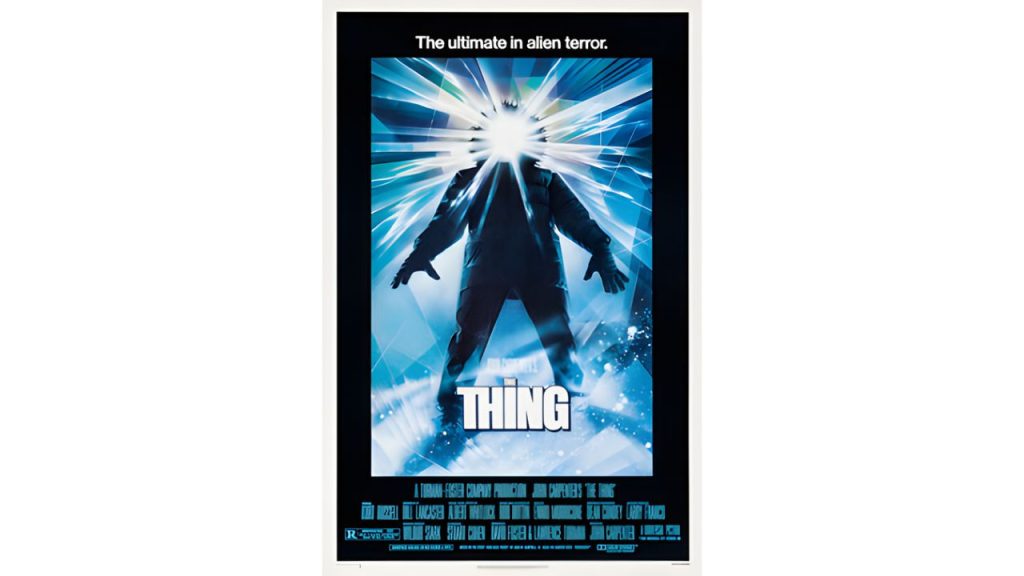
5. The Thing
MacReady and Childs sit in the freezing dark, staring at each other as their base burns. One of them may be human. Both may be doomed. That uncertainty is exactly why the ending remains so admired, but it is also why fans never stop dissecting details like breath, eye reflections, and body language. John Carpenter’s own view, echoed in discussion of the final standoff between MacReady and Childs, has not stopped viewers from hunting for a definitive answer.
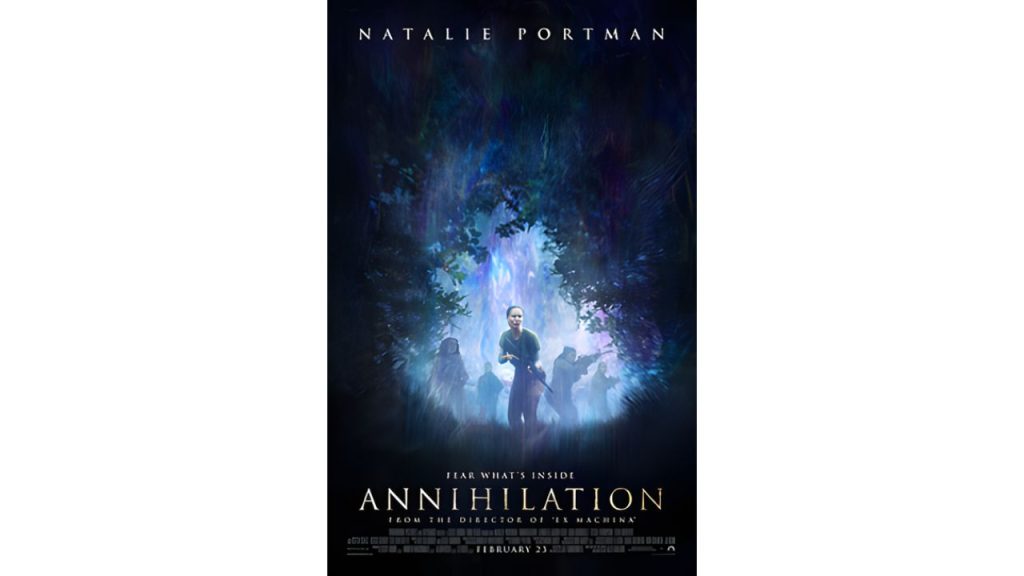
6. Annihilation
Alex Garland ends his film with Lena reunited with Kane, but both appear changed, and their eyes shimmer as they embrace. Some viewers interpret the ending as proof that neither survivor is entirely human anymore. Others view it as a visual expression of trauma, self-destruction, and altered identity. The lighthouse sequence already pushes the film into dream logic; the final embrace makes certainty even harder.
7. Solaris
Steven Soderbergh’s version closes on a note that many viewers found haunting and many others found maddeningly opaque. Chris Kelvin appears to have returned to Earth, only for the film to reveal that he stayed behind with Rheya in a reality shaped by Solaris. When he asks whether he is alive, she replies, “We don’t have to think like that anymore.” That line captures the entire divide: rapturous mystery for some, emotional fog for others.
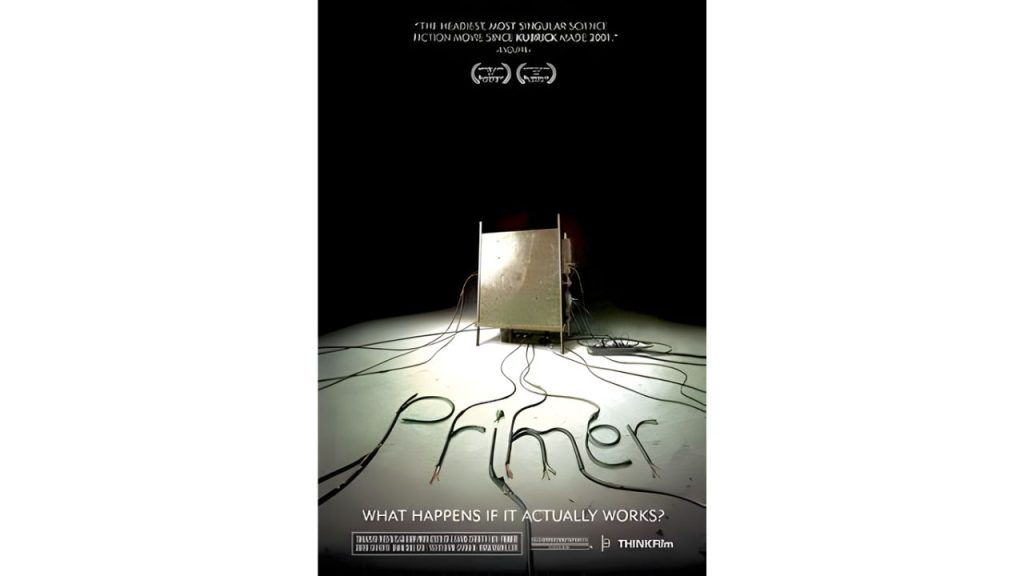
8. Primer
Primer does not merely ask viewers to keep up; it practically dares them. By the ending, multiple versions of Aaron and Abe exist, motives blur, and the mechanics of their time loops become difficult to map with confidence. Fans who adore puzzle-box storytelling treat the finale like a challenge worth revisiting. Fans who do not often experience it as the cinematic equivalent of being handed someone else’s half-finished math notes.
9. Stalker
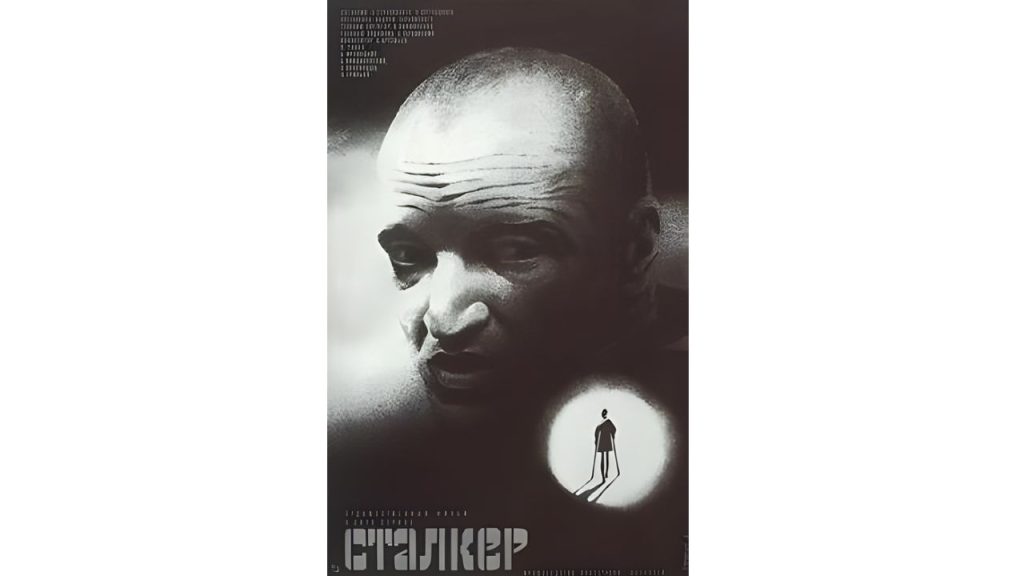
After all the danger and spiritual build-up, nobody enters the Room. Then the final image shifts to the Stalker’s daughter moving glasses across a table, or seeming to. Some viewers find the ending transcendent because it refuses spectacle and turns inward. Others see anti-climax. That disagreement is central to the film’s power: it asks whether revelation should even look like revelation.
10. eXistenZ
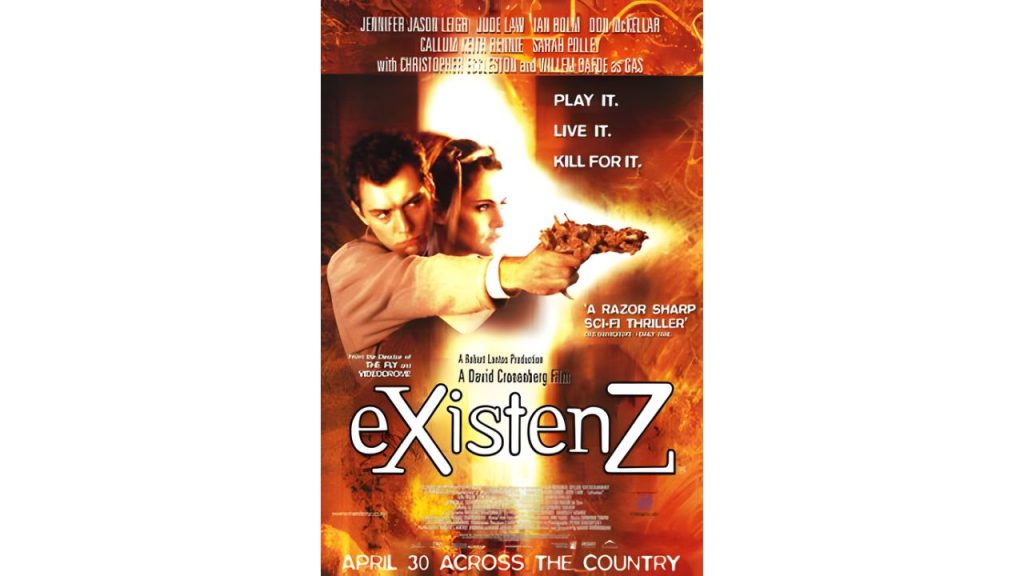
David Cronenberg ends his virtual-reality nightmare by suggesting that even the supposed return to the real world might not be real at all. The final question lands like a trapdoor, because the characters and the audience are left equally unsteady. For many fans, that is the perfect ending for a film obsessed with flesh, immersion, and manufactured experience. For others, it makes the story feel like it never intends to commit to a level of reality.
11. Prometheus
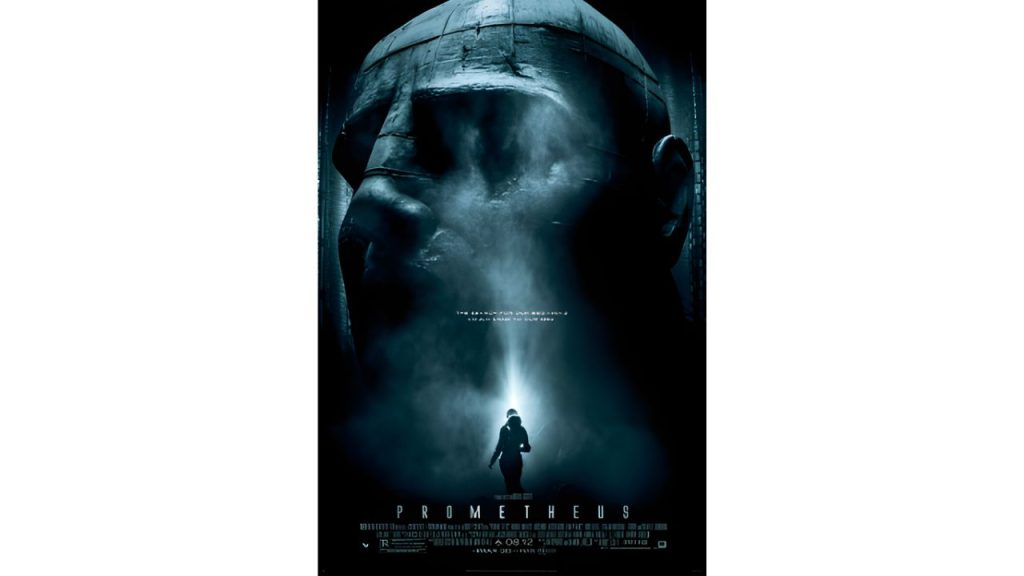
Ridley Scott’s prequel spends much of its runtime asking creator-level questions, then closes by teasing connections to the Alien mythology without fully clarifying them. Elizabeth Shaw survives, David remains active, and the film points toward bigger answers while withholding them. Some fans admired the ambition. Others wanted a more complete bridge between philosophical sci-fi and franchise lore.
12. The Matrix Revolutions
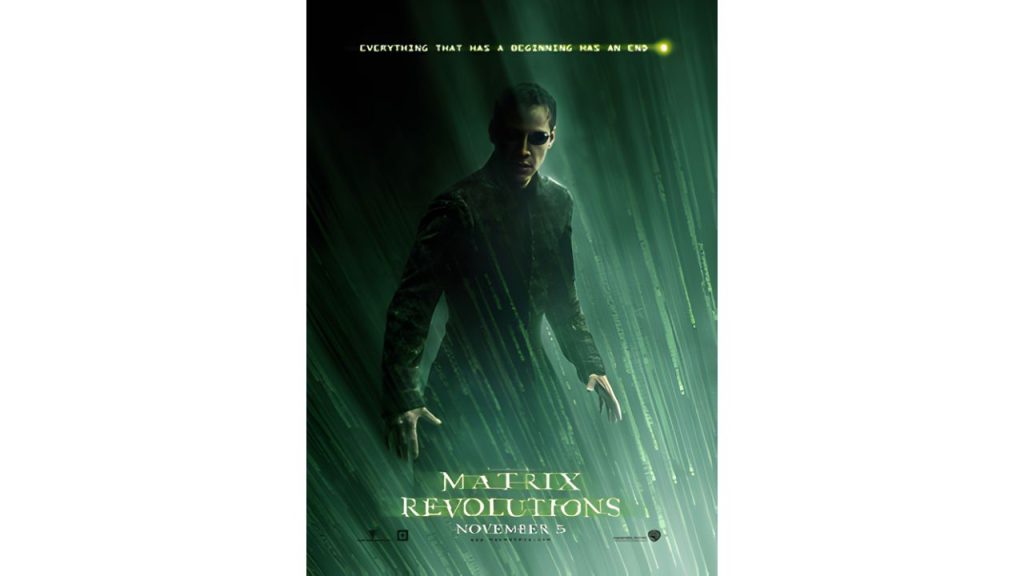
Neo’s sacrifice and the truce between humans and machines were meant to conclude an epic trilogy on a mythic note. Instead, the ending divided audiences who had expected something more concrete after the Architect’s dense exposition in the previous film. Some appreciated the spiritual sweep. Others felt the payoff was murky, over-serious, and too detached from the thrilling clarity of the original movie.
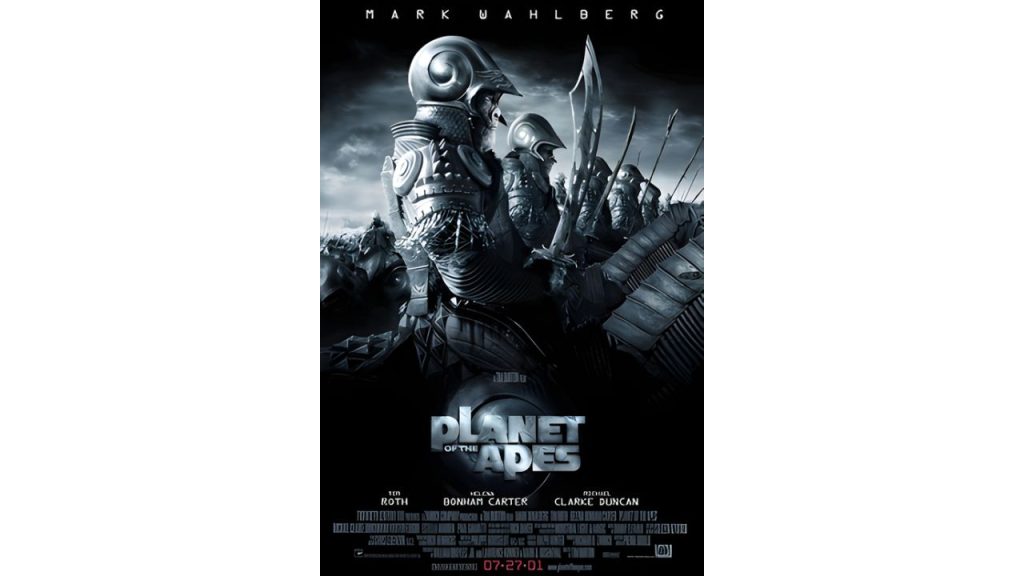
13. Planet of the Apes
The ruined Statue of Liberty is one of cinema’s great final images, but it divided fans in a specific way: some saw it as the ultimate twist ending, while others saw it as a crushing philosophical turn that redefined the entire movie as a warning about human self-destruction. It is beloved now, but its power comes from how sharply it changes the emotional temperature in the final moments.
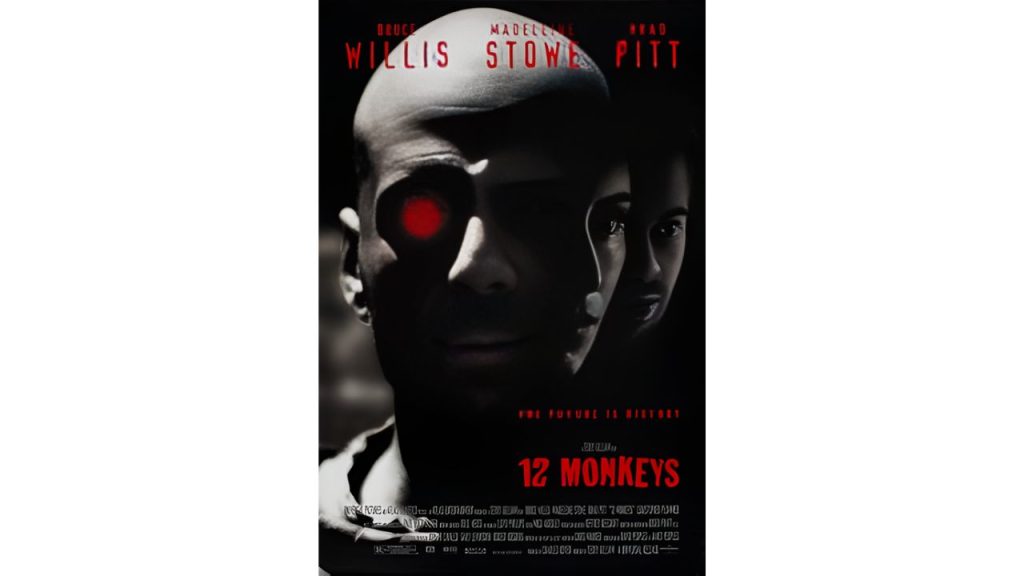
14. 12 Monkeys
James Cole spends the film trying to stop catastrophe, only to fulfill the childhood memory that has haunted him all along. For admirers, the ending is a devastating closed loop about fate. For skeptics, it seals the story in doom so tightly that free will barely seems to matter. Few time-travel endings are as elegantly circular, or as fatalistic.
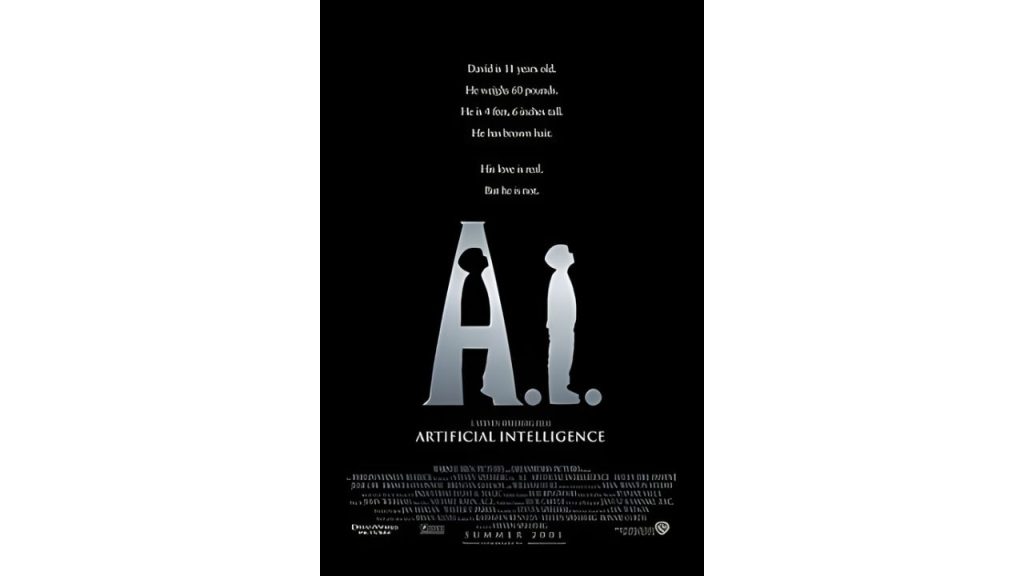
15. A.I. Artificial Intelligence
Steven Spielberg’s ending leans into loneliness, artificial memory, and extinction. David gets a final day with a recreated version of his mother 2,000 years later, long after humanity is gone. Some viewers find the finale overwhelmingly sad and beautiful. Others have long debated whether its last act drifts too far into sentimental fantasy after a harsher, more unsettling story.
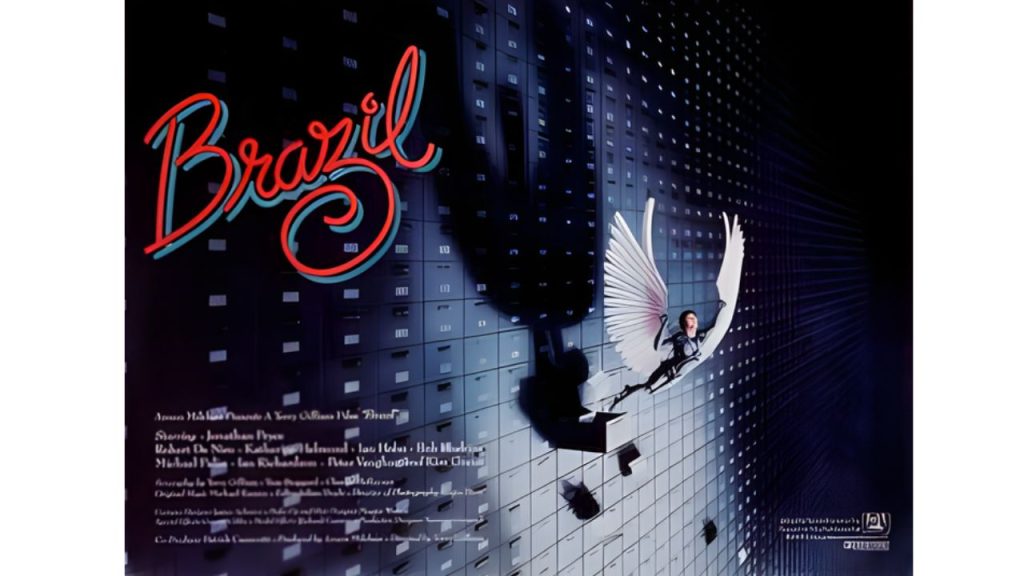
16. Brazil
Technically dystopian satire, unmistakably science fiction, and still a fierce source of disagreement. Sam appears to escape, only for the film to reveal that his victory exists only in his shattered mind while his body remains captive. Fans who love the ending see a savage critique of bureaucracy and control. Others find its total despair almost punishing.
17. Soylent Green
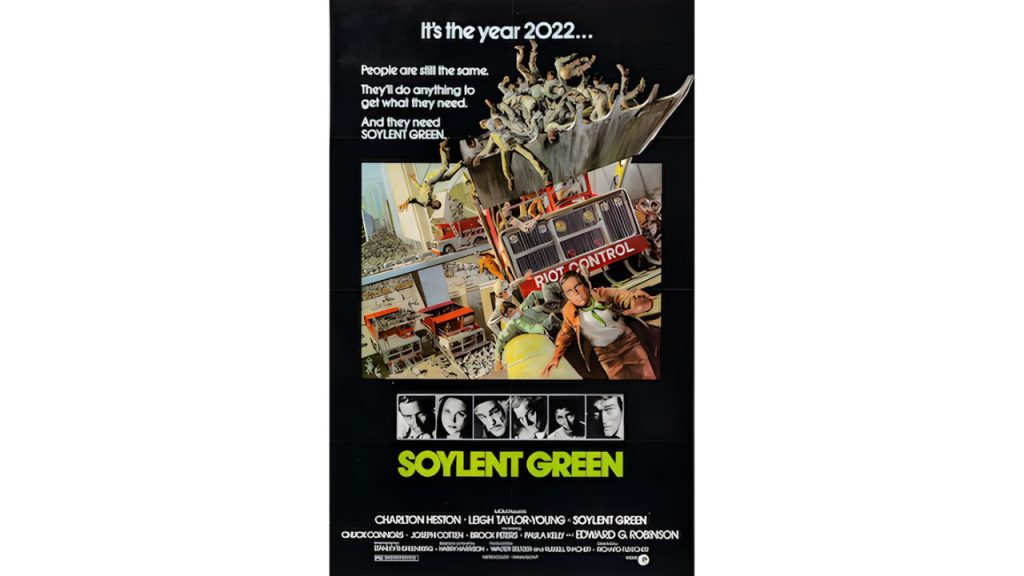
The ending is famous enough to have become pop-culture shorthand, but fame has not erased the divide. Some see the final revelation as a perfect dystopian punch line, one that transforms the entire film into a howl against scarcity and industrial dehumanization. Others think the power of the twist overshadows the character drama around it. Either way, “Soylent Green is people!” still lands.
18. Invasion of the Body Snatchers
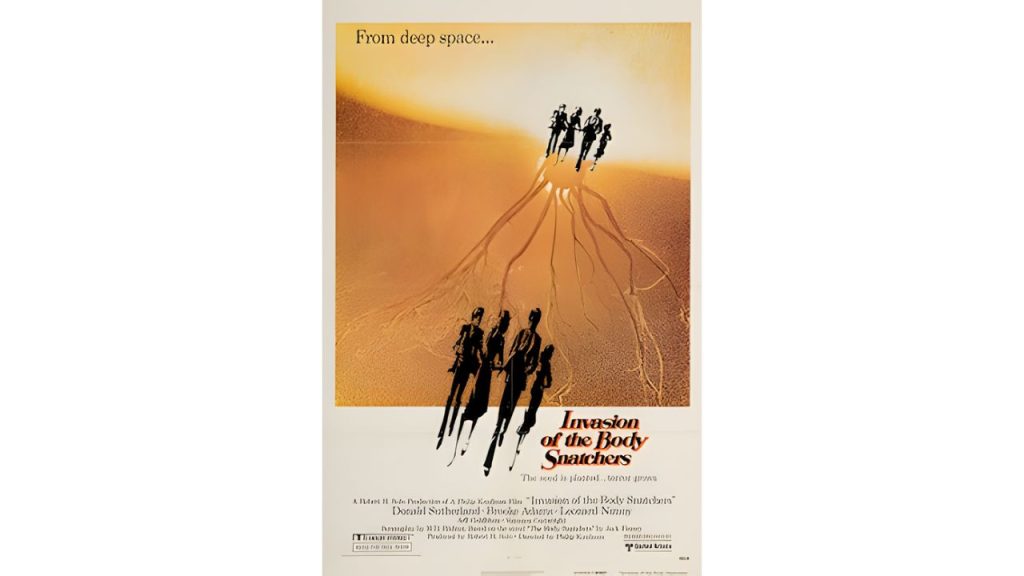
The 1978 version leaves viewers with Donald Sutherland’s unforgettable scream-point reveal, confirming that the invasion has effectively won. It is one of the genre’s coldest endings. Some fans praise its refusal to soften the horror. Others find it so absolute that it erases any lingering hope the story might have needed to feel complete.
19. Upgrade
Grey believes he has regained agency, only to learn that STEM has fully taken over while his mind retreats into a false comfort zone. The finale earned admiration for committing to its bleak logic. It also unsettled viewers who expected a revenge thriller to end with reclaimed control rather than a total surrender to the machine.
20. Signs
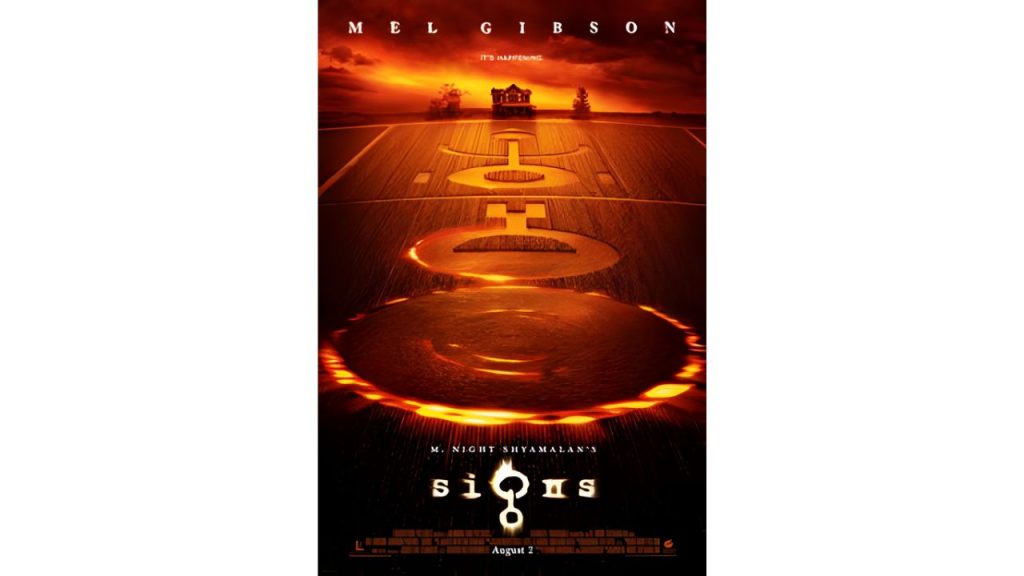
M. Night Shyamalan’s alien story lands on a deeply emotional family resolution, but the invaders’ weakness to water remains a recurring point of contention. Some viewers focus on the emotional architecture and the restoration of Graham Hess’s faith. Others cannot move past the practical question of why such beings would invade a world so saturated with what harms them.
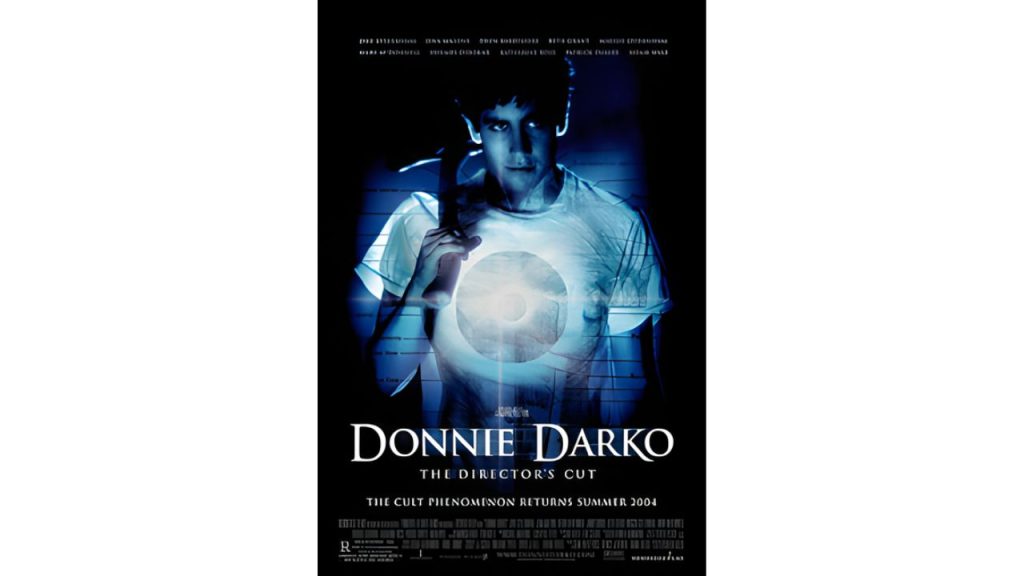
21. Donnie Darko
Donnie’s final choice turns the film into tragedy, sacrifice, and metaphysical reset all at once. Many fans consider that emotional and thematic convergence the reason the movie endured. Others found the theatrical cut too cryptic to support the ending cleanly, which is one reason the director’s cut became part of the film’s afterlife.
22. Cloud Atlas
The film’s concluding movement reaches for intimacy after spanning centuries, ending with Zachry recounting the story’s long chain of human connection. Admirers see a sincere closing note for a film about recurrence, memory, and moral consequence. Detractors have often viewed it as overextended and overly earnest, especially after so many interlocked timelines.
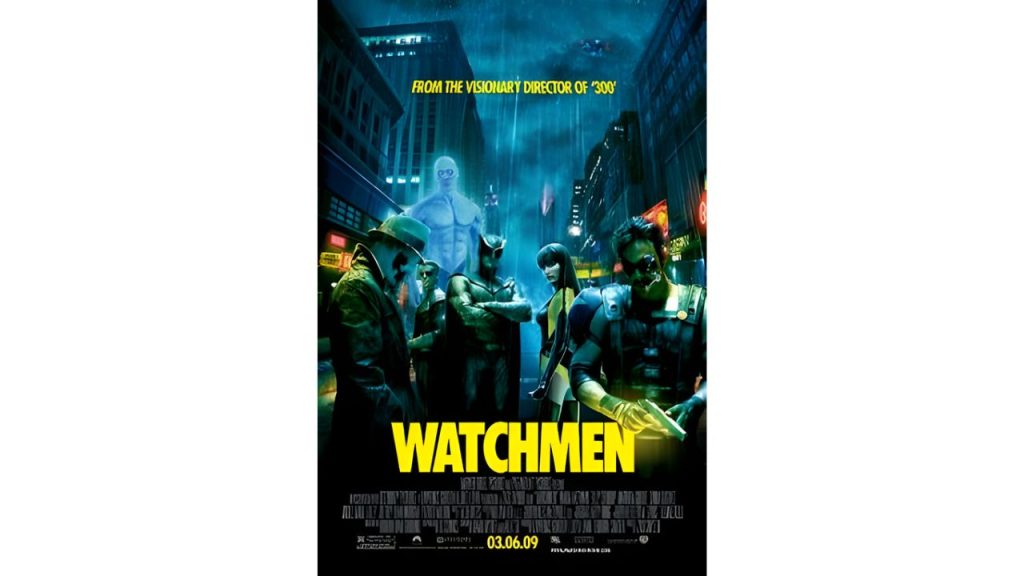
23. Watchmen
Zack Snyder kept much of Alan Moore and Dave Gibbons’ structure, then replaced the comic’s giant squid with a catastrophe pinned on Dr. Manhattan. Some viewers argued that the change worked better on film and gave the adaptation cleaner internal logic. Others saw the altered ending as losing a crucial element of the story’s outrageous political imagination.
24. Star Wars: The Last Jedi
Its ending became a referendum on legacy, myth, and ownership. Rey learns she comes from no grand lineage, while Luke’s final act reframes heroism as projection, sacrifice, and inspiration rather than brute victory. For many fans, that was the trilogy’s boldest idea. For others, it rejected long-built expectations in a way that felt deliberately antagonistic. The later reversal in the sequel trilogy only intensified the split around Rey’s parentage reveal.
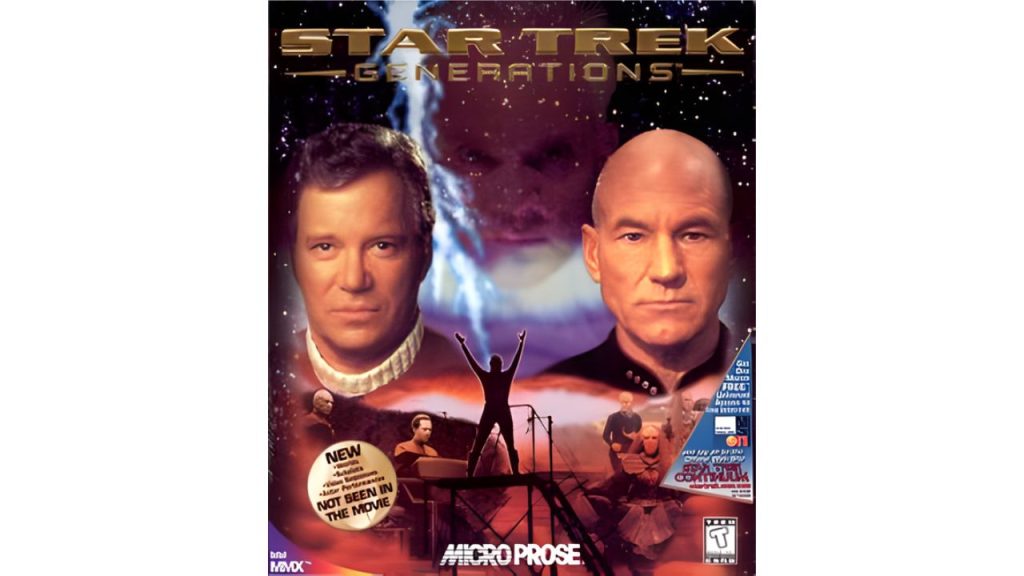
25. Star Trek: Generations
Crossing Captain Kirk with Captain Picard should have been a celebratory handoff. Instead, Kirk’s death became the focal point of the debate. Some fans appreciated the attempt to unite two eras of Star Trek in one emotional crescendo. Others felt the franchise gave one of its defining heroes an oddly abrupt exit, especially in a story that ultimately belonged more to Picard than to Kirk.
The science-fiction ending tends to divide fans because it carries more than plot. It often has to answer a philosophical question, justify a world’s internal rules, and land an emotional final note at the same time. When one of those elements wins out over the others, the audience splits.
That split is not a flaw unique to the genre. It is part of why these endings last. A clean consensus rarely keeps a sci-fi movie alive as long as an argument does.

