
Hollywood has long encouraged the idea that artistic talent and technical ability belong in separate worlds. The careers of several screen stars tell a different story.
Some actors arrived in entertainment after time in labs, lecture halls, and engineering programs. Others balanced serious academic work with auditions, filming schedules, and the unpredictable pace of show business. Their degrees do not define their careers, but they add a revealing layer to the public stories audiences thought they already knew.
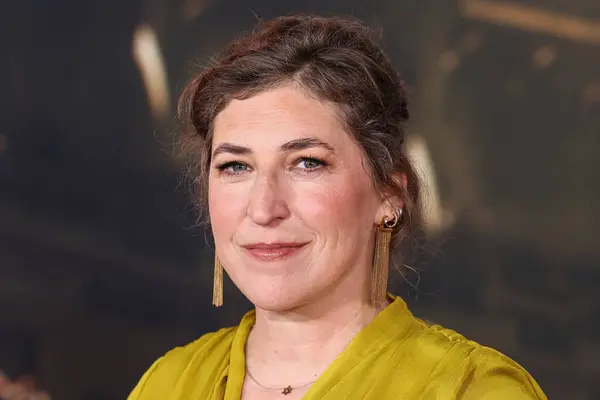
1. Mayim Bialik
Mayim Bialik built a second act in television after completing serious scientific training. She earned a PhD in neuroscience at UCLA, after also completing her undergraduate studies there.
That background made her later screen work especially notable, since she became widely recognized for playing scientist Amy Farrah Fowler on television. Long before that role, she had already been known for Blossom. Her academic credentials placed her in the rare group of performers with advanced scientific training rather than simple interest in the subject.

2. Lisa Kudrow
Lisa Kudrow is best known to many viewers as Phoebe Buffay from Friends, but her path before acting included formal science study. She earned a bachelor of science in biology from Vassar College and later worked with her father on research related to left-handedness and cluster headaches.
That detail adds an unexpected contrast to one of television’s most eccentric comic characters. Reference material notes that she spent years working on her father’s staff before her acting career took over, giving her résumé a genuine research chapter rather than a brief academic detour.
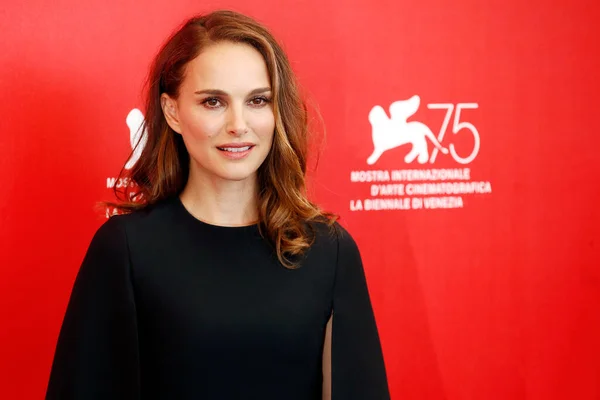
3. Natalie Portman
Natalie Portman became a global star at a young age, yet her education remained a parallel priority. While filming the Star Wars prequels, she completed a bachelor’s degree in psychology from Harvard University.
Her acting career spans prestige dramas, franchise films, and award-winning performances, but her academic record shows a sustained commitment to psychology during one of the busiest phases of her rise in Hollywood. That combination of elite university study and blockbuster fame remains unusual even among highly educated performers.
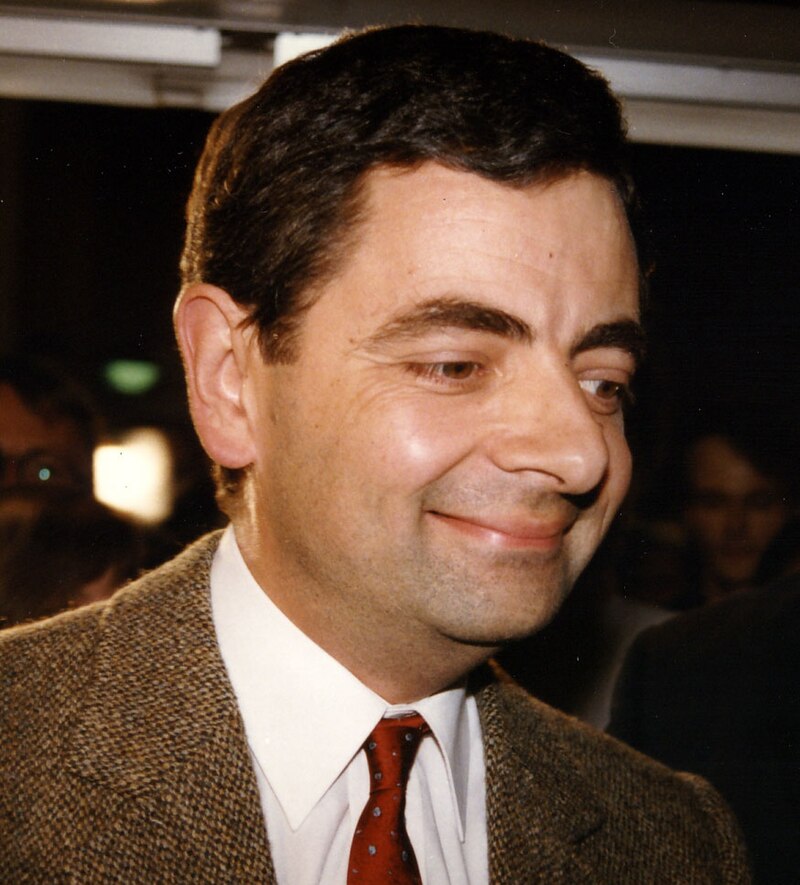
4. Rowan Atkinson
Rowan Atkinson’s physical comedy often overshadows how technical his academic background really is. Before becoming Mr. Bean and a major British screen comic, he completed engineering studies at Newcastle University and later earned a master’s degree in the same field at Oxford.
Sources differ on whether his undergraduate discipline is described as mechanical or electrical engineering, but they align on the larger point: Atkinson pursued advanced engineering education before fully committing to performance. His precision on screen has often invited attention, and his academic history helps explain that disciplined style.

5. Danica McKellar
Danica McKellar became famous as Winnie Cooper on The Wonder Years, then added a strong mathematics record to her public profile. She earned a bachelor of science in mathematics from UCLA with top honors, according to the reference material.

Her post-acting visibility also included writing books intended to encourage girls to engage with math. That makes her story stand out in a different way: the degree was not just a private accomplishment. It became part of a broader public identity connected to math education and confidence in STEM learning.
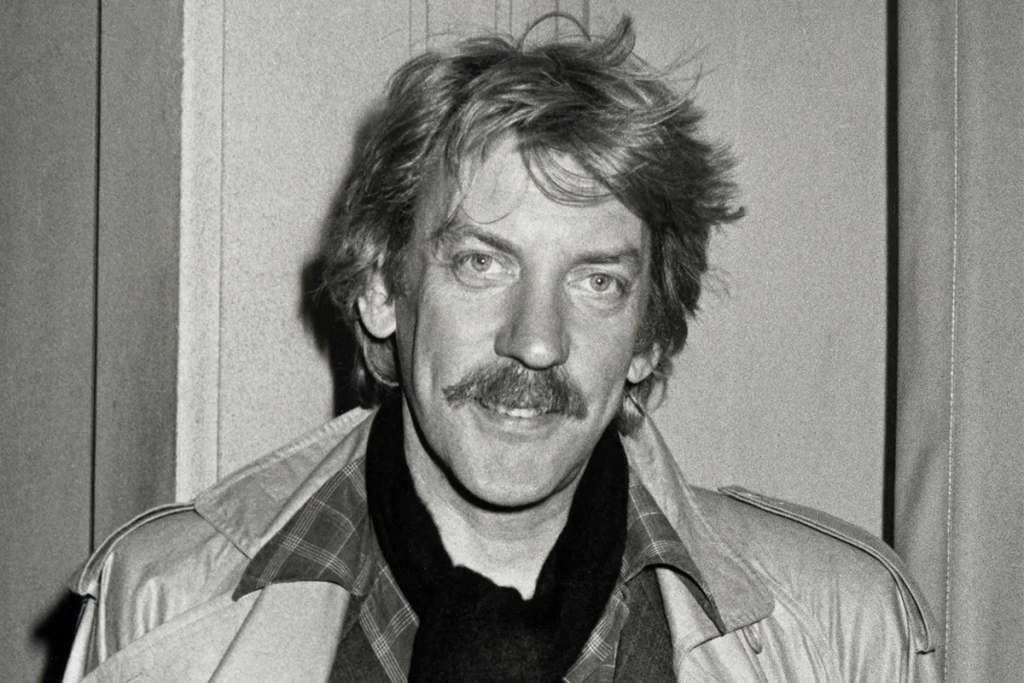
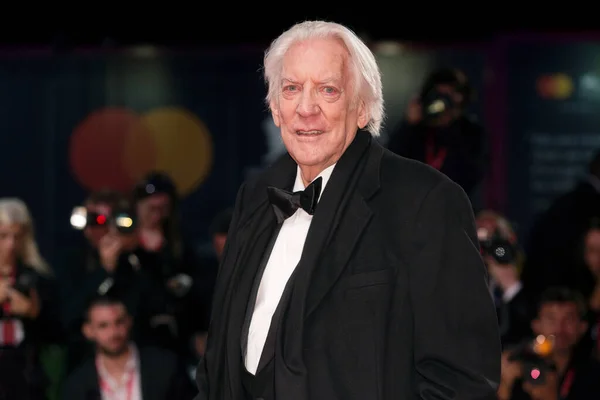
6. Donald Sutherland
Donald Sutherland’s screen legacy stretches across decades, but one lesser-known chapter sits at the intersection of the arts and technical study. He attended the University of Toronto, where he double majored in engineering and drama.
That pairing captures the split focus that defines this list better than almost any other example. Rather than moving from a purely scientific path into acting, Sutherland studied both disciplines together before heading to London to continue drama training. The result was a career that became one of the most durable in modern film.

7. Hedy Lamarr
Hedy Lamarr did not follow the standard degree route highlighted by many contemporary celebrities, but her place in any conversation about Hollywood and technical brilliance is difficult to ignore. She co-invented a frequency-hopping system during World War II and received a patent with collaborator George Antheil.
According to the University of Melbourne feature on her legacy, the technology later helped underpin wireless technologies including Bluetooth, Wi-Fi and GPS. Lamarr was described there as a self-taught entrepreneur, which makes her scientific contribution especially striking. In a list centered on formal science and engineering education, she remains the clearest reminder that technical achievement in Hollywood has not always depended on traditional credentials.

These careers show that screen fame and scientific discipline have often overlapped more than audiences assume. In some cases, the degree came before stardom; in others, education continued while the spotlight was already intense.
The common thread is not novelty for novelty’s sake. It is the record of actors who built lives that included laboratories, equations, engineering principles, and research alongside scripts, sets, and premieres.

