

Timothée Chalamet’s offhand attempt to make a point about cinema landed somewhere else entirely. In a public conversation about preserving the moviegoing experience, the actor pulled ballet and opera into the comparison and touched off a backlash that quickly spread far beyond film fandom.
The reaction was not only about one quote. It exposed how protective artists are of live performance, how quickly celebrity image can clash with audience expectations, and why older art forms still command fierce loyalty even when they are routinely treated as cultural side notes.
1. The remark that set everything off
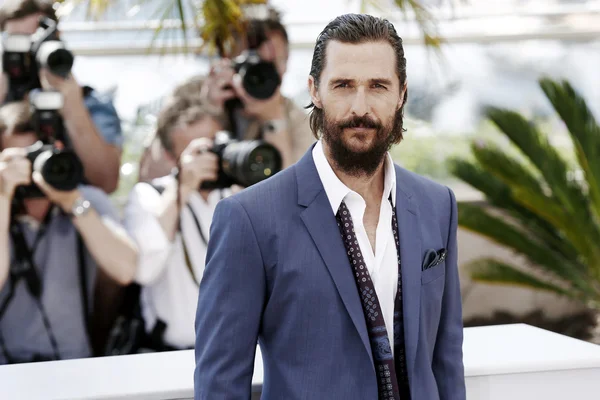
During a February conversation with Matthew McConaughey at the University of Texas, Chalamet said, “I don’t want to be working in ballet, or opera, or things where it’s like, ‘Hey, keep this thing alive, even though like no one cares about this anymore.’” He quickly added, “All respect to all the ballet and opera people out there,” then joked, “I just lost 14 cents in viewership.”
That combination of dismissal and self-aware humor became the engine of the controversy. Even people who believed he was trying to defend cinema rather than attack live performance focused on the phrasing, which many in the arts world read as casually contemptuous.

2. Why ballet and opera communities reacted so sharply
For performers and institutions in those fields, the comment echoed a familiar cultural slight: the idea that some art forms are outdated unless they can justify themselves in mass market terms. That is why the backlash moved so fast. Many artists saw the line not as a personal opinion but as a broader expression of the habit of treating live arts as expendable.
Canadian mezzo-soprano Deepa Johnny called it a “disappointing take,” while Jamie Lee Curtis asked, “Why are any artists taking shots at any other artists?” The response carried a clear through line: artists across disciplines expect public respect for the labor, training and history behind one another’s work.

3. The numbers do not support the idea that “no one cares”
Arts groups answered the remark with attendance figures and reach. The English National Ballet said over 200,000 people joined its performances, and added that its digital content generated 65 million impressions. Those figures were used to show that interest in ballet is not only intact, but expanding across live and online audiences.

The broader landscape is more complicated than a simple popularity contest. Opera and ballet in the United States remain relatively niche compared with film and television, yet they continue to draw substantial audiences, sustain major institutions, and hold a cultural influence that stretches well beyond ticket sales.

4. Arts institutions turned rebuttal into invitation
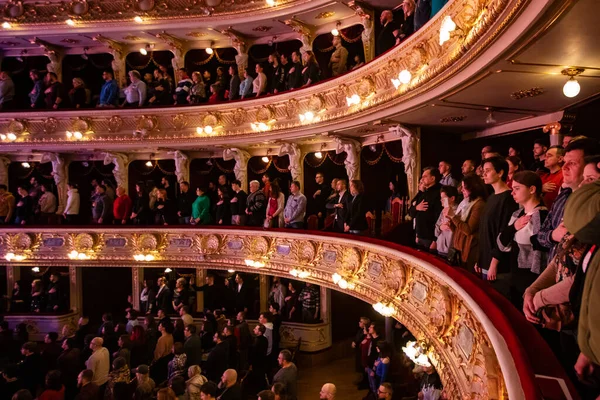
Some of the sharpest responses came with a polished public face. The Royal Ballet and Opera posted a video noting that thousands gather nightly at the Royal Opera House “for the music,” “for the storytelling,” and “for the sheer magic of live performance,” then extended an invitation for Chalamet to reconsider.
That approach mattered. Rather than only denouncing the actor, companies used the moment to foreground what live performance offers: scale, discipline, presence and the irreplaceable charge of being in the room when art happens.

5. The backlash was also about Chalamet’s image
The comments landed awkwardly because Chalamet’s public persona has long been tied to artistic seriousness. According to PR commentary cited in coverage of the reaction, his reputation has been built around craft, prestige projects and cultural credibility, which made a dismissive line about other art forms feel especially discordant.
That mismatch became part of the story. A celebrity associated with sensitivity and artistic depth is often judged less by the literal wording alone than by whether the moment fits the image audiences believe they know.

6. Live performance defenders linked the issue to a bigger arts struggle
One reason the remark resonated so widely is that ballet and opera have spent years fighting assumptions that they are elitist, inaccessible or irrelevant. Those assumptions affect funding, education, audience development and who feels welcome in the room. A glib line from a major film star can therefore sound bigger than it is, because it taps into long standing anxieties around neglect and cultural gatekeeping.
The pushback also stressed that these forms continue to shape the rest of the creative ecosystem. The Royal Ballet and Opera said millions of people around the world continue to enjoy and engage with them, while pointing to their influence across theatre, film, music and fashion.

7. AI fears gave the reaction an extra edge
Several responses argued that ballet and opera matter even more in a period when digitally generated culture is reshaping entertainment. Choreographer Martin Chaix described ballet as “very much alive,” adding that in a world increasingly altered by AI, the unmediated human presence of live performance becomes more essential, not less.
That point gave the dispute an unexpected modern dimension. The defense of opera and ballet was not framed as nostalgia. It was framed as a defense of embodied, human artistry at a time when replication is getting easier and presence is becoming more valuable.
8. The episode revealed the gap between visibility and value
Film stars dominate mass culture in a way even major opera singers and ballet dancers rarely do. Coverage of the debate repeatedly returned to that imbalance. Hollywood celebrity has enormous reach, while the performing arts often exist in a smaller but deeply committed sphere.
That does not make the live arts culturally marginal. It means they are often measured by the wrong standard. Public visibility and cultural value are not the same thing, and this flare up forced that distinction into the open.
What lasted from the controversy was not only the quote itself, but the intensity of the correction. Ballet and opera communities responded as if defending more than reputation, because they were defending continuity, labor and relevance all at once.
For a moment, a celebrity soundbite became a referendum on who gets called vital. The answer from the arts world was immediate: these forms are still here, still evolving, and still drawing the kind of loyalty that does not need blockbuster scale to be real.

