

A century can make old restrictions feel distant, almost implausible. Yet many ordinary parts of modern life for women in the United States voting, traveling under one’s own name, serving on a jury, choosing certain clothes, controlling property, or seeking contraception were once restricted by law, custom, or both.
What makes this history striking is not only how much changed, but how recently many of these barriers lasted. Some fell before 1920, others decades later, and several remained uneven in practice long after formal rules changed.

1. Casting a ballot
For much of U.S. history, women could not vote in national elections. The long campaign for suffrage gathered force in the 1840s, and the 1848 Seneca Falls Convention placed voting rights at the center of the women’s rights movement. National suffrage arrived only when the 19th Amendment was ratified in 1920.
That victory was decisive, but not universal in practice. Black women in the South, Native American women, Asian immigrant women barred from citizenship, and many women in U.S. territories still faced exclusion through literacy tests, poll taxes, citizenship barriers, and local laws.

2. Owning and controlling property after marriage
Marriage once absorbed a woman’s legal identity into her husband’s. Under the common-law doctrine of coverture, legal writers summarized marriage with the blunt claim that husband and wife were one person in law. In practice, that often meant a married woman could not independently control wages, contracts, or property.
Change began slowly with state property laws. New York’s 1848 Married Women’s Property Act became a model, and by 1900 every state had adopted some version of such legislation. Even then, social expectations often lagged behind legal reform.

3. Getting a divorce on workable terms
Ending a marriage was once far more difficult for women than for men, and in some states it was not legally available at all. Standards varied widely, and courts often treated abuse, abandonment, and financial dependence through a narrow, gendered lens.
One telling marker of how slow change could be: South Carolina did not legalize divorce until 1949. The ability to leave a marriage was never just a family matter; it shaped safety, property, child custody, and a woman’s chance at an independent life.
4. Accessing birth control
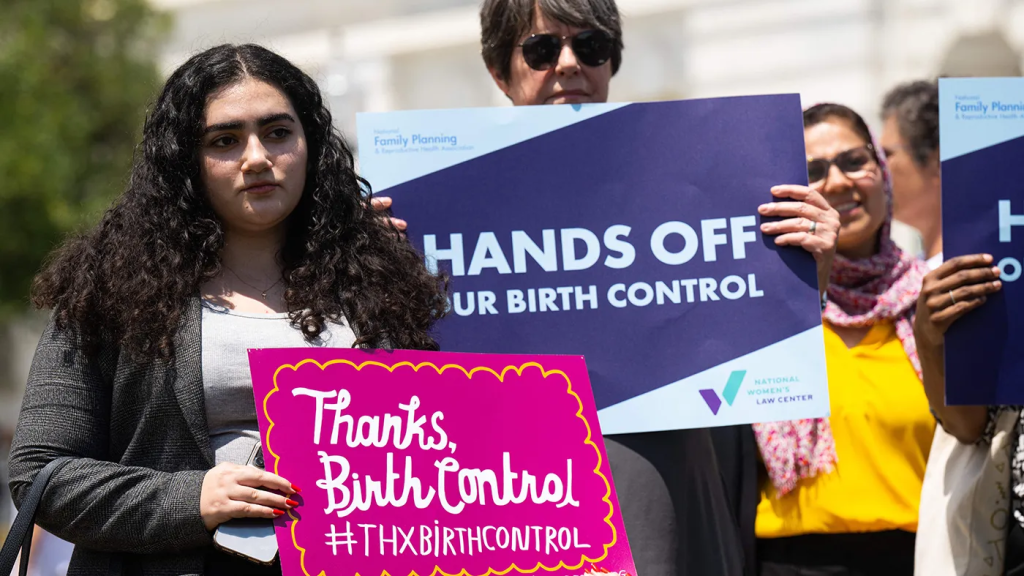
Contraception was not simply hard to obtain; information about it could also invite prosecution. Margaret Sanger opened a birth control clinic in Brooklyn in 1916 and was arrested within days. Her legal fights became part of a much larger struggle over whether women could make decisions about their own bodies.
The first oral contraceptive was approved in 1960, but broad legal access came in stages. Court decisions later expanded contraceptive access for married and unmarried people, turning what had been a criminalized or hidden subject into routine health care.

5. Keeping a maiden name after marriage
A married woman’s surname was once treated as more than custom. In many places, using a birth name could interfere with payroll records, identification, and even civic participation. The pressure to adopt a husband’s name reflected a wider assumption that marriage replaced a woman’s separate public identity.
That assumption survived well into the 20th century. Hawaii became the last state to lift the mandate in 1976, marking how long naming rules remained tied to legal status.
6. Holding a passport in her own identity
Travel carried the same logic. Single women could receive passports, but married women were commonly folded into their husbands’ documents, as though travel itself presumed male supervision. The rule made a woman’s mobility depend on marital status and male identity.
Campaigners challenged that arrangement. Ruth Hale’s fight for recognition under her own name became a turning point, and federal rules were finally changed in 1937.
7. Serving on a jury
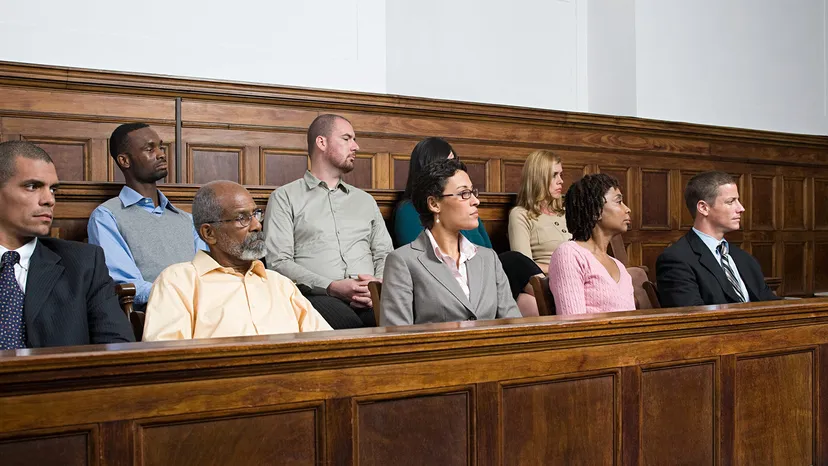
The ideal of a jury made up of one’s peers long excluded women. States often argued that women needed protection from courtroom material or belonged primarily in the home. Some allowed women to serve only if they volunteered, which meant juries still remained overwhelmingly male.
The unevenness lasted longer than many readers expect. A 1961 Supreme Court ruling still upheld a Florida system that kept most women off jury rolls, and it took later decisions to establish that routine exclusion was unconstitutional.
8. Wearing pants without legal or social punishment
Trousers were once treated as improper, and in some places effectively illegal for women because dress codes were written to forbid appearing in men’s clothing. These rules were not minor matters of fashion. They policed who could move freely in public and who had authority over their own appearance.
Culture helped wear them down. Designers, performers, athletes, and working women pushed public style beyond rigid boundaries, until a garment once read as defiant became ordinary.

9. Working hours with even limited legal protection
Industrial labor exposed women to long days, low wages, and dangerous conditions. Protective laws were often imperfect and grounded in stereotypes about women’s fragility or maternal role, yet they still shaped later labor standards.
In Muller v. Oregon in 1908, the Supreme Court upheld a 10-hour workday limit for women. The reasoning was paternalistic, but the case helped build momentum for broader regulation of hours and conditions. By 1938, the Fair Labor Standards Act set federal minimum wage and maximum hour rules without regard to ***.

10. Shopping, dining, or going out alone without stigma
In the 19th century, respectability often required women to appear in public with male company. Department stores helped change that. They created supervised, socially acceptable public space where women could browse, meet, and spend time without an escort.
This shift mattered beyond retail. Once businesses saw women as independent customers, theaters, restaurants, and urban public life opened more fully to them. Freedom of movement often arrived disguised as ordinary commerce.

11. Joining the armed forces as formal members
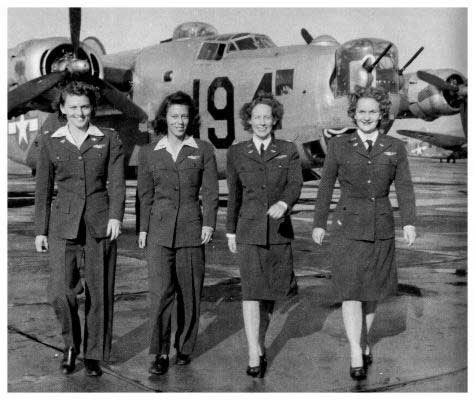
Women had long served around wars as nurses, organizers, and support workers, but formal military status came late. During World War II, women entered auxiliary branches in large numbers, and postwar legislation began recognizing military service more fully.
The Women’s Armed Services Integration Act of 1948 allowed women to serve as permanent, regular members of the armed forces. That did not erase limits overnight, but it changed rank, benefits, and recognition in lasting ways.

12. Competing widely in the Olympics
Women were admitted to the Olympic Games only in 1900, and even then in a handful of events. At those Paris Games, women made up less than 3 percent of athletes. The restrictions reflected a broader belief that serious sport was a male domain.
Over the next century, access widened event by event. The story is less about a single breakthrough than a long dismantling of assumptions about strength, endurance, and public competition.

13. Being recognized as full participants in paid work
At the start of the 20th century, most women did not work outside the home, and those who did were concentrated in domestic service, factory work, and clerical jobs. In 1920, women were about 20% of the labor force. That share has since grown to nearly half.
The change was not just numerical. Women’s paid work gradually moved from being treated as temporary or secondary to being recognized as a central part of family income, public policy, and the economy itself. That transformation altered education, law, family life, and expectations about what a working life could look like.
These lost freedoms were not abstract rights on paper. They shaped names, paychecks, courtrooms, wardrobes, marriages, and the simple act of walking into public life alone.
Seen together, they show how recent many basic freedoms are and how much of everyday independence had to be argued for, organized for, and written into law before it could feel ordinary.

