
Store closure lists tend to read like a warning about the entire shopping landscape. The fuller picture is more complicated.
While nearly 1,300 planned closures have been identified across major chains for 2026, the retail industry is not moving in only one direction. Coresight projects about 7,900 store closures in 2026, but it also expects thousands of openings, underscoring how many brands are shrinking, relocating or reshaping their footprints rather than simply disappearing.
For shoppers, that means the biggest changes are likely to show up in familiar categories: apparel, department stores, restaurants, specialty chains and some mall-based retail.
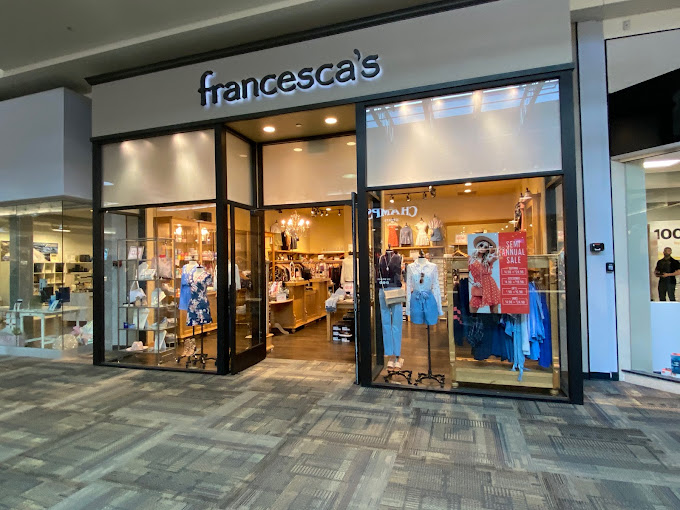
1. Francesca’s accounts for the biggest wave
Francesca’s represents the largest closure count on the current list, with more than 400 stores expected to shut down after the apparel retailer filed for Chapter 11 bankruptcy protection in February. The company said it would hold going-out-of-business sales across its roughly 400 U.S. locations.
The brand had already been through bankruptcy once before, in 2020. In a company statement, CFO Curt Kroll said, “This process provides a structured path to pursue the best outcome for all stakeholders. We remain focused on operating responsibly and supporting our teams, partners, and guests throughout this process.”
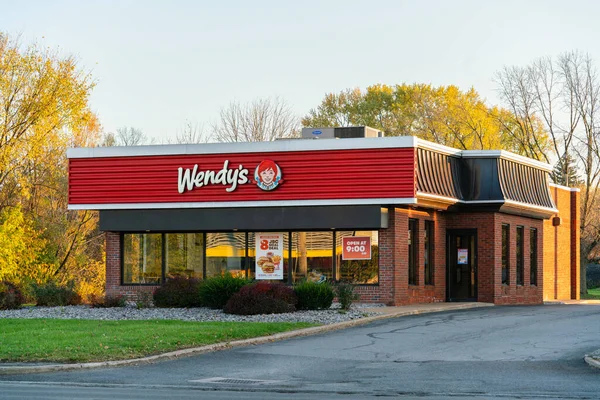
2. Restaurant chains are trimming underperforming locations
Closures are not limited to clothing and department stores. Wendy’s and Pizza Hut have both outlined sizable U.S. reductions tied to underperforming locations.
Wendy’s said it expects to close around 300 restaurants, equal to roughly 5% to 6% of its approximately 6,000 locations, with the cuts expected in the first half of 2026. Pizza Hut’s parent, Yum! Brands, said the chain is set to close 250 U.S. stores in the same period as part of a longer-term brand acceleration plan. Even at that scale, Yum! said the targeted closures represent a small share of its 20,000 global Pizza Hut locations.
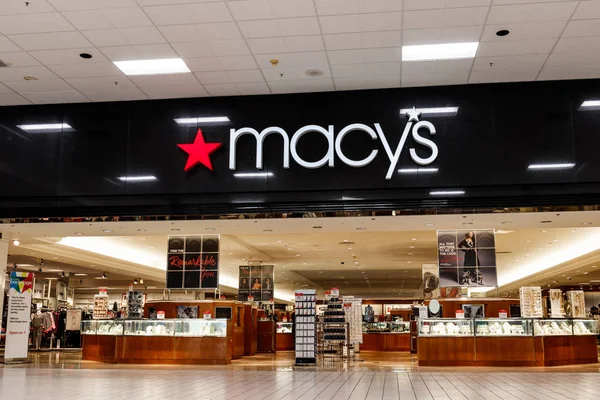
3. Macy’s is still shrinking to focus on stronger stores
Macy’s remains one of the clearest examples of a legacy chain reducing square footage while redirecting attention to stronger-performing locations and digital operations. The department store company said it planned to close 150 locations through 2026, with about 80 of those closures still part of the remaining path.
After those reductions are completed, about 350 Macy’s stores are expected to remain. The strategy reflects a broader retail pattern in which older chains are keeping fewer, more productive stores open.

4. Carter’s shows that children’s retail is not immune
Carter’s plans to close about 100 stores by the end of 2026 as leases expire, part of a larger three-year plan affecting 150 locations across North America. The move stands out because the brand has long been a staple in baby and children’s apparel, a category often viewed as more stable than trend-driven fashion.
Instead of a sudden collapse, the company’s approach reflects a slower recalibration of physical store networks.

5. Grocery closures are part of the mix, too
Kroger said it planned to close 60 unprofitable stores over an 18-month period. That matters because grocery chains have often been treated as more insulated from the pressures facing mall retailers and apparel brands.
The company said in its annual reporting that it operated 2,731 supermarkets in 35 states and Washington, DC as of February 2025. In that context, the closure count is relatively small, but it still signals how aggressively large chains are reviewing store-level performance.
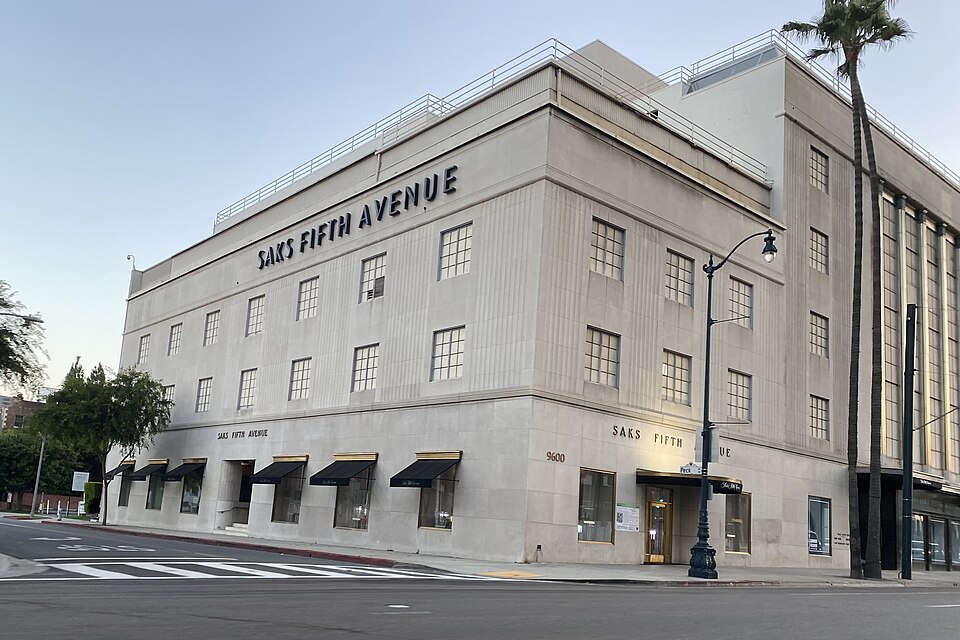
6. Saks Global is reshaping luxury retail in multiple brands
Luxury retail is contributing a sizable share of the 2026 closure list. After Saks Global filed for Chapter 11 bankruptcy protection in January, closures spread across several of its banners.
Saks Off 5th plans to close 57 stores in early 2026. Saks Fifth Avenue is closing 20 locations, leaving 13 stores remaining, while Neiman Marcus is closing 4 stores. The concentration of cuts under one parent company makes this one of the most visible examples of portfolio-wide restructuring rather than isolated store trimming.
7. Smaller specialty chains are making efficiency cuts
Not every closure wave is tied to bankruptcy. Some companies are using 2026 to reduce costs and tighten focus.
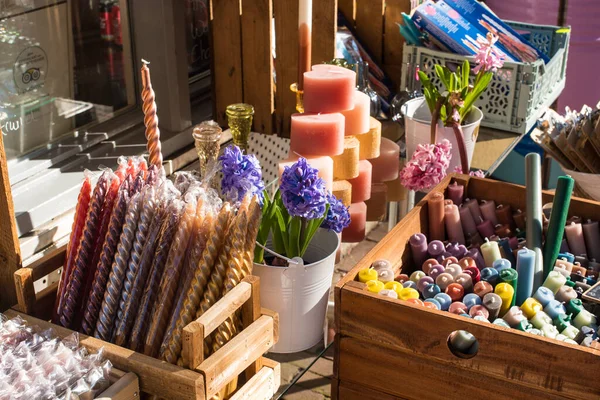
Yankee Candle is closing 20 stores in the U.S. and Canada after parent company Newell Brands announced a broader productivity plan that also included workforce reductions. CEO Chris Peterson said, “This productivity plan is about taking the next, disciplined step to enhance efficiency, sharpen our strategic focus, and deliver stronger, more consistent performance.”
8. Even experience-driven retailers are pulling back selectively
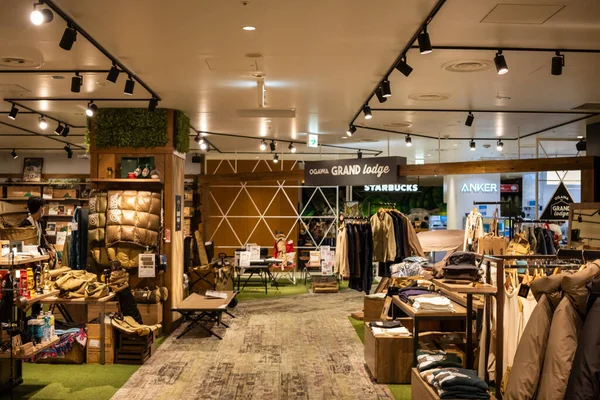
REI plans to close 3 stores, beginning with a New Jersey location, followed by stores in New York City’s SoHo neighborhood and Boston later in 2026. The total is small, but the locations are notable because they are high-profile urban markets.
In a statement, the co-op said, “As markets and customer needs evolve, we must adapt to position the co-op for long-term success.” The wording echoes a theme running through many of the 2026 announcements: companies are not describing these cuts as temporary pauses, but as long-term footprint decisions.
9. Store closures no longer tell the whole retail story
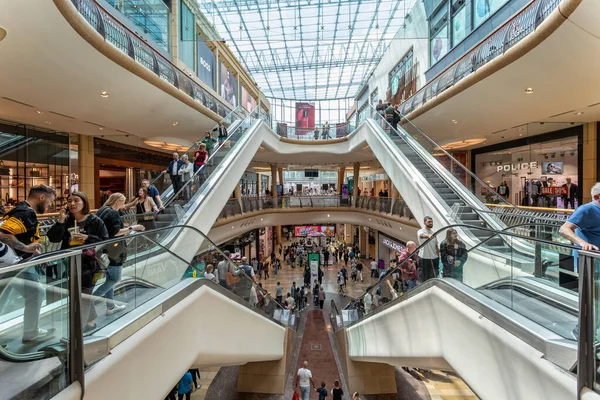
The strongest takeaway from the 2026 list is not simply that chains are closing stores. It is that retail is being redistributed. Retail sales were up 4.2% year over year through November, excluding autos and gas, and analysts have pointed to continued shopper demand for physical stores when those locations offer convenience, pickup, returns or a stronger in-person experience.
That shift helps explain why some chains are disappearing from shopping centers while others are actively adding stores. Coresight expects about 5,500 new stores to open in 2026, even as closures continue. The result is a retail map that is changing shape, not simply shrinking.
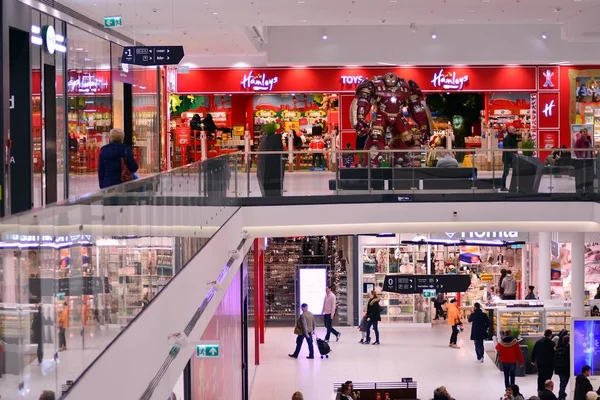
For consumers, the practical effect is likely to be uneven. Some neighborhoods may lose a familiar department store, boutique or restaurant, while others see discount, grocery, beauty or specialty concepts expand into the same corridors.
That is why a list of closures matters most as a guide to where shopping habits are being redirected. The biggest story is not just which doors are closing, but which kinds of stores are still being positioned to stay.

