
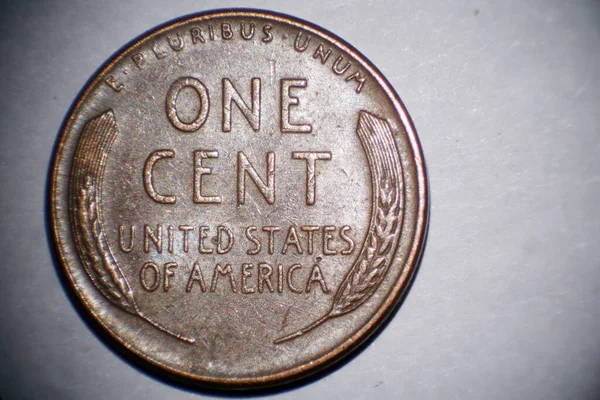
Lincoln cents seem easy to read. They turn up in desk drawers, pocket change, inherited albums, and old jars, which gives many beginners the sense that a quick glance is enough.
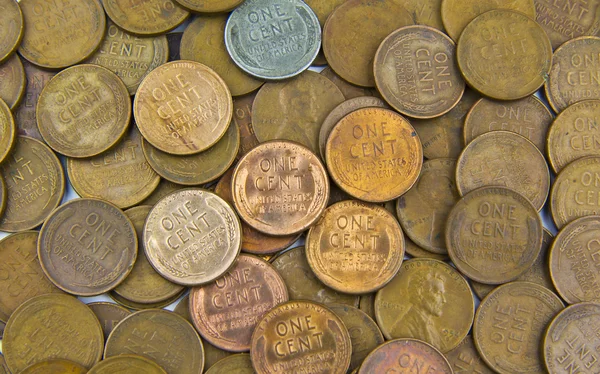
That confidence is often where the trouble starts. In a series that stretches from 1909 to 1958 for wheat cents and well beyond for the full Lincoln run, small differences in dies, metal, mintmarks, and surfaces matter more than the date alone.
1. Treating doubled dies and double struck coins as the same thing
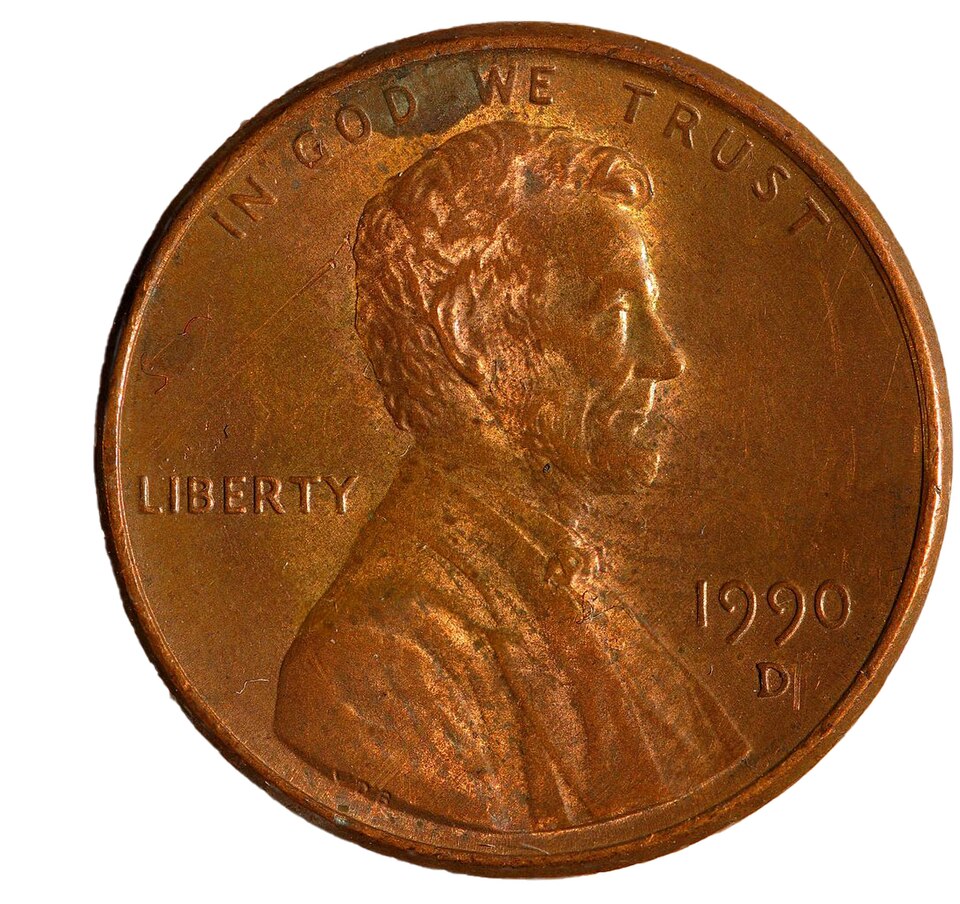
The two terms are often blurred together, but they point to different minting problems. A doubled die begins with the die itself, meaning the duplicated design will repeat on every coin struck from that die. A double-struck coin happens later, when one coin receives more than one strike, usually leaving distortion rather than crisp repeated lettering.
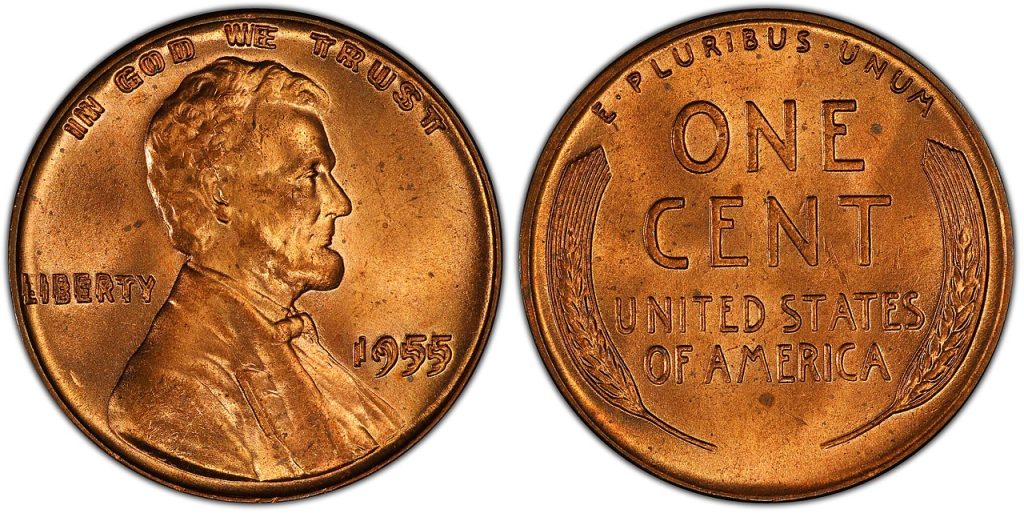
The classic example remains the 1955 doubled die obverse, where the date, “LIBERTY,” and “IN GOD WE TRUST” show strong doubling while the reverse does not. That contrast helps separate a true doubled-die variety from damage, machine doubling, or an off-center second strike.
2. Assuming any 1955 coin with doubling is the famous one
The year carries so much collector mythology that many beginners stop the search after seeing anything unusual. The actual variety is specific and bold, not vague or wishful. Q. David Bowers described the discovery this way: “Late in the afternoon, a Mint inspector noticed the bizarre doubled cents and removed the offending die.” He also wrote, “The decision was made to destroy the cents still in the box, and to release into circulation the 24,000 or so pieces which were mixed with other cents.” The story is memorable, but the date is not the diagnosis. The coin still has to match the known markers.
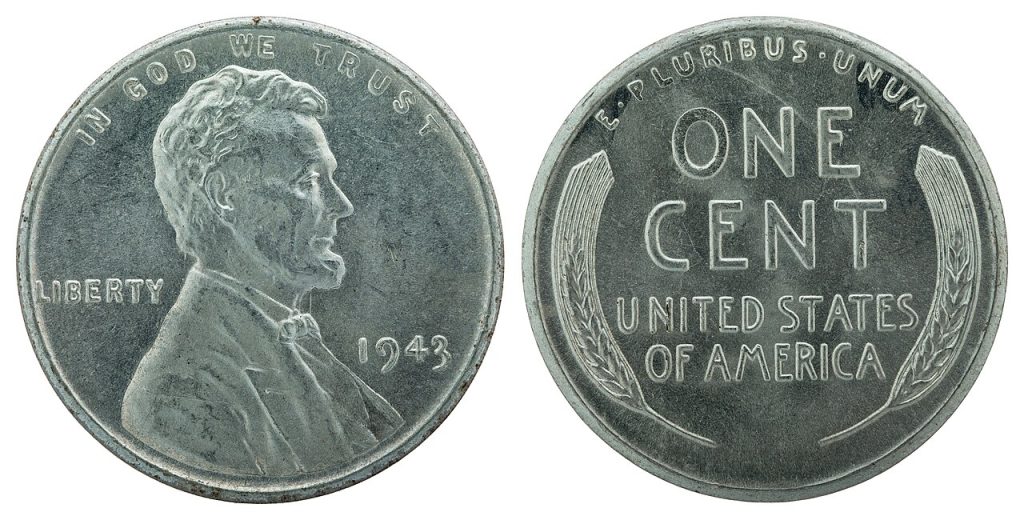
3. Relying on a magnet alone for 1943 and 1944 errors
Magnet testing is useful, but it is only a first screen. In 1943, regular cents were struck in zinc-coated steel, so an ordinary example should stick to a magnet. A genuine 1943 bronze error should not. The reverse applies in 1944, when normal cents returned to copper alloy and the rare steel off-metal pieces remain magnetic.
The problem is that altered coins exist in large numbers. A steel cent can be copper-plated, and surface color can mislead the eye. Weight, surface texture, and professional authentication matter because a magnet answers only one question.
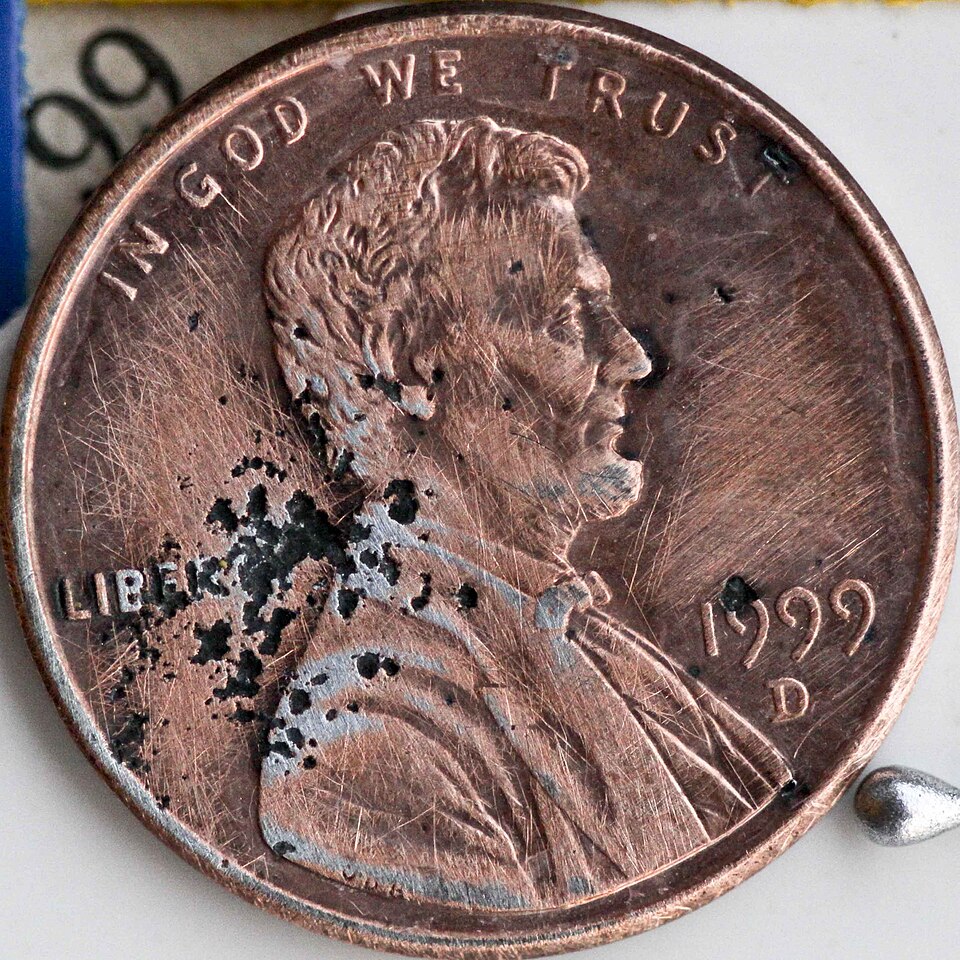
4. Believing color proves the metal
A penny that looks copper is not always copper, and a gray coin is not automatically steel. Toning, staining, plating, and environmental damage can all reshape appearance without changing the core metal.
This confusion matters most in transitional years, but it extends to ordinary dates as well. Beginners often trust the eye before the evidence. A better habit is to treat color as one clue among several, then compare magnetism, weight, and design sharpness before drawing a conclusion.
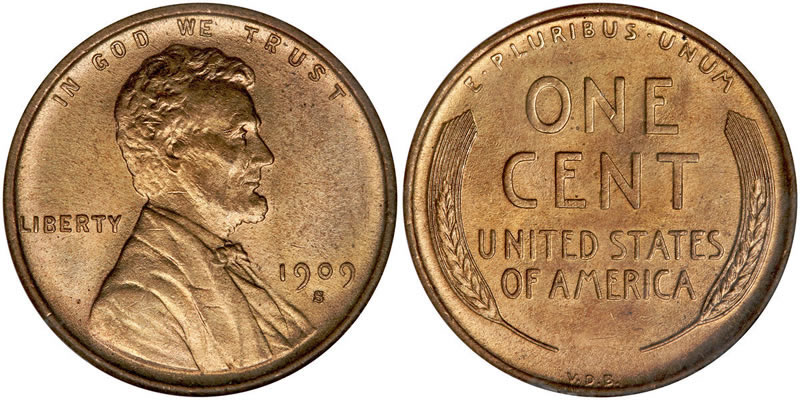
5. Thinking an “S” mintmark makes every 1909-S VDB genuine
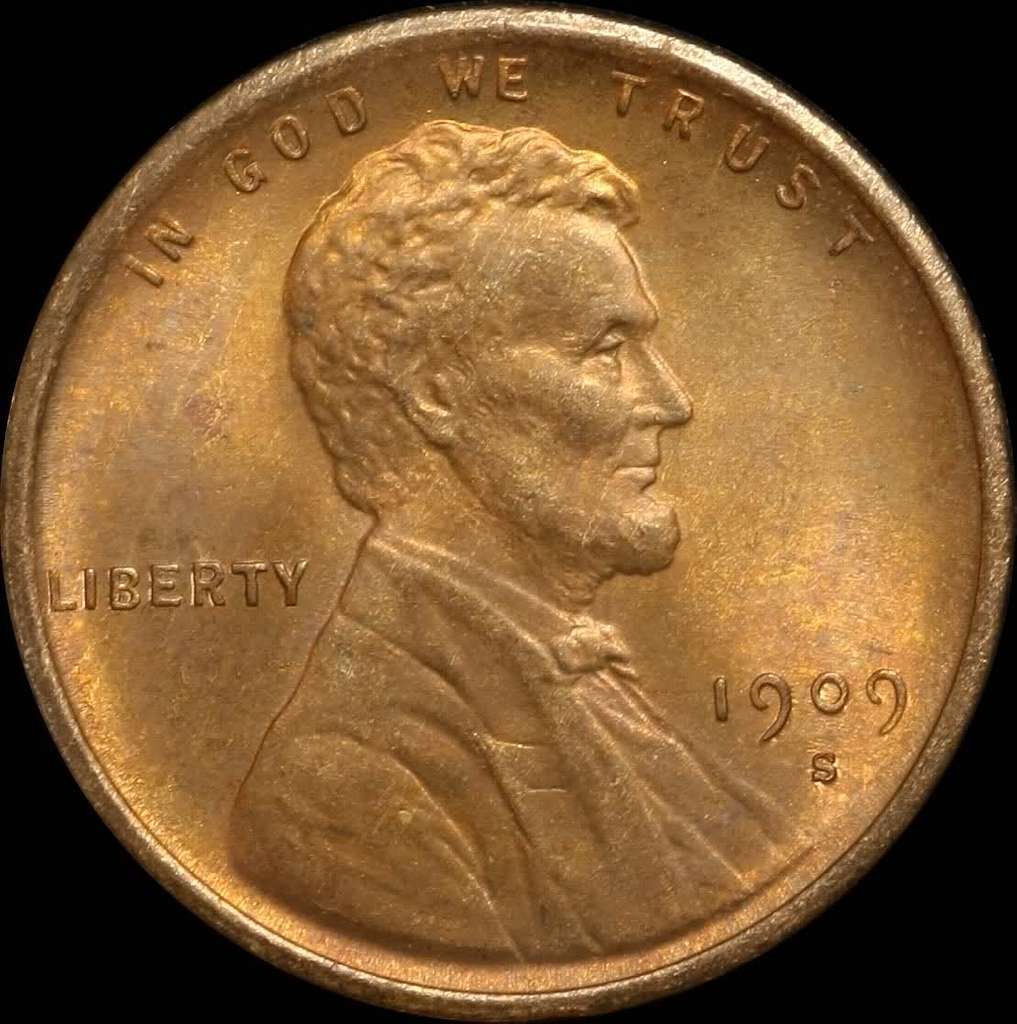
The 1909-S VDB earns its reputation honestly, with a mintage of only 484,000 and a place in the first year of Lincoln cent production. That fame also made it one of the most altered coins in the series.
Collectors who know the issue look past the excitement of the date and mintmark. They study the shape and placement of the “S,” because genuine mintmarks from that period show consistent characteristics tied to the hand-punched tools used at the time. On suspicious examples, the mintmark often looks added, misshapen, or poorly positioned. The same caution applies to the V.D.B. initials, which counterfeiters frequently rework in tiny but revealing ways.
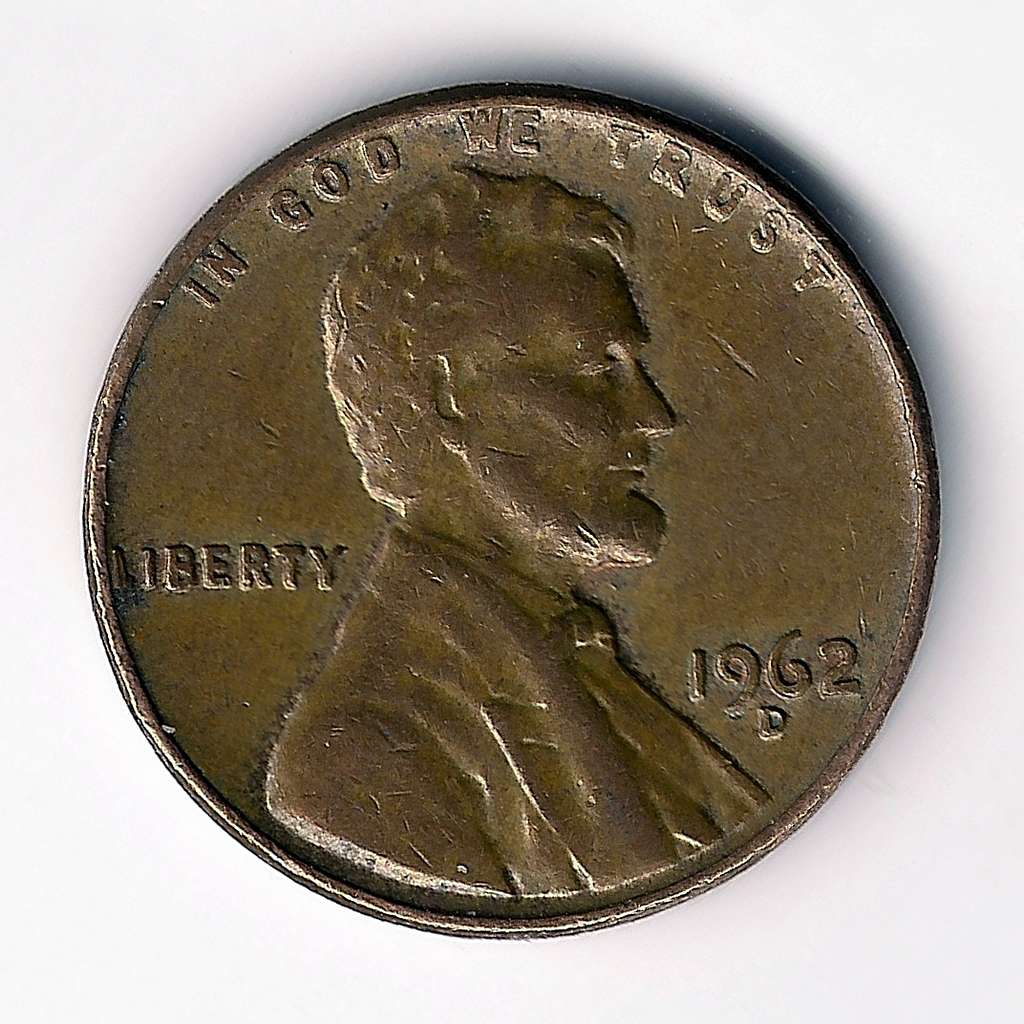
6. Assuming old wheat cents are scarce just because they are old
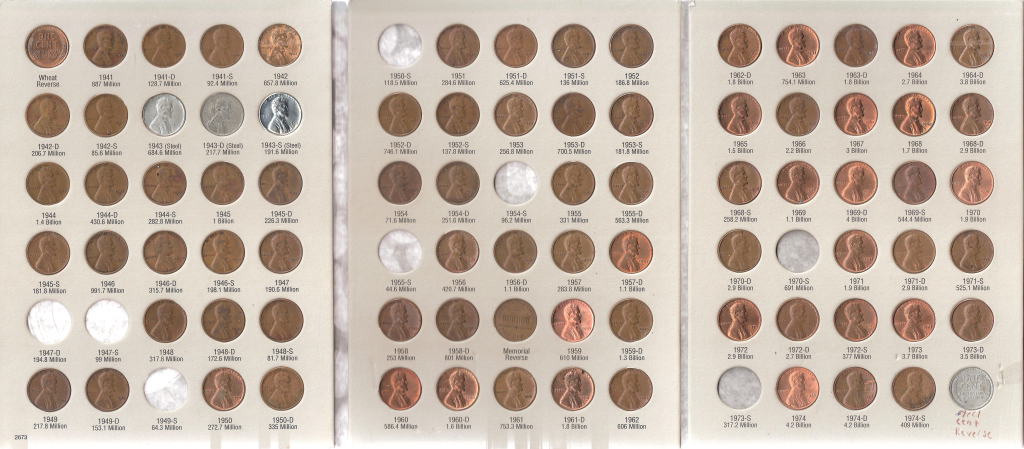
Age creates atmosphere, not rarity. Lincoln wheat cents circulated for decades, and many dates were struck in enormous numbers.
That is why a handful of key dates, major varieties, and off-metal mistakes receive so much attention while ordinary pieces remain common. Dr. Sol Taylor captured this neatly when discussing the 1955 doubled die: “While not rare at all, it is very dramatic.” The same principle works in reverse for wheat cents as a group. A coin can be old and still widely available.
7. Trusting internet claims more than the coin itself
Lincoln cents thrive in rumor. A dramatic post, a partial photo, or a recycled chart can turn a common coin into an online legend within hours.
The 1983 doubled die reverse cent is a good example of why care matters. It is a real variety, and collectors check for visible doubling on reverse lettering such as “ONE CENT.” But even with coins like that, specialists advise against depending on search results alone. As James McCartney said, “In general, the internet has a lot of misinformation about coin prices.” He also noted, “Collectors want their coins ‘original,’ which means they don’t have any surface impairments and show no signs of cleaning or damage.” That makes condition, authenticity, and untouched surfaces just as important as the variety name itself.
Lincoln cents reward close looking more than fast certainty. Their appeal lies in how ordinary objects can hold tiny clues to minting history, design changes, and long circulating collector myths. For beginners, the most reliable shift is simple: less storytelling, more verification. Date, mintmark, doubling, weight, magnetism, and surface originality tell a clearer story than excitement ever can.

