
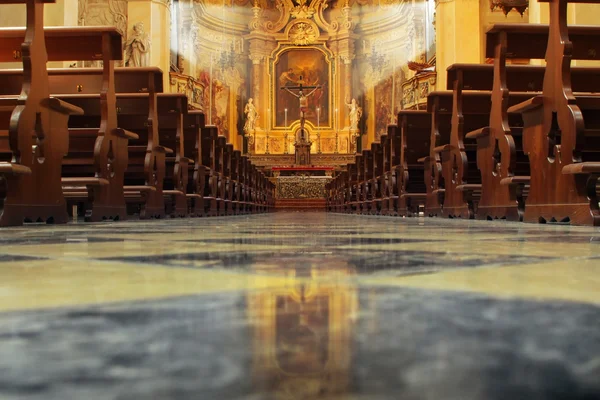
Catholicism is familiar enough to be widely recognized and unfamiliar enough to be regularly misunderstood. Its language, rituals, and symbols can look obvious from a distance while carrying meanings that are much more specific up close. That gap is where many of the best-known myths begin. These are some of the Catholic beliefs and practices that are often oversimplified, along with the details that usually get left out.
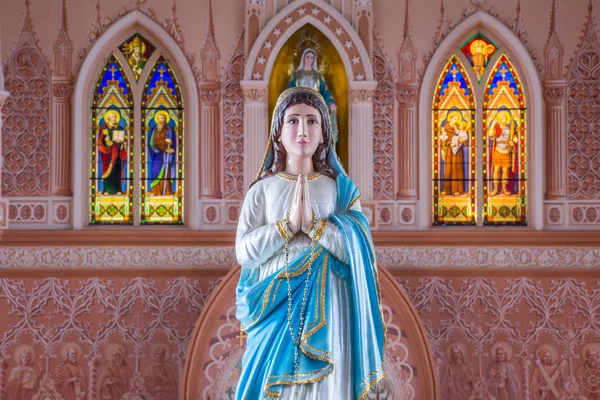
1. Mary is honored, not treated as God
One of the oldest misunderstandings is that Catholics worship Mary. In Catholic teaching, worship belongs to God alone, while Mary is given a distinctive form of honor because of her place in the story of Jesus. The difference matters because outward signs such as feast days, statues, and repeated prayers can look to outsiders like the same thing.
Catholic explanations consistently draw a line here: devotion to Mary is meant to point back to Christ, not replace him. That is why Catholic catechesis describes Marian devotion as different from the adoration given to God.
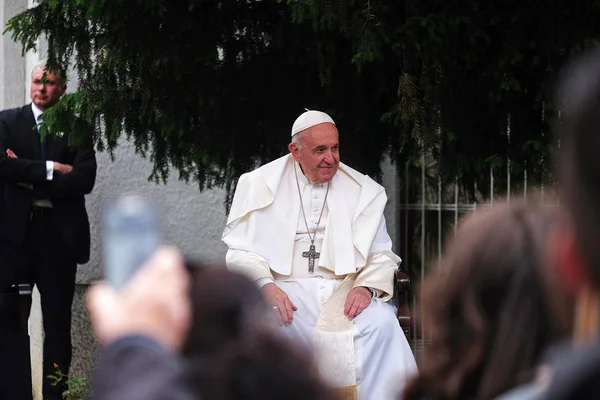
2. Papal infallibility is far narrower than “the pope is always right”
This is probably the most repeated Catholic stereotype. Catholic doctrine does not say the pope is flawless, sinless, or correct in every interview, decision, or opinion.
It refers to a very limited teaching protection in specific conditions involving faith and morals. Vatican teaching describes it as applying when the pope, acting as the Church’s supreme shepherd, formally defines a doctrine. Even Catholic sources stress that this does not cover daily remarks, disciplinary judgments, or private theological views. The point is precision, not personal perfection.
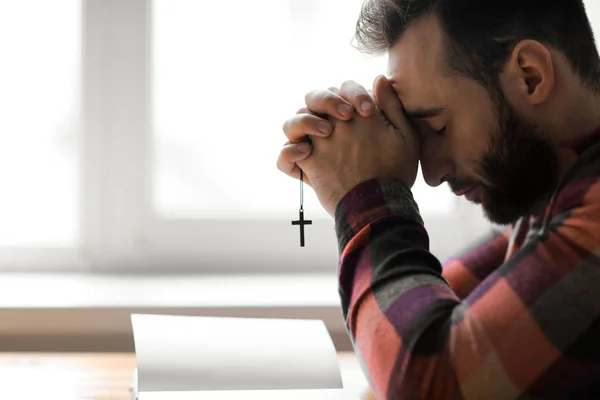
3. Salvation is understood as grace first, not a reward purchased by effort
Catholic life can look highly practical: fasting, almsgiving, confession, service, acts of penance. That visible emphasis often creates the impression that Catholics believe heaven is earned through enough religious effort.
Catholic teaching says salvation begins with God’s grace, and that works are the lived response of faith rather than a payment for it. The confusion has deep historical roots, especially because abuses around indulgences became so famous that they shaped how many people still talk about Catholic belief centuries later.
4. The Bible is central to Catholic worship
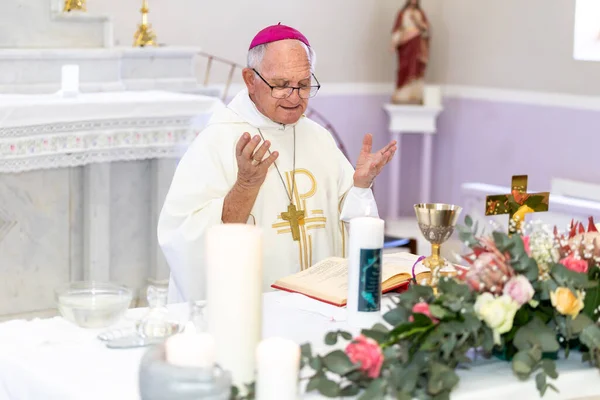
The idea that Catholics do not read Scripture survives surprisingly well. In reality, Scripture is built into every Mass through readings from the Old Testament, the epistles, and the Gospels.
Over time, regular worshippers hear a large portion of the Bible proclaimed publicly through the Mass reading cycle. Catholic practice usually reads the Bible within liturgy, preaching, and tradition rather than as a detached text standing alone from communal worship.

5. Tradition is not treated as a rival to Scripture
Another common claim is that Catholicism places tradition above the Bible. Catholic theology describes Scripture and Tradition as two ways the same revealed faith is handed on in the Church.
That does not erase the special status of Scripture as a fixed and normative witness. It does explain why Catholics often appeal to creeds, councils, liturgy, and inherited interpretation without seeing those as competitors to the Bible.
6. Ritual is meant to serve relationship
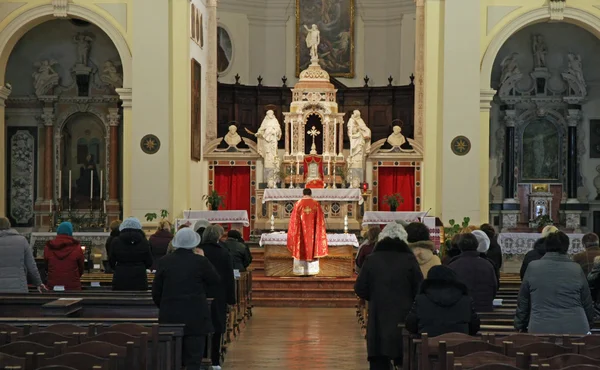
From the outside, Catholicism can appear highly ceremonial. Set prayers, vestments, kneeling, incense, and formal liturgy sometimes give the impression that faith is mostly choreography.
Catholic spirituality presents those practices as forms that shape attention, memory, repentance, and communion with God. Personal prayer, examination of conscience, and silent devotion sit alongside public ritual. The structure is visible, but Catholics generally understand its purpose as relational rather than mechanical.
7. Confession to a priest is not presented as bypassing God
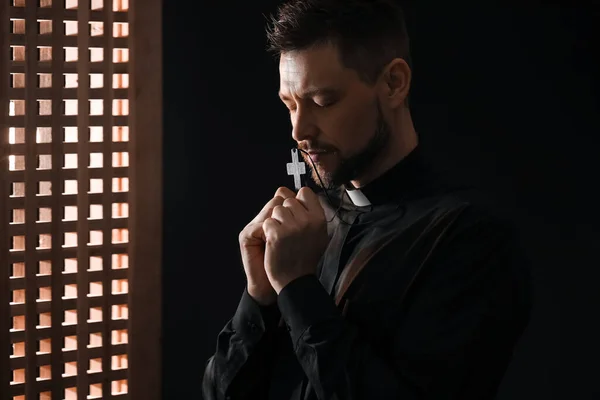
The sacrament of reconciliation is often misunderstood as Catholics confessing to a priest instead of to God. In Catholic teaching, forgiveness still comes from God; the priest serves in a sacramental role tied to the Church’s ministry of reconciliation.
The practice is linked to the Gospel scene in John where Jesus gives the apostles authority connected with forgiving sins. It is also surrounded by one of the strictest expectations in Catholic life: the seal of confession, which bars a priest from revealing what is heard there.
8. Priests are not as detached from ordinary struggle as people assume
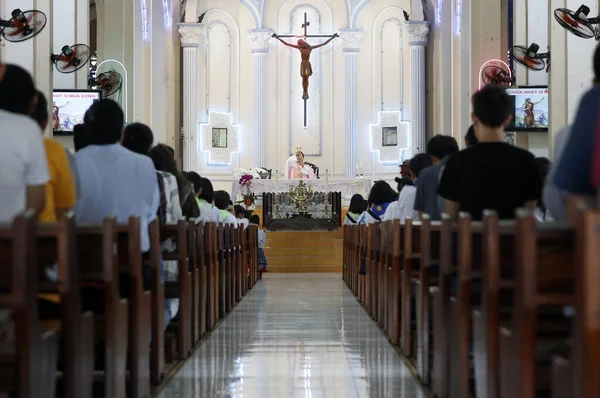
Clerical celibacy can make priests seem far removed from family life. Yet parish ministry places them in constant contact with illness, grief, addiction, financial strain, marital conflict, and death.
That does not make priestly experience identical to lay experience. It does mean the stereotype of the priest as sealed off from real life misses how much listening, counseling, visiting, and crisis response shape daily parish work.

9. Catholic morality is not only about guilt
Catholic moral teaching is often seen through the lens of prohibitions. Rules are real, but that is not the whole framework.
Confession, Lent, acts of mercy, and themes of repentance place strong emphasis on restoration. The larger aim is the formation of conscience and character, not simply the enforcement of religious compliance.
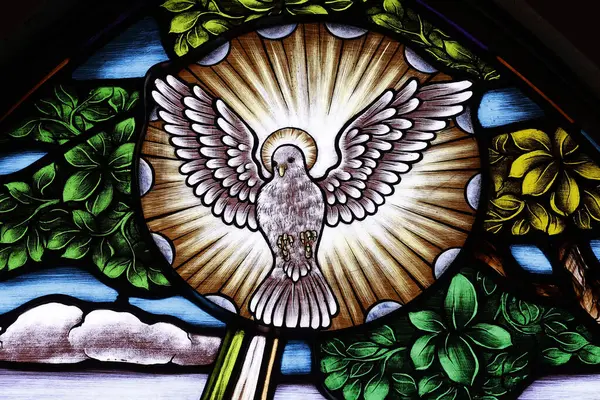
10. The Holy Spirit is woven through Catholic prayer and belief
Some assume Catholicism speaks often about the Father, the Son, Mary, and the saints, while leaving the Holy Spirit in the background. Catholic liturgy does not support that impression.
The Holy Spirit appears repeatedly in sacramental prayers, especially in Confirmation and the Eucharist, and remains central to Pentecost observance and the Church’s understanding of guidance and continuity.

11. The Eucharist is understood as more than a symbol
For Catholics, Communion is not merely a memorial gesture. The Church teaches the real presence of Christ in the Eucharist, expressed in the language of transubstantiation and sacramental presence.
That belief explains habits that can seem unusually intense to visitors: kneeling, silence, tabernacles, Eucharistic adoration, and careful treatment of the consecrated host. Those actions are not decorative. They express what Catholics believe is happening.
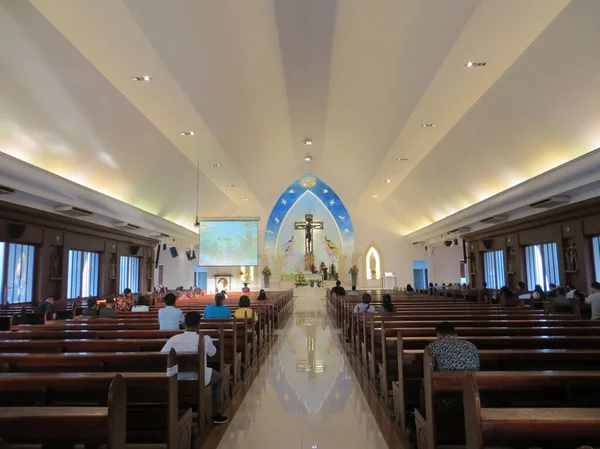
12. Catholic life does not look the same in every place
Official doctrine is shared globally, but parish life is often shaped by migration, language, and local culture. Many churches now carry several communities under one roof, with different choirs, customs, feast traditions, and schedules.
In the United States, this has become especially visible in parishes serving African, Latin American, Caribbean, and Asian communities at once. Daily life in those parishes involves translation, planning, compromise, and ordinary negotiation about belonging.

13. Multicultural parishes are not occasional showcases
Diversity in Catholic life is sometimes treated as something for festivals, heritage months, or special liturgies. In many parishes, it is simply the everyday structure of the place.
Language choices, religious education, leadership roles, and Mass times all reflect it. Unity in these communities is often built through shared service and repeated coordination rather than sameness.
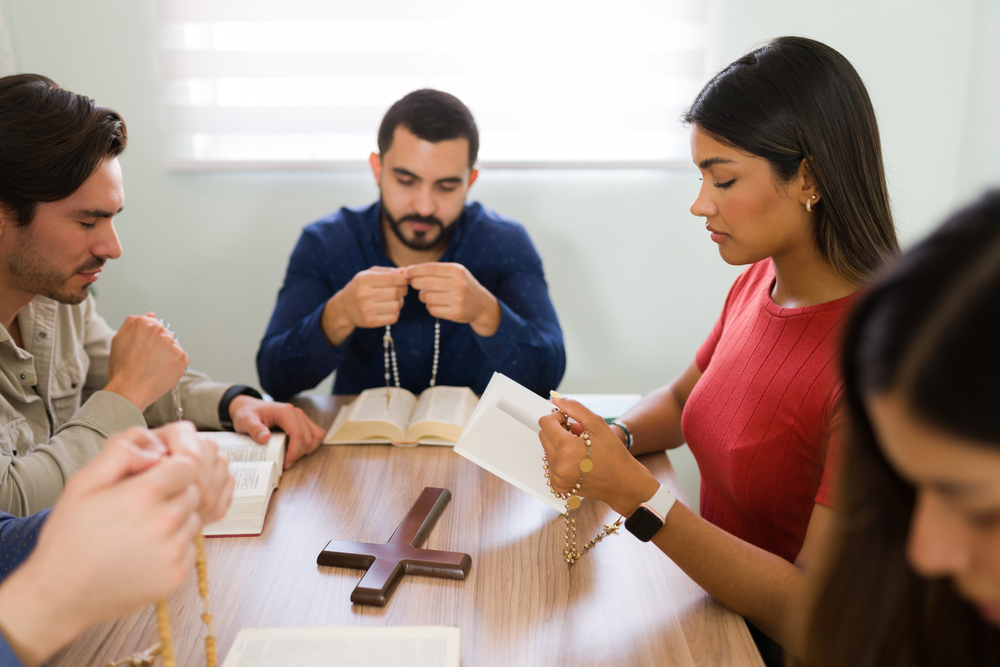
14. Catholicism does not define itself by rejecting all other Christians
Modern Catholic teaching places strong emphasis on dialogue with other Christians while maintaining differences about authority, sacraments, and doctrine. That is a major shift from older assumptions that every encounter had to be framed as simple opposition.
Vatican II described Christian unity as one of the principal concerns of the council. At local level, this often appears in shared prayer, service projects, and neighborhood cooperation rather than theological debate alone.

15. Ecumenism is not the same as watering beliefs down
Another misconception holds that if Catholics work with other Christians, Catholic identity must be softening. Catholic reflection on ecumenism usually presents the opposite claim: serious dialogue requires clearer self-understanding, not less of it. That is why ecumenical work often involves study, careful language, and historical honesty. The goal is not to erase real differences, but to move beyond caricature and say exactly where agreement ends and disagreement begins.
Many misunderstandings about Catholicism persist because Catholic life is both intellectual and embodied. It uses texts, symbols, habits, authority, architecture, and communal worship all at once. When those details are flattened, Catholic belief can look stranger or simpler than it really is. When the details are restored, the picture becomes less about stereotype and more about vocabulary, practice, and the meanings Catholics themselves attach to them.

