

The Exodus remains one of the ancient world’s most debated memory traditions. For many readers, the real question is not whether one artifact can settle the matter, but whether scattered texts, place names, cultural traces, and excavation records begin to form a recognizable pattern.

That pattern is why the discussion persists. Egypt’s official records were selective, the Nile Delta preserves poorly, and enslaved or mobile populations rarely leave neat archaeological signatures. Even so, a number of findings and long-studied texts continue to draw attention because they intersect with details that appear in the biblical account.

1. Egyptian texts preserve a memory of a rebel leader called Osarseph
The most frequently cited literary parallel comes from Manetho, the Egyptian historian later quoted by Josephus. In that account, a marginalized group rises in Egypt under a priest named Osarseph, opposes the established religious order, joins with outside allies, and is eventually driven eastward. Josephus preserves the striking line that “Osarseph changed his name and called himself Moses.”
Scholars do not treat this as a simple duplicate of Exodus, but the overlap keeps the text in circulation. The themes are familiar: social tension, conflict with Pharaoh, religious rupture, and expulsion from Egypt. It is not proof of the biblical narrative, yet it shows that Egyptian and later Jewish writers were preserving related memories about upheaval involving outsiders in the land.

2. Nile Delta archaeology confirms substantial Semitic settlement in Egypt
One of the strongest background clues is not a single object but a settlement pattern. Excavations at Tell el-Dab’a, the site of ancient Avaris, have documented Semitic communities in the Nile Delta with Levantine-style homes, pottery, and other cultural markers. That matters because the biblical setting for early Israel in Egypt places them in the Delta region.
These finds do not identify a specific family, tribe, or biblical episode. What they do establish is that people from Canaan were living in northern Egypt in significant numbers during the broader periods often discussed in Exodus debates. That gives the story a plausible social landscape rather than an empty backdrop.
3. The Hyksos episode shows how foreign groups could rise, rule, and fall in Egypt
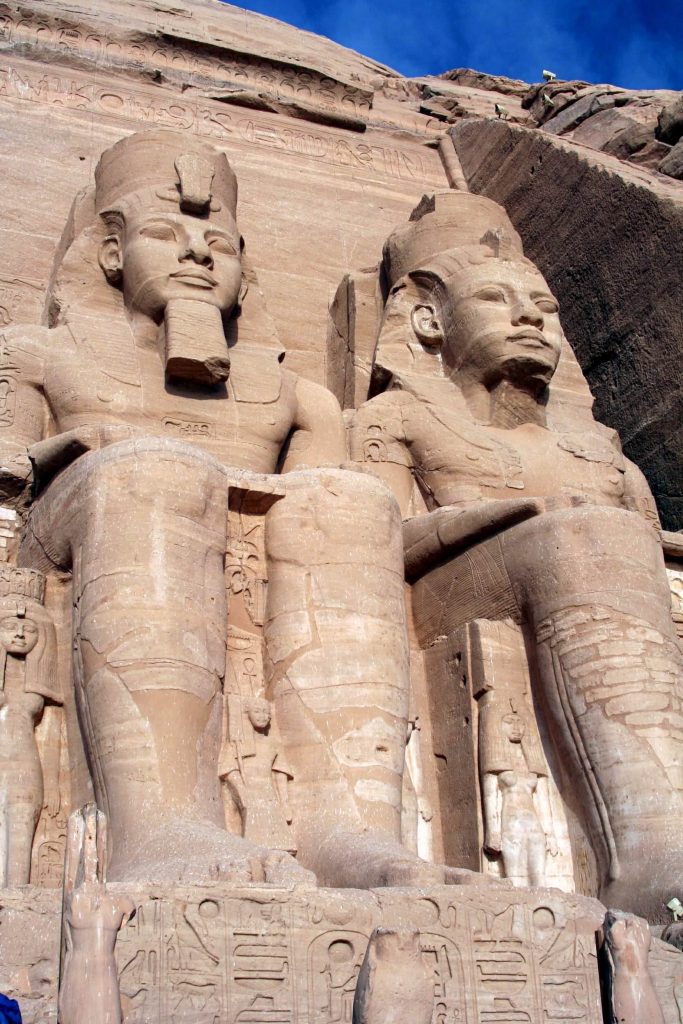
Egyptian history preserves a period when foreign rulers known as the Hyksos controlled northern Egypt while native dynasties held the south. Later Egyptian sources described them as outsiders, and archaeology suggests a more complex world of migration, blending, and political ascent. Their capital at Avaris became a major center in the Delta.
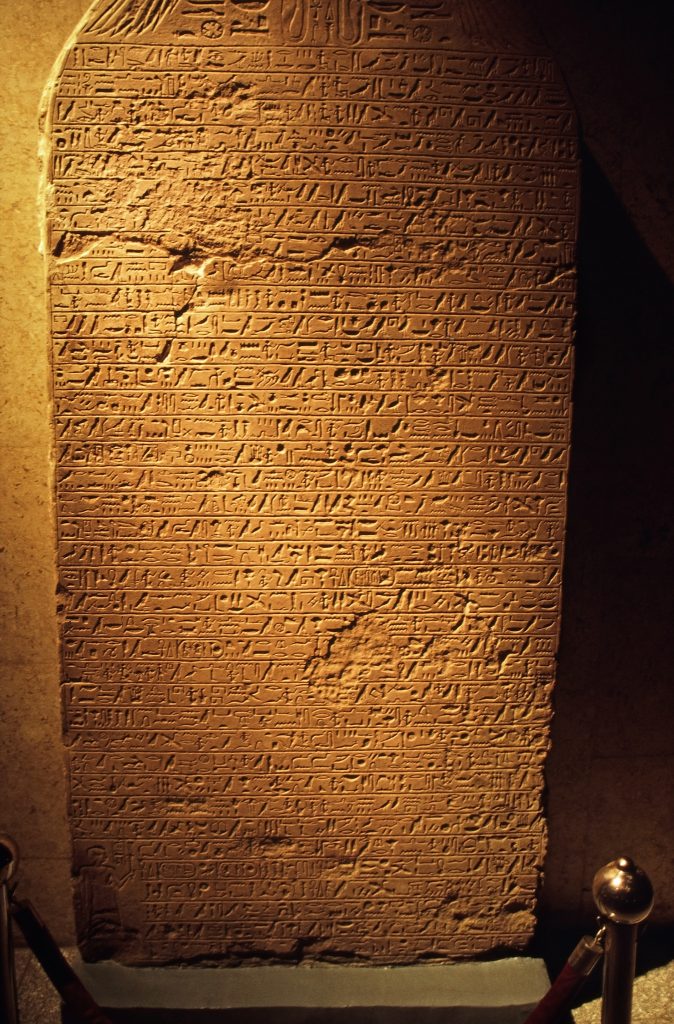
This matters because Exodus begins with demographic anxiety: a ruler fears a large internal population with external ties. The Hyksos story is not the Exodus story, and the dates are debated, but it demonstrates that Egyptian memory included real episodes in which Levantine populations became powerful and then lost that status. For readers tracing long historical echoes, that broader pattern remains significant.

4. Egyptian labor scenes match the world of brickmaking under taskmasters
The biblical account describes forced labor, store city construction, brick production, and harsh overseers. Egyptian evidence does not mention Israelites by name in that setting, but it does show that this labor regime existed. A well-known tomb painting from the vizier Rekhmire depicts laborers making bricks under supervision, with accompanying text referring to strict enforcement.
That parallel matters because it shifts part of the conversation away from miracle claims and toward historical texture. The world described in Exodus 1 and 5 fits an Egyptian labor system known from monuments and inscriptions. The story’s social machinery is not alien to Egypt; it belongs inside it.

5. Egyptian names and customs cluster around the Levites
Some scholars have argued that the Exodus tradition may have been preserved first by a smaller group rather than by an entire population moving at once. The Levites are central to that discussion because several names associated with them have Egyptian forms, including Moses, Phinehas, and Hophni. The name Moses itself fits a known Egyptian naming element connected with being “born” or “drawn.”
Beyond names, the cluster includes ritual features and design motifs that appear closer to Egypt than to the rest of early Israel. This has led to the argument that a group with Egyptian experience carried a liberation memory into Israel and helped shape national tradition. Even critics of a large-scale Exodus often pay attention to this narrower cultural trail.

6. Early biblical poetry may preserve older, partial memories
Some of the oldest material in the Hebrew Bible does not always speak with one voice. The Song of Miriam celebrates deliverance at the sea, while other early texts, such as the Song of Deborah, reflect a tribal landscape in Canaan that does not highlight Levi in the same way. That unevenness has been read as a clue that different memories were later woven together.
Rather than weakening the tradition, this can point to age. Ancient stories often survive in fragments before they are gathered into a larger national narrative. If one group carried a memory of Egypt while others rooted identity in Canaan, the final Exodus story may preserve the joining of those histories.

7. The route and sacred geography remain open, not empty
The wilderness stage of Exodus is often challenged because the traditional Sinai Peninsula has yielded little that can be securely tied to an Israelite passage. Yet that absence has not ended the discussion. Research on possible Sinai locations continues, including proposals around Har Karkom and northwest Arabia, while scholars note that no scholarly consensus on Mount Sinai has ever been reached.
That leaves the geography unsettled, but not closed. Mobile groups leave sparse remains, and sacred landscapes are often identified by memory long before archaeology can test them. In this debate, uncertainty is part of the evidence map itself.
No single inscription, ruin, or papyrus has resolved the Exodus question. The enduring interest comes from convergence: Egyptian records of social rupture, archaeological traces of Levantine populations in the Delta, labor scenes that fit the biblical setting, and cultural clues embedded in names, poetry, and worship.
For that reason, the Exodus remains less a solved case than a layered historical puzzle. The evidence does not end the debate, but it gives the story a firmer ancient setting than a simple dismissal allows.

