

The Exodus remains one of the ancient world’s most enduring crossroads of memory, faith, and history. The strongest modern discussions no longer turn on a single spectacular object, but on whether scattered clues from Egypt, Sinai, and early Israel begin to form a coherent pattern.
That pattern is still incomplete. Yet several discoveries and long-studied texts continue to matter because they touch the same questions: who was in Egypt, how they remembered departure, and what traces of Egyptian life may have traveled into early Israelite tradition.
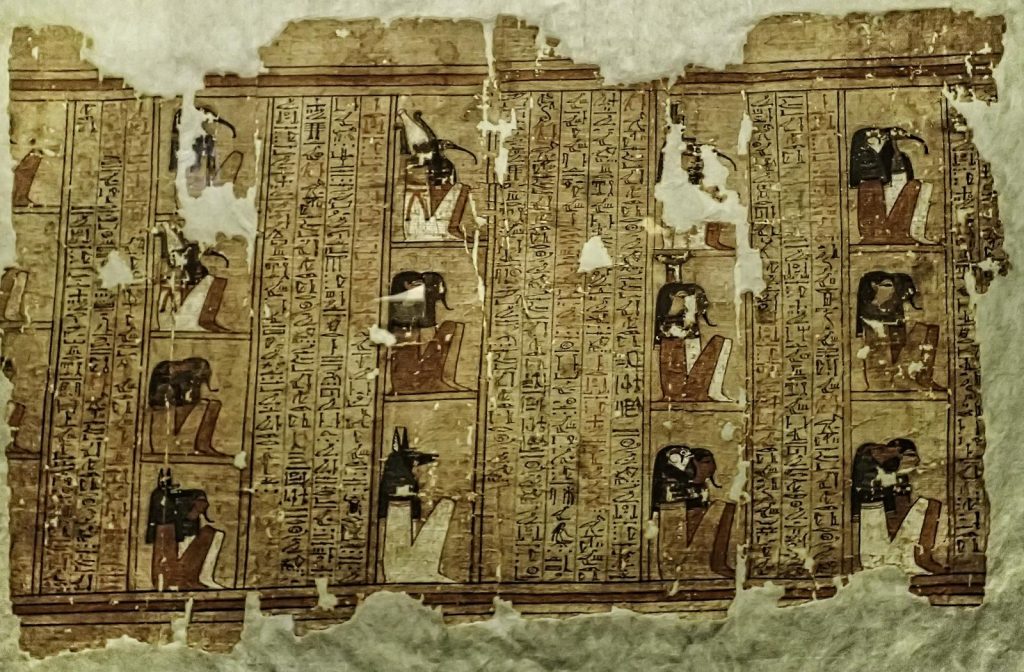
1. Egyptian texts preserve stories that echo a pressured departure
One of the most frequently discussed examples comes from Manetho, the Egyptian priest-historian whose work survives through Josephus. His account of Osarseph describes a marginalized group in conflict with royal power, linked with outsiders from Canaan, and led by a figure later associated with the name Moses. The details do not match the biblical text point for point, but the overlap has kept the passage central to Exodus discussions. These Egyptian-style narratives matter less as direct confirmation than as evidence that Egypt preserved memories of social upheaval, expulsion, and contested identity. They show that stories involving disorder, foreign alliances, and departure were not alien to the historical imagination of the region.
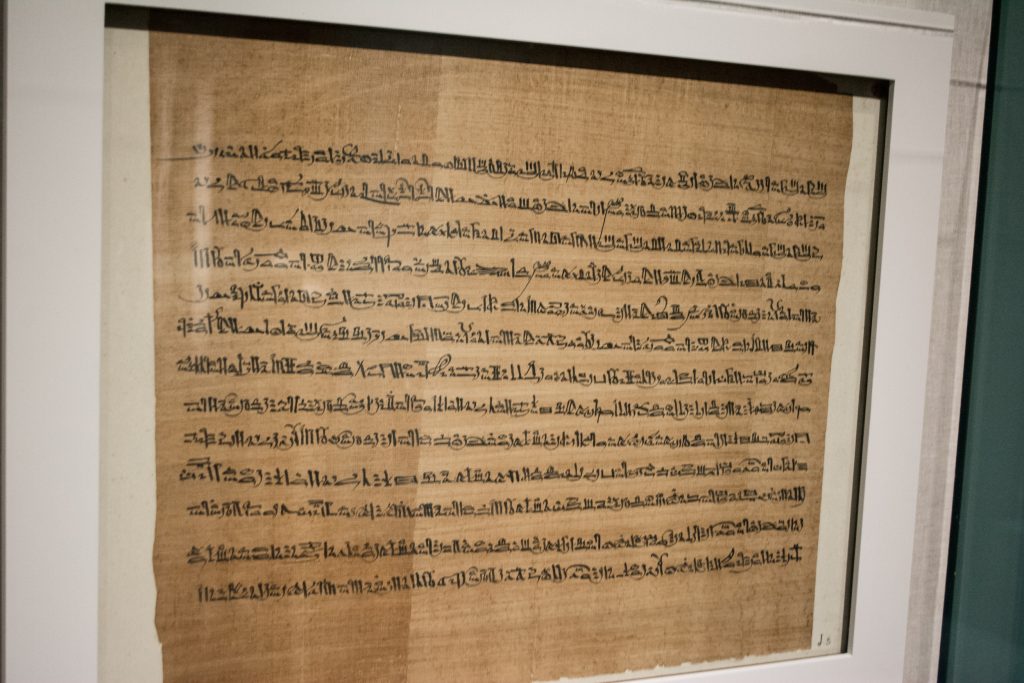
2. The Great Harris Papyrus records turmoil involving a foreign-linked ruler
The Great Harris Papyrus, one of Egypt’s longest surviving papyri, describes a period of political disorder after Queen Tausret. It refers to a disruptive figure, often rendered as “Irsu”, portrayed as a foreign-connected ruler who challenged order before being overthrown by Setnakhte. For Exodus comparisons, the value of this text lies in its setting: a weakened Egypt, a crisis of authority, and the removal of a destabilizing presence. It does not retell Exodus, but it demonstrates that Egyptian records themselves preserve memories of internal breakdown tied to outsiders. That broad background gives the biblical story a more historically imaginable environment than older all-or-nothing arguments allowed.
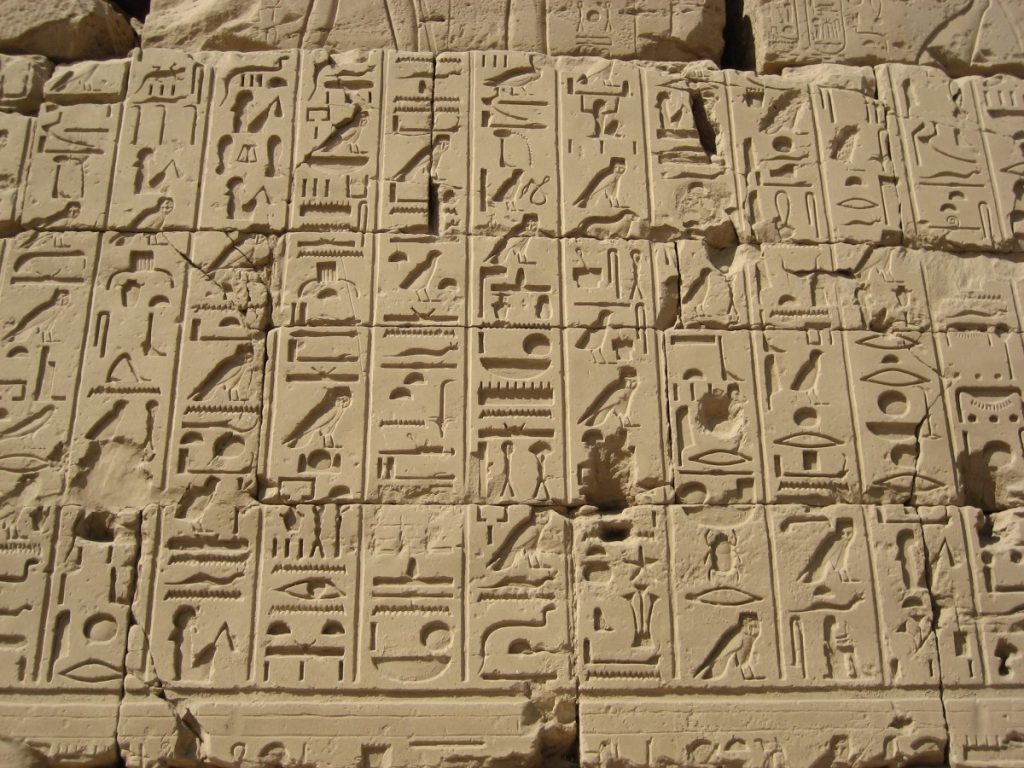
3. A monument describes enemies fleeing with imagery that recalls biblical departure scenes
A Setnakhte-era inscription from Elephantine compares departing enemies to swallows fleeing before a hawk. It also speaks of valuables associated with those who left. The language is poetic, not documentary, but it stands out because Exodus also frames departure with vivid motion and the transfer of precious goods. Ancient royal inscriptions often used exaggeration and symbolism, and that caution matters. Even the famous Merneptah Stele’s mention of Israel includes conquest language that scholars regularly read as rhetorical rather than literal. Still, recurring images of flight, disorder, and wealth carried away help explain why some historians look for a remembered historical core behind later biblical storytelling instead of expecting a single plain-text match in Egyptian archives.
4. A smaller Exodus group may fit the evidence better than a mass migration
One of the most influential modern ideas is that the Exodus tradition may have been carried by a smaller group, especially the Levites, rather than by the whole population later called Israel. This model has drawn attention because it aligns more comfortably with the uneven archaeological record and with distinct Egyptian features preserved in biblical tradition. Several Levite names have plausible Egyptian backgrounds, including Phinehas and Hophni. Scholars have also noted that some ritual emphases and tabernacle imagery associated with priestly texts appear more at home in an Egyptian setting than in a purely Canaanite one. Under this view, a smaller group left Egypt, preserved the memory intensely, and later merged that story into the identity of a broader people already rooted in Canaan.

5. Early biblical poetry may preserve fragments of different community memories
The Song of Miriam and the Song of Deborah are often treated as among the Bible’s oldest poetic layers. Read side by side, they are striking for what they emphasize and what they leave unsaid. One celebrates deliverance at the sea; the other describes tribal struggle in Canaan without centering Levi. That unevenness has encouraged scholars to think that Israel’s earliest traditions did not begin as one seamless national narrative. Instead, different groups may have carried different memories, with an Egypt-shaped tradition entering later but becoming foundational over time. This does not prove Exodus history, but it does suggest that the biblical text preserves older seams rather than a single late invention.

6. Egyptian cultural fingerprints appear in parts of Israelite worship
Some of the most intriguing evidence is cultural rather than monumental. Priestly sections of the Hebrew Bible emphasize practices and symbolic forms that many scholars see as carrying Egyptian resonance, from naming patterns to sanctuary design motifs and ritual concerns.
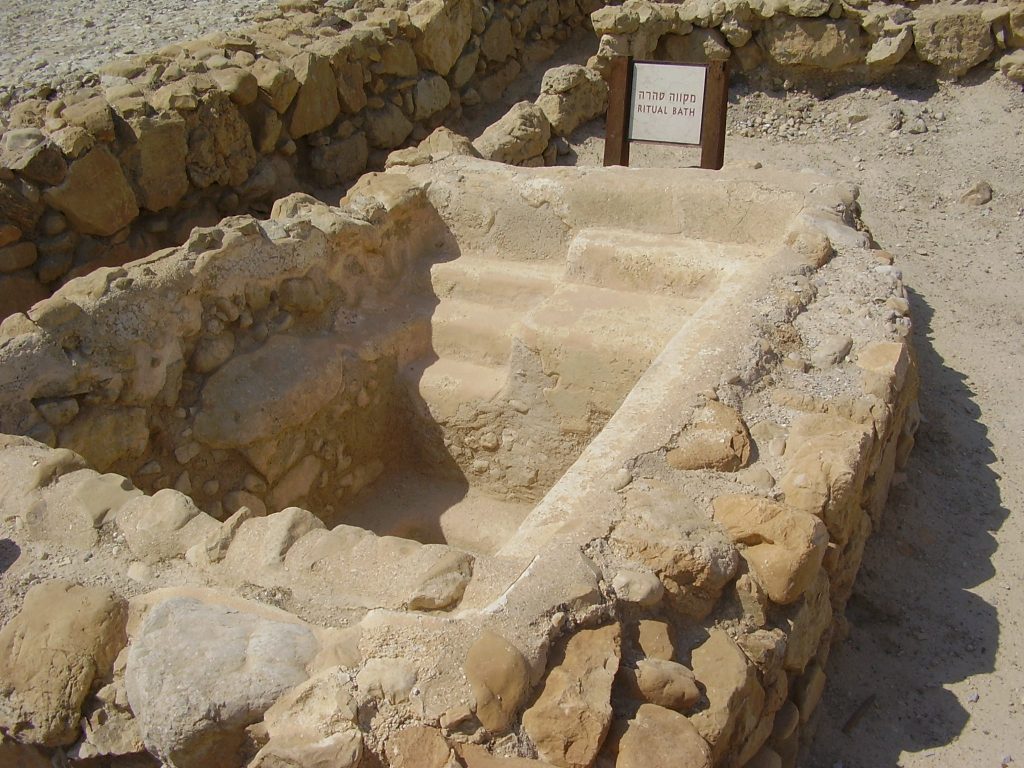
These traces are selective, which is what makes them notable. They do not appear evenly across every biblical layer. That uneven distribution supports the possibility that an Egypt-experienced group contributed disproportionately to Israel’s religious vocabulary. In that sense, the Exodus question is not only about whether people left Egypt, but whether Egypt left a durable mark on the people who told the story.

7. New finds in Sinai sharpen the setting, even if they do not prove the story
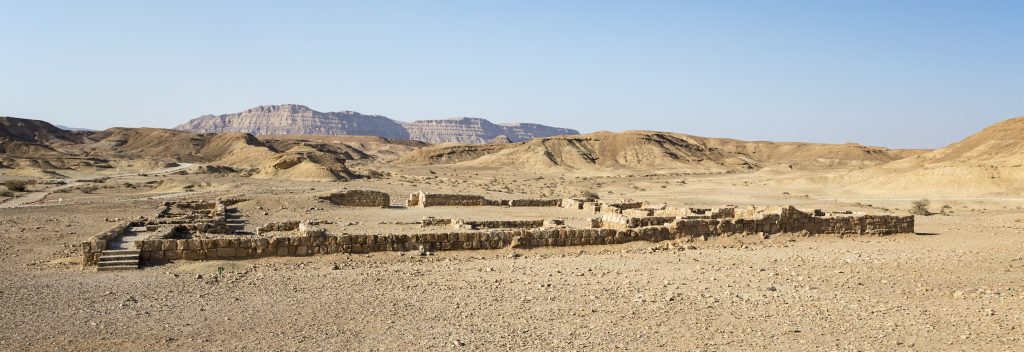
Recent archaeology has added useful context around the eastern approaches to Egypt. In northern Sinai, excavators reported a 3,500-year-old Egyptian military fortress at Tell el-Kharouba, part of a chain guarding the coastal road out of Egypt. That matters because Exodus itself presents a route that avoids the more obvious, heavily defended path. Farther south, archaeologists uncovered an ancient copper workshop in Wadi al-Nasb with furnaces, tools, and administrative features, underscoring Sinai’s strategic importance in the Bronze Age. These discoveries do not identify Moses or trace Israelite campsites. What they do provide is a more concrete picture of Sinai as a worked, watched, and economically significant landscape rather than an empty blank on the map.
No single artifact has settled the Exodus question. The strongest case remains cumulative: Egyptian texts that remember upheaval, early Hebrew traditions that preserve layered memories, cultural features that hint at Egyptian experience, and archaeology that makes the regional backdrop more believable. For many readers, that is where the subject has become most compelling. The debate is no longer simply whether one object proves everything, but whether many partial clues together reveal how an ancient liberation story may have grown from lived history into enduring identity.

