
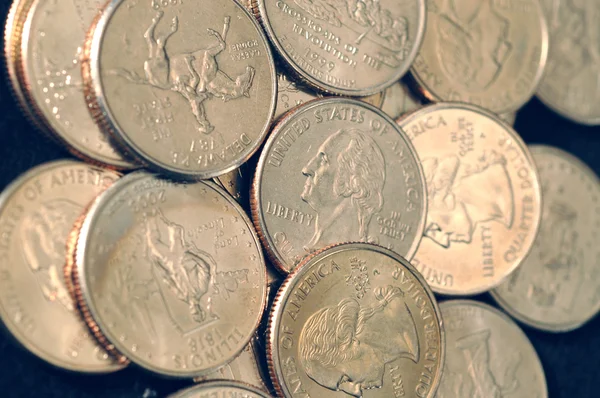
State quarters were designed to be ordinary pocket change, yet they invited millions of people to start looking at coins with unusual attention. Once the reverse designs began changing in 1999, a quarter stopped being just a quarter and became a miniature archive of places, symbols, and minting quirks.
That closer look still rewards patience. The most interesting details are not always dramatic. Sometimes they are tucked into the design itself, and sometimes they appear because the minting process left behind a small but revealing mistake.
1. The series changed how Americans noticed everyday coins
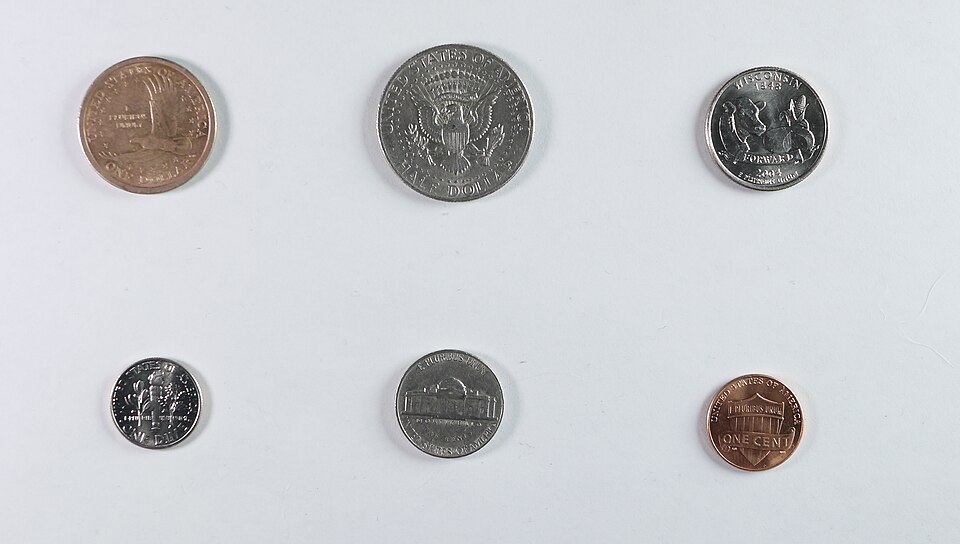
The State Quarters program ran from 1999 to 2008, with additional designs for the District of Columbia and U.S. territories following in 2009. It introduced 56 different reverse designs, each tied to a place rather than a standard national emblem. That shift made people examine dates, images, and mint marks in a way earlier circulating quarters rarely inspired.
The program also arrived at an enormous scale. Reference material notes that each design was produced in the hundreds of millions, and more than 34 billion state quarters were struck overall. In practical terms, that meant a collecting habit could begin at a cash register or in a kitchen jar rather than at an auction house.
2. The order of release followed statehood, not geography
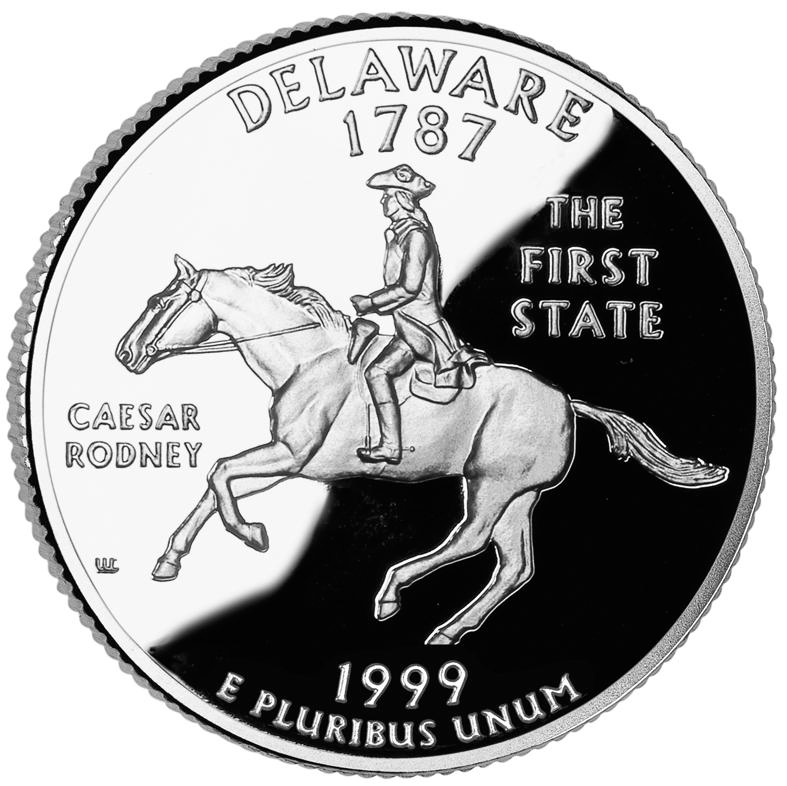
One quiet detail that gives the series its structure is the release order. The quarters were issued in the sequence each state entered the Union, not by region or alphabet. Delaware appeared first in 1999, while Hawaii closed the 50-state run in 2008.
That decision turned the series into a timeline as much as a set of designs. A complete collection reads like a compact historical procession, making the quarters feel more curated than casual.

3. The front of the coin changed more than many people remember
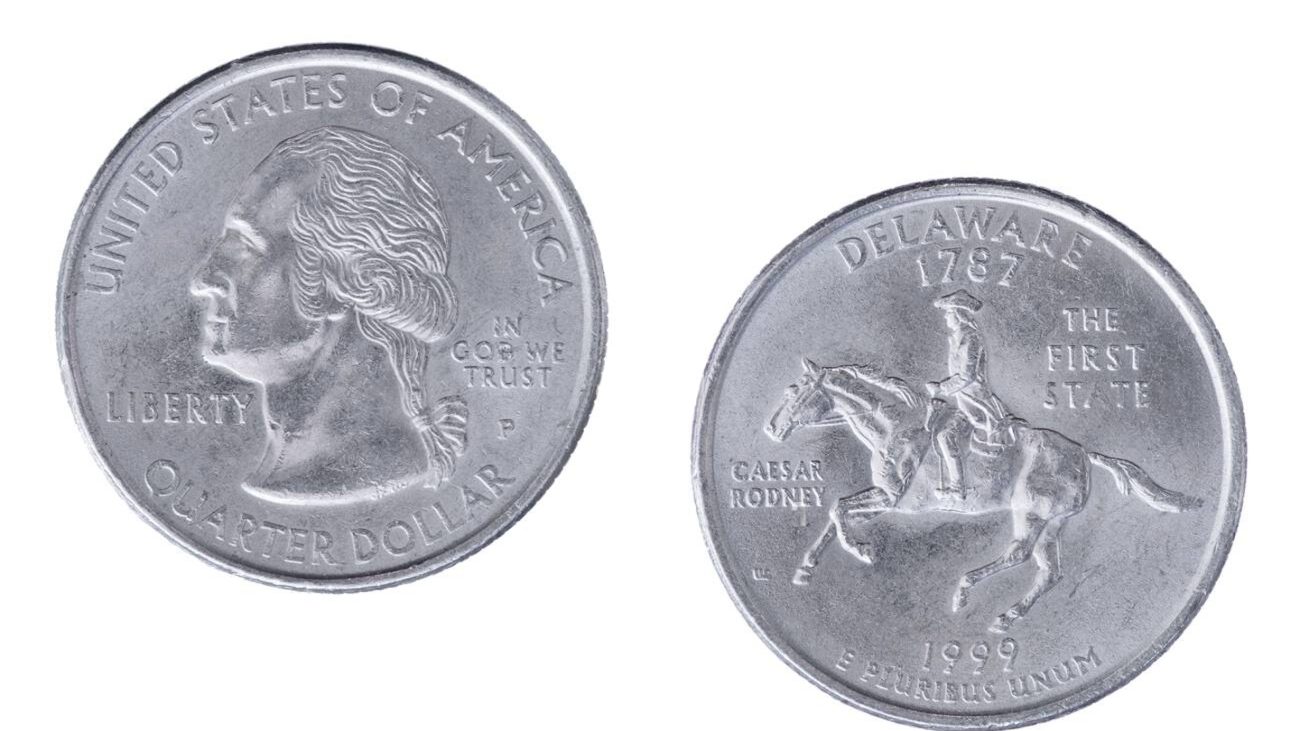
Collectors often focus on the reverse, but the obverse changed too. During the state program, Washington remained in place, yet inscriptions were rearranged so that “United States Quarter Dollar” moved to the front and “Liberty” became smaller. Those layout shifts helped accommodate the rotating state designs on the back.
Even beyond the state series, the quarter has kept evolving. According to the quarter’s long design history, the coin has featured frequent reverse changes since 1998, showing that the state program was part of a broader redesign era rather than a one-time novelty.
4. Mint marks can turn similar-looking quarters into different finds
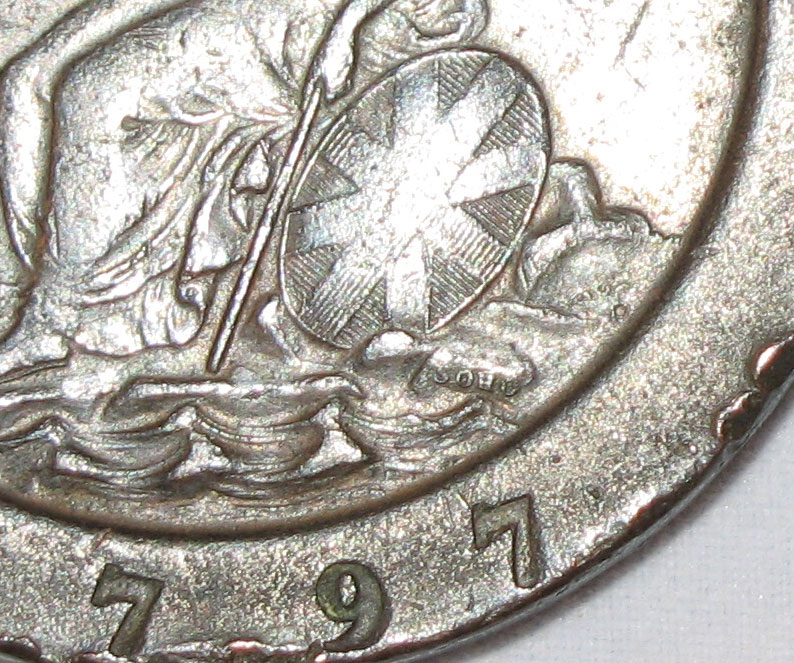
A small letter can change the story of a coin. State quarters generally carry a mint mark showing where they were struck: P for Philadelphia, D for Denver, and S for San Francisco on proofs. On modern quarters, that mark appears on the obverse near the date.
This matters because certain varieties are tied to a specific mint. The well-known Delaware “Spitting Horse” is associated with Philadelphia, while the Wisconsin Extra Leaf varieties are linked to Denver. Without that tiny letter, two otherwise similar coins might be mistaken for the same thing.
5. Some of the most famous “rarities” are really die flaws
Among the best-known state quarter oddities, several come from worn or damaged dies rather than entirely different designs. The 1999 Delaware “Spitting Horse” shows a raised line near the horse’s mouth, a result of a die crack. The effect is minor, but memorable enough to have earned a nickname that still circulates among collectors.
These varieties show how little it can take to make a coin interesting. A thin raised line, a blob of metal, or a shifted letter can draw attention precisely because the original design was supposed to be so uniform.
6. Wisconsin’s “Extra Leaf” varieties reward careful design reading
The 2004-D Wisconsin quarter is famous for what appears to be an added leaf on the corn stalk. Collectors generally describe two versions: a high leaf and a low leaf. Both depend on noticing a very specific detail within an already busy agricultural design.
That is part of their appeal. The coin asks the eye to separate intended artwork from an unintended addition, and the distinction is subtle enough that it can be missed at a glance. A state quarter meant to celebrate farmland became one of the clearest examples of how design literacy matters in coin collecting.
7. Minnesota’s “extra tree” look comes from doubling, not extra scenery
The 2005 Minnesota quarter is known for doubled die varieties that can make the tree line look thicker or duplicated. Some examples create the impression of an extra tree to the right of the state outline. Specialists have documented many versions, but the underlying clue is the same: doubled design elements caused during die preparation.
This is where magnification becomes useful. The coin does not announce itself through a dramatic shape change; instead, it rewards scrutiny of edges, outlines, and repeated forms in the landscape.
8. Wrong-planchet errors can be spotted by size and proportion
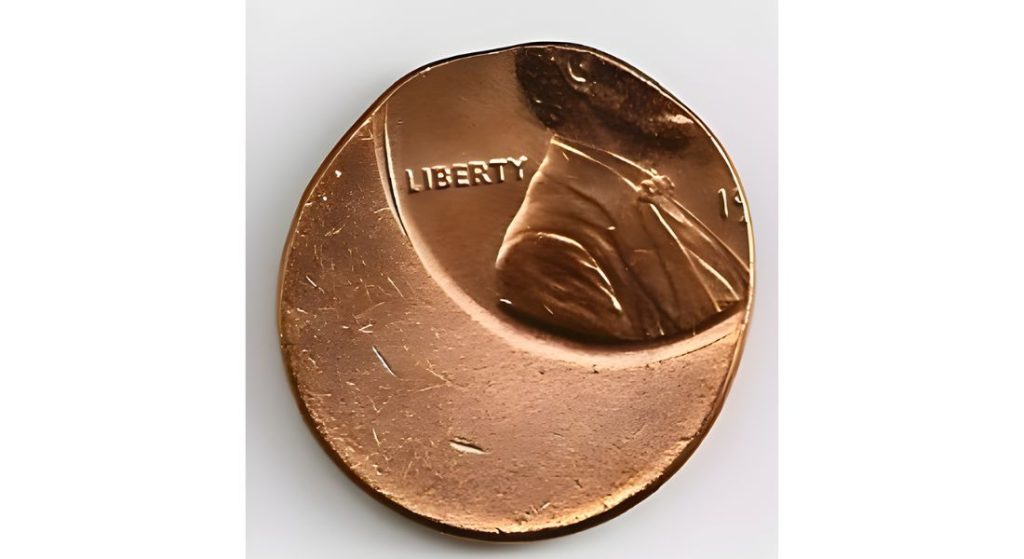
Not every unusual quarter is identified by its artwork. Some stand out because the coin itself looks physically off. Reference material on state quarter errors notes examples struck on planchets intended for smaller denominations, including pieces around 21.2 millimeters instead of 24.3 millimeters.
When that happens, the design may appear cramped, clipped, or too close to the edge. It is a reminder that a coin’s blank metal disc is as important as the design stamped onto it.
9. Condition can matter even when there is no error at all
Some state quarters draw attention not because they are flawed, but because they survived in unusually pristine form. Modern coins were made for circulation, and heavy use tends to dull the fine surfaces quickly. High-grade examples can therefore stand apart even when the design is completely normal.
That detail often surprises non-collectors. Rarity is not always about a mistake. Sometimes it is about an everyday object escaping everyday wear.
10. The series turned pocket change into a gateway to coin history
State quarters did more than showcase local imagery. They introduced the public to ideas that coin collectors use all the time: die varieties, mint marks, strike quality, planchets, and grading. A person looking for an Extra Leaf or doubled letters is already learning how coins are made. That educational effect may be the program’s most enduring hidden detail. The quarters circulated widely, but they also trained the eye.
What looked like spare change became a way of noticing craft, process, and historical symbolism in a space no larger than a quarter. That is why state quarters continue to hold attention long after their release years ended. Their value as objects of curiosity does not depend on every coin being rare. It depends on how much can be seen once a familiar design is no longer taken for granted.

