
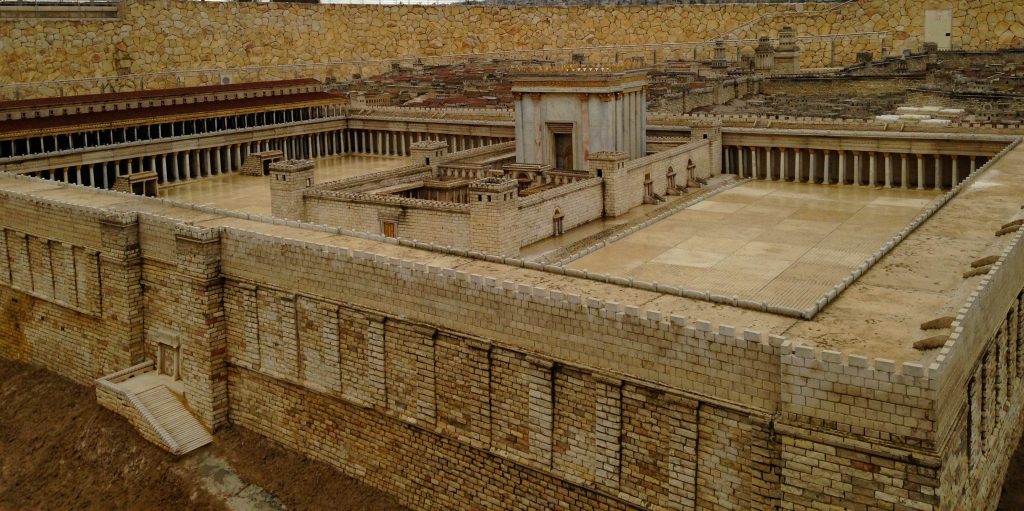
Ancient religion rarely survives as a tidy system. What remains are fragments: a blessing scratched onto silver, a shrine repurposed in stone, inscriptions that preserve a divine name, and household objects that suggest what formal texts leave unsaid. For early Israel, archaeology has widened the picture. The evidence does not simply echo later biblical ideals. It points instead to a religious world that was local, varied, and shaped as much by households and regional traditions as by royal or temple-centered worship.
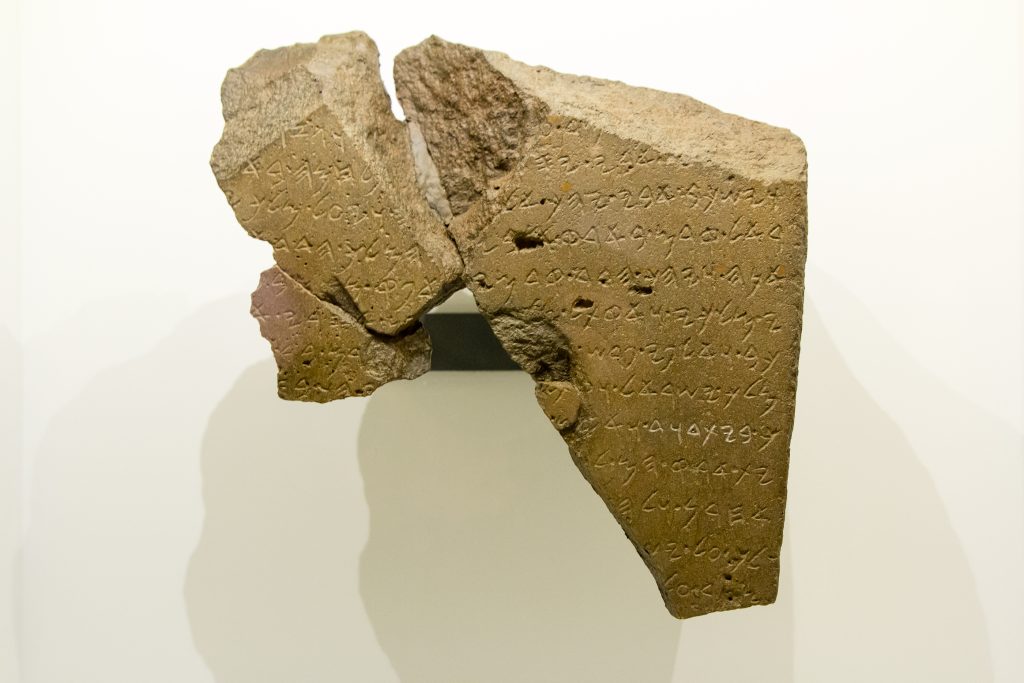
1. The earliest mentions of Israel and Judah appear outside the Bible
Some of the clearest anchors for early Israelite religion are political inscriptions. The 9th-century BCE Tel Dan Stele refers to a king from the “House of David,” while earlier Egyptian material preserves one of the oldest references to Israel as a people. These inscriptions do not describe rituals in detail, but they establish that Israel and Judah existed in the wider Iron Age landscape where national gods, dynasties, and local sanctuaries were tightly linked.
That matters because ancient worship was rarely private in the modern sense. A kingdom’s god, royal legitimacy, and sacred sites often reinforced one another. Archaeology therefore places early Israelite belief in the same regional pattern seen across the Levant: religion was bound to land, lineage, and political identity.
2. The divine name Yahweh appears to have southern roots
One longstanding clue comes from Egyptian references to the “Shasu of Yhw”, which many scholars connect with an early form of the divine name Yahweh. The setting is not central highland Israel but the southern zones associated with Edom, Midian, and nearby desert routes.
This supports a view that Yahweh worship may have entered Israel from the south before becoming the dominant marker of Israelite identity. Later biblical poetry that places Yahweh in southern landscapes fits that broader pattern. Archaeology does not turn this into a neat origin story, but it does suggest that early Israelite religion was formed through contact, movement, and adoption rather than emerging fully defined.

3. Household religion may have mattered more than temples
One of the most important shifts in scholarship is the recognition that early Israelite religion was not practiced only in grand sanctuaries. According to archaeological overviews of Israelite religion, formal temple buildings in Israel and Judah appear to have been relatively rare compared with neighboring cultures.
That absence is revealing. It suggests that much religious life happened in homes, courtyards, village spaces, and seasonal gatherings rather than in monumental sacred complexes alone. Archaeologists studying ordinary life have increasingly emphasized family rituals, healing practices, mourning customs, food preparation, and protective objects as part of religion’s everyday setting. In that picture, belief was not confined to priests or kings. It was carried by households, including women, and embedded in the rhythms of birth, illness, harvest, and grief. Early Israelite worship, then, looks less like a single centralized system and more like a network of lived practices.
4. Kuntillet Ajrud preserves traces of a more crowded sacred world
The inscriptions from Kuntillet Ajrud are among the most discussed finds in the study of ancient Israelite belief. They include blessings invoking Yahweh and have often been cited in debates over whether some Israelites understood Yahweh alongside a figure called Asherah.
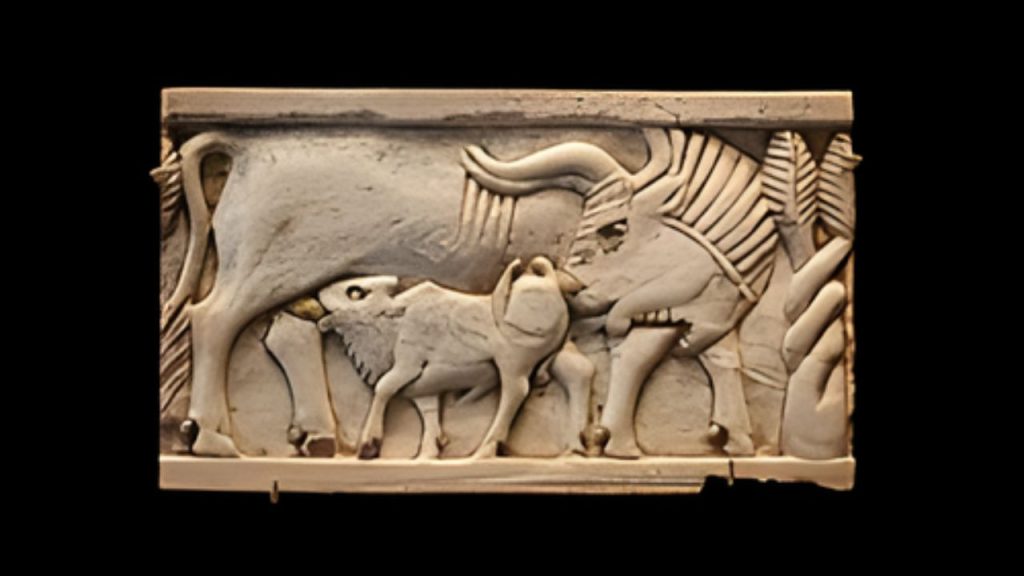
The site itself remains debated, and not every inscription proves the same thing. Even so, the material shows that religious language in the early Iron Age could be more layered than later exclusive monotheistic traditions suggest. Rather than a clean divide between “true” and “false” worship, the evidence points to overlapping practices, local expressions, and divine imagery that had not yet been fully standardized.
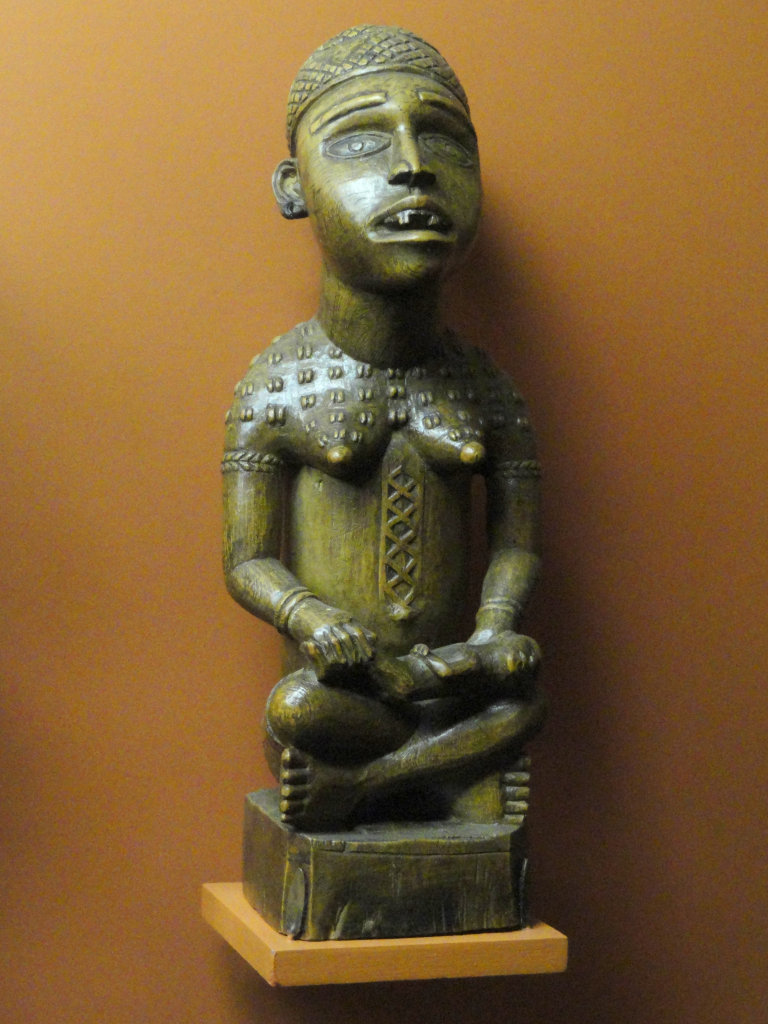
5. Figurines hint at ritual life beyond official texts
Small clay figurines, especially female forms found in Judahite contexts, have become central to the study of popular religion. Their exact use is still discussed, but archaeologists consistently treat them as evidence that ritual life extended far beyond elite theology.
These objects suggest concerns with fertility, protection, family continuity, and household well-being. They also complicate any assumption that the religion described in later edited texts always matched the religion people practiced. In archaeological terms, belief leaves behind habits more often than doctrines, and figurines are one of the strongest signs of that lived dimension.

6. Silver amulets from Jerusalem show blessing traditions in use
Two tiny silver scrolls from Ketef Hinnom preserve a version of the priestly blessing familiar from Numbers. They are widely recognized as the oldest known copies of biblical text, dating to the late 7th or early 6th century BCE.

Their significance is not only textual. They were amulets, worn or carried for protection. That means a sacred formula was functioning in the material world as an object of blessing, not only as literature. The find offers a rare glimpse of how words, bodies, and belief came together in practice. It also shows that by this period, the divine name and protective liturgy were already part of daily religious life in Jerusalem.
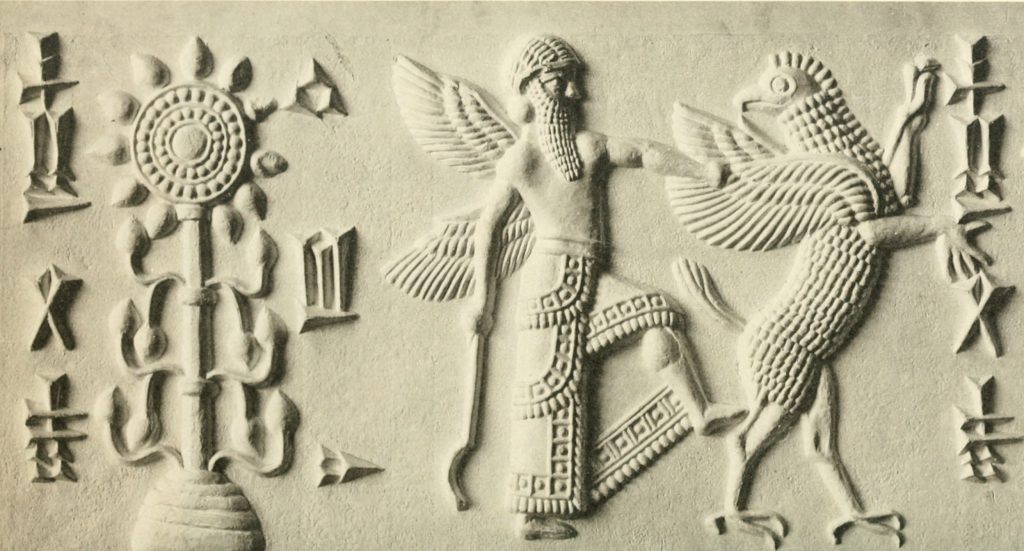
7. Inscriptions with Yahwistic names reveal how belief entered ordinary identity
Seal impressions, bullae, and personal names from Judah show that the divine name was woven into administration and family identity. Names containing forms of Yahweh did more than identify individuals; they signaled belonging within a culture where devotion and social life were intertwined. This is one of archaeology’s quieter clues. A seal used for storage, record-keeping, or ownership can reveal what a community normalized. When Yahwistic names appear in these everyday settings, they show that worship was not limited to dramatic acts of sacrifice or public festivals. It was also present in naming children, marking goods, and conducting the business of ordinary life.
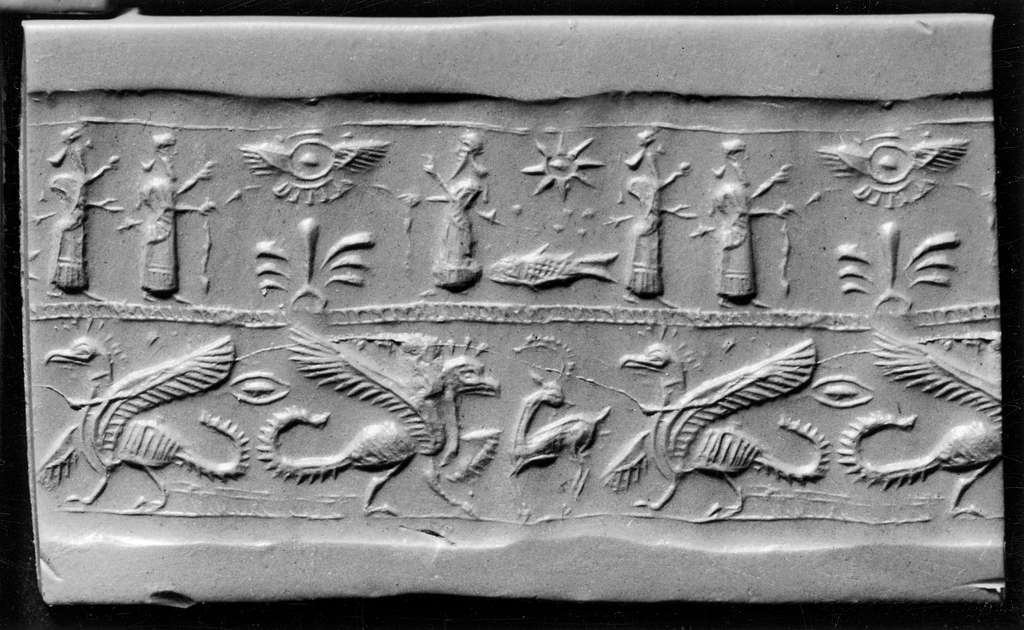
Taken together, these clues do not present early Israelite religion as fixed from the start. They point to a tradition that developed across households, regions, and centuries, with Yahweh worship gradually becoming more prominent within a broader Levantine religious environment. That is archaeology’s particular gift: not a single answer, but a fuller human setting for belief. Stones, amulets, inscriptions, and figurines show early Israelite worship as something practiced on the ground messy, local, and deeply woven into daily life.

