
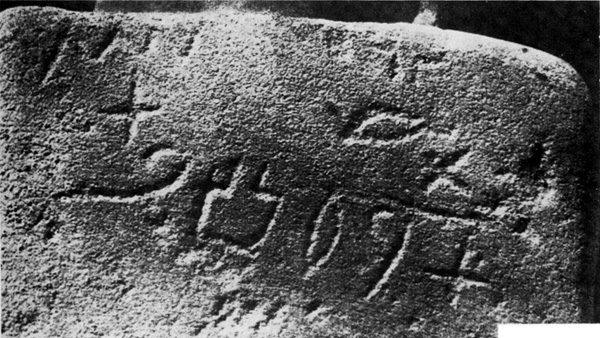
The alphabet now used across much of the world traces back to a startlingly small body of marks cut into stone. In the Sinai Peninsula, at a turquoise-mining landscape called Serabit el-Khadim, workers left behind brief inscriptions that preserve one of humanity’s most consequential ideas: writing built from signs for sounds rather than hundreds of specialized symbols.
Those inscriptions remain fragmentary, debated, and often difficult to read. Yet their importance is not in a single dramatic line of text. It lies in the system itself, a flexible script that helped transform writing from an elite craft into a tool that could travel across languages, regions, and centuries.

1. They captured the earliest known alphabetic experiment
The Sinai texts belong to what scholars call Proto-Sinaitic, part of the earliest alphabetic tradition known. The corpus is small, with about 30 to 40 inscriptions and fragments from Serabit el-Khadim, but its historical reach is immense. This script is widely understood as an ancestor of later West Semitic alphabets and, through Phoenician, part of the family tree that eventually led to Greek and Latin.
That scale is easy to miss because the inscriptions themselves are so short. Their power comes from being early evidence that a compact set of signs could record language in a radically simpler way than older systems.

2. They turned pictures into sounds
The great innovation was acrophony: a picture stood for the first sound of the Semitic word for that object. An ox head could signal the sound linked to alef, a fish could represent the sound from dag, and a snake could point to the sound from nahash. In this way, familiar images stopped functioning as full words or elaborate symbols and became building blocks for speech.
This principle made the script both economical and portable. A writer no longer needed a vast scribal education to memorize hundreds of signs and rules. A much smaller inventory could do the work.

3. They show how Egyptian hieroglyphs were repurposed, not simply copied
The Sinai inscriptions emerged in a world shaped by Egypt, and many letter forms appear to have been adapted from hieroglyphic signs. Scholars have long pointed to examples such as the sign for a house becoming the basis for a consonant value tied to the Semitic word for house, bayt. That shift mattered because it separated visual borrowing from linguistic function: the sign’s image came from Egypt, but its sound value followed a Semitic language. This was not a casual imitation. It was a structural redesign of writing.
4. They may have been shaped by workers outside scribal elites
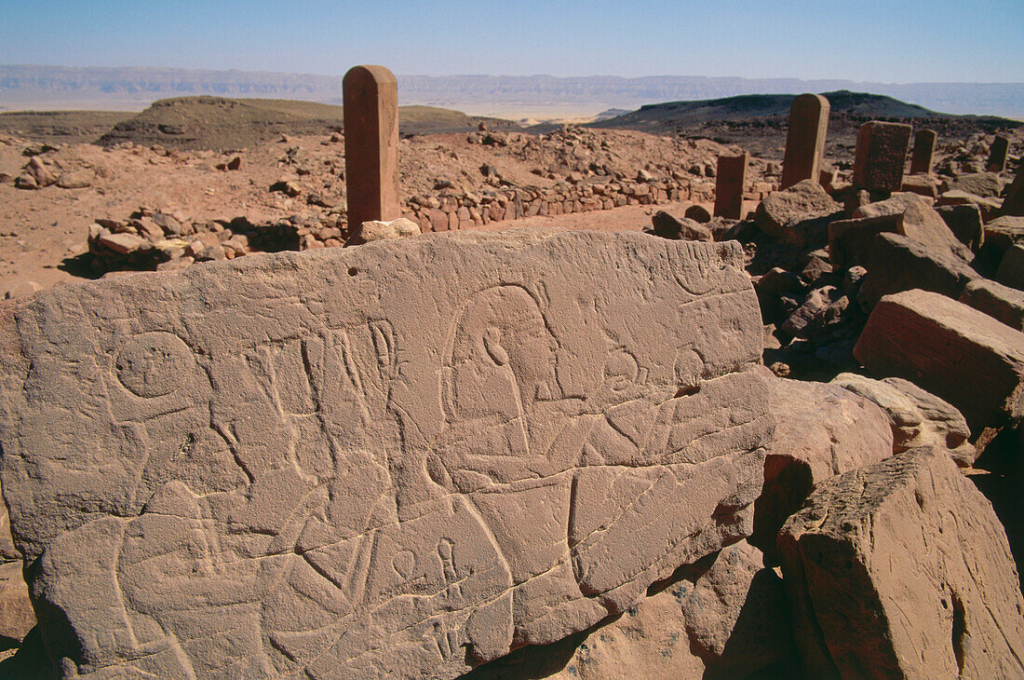
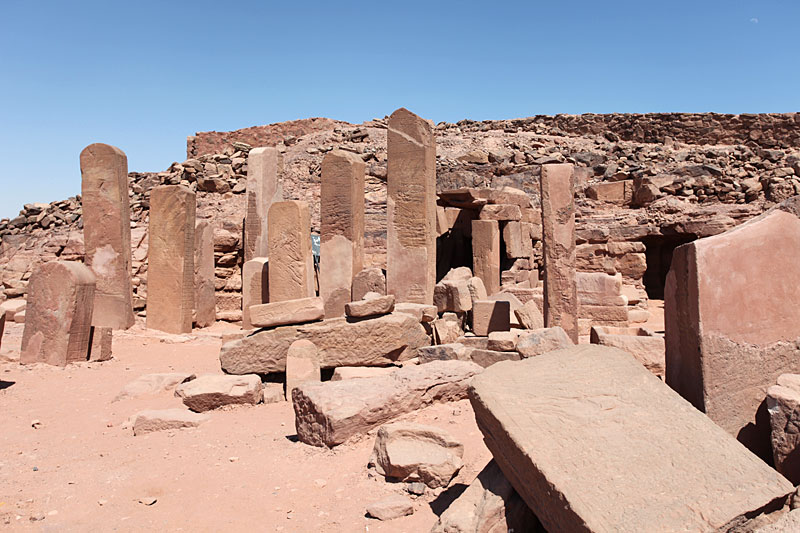
Serabit el-Khadim was a mining zone, not a palace library. The inscriptions appear near turquoise mines, on rocks, and around a temple to Hathor, the Egyptian goddess associated with the site. Some scholars have argued that Semitic-speaking laborers or low-ranking workers helped devise or spread this script, drawing on signs they saw in Egyptian monumental writing while creating something more practical for their own use.
That social setting helps explain why the alphabet changed history. A simpler script could circulate beyond the narrow class of formally trained scribes. In that sense, the alphabet was not only a linguistic breakthrough but also a cultural one.
5. They preserve an early stage before the letters became abstract
Later alphabets use streamlined forms that often hide their pictorial ancestry. In the Sinai inscriptions, that ancestry is still visible. Ox heads, water signs, heads, staffs, and other figures remain recognizable, even when incised quickly. The signs stand at a threshold between image and letter, preserving the moment when writing was shedding its pictorial skin without losing it entirely.
This is one reason the inscriptions matter so much to historians of writing. They reveal the alphabet before it looked like an alphabet in the modern sense.
6. They connect Sinai to a wider early alphabetic world
Serabit el-Khadim is central, but it is not the whole story. Two important inscriptions at Wadi el-Hol in Middle Egypt suggest that early alphabetic writing was also present far from the Sinai mines, possibly as early as the 19th or 18th century B.C. That broader geography has fueled a long-running debate over whether the alphabet first emerged in Egypt, Canaan, or through sustained contact between the two.
What remains clear is that the Sinai inscriptions sit within a larger zone of interaction linking Egyptian power, Semitic languages, labor movement, and trade routes. The alphabet did not appear in isolation; it formed in contact.

7. They preserve religious and personal voices, not just technical marks
Many inscriptions appear to be votive or devotional. Alan Gardiner’s influential work identified recurring forms such as bʿlt, read as Ba‘alat or “the Lady,” associated with Hathor at Serabit. Other finds include an inscription from Mine L bearing two signs read as El, a major Northwest Semitic divine name.
These traces matter because they show the alphabet serving ordinary human needs from the beginning: prayer, dedication, identity, memory. The earliest alphabet was not merely administrative technology. It carried belief and belonging.
8. They became the deep roots of later scripts
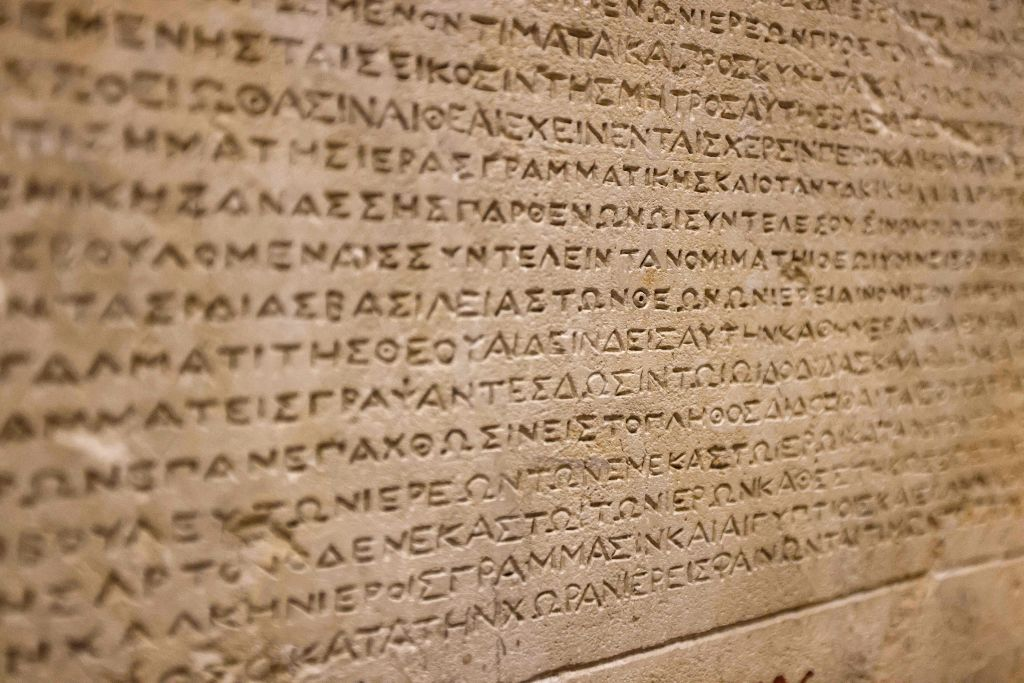
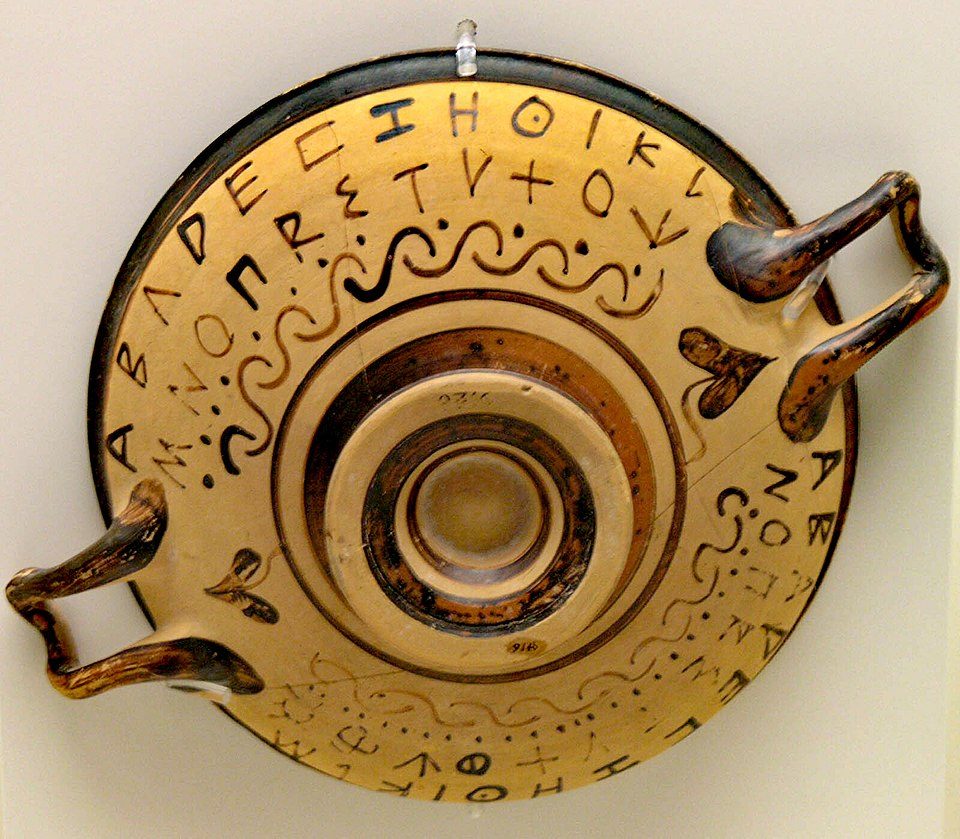
From Proto-Sinaitic and related early alphabetic traditions came Proto-Canaanite and then Phoenician, the script that became one of the great transmitters of alphabetic writing around the Mediterranean. From that branch came the Greek alphabet, and from Greek came Latin. The line is not perfectly straight, and scholars continue to debate details, but the broad inheritance is widely recognized.
That means the marks incised near the Sinai mines belong to the remote ancestry of alphabets now used by billions of people. A handful of rugged signs in stone helped set in motion one of the most durable communication systems ever created.

The Sinai inscriptions endure because they document a rare threshold in human history. They show writing becoming lighter, more adaptable, and more teachable without losing its power to carry names, prayers, and memory. In those brief carvings, the alphabet was still young enough to look like pictures and bold enough to change the world.

