

Physical retail is still shifting, but expansion has not disappeared. Several major chains are using 2026 to add locations, deepen regional reach, and strengthen in-person shopping at a time when store fleets are being reshaped across the country.
The pattern is especially clear among discount grocers, off-price apparel sellers, warehouse clubs, and specialty brands with strong customer followings. In many cases, the new locations are less about rapid land grabs and more about building a durable footprint in markets where value, convenience, and local relevance continue to matter.
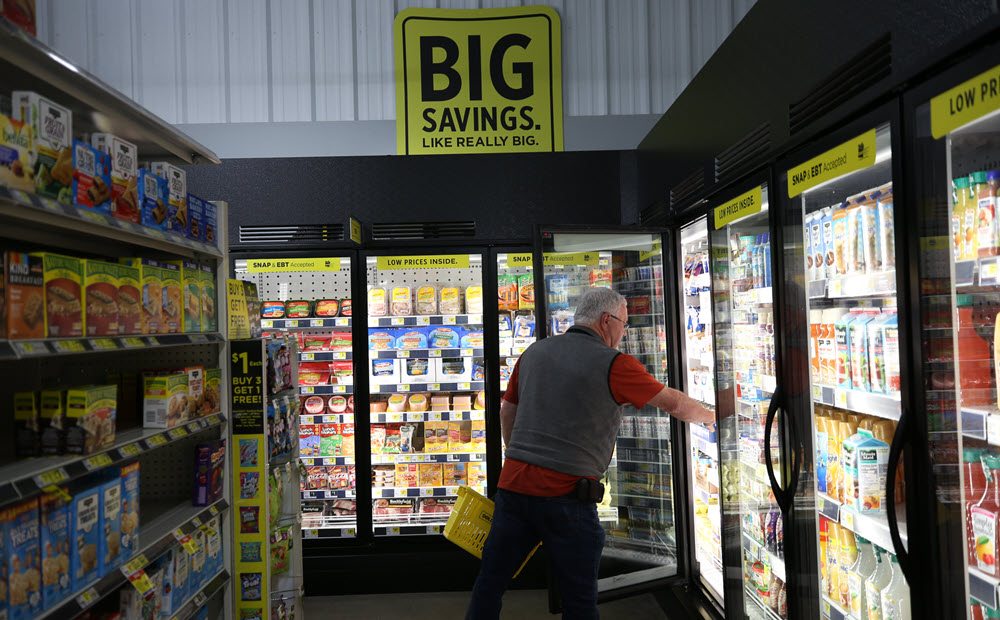
1. Dollar General
Dollar General has the biggest store-growth plan in this group, with 450 new stores planned for 2026. During a December earnings call, CEO Todd Vasos said the company did not feel pressure to rush into every empty retail site left behind by rivals, even as it kept moving ahead with a large expansion program.
That approach says a great deal about the current market. Dollar stores remain one of the clearest examples of chains that can keep growing while many traditional retailers trim their fleets, and Coresight’s 2026 opening analysis placed Dollar General among the leaders in planned additions.
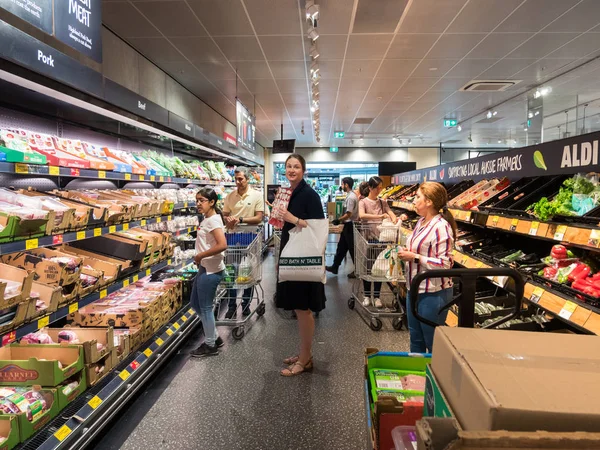
2. Aldi
Aldi entered its 50th anniversary year with plans for more than 180 new U.S. stores by the end of 2026 across 31 states. The expansion is part of a broader push that would bring the grocer to nearly 2,800 stores by year-end, moving it closer to its longer-term target of 3,200 locations by 2028.
The strategy fits the wider momentum behind value-focused food retail. Aldi’s growth stands out not only for scale, but for how broadly it is spread geographically, giving the chain more room to capture shoppers looking for a streamlined grocery trip.
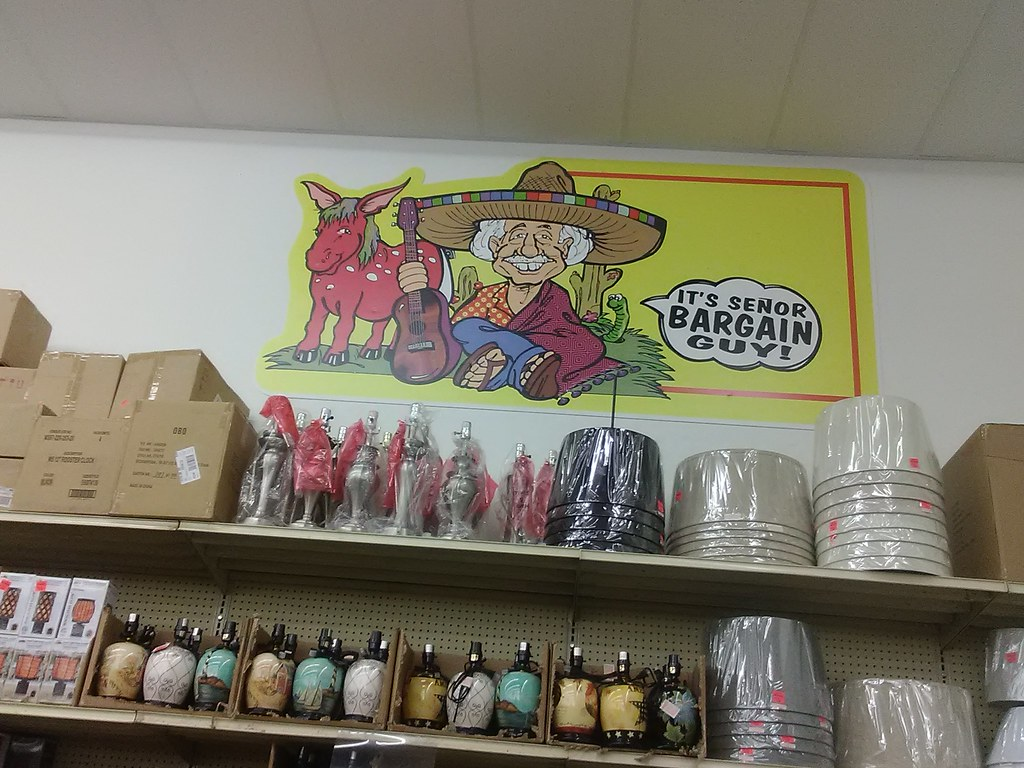
3. Ollie’s Bargain Outlet
Ollie’s Bargain Outlet is targeting 75 new stores in fiscal 2026 after a strong stretch of foot traffic and openings in the prior year. The discount chain’s growth has become a notable signal that bargain-first retail still has room to expand in a crowded market.
Company leadership has framed new locations as the best use of capital, underscoring how central store expansion remains to Ollie’s model. Its trajectory also reflects the broader consumer tilt toward closeout, surplus, and deal-driven shopping.
4. Barnes & Noble
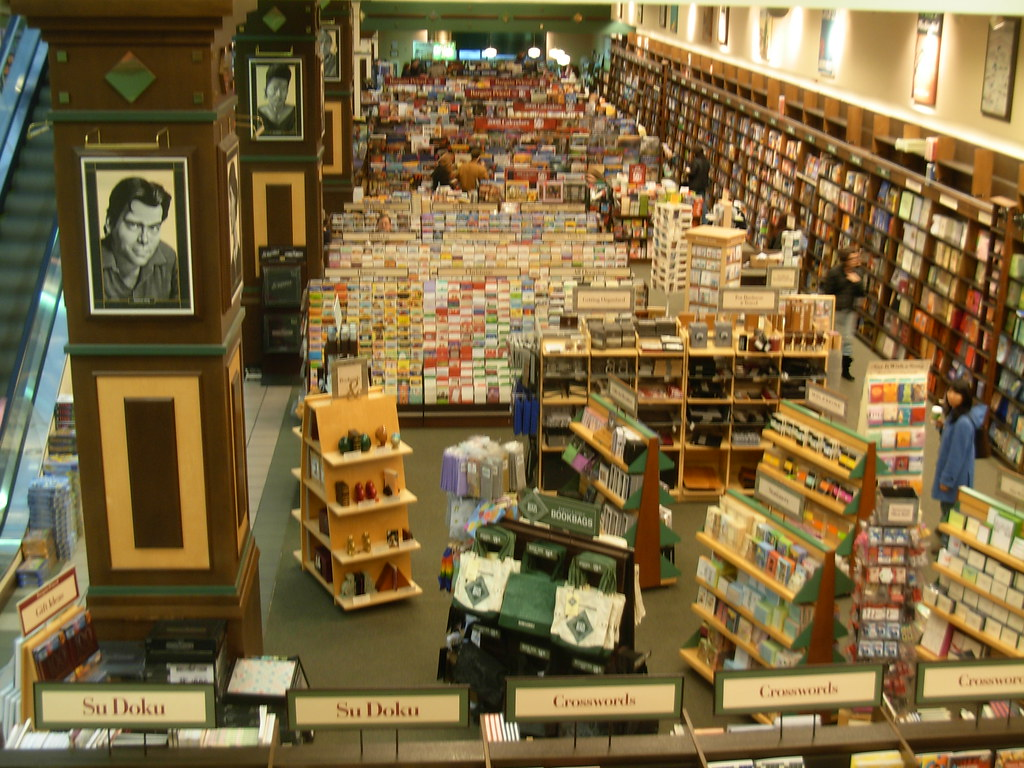
Barnes & Noble is set to open 60 new stores in 2026, continuing a turnaround that has drawn attention across the retail industry. The bookseller has linked that momentum to a decentralized operating model that gives local teams more control inside individual stores.
The company described that model in a statement quoted by Fox Business: “Barnes & Noble is enjoying a period of tremendous growth as the strategy to hand control of each bookstore to its local booksellers has proven so successful.” USA Today also reported that new Barnes & Noble locations are planned across 10 states, including Texas, Florida, California, and Virginia.
5. BJ’s Wholesale Club
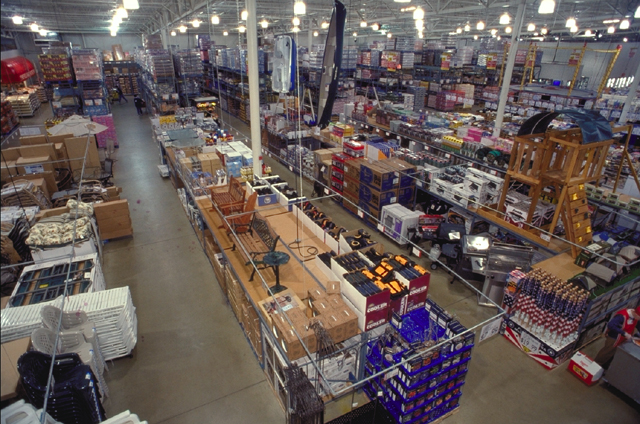
BJ’s Wholesale Club plans to end 2026 with 25 to 30 new stores, including locations already opened during the expansion cycle. CEO Bob Eddy told analysts that the newer clubs were outperforming expectations in sales, membership, and profit.
Warehouse clubs have been one of the steadier physical retail formats because they combine bulk buying with recurring membership revenue. BJ’s has leaned into that formula, treating new clubs as long-term anchors rather than short-term experiments.
6. Kroger
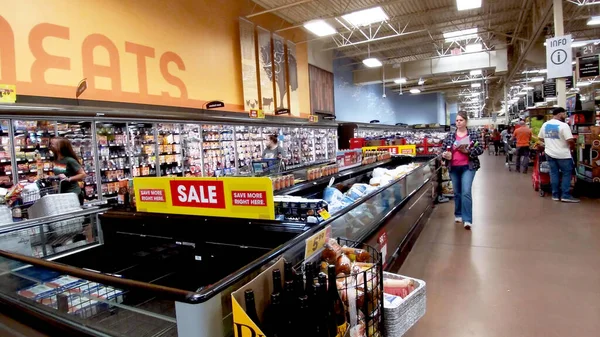
Kroger has confirmed plans to break ground on 14 new stores in 2026. The grocery chain had already told investors it expected store openings to increase by 30% this year, signaling a more assertive development pace than in prior periods.
For a supermarket operator of Kroger’s size, that number is meaningful. Grocery expansion tends to be slower and more capital-intensive than many other retail categories, so confirmed groundbreakings point to a deliberate confidence in selected markets.
7. Nordstrom Rack
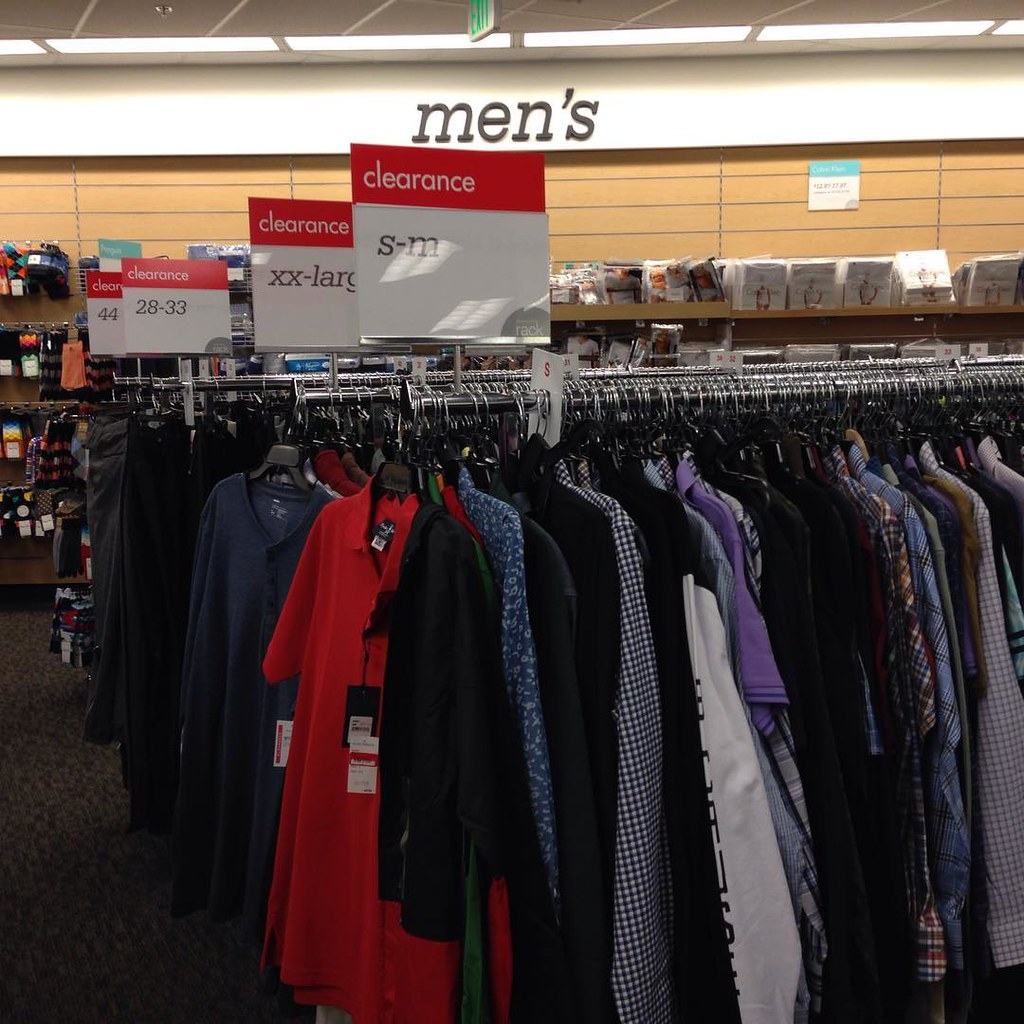
Nordstrom Rack has announced plans to open at least 13 new stores during the spring and fall of 2026. The off-price chain’s upcoming locations include markets in Massachusetts, New Jersey, Virginia, and California, extending a format that has benefited from shoppers’ continued interest in recognizable brands at lower prices.
The appeal is straightforward. Off-price retail has stayed resilient because it gives customers a reason to visit stores in person, and at least 13 openings show Nordstrom Rack is still investing in that traffic pattern.
8. Uniqlo
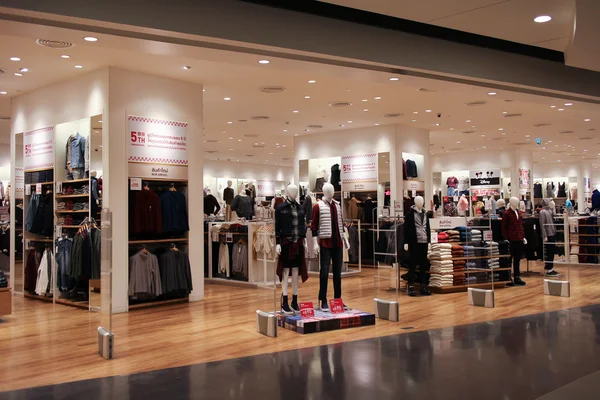
Uniqlo is expected to add 11 new U.S. stores in 2026, including two flagship locations in Chicago and San Francisco. The expansion spans major urban markets and builds on the company’s long effort to widen its American footprint without abandoning a focused, city-led strategy.
In a statement, U.S. CEO Fuminori Adachi said, “These new stores are not only a milestone of our growth, but a way of honoring the customers who welcomed us two decades ago and continue to inspire everything we do.” Additional reporting has tied the rollout to seven U.S. cities in the first half of 2026.
Taken together, these openings show where physical retail remains strongest: value, essentials, loyalty-driven specialty categories, and store formats that offer something digital channels cannot fully replace. Discount chains are moving fastest, but books, apparel, and warehouse retail are also making a larger in-person bet.
That does not erase the wider churn in the industry. It does show that for a select group of chains, 2026 is shaping up as a year of targeted expansion rather than retreat.

