
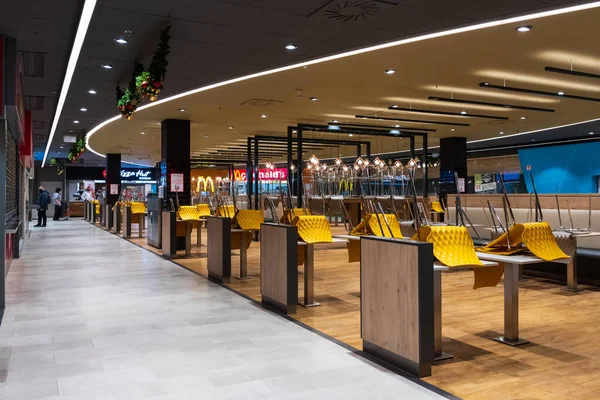
When a major chain leaves a mall, the space rarely stays what it was. A shuttered department store can sit dark for months, but it can also become a clinic, a church, a bowling venue, offices, housing, or several smaller businesses stitched together under one roof.
That shift says as much about everyday life as it does about retail. Mall landlords and local developers have spent years trying to replace the old anchor model with spaces that bring people in for more than shopping, and recent projects show that the answer is often a different kind of destination altogether.
1. One large store gets split into several smaller tenants
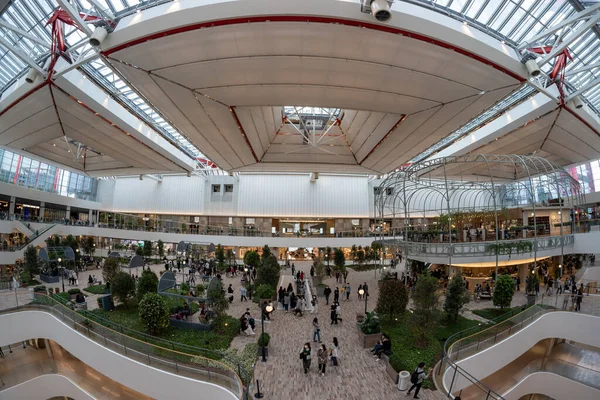
A common outcome is subdivision. Instead of waiting for one department store-sized replacement, landlords cut the box into multiple units that can fit restaurants, sporting-goods stores, bookstores, or specialty retailers with more realistic space needs.
Executives at large mall operators have described this as a long-term recovery strategy after the wave of anchor closures in the late 2010s. In some properties, former Sears locations that once brought in modest revenue were reworked into combinations of tenants generating five to six times more, according to comments in subdivided former Sears spaces. The logic is simple: several different draws can create more repeat visits than one fading department store.
2. Entertainment moves in where apparel once dominated
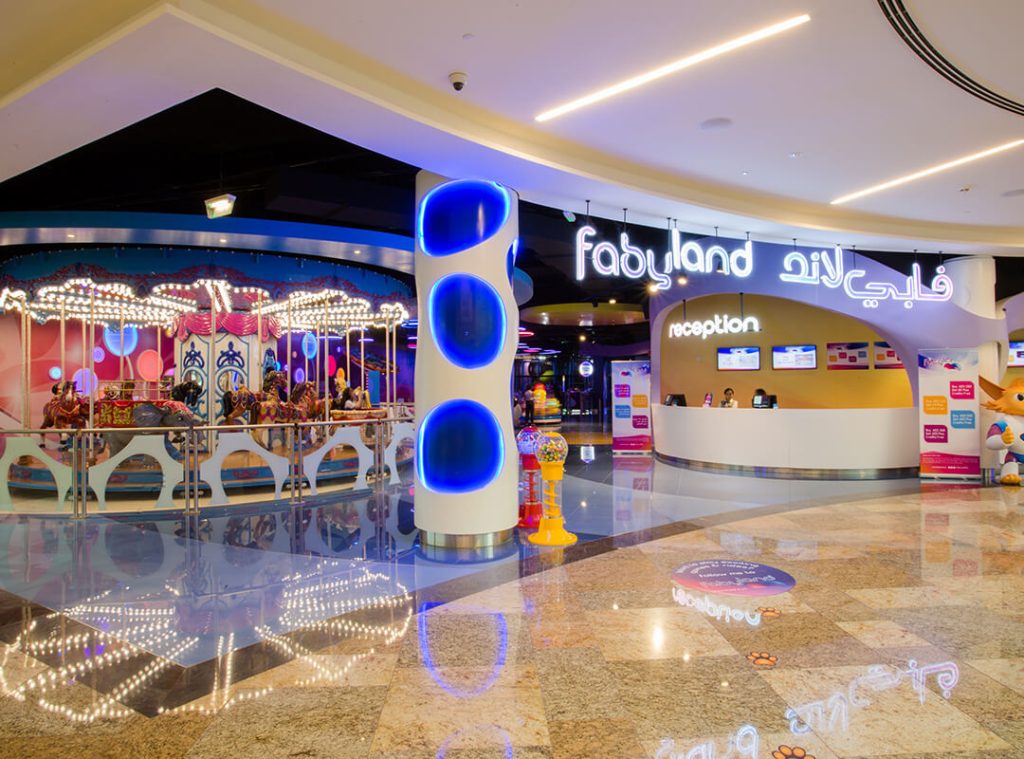
Empty anchors are increasingly used for experiences that cannot be downloaded or delivered. Bowling, arcades, laser tag, cinemas, and similar venues are regularly used to refill large vacant boxes because they give people a reason to visit even when they are not planning a traditional shopping trip.
This is part of a broader change in how malls function. Industry sources have pointed to Dave & Buster’s-style concepts, theaters, and family entertainment as practical replacements for old anchors because they extend dwell time and can feed nearby food and retail tenants. In many centers, the former shopping errand has become a social outing.
3. Churches and community groups can become anchor tenants
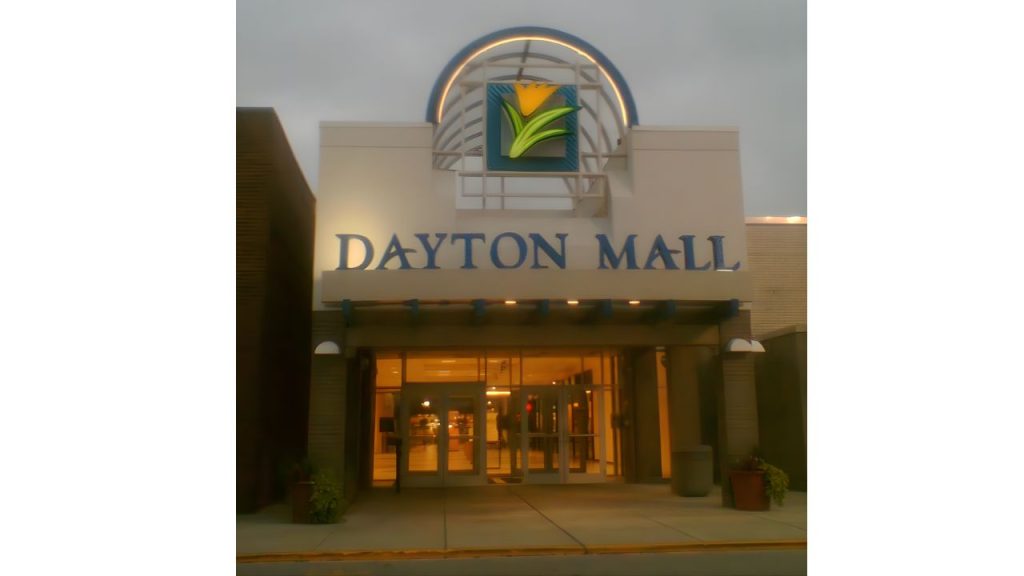
Some of the most surprising replacements are not retailers at all. At Ohio’s Dayton Mall, a former Sears was repurposed by Crossroads Church at the Dayton Mall, which turned a large portion of the site into a worship and community space while keeping a direct relationship with the rest of the mall.
The effect is not only visual. The church’s presence reportedly brought thousands of people back into a property that had struggled after anchor closures, and mall leaders described the arrangement as a source of cross-traffic. It is a reminder that a big vacant store can become a civic space, not just a commercial one.
4. Medical offices and health services take over excess space
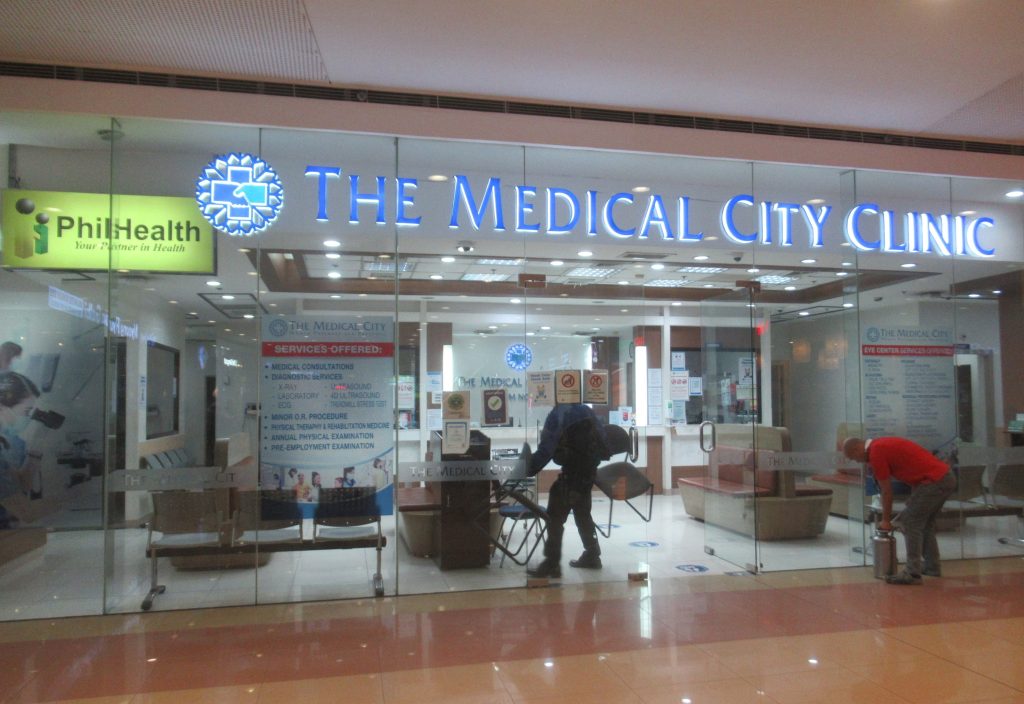
Healthcare systems have also stepped into dead mall real estate, especially where communities no longer need as much retail square footage. These buildings already have parking, visibility, and easy access, which makes them practical candidates for clinics and outpatient services.
At The Shops at Ithaca Mall, Cayuga Health acquired 108,000 square feet and converted a large former retail area into medical offices with internal medicine, cardiology, lab services, and family practice. The project reflected a blunt reality: some communities can support part of a mall as retail, but not all of it. In that setting, a clinic can stabilize a property while keeping part of the center active.
5. Bookstores and niche retailers can outperform old anchors
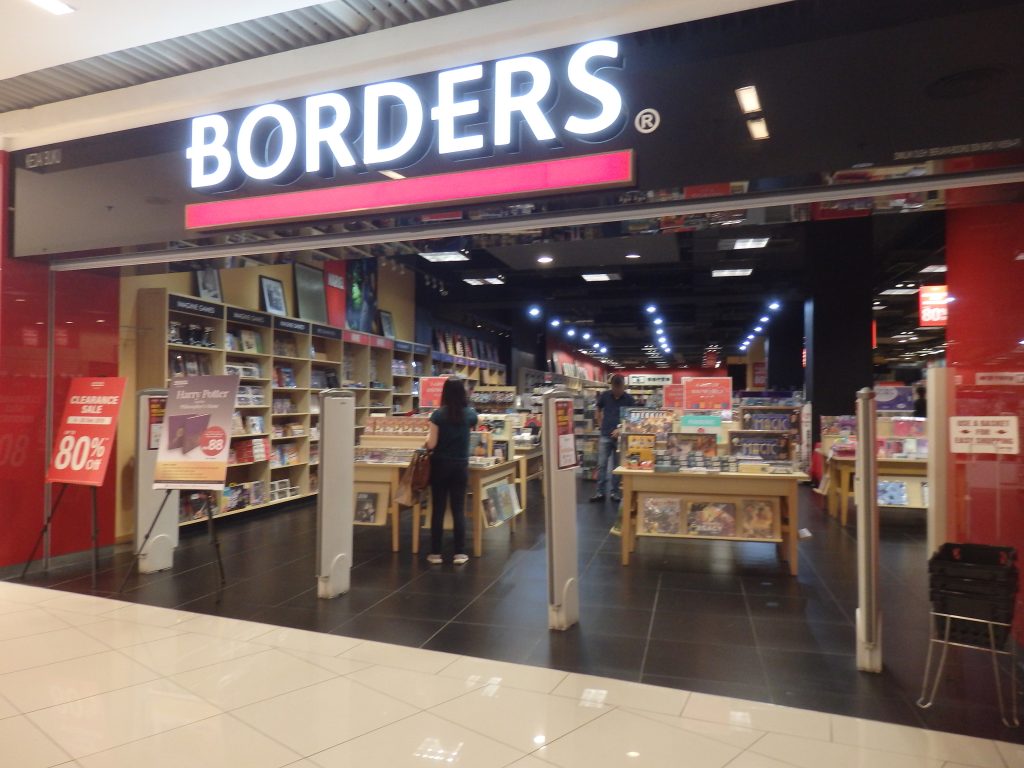
Not every replacement is unconventional. Some are still stores, just not department stores. The difference is that the newer tenants tend to be more targeted and are chosen because they fit how shoppers move through malls now.
Traffic data cited by mall operators has shown a notable Barnes & Noble effect in some enclosed malls, where the bookseller became a stronger traffic driver than legacy anchors. That matters because it suggests a mall does not always need a single giant department store to feel active. A well-matched specialty tenant can become a destination in its own right.
6. Offices move in, especially when location still works
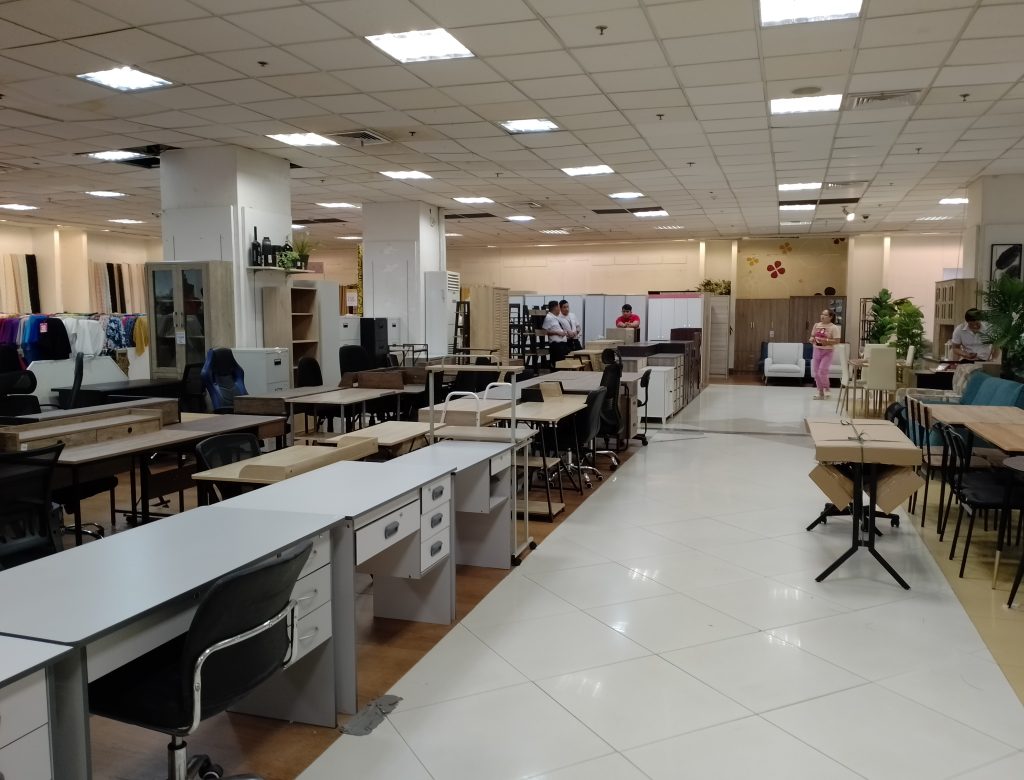
Some former mall stores are converted into workplaces. Office reuse does not create traffic in the same way entertainment or dining does, but it brings a steady daily population that can support food, services, and convenience retail nearby.
This approach appears most often in properties with solid access and surrounding density. In redevelopment projects outside the US as well as in domestic planning discussions, former inward-facing retail boxes have been redesigned with better light, meeting rooms, and shared amenities so they function more like modern commercial buildings than leftover stores.
7. Housing gets added when the land matters more than the old layout
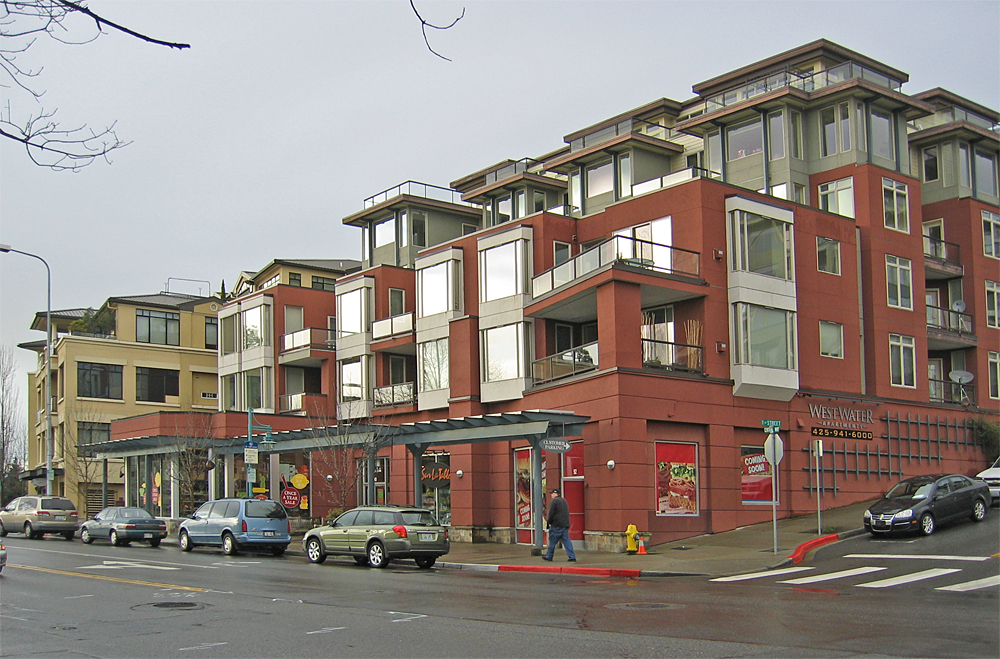
In some cases, the store itself is not the long-term asset. The land is. Large mall sites usually include vast parking areas and oversized parcels, which makes them candidates for apartments, hotels, green space, and mixed-use redevelopment.
That is why some struggling malls are partially demolished instead of simply re-leased. A redevelopment proposal for Westminster Mall in California, for example, included more than 1,100 housing units, hospitality, dining, retail, and public outdoor features. When that happens, the empty store becomes the first step in a much bigger remake of the property.
8. Some malls stop relying on anchors at all
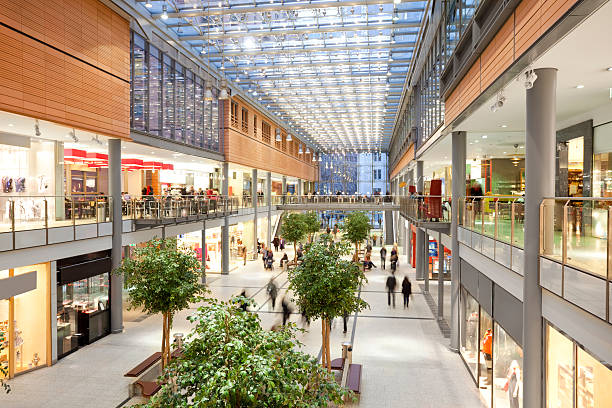
The most significant shift is conceptual. A growing number of developers no longer treat the anchor store as the center of the whole formula. Instead, they build or remake properties as places where people can live, work, eat, gather, and attend events. That thinking aligns with the argument that malls do not necessarily need a single giant draw anymore. As one retail developer said in creating an experience with different elements, the goal is not one store but one place. For empty mall spaces, that often means becoming only one piece of a broader community hub rather than the star of the site.
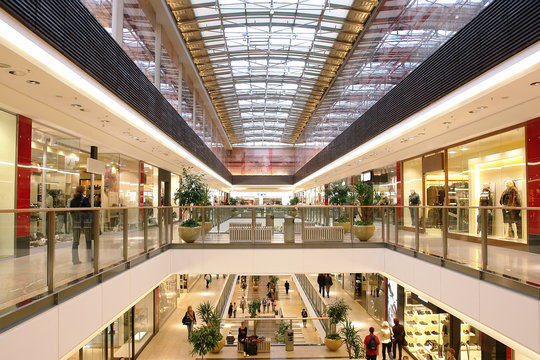
Empty mall stores still symbolize the decline of an older retail era, but they also reveal how flexible these properties can be. Once a chain closes, the next chapter is often less about replacing a brand name and more about finding a use that matches how people actually spend time now. That is why the afterlife of a mall store can look so different from its past. The same box that once sold appliances or apparel may end up delivering healthcare, hosting worship services, drawing families to entertainment, or helping turn a mall into a neighborhood center again.

