
Hollywood has long sold the idea of effortless reinvention. Behind that glamour, many performers were taught a harsher lesson: a name, an accent, a hairline, or a family background could be treated as a career obstacle.
For some actors, changing a public identity was not vanity or whim. It was a professional adjustment made inside an industry that often rewarded whiteness, familiarity, and easy marketability over complexity. These stories show how often talent was asked to arrive disguised.

1. Martin Sheen turned Ramón Estévez into a workable audition name
Born Ramón Antonio Gerardo Estévez, Martin Sheen has said he had trouble getting auditions under his birth name. Adopting a stage name helped him move through New York theater and into film and television at a time when Latino identity could narrow casting rather than expand it. He kept his legal name, a detail that makes the split especially revealing: the public brand changed, but the private self did not.
His career later became one of the clearest examples of how industry bias could shape even the earliest decisions an actor made. The message was simple and damaging: some names were treated as easier to sell.
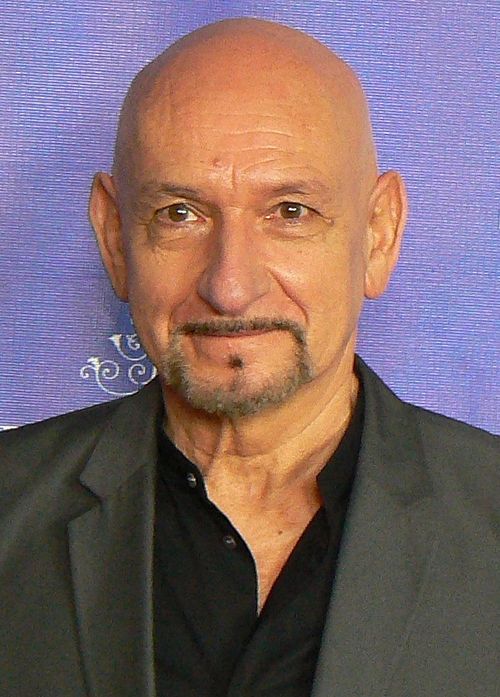
2. Ben Kingsley left Krishna Bhanji behind for the stage
Before he became Ben Kingsley, the actor was born Krishna Bhanji to an Indian father and English mother. Early in his career, he adopted an English stage name to avoid being boxed into narrowly ethnic roles. In British theater and film, where appearance and name could determine who was seen as universal, the change widened his access to parts.
The decision was practical, not decorative. It reflected an entertainment culture in which a performer with South Asian roots often had to neutralize visible markers of identity before being granted range.

3. Rita Hayworth was rebuilt from Margarita Cansino
Rita Hayworth’s transformation remains one of the most striking studio-era examples of engineered assimilation. Born Margarita Cansino to a Spanish father and Irish American mother, she was reshaped by Columbia Pictures through a new name, dyed hair, and even painful electrolysis to alter what executives considered an “ethnic” hairline, as described in painful electrolysis to shorten her hairline.
That makeover did more than polish an image. It created distance between the woman’s heritage and the star the studio believed audiences would accept. Even when she later played Hispanic characters, the version of her presented onscreen had already been filtered through Hollywood’s preferred idea of glamour.
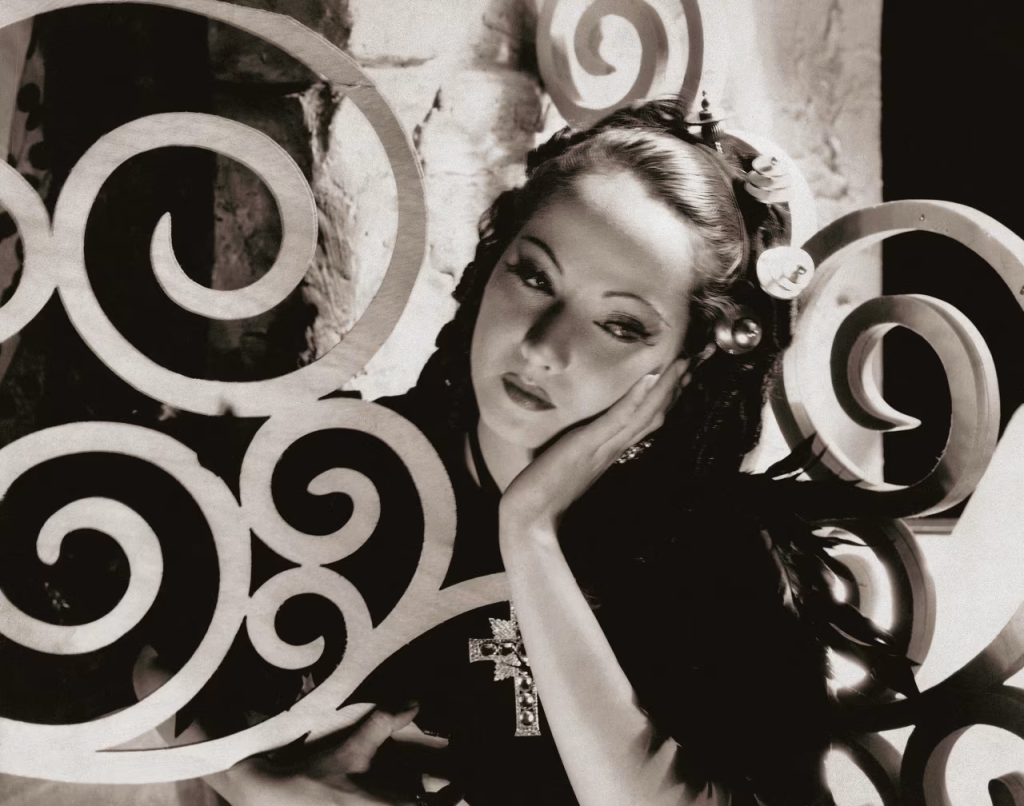
4. Merle Oberon built an entirely different origin story
Merle Oberon’s case went beyond a name change. Born Estelle Merle Thompson in Mumbai, she spent much of her life protecting a fabricated biography that placed her birth in Tasmania instead. That fiction helped shield her South Asian ancestry in an era when Hollywood’s Hays Code prohibited interracial romance on screen and studios relied on white leading-lady imagery.
She also worked to soften traces of her accent and endured pressure around her complexion. According to accounts of her career, producers urged her to use whitening creams, and technical work on lighting later helped alter how her skin appeared on camera. Her success was real, but so was the cost of maintaining a secret life large enough to hold it.
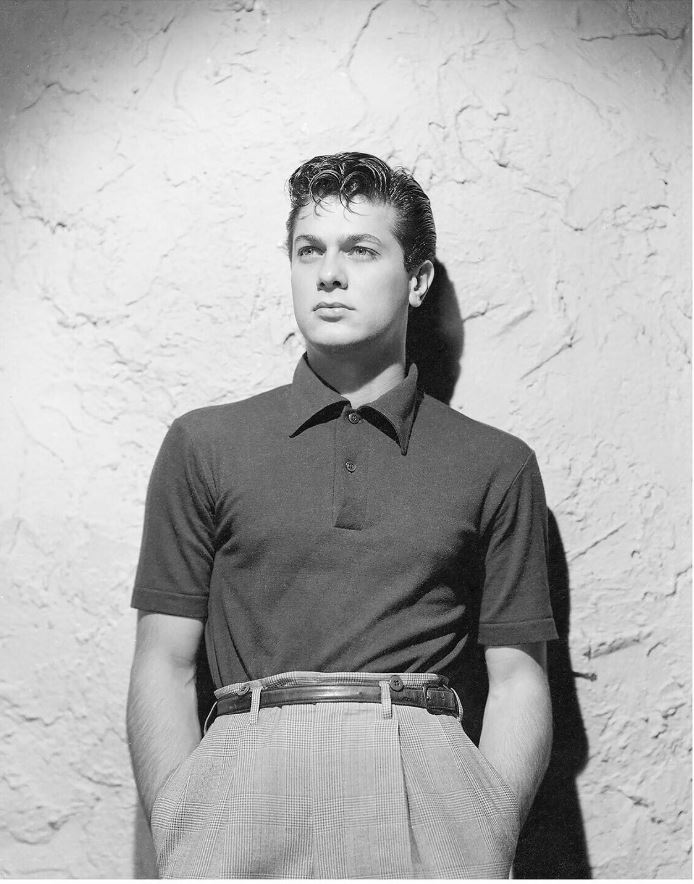
5. Tony Curtis traded Bernard Schwartz for a studio-friendly identity
Tony Curtis entered Hollywood as Bernard Schwartz, the son of Hungarian Jewish immigrants. Universal pushed him toward a shorter, smoother name that fit marquee space and studio publicity. It was a familiar pattern in the era: Jewish performers were often encouraged to shed surnames that sounded too immigrant, too urban, or too specific.
The goal was broader marketability, especially for romantic leads. A leading man, in the studio imagination, was expected to look and sound unmarked.
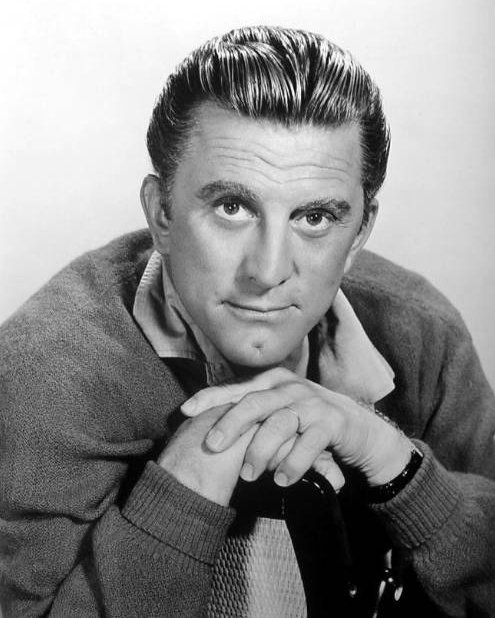
6. Kirk Douglas simplified a life that began as Issur Danielovitch
Kirk Douglas, born Issur Danielovitch, also moved through several versions of his name before settling on the one that made him famous. Agents and producers favored something easier to pronounce and less visibly tied to Eastern European Jewish ancestry. The shift fit studio-era norms, where assimilation was often treated as part of professional polish.
Douglas later wrote openly about his background, which makes the change feel less like rejection than adaptation under pressure. Still, the pressure itself says a great deal about the system he entered.

7. Edward G. Robinson Anglicized his way into American playbills
Born Emanuel Goldenberg in Romania, Edward G. Robinson adopted a name that fit more comfortably on American theater bills and in Hollywood casting offices. The change helped him avoid prejudice and blend into an industry that often treated immigrant identity as a liability unless it was being used for stereotype.
His later fame in crime dramas and character roles made the new name iconic. Yet the choice reflected a common reality for Jewish and immigrant actors trying to cross from ethnic stages into mainstream entertainment.
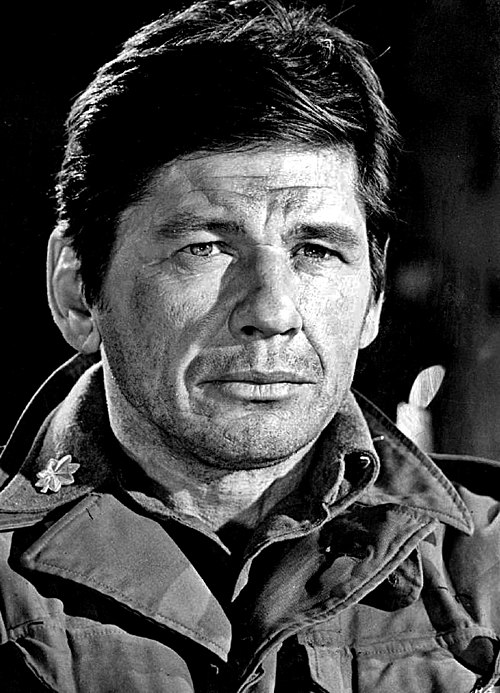
8. Charles Bronson changed Buchinsky during a suspicious era
Charles Bronson was born Charles Buchinsky, a name that sounded too Eastern European for comfort during the Red Scare. He was advised to adopt something less likely to attract scrutiny or resistance. In that climate, a surname could carry political suspicion as well as ethnic prejudice.
Name changes were not always about elegance. Sometimes they were defensive moves against a culture that attached fear to foreignness.

9. Raquel Welch was encouraged to look less visibly Latina
Born Jo Raquel Tejada to a Bolivian father and Anglo mother, Raquel Welch grew up feeling that her Latin heritage was something to mute rather than celebrate. Later accounts of her career describe pressure to lighten her skin and hair so she would fit the version of femininity Hollywood knew how to market, as noted in pressure to lighten her skin and hair.
That tension left a lasting mark on how she understood herself onscreen and off. In her case, concealment was not always a formal renaming alone; it also lived in styling, casting, and the quiet editing of family identity.

10. Christina Milian found that one surname changed everything
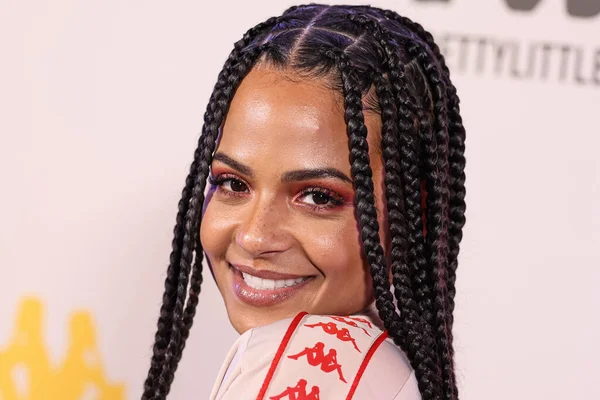
Though from a later generation, Christina Milian’s story shows how persistent these dynamics remained. She has said that when she auditioned as Christina Flores, casting offices sorted her into rigid assumptions; after switching to her mother’s surname, Milian, opportunities changed almost immediately. She described it as “absolutely a business decision” and said, “I booked TV shows immediately.” That experience connected older Hollywood habits to a more modern industry that still read ethnicity through paperwork before a performer even entered the room.
These stories stretch across decades, but they point to the same pattern: Hollywood often asked performers to become more acceptable before it allowed them to become visible. The names endured, the careers flourished, and the original identities never fully disappeared. What changed over time was not the existence of pressure, but how openly it could be discussed.

