

Celebrity relationships have long done double duty in public life. A wedding can look intensely personal while also feeding a show, a rebrand, a tabloid cycle, or a carefully managed image. Some of the shortest marriages in entertainment history still draw attention because the personal timeline and the professional spotlight appeared to move together. In a few cases, the people involved later described the pressure, the publicity, or the mismatch in blunt terms.

1. Kim Kardashian and Kris Humphries
Few celebrity marriages became part of the media machine as completely as this one. Their wedding was turned into a major television event, then the marriage ended after 72 days, a number that still defines the story. The split lasted far longer in public conversation than the marriage itself. Years later, Kardashian said she regretted rushing into the wedding, explaining that they had barely spent meaningful time living as a couple before marrying. The relationship’s short life and huge exposure made it one of the clearest examples of how entertainment and intimacy can become impossible to separate.
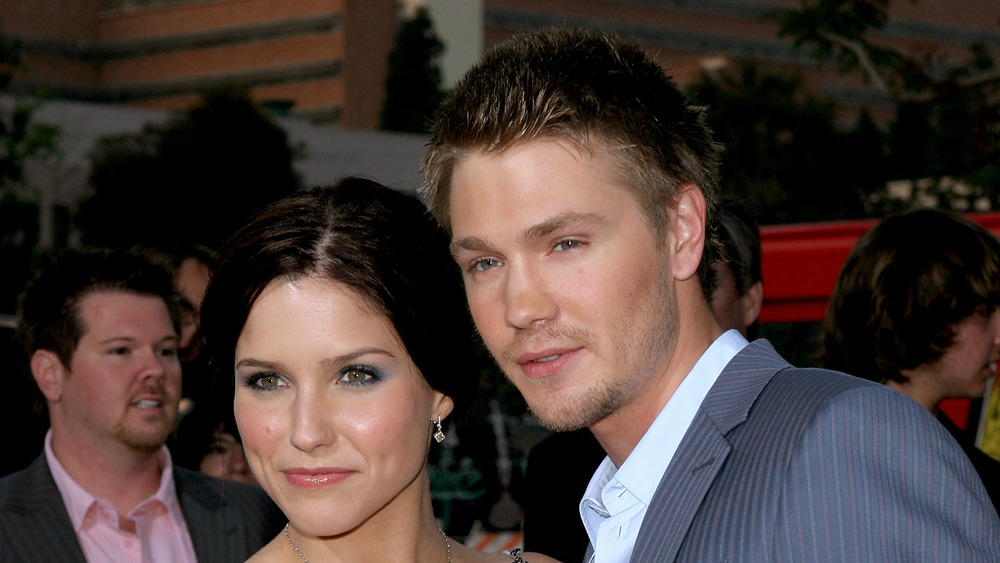
2. Sophia Bush and Chad Michael Murray
Their romance unfolded while both were central faces of One Tree Hill, which gave the relationship an added promotional glow. They married in 2005 and split after less than six months, while still tied to the same hit series. Bush later spoke candidly about how young she was during that period, while Murray said in a 2024 interview, “I was a baby. I didn’t know up, down, left, right.” What kept the story alive was not only the short marriage, but the fact that they continued working together after it ended.

3. Renée Zellweger and Kenny Chesney
This surprise pairing generated immediate fascination because it connected a major film star with one of country music’s biggest names. The marriage lasted only a few months, and Zellweger sought an annulment using the word fraud, which triggered intense public speculation. Both later pushed back on sensational interpretations of that filing. Chesney eventually said he had panicked under the pressure of the attention and “ran,” while both parties made clear the legal wording should not be treated as a personal accusation beyond the marriage itself.
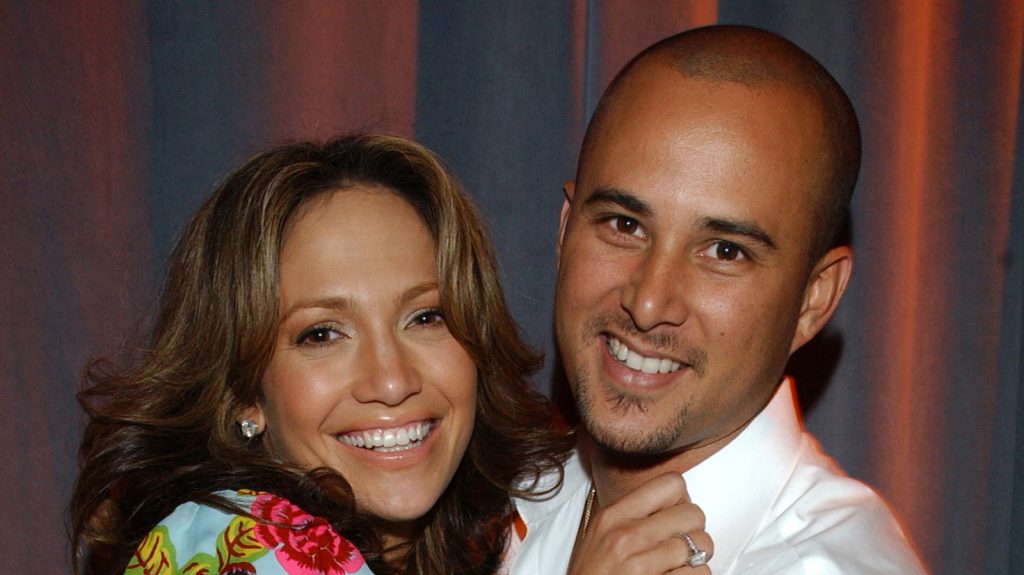
4. Jennifer Lopez and Cris Judd
Lopez married backup dancer Cris Judd during a period when her music and film careers were both highly visible. He also appeared in her “Love Don’t Cost a Thing” video, which made the relationship feel woven into her public brand at the time. The marriage ended in under a year, but it remains one of the clearer examples of how celebrity unions can elevate everyone’s visibility at once. Judd’s profile rose quickly, while Lopez’s personal life continued to move in sync with her headline-making career phases.
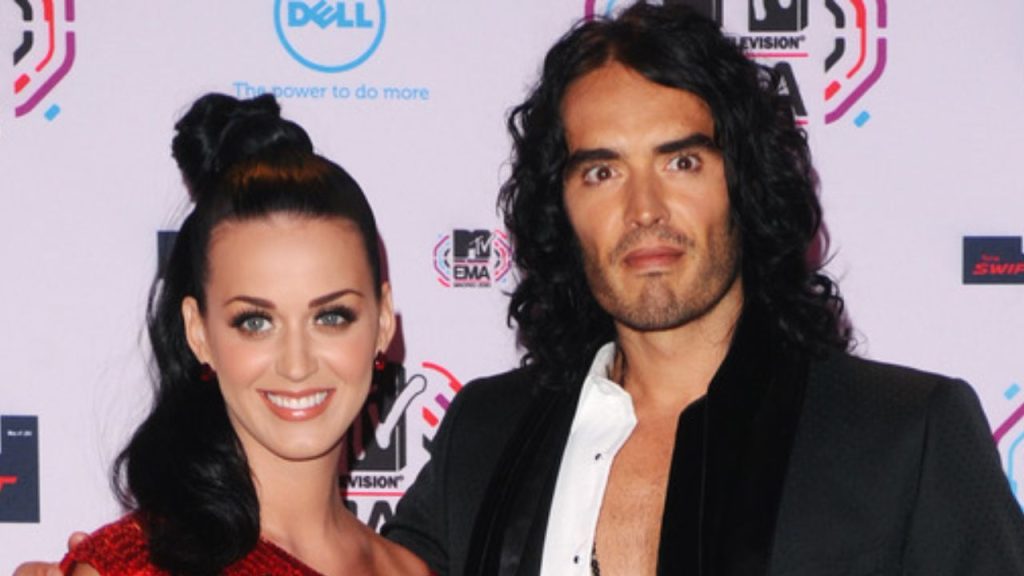
5. Russell Brand and Katy Perry
When Brand married Perry, the union connected a British comic building momentum in the United States with one of pop music’s most recognizable stars. Their red carpet appearances and interviews turned them into a marketable celebrity duo as much as a married couple. The marriage ended after about 14 months, and the breakup became part of Perry’s later creative narrative. In cases like this, the marriage did not simply attract attention during its run; it also shaped how both careers were discussed after the split.

6. Nicolas Cage and Lisa Marie Presley
This marriage drew fascination because it blended Hollywood prestige with the mythology of Elvis Presley. Cage and Lisa Marie Presley married in 2002, and he filed for divorce after less than four months. Presley later said they should never have married, while Cage reflected on the intensity of two strong personalities colliding too fast. The public reading of the marriage was shaped as much by symbolism as by the relationship itself: movie stardom, music royalty, and instant tabloid intrigue.

7. Britney Spears and Kevin Federline
Spears and Federline turned early married life into content through Britney and Kevin: Chaotic, making their relationship part of her public-facing identity during an already turbulent chapter. Federline’s fame grew sharply during that period, and the marriage became central to entertainment coverage around both of them. When the marriage ended, the breakup did not fade quickly. It rolled into custody battles, media scrutiny, and years of commentary about Spears’s personal life, showing how a highly visible relationship can keep shaping a career long after the wedding photos are gone.

8. Marilyn Monroe and Arthur Miller
This was not a tabloid-style stunt in the modern sense, but it remains a classic example of marriage intersecting with public repositioning. Monroe’s union with playwright Arthur Miller was widely seen as a move toward a more serious artistic image, pairing movie-star glamour with literary prestige. Miller even wrote The Misfits for her, linking the relationship directly to her work. Their marriage later unraveled during the film’s troubled production, but its cultural impact endured because it represented an attempt to reshape how Monroe was perceived.

9. Pamela Anderson and Tommy Lee
They married after knowing each other for only four days, and the relationship quickly became inseparable from the tabloid culture of the 1990s. Their union was not merely covered by celebrity media; it helped define the era’s appetite for celebrity overexposure. What followed made the marriage feel bigger than the couple themselves. Their private lives became public property in ways that reshaped fame, privacy, and the economics of scandal, turning a whirlwind romance into a lasting media case study.
10. The older Hollywood pattern of “lavender marriages”
Long before reality TV weddings and viral celebrity pairings, the industry had another form of strategic marriage. In classic Hollywood, some stars entered so-called lavender marriages to protect careers and public image under restrictive studio systems. As historian Stephen Tropiano explained, “It was about a person holding on to their career.” These marriages were tied to image control, morality clauses, and the commercial demands of the studio era. That history adds context to modern conversations about whether a public union is only personal, because Hollywood has treated marriage as reputation management for generations.
Not every short celebrity marriage was calculated, and not every highly public relationship was fake. Some were impulsive, some were mismatched, and some simply collapsed under intense scrutiny. What keeps these stories relevant is the same tension that made them famous in the first place: in celebrity culture, marriage can be a private commitment, a public performance, and a career event all at once.

