
Hollywood has long attached male stardom to a narrow physical ideal, and the pressure does not stop when cameras do. For many actors, comments about weight, muscle, aging, or facial changes have followed red carpets, paparazzi photos, interviews, and even health struggles.
What makes these stories stand out is not only the criticism itself, but what it reveals about the entertainment industry. A body built for one role, one shirtless scene, or one franchise is often temporary, and in some cases, physically punishing. The scrutiny has affected actors across genres, ages, and body types.
1. Jason Momoa and the “dad bod” backlash
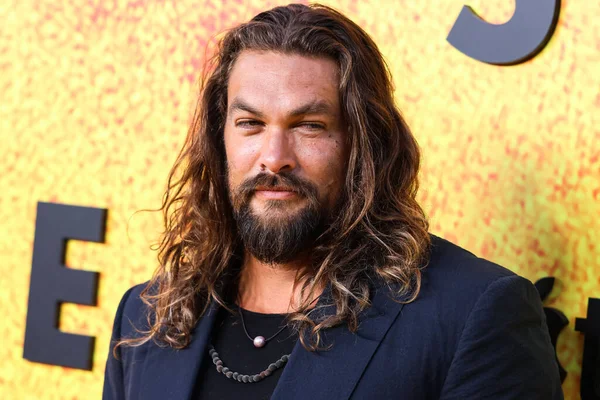
Jason Momoa became a flashpoint in the conversation about male body standards after vacation photos triggered mockery online. The reaction was striking because the actor still appeared visibly athletic, yet the gap between an everyday body and a superhero body became enough for critics to frame him as having let himself go. He answered the moment lightly, and in one response told TMZ, “Not at all…Tell TMZ I’ll show you my dad bod soon.” The incident also underscored a wider reality: superhero physiques are often not sustainable outside filming schedules.
2. Jonah Hill asking people to stop commenting
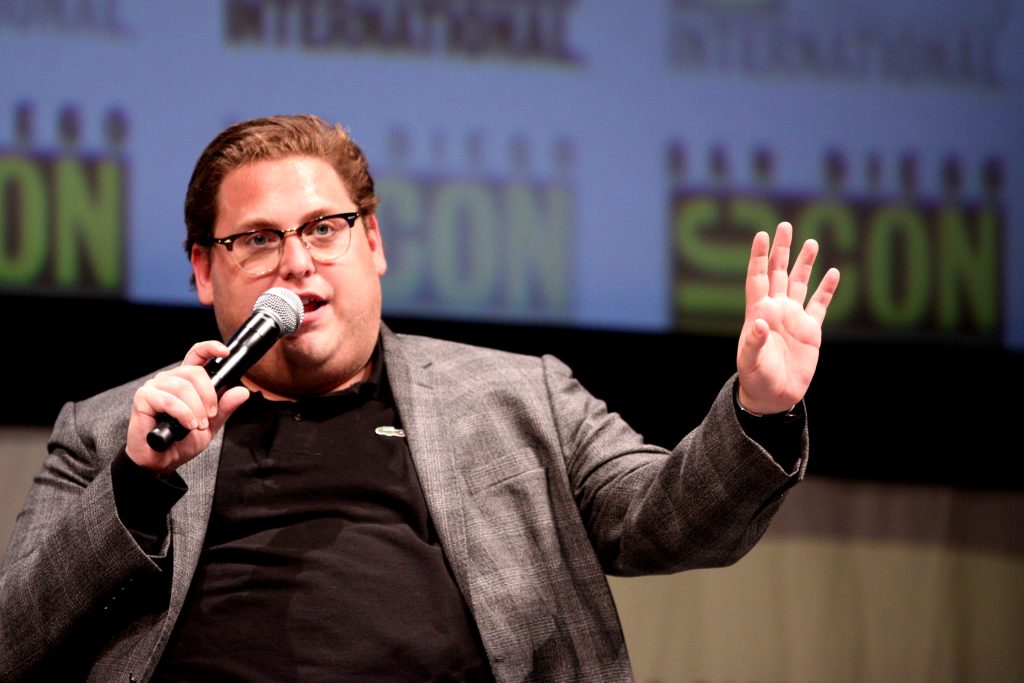
Jonah Hill has spoken more directly than many of his peers about the emotional toll of public commentary. Rather than separating insults from compliments, he made clear that both could feel intrusive when focused on his body. His public message was simple: “Please don’t comment on my body.” That boundary resonated because Hill described body image as personal, not a public discussion topic tied to celebrity.

3. Zac Efron becoming a lesson in hidden extremes
Zac Efron has faced both praise and criticism for dramatic physical changes, but his own reflections added an important layer. After years of intense training for image-driven roles, he described the process behind one of his most discussed physiques as deeply draining. In later coverage of his preparation for Baywatch, he said the regimen left him with depression, insomnia, and burnout, while a later wave of social media speculation wrongly fixated on his face before he explained that a serious jaw injury had changed his appearance. His story illustrates how quickly audiences can turn visible change into gossip while missing the health context entirely.
4. Wentworth Miller linking fat-shaming to mental health
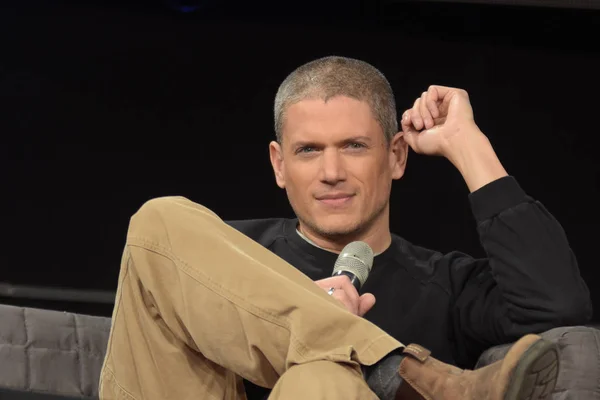
Wentworth Miller’s response to a viral meme became one of the clearest statements on why body-shaming can be cruel in ways outsiders do not understand. He explained that the image people mocked came from a period of severe depression, writing, “In 2010, at the lowest point in my adult life, I was looking everywhere for relief/comfort/distraction. And I turned to food.” By naming the pain behind the photo, he shifted the conversation from ridicule to compassion and made mental health impossible to ignore.

5. Chadwick Boseman and the danger of guessing from appearance
Chadwick Boseman’s experience became a lasting reminder that online speculation about someone’s weight can be reckless. Before his death, some users mocked or questioned his thinner frame without knowing he was living with colon cancer. The episode remains one of the starkest examples of why visible weight loss or physical change should never be treated as entertainment.
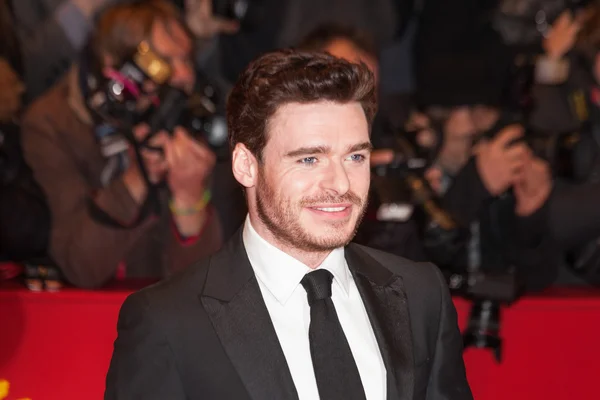
6. Richard Madden calling out “barely eating” culture
Richard Madden has described an industry routine that sounds polished on screen and punishing off screen. He recalled being told to lose weight, having “fat rolls” pinched, and being pushed toward corset-style shaping. In British Vogue, he said, “I find myself with actor friends after we’ve done a kind of barely eating, working-out-twice-a-day, no-carbing thing for these scenes looking at each other going: ‘We’re just feeding this same shit that we’re against.’” His comments were notable because they framed body pressure as a production norm, not an isolated insult.
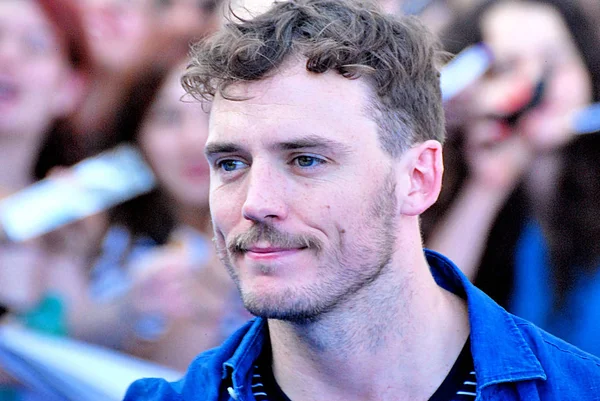
7. Sam Claflin describing objectification in auditions
Sam Claflin has openly compared male body scrutiny to the objectification women have long described in Hollywood. One of his most revealing accounts involved being physically handled during casting. He said, “I felt like a piece of meat.” That blunt description cut through the myth that men are largely shielded from appearance-based treatment in entertainment.

8. Robert Pattinson and the pressure to look like a superhero
When Robert Pattinson was cast in a major comic-book role, criticism quickly turned to whether he looked muscular enough. Pattinson has also spoken about anxiety and discomfort around his own body, saying, “I don’t have a six-pack and I hate going to the gym.” His experience showed how fan expectations can amplify the same body standards studios already reinforce, especially when a role comes with a prebuilt image of what a leading man should look like.

9. Grant Gustin confronting the double standard around thinness
Grant Gustin pushed back after comments claimed he was too thin to play a superhero. His point was not only personal but cultural: thin men are often mocked in ways that are treated as casual or acceptable. He wrote that there is “a double standard” when people talk about “a dudes body,” calling attention to how body-shaming is often minimized when the target is male.
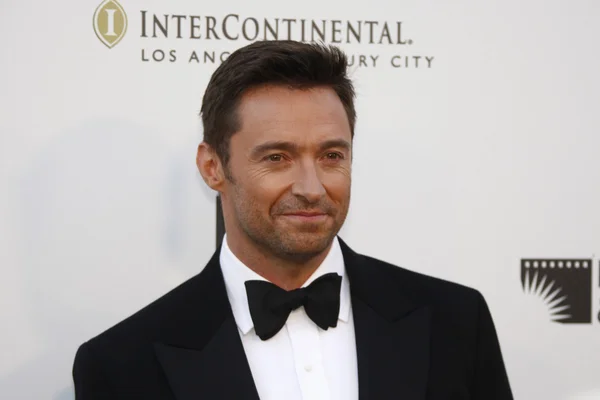
10. Hugh Jackman and the cost of the “dry look”
Some of Hollywood’s most admired male physiques have depended on methods that look impressive on screen and harsh behind the scenes. Hugh Jackman has repeatedly described dehydrating before shirtless scenes, and later analysis of the “dry look” in Hollywood explained why that visual ideal can be risky. The look is designed to make skin appear thinner over muscle, but the practice has been linked to broader concerns about body dissatisfaction, muscle dysmorphia, and dangerous imitation by men and boys. The body audiences are taught to admire is often a temporary condition, not a healthy baseline.
Taken together, these stories show that male body-shaming is not limited to a few viral moments. It appears in casting rooms, magazine coverage, fan reactions, and commentary that treats physical change as public property. The larger pattern is difficult to miss. Whether the criticism targets weight gain, thinness, aging, softness, or extreme muscularity, the standard keeps moving. The actors change, but the pressure stays the same.

