

A one-time $100,000 H-1B petition fee has pushed several large employers to rethink how they hire for specialized roles. For companies that once treated visa sponsorship as a routine part of recruiting, the added cost and compliance uncertainty have turned it into a narrower, more selective decision.
The shift is not uniform. Some businesses have paused sponsorship entirely for certain openings, some are leaning harder on local hiring, and others are adjusting around clarifications that limit who the new charge actually affects. Together, these moves show how quickly hiring policy can change when immigration rules alter the math.

1. Cognizant is narrowing eligibility in U.S. job postings
Cognizant has signaled a tighter approach by limiting some openings to applicants already authorized to work in the United States without sponsorship. In one South Carolina software engineering posting, the company said it would consider only candidates who could work in the U.S. without employer visa support.

The company has also said the policy change is expected to have limited near-term impact because of its scale and global footprint. That position fits a broader strategy it described as reducing reliance on visas in recent years while investing in a domestic talent pipeline.

2. Intuitive Surgical briefly paused sponsorship as it reviewed its process
Intuitive Surgical became one of the clearest examples of how uncertainty can ripple through hiring. More than 100 job listings carried language saying offers to candidates needing H-1B sponsorship were being paused because of the recent executive action. The company later said the pause was temporary and that it was continuing to recruit candidates who require sponsorship. Even so, the episode showed how a fast policy change can disrupt hiring in highly specialized fields such as medical technology, where talent pools are narrower and recruiting timelines matter.

3. Tata Consultancy Services is leaning further into localization
Tata Consultancy Services, historically one of the biggest H-1B users, has said it is no longer hiring applicants through the program in the same way. Leadership said the company already has enough H-1B employees in the U.S. and is focusing more on local talent. That approach reflects a larger operational trend among global IT services firms. Instead of depending on new visa inflows, they are building U.S.-based workforces while keeping more project delivery offshore. For employers with international staffing networks, that model can absorb policy shocks faster than firms that depend on a steady stream of new overseas hires.

4. Walmart has paused some H-1B-dependent hiring for corporate roles
Walmart, which employs roughly 2,400 H-1B workers, has also paused hiring candidates who require the visa for some positions. The company said it remains committed to hiring strong talent while being thoughtful about its H-1B approach. That matters because Walmart is not usually the first company associated with visa debates, yet its hiring response suggests the fee’s effects extend well beyond Silicon Valley. Large retailers still compete for engineers, data specialists, and corporate professionals, and those roles can be sensitive to immigration policy changes.

5. USCIS guidance has made some employers more selective, not uniformly closed
One of the biggest details is that the fee does not apply to every H-1B case. new petitions for workers outside the United States are the main target, while extensions and many in-country status changes are treated differently. That clarification has changed employer behavior. Companies are not simply abandoning the program across the board; many are distinguishing between overseas recruitment and candidates already in valid U.S. status. In practice, that can make international graduates, existing workers changing status, and current H-1B holders more attractive than brand-new overseas hires. It also means recruiting teams now need closer coordination with immigration counsel, especially around travel, timing, and whether a worker’s status could trigger the added charge. The result is a hiring environment that is more procedural and less flexible than before, even when sponsorship remains possible.

6. Legal pressure is growing because employers say the fee changes competitiveness
The business backlash has not been limited to internal hiring memos. The U.S. Chamber of Commerce challenged the policy, arguing that the fee is unlawful and economically damaging. Neil Bradley said, “The new $100,000 visa fee will make it cost-prohibitive for U.S. employers, especially start-ups and small and midsize businesses, to utilize the H-1B program.” The concern is straightforward: large corporations may still have room to adapt, but smaller firms, universities, and hospitals often have fewer options. That creates a wider gap between organizations that can absorb regulatory friction and those that cannot.
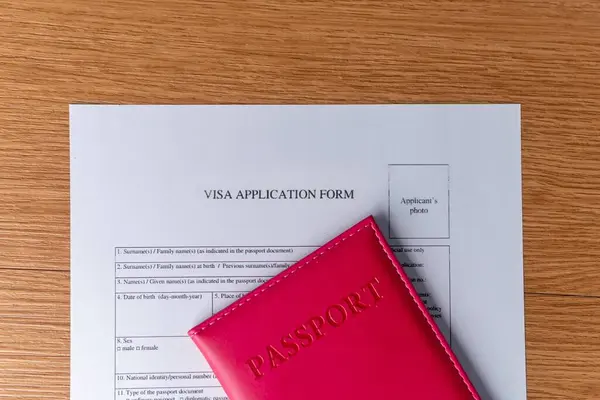
7. The fee is colliding with broader H-1B rule changes
The new charge is arriving alongside a wider reset of the H-1B system. DHS has already finalized a weighted selection process that gives stronger odds to higher-skilled and higher-paid applicants for the FY 2027 cap season. That means employers are responding to more than one policy adjustment at once. The immediate question is cost, but the longer-term issue is strategy: which roles justify sponsorship, which candidates are easier to retain from inside the U.S., and whether some work will move abroad instead.

With over 70% of H-1B holders being Indian citizens and computer-related jobs making up a large share of the program, the impact reaches deeply into tech staffing and global delivery models. What stands out is not a single corporate retreat from H-1B hiring, but a broader recalibration. Employers are trimming risk, prioritizing workers already in the U.S., and putting more weight on whether sponsorship is truly essential for a role. For workers, that makes the hiring path narrower. For employers, it turns visa sponsorship from a standard recruiting option into a high-stakes staffing decision.

