
Television has always depended on more than its leads. Some of the medium’s most durable pleasures come from performers who arrive with a distinct rhythm, sharpen a scene in seconds, and leave viewers remembering the character long after the episode ends.
Character actors often build that effect across years rather than a single breakout. They move between comedy and drama, recur across acclaimed series, and give supporting roles a texture that makes whole shows feel richer.
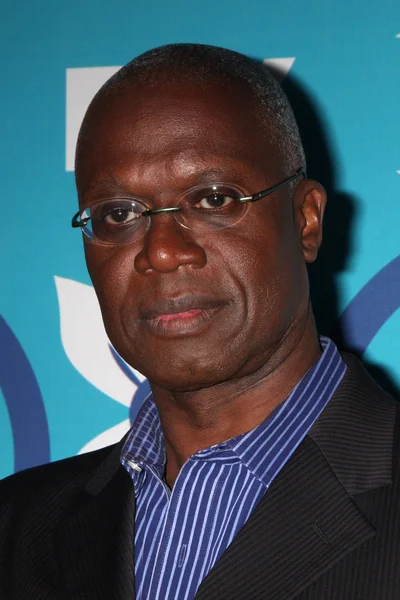
1. Andre Braugher
Andre Braugher brought unusual precision to supporting television roles, combining authority with wit in a way few actors managed as consistently. While many viewers first associated him with intense dramatic work, his turn as Captain Raymond Holt on Brooklyn Nine-Nine turned deadpan restraint into one of TV comedy’s defining styles. The performance earned four Primetime Emmy nominations in the supporting comedy category, and it showed how a supporting character could anchor the emotional tone of an ensemble without overpowering it.
His range had already been well established through major TV work including Homicide: Life on the Street and his acclaimed arc on House M.D. season six. Braugher’s supporting work felt memorable because it never played like decoration. Even in an ensemble, his characters arrived with history, discipline, and a surprising capacity for tenderness.
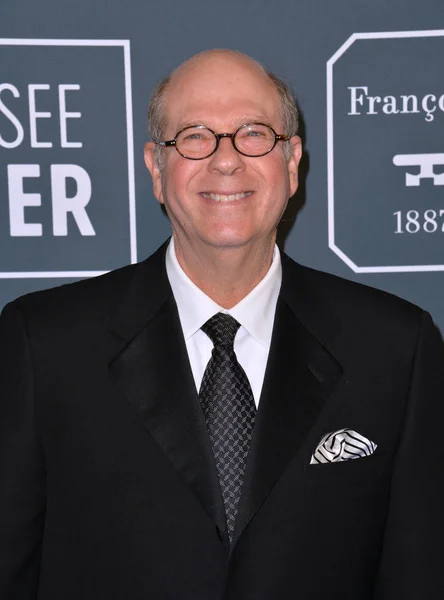
2. Stephen Tobolowsky
Stephen Tobolowsky has long represented the ideal television utility player: instantly recognizable, endlessly adaptable, and almost guaranteed to improve the energy of a scene. On TV, that skill translated into recurring parts that could veer from officious to absurd, including Commissioner Hugo Jarry on Deadwood, Jack Barker on Silicon Valley, and Principal Earl Ball on The Goldbergs.
What makes Tobolowsky especially effective in supporting roles is clarity. His characters tend to arrive fully formed, with their own verbal cadence and comic pressure. That quality allows even limited screen time to feel complete, which is one reason his face remains familiar across generations of viewers.

3. Jason Mantzoukas
Jason Mantzoukas turned chaos into a television specialty. As Rafi on The League, Dennis Feinstein on Parks and Recreation, and Adrian Pimento on Brooklyn Nine-Nine, he built supporting characters who were impossible to mistake for anyone else. They were loud, volatile, and wildly specific, but never shapeless.
That kind of comic force can overwhelm a series if it is misused. Mantzoukas instead became the rare recurring actor whose appearances felt like a controlled disruption. His best supporting roles worked because they entered established worlds and bent them just enough to expose new jokes, new tensions, and new sides of the regular cast. In television comedy, that is a distinct craft.
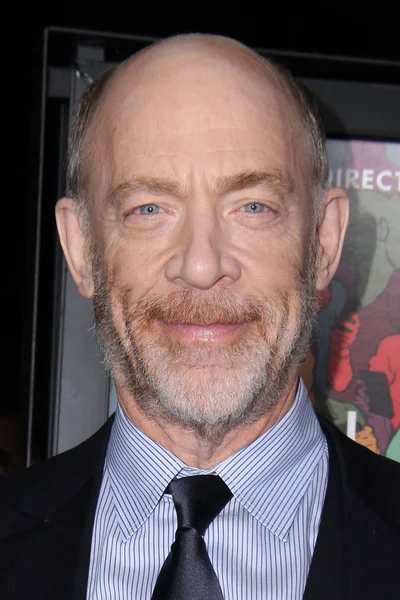
4. J.K. Simmons
J.K. Simmons spent years becoming one of television’s most dependable supporting presences, especially in roles that mixed intimidation with dry humor. On Oz, his portrayal of Vernon Schillinger gave the prison drama one of its most formidable recurring figures, while later TV work continued to show how effectively he could dominate a scene without needing a central narrative position.
He belongs in any conversation about character actors because his performances rarely rely on excess. Instead, he uses voice, stillness, and timing to define status immediately. A supporting character played by Simmons seldom needs explanation; the posture does most of the work.
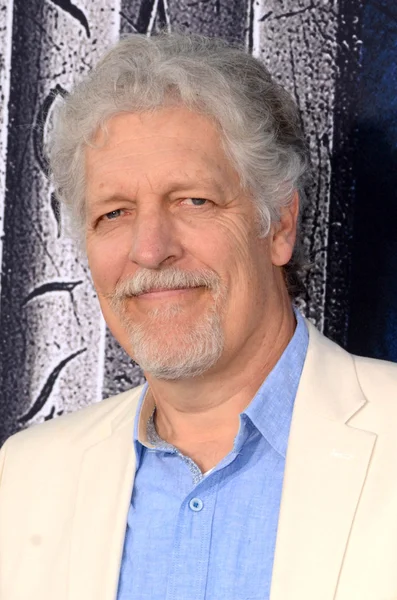
5. Clancy Brown
Clancy Brown has one of the most distinctive voices in screen acting, but his television value runs deeper than vocal recognition. Across live-action series and animation, he has built a career on imposing, eccentric, and unexpectedly funny characters. His work has stretched from genre television to comedy, and his presence often signals that a supporting role will carry more weight than its billing suggests.
That flexibility matters. Brown can play menace, authority, or weary intelligence, and he can do it in dramas aimed at prestige audiences or in broad entertainment built for mass appeal. His long career also reflects the modern character actor’s expanded lane: television, voice work, and recurring guest parts that become essential to a show’s identity.
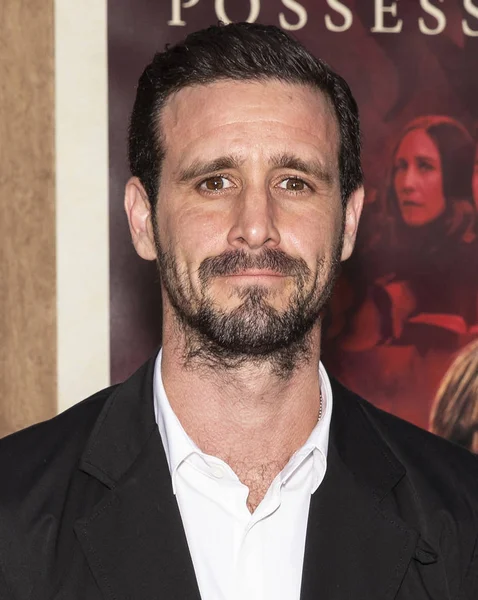
6. James Ransone
James Ransone built a television résumé on characters who feel slightly frayed around the edges, which makes him especially useful in crime dramas and offbeat comedies. His work on The Wire and Generation Kill gave him strong footing in acclaimed ensemble storytelling, where supporting players often carry the burden of realism.
He has the kind of face and delivery that television uses well: familiar, alert, and capable of suggesting backstory without long exposition. That is a major reason character actors become memorable. They can imply a whole life in one exchange, and Ransone has repeatedly done that in crowded casts.
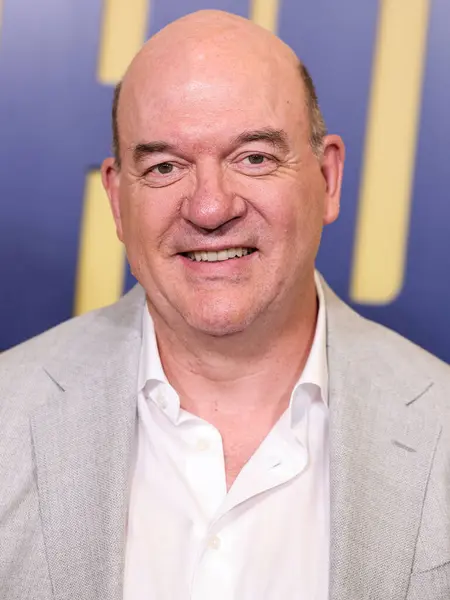
7. John Carroll Lynch
John Carroll Lynch has spent decades delivering supporting performances that feel grounded even when the material turns strange. Many viewers remember him from film, but his television work has been just as durable, with appearances across major dramas and limited series that depend on trustworthiness, unease, or both at once.
His effectiveness comes from contrast. Lynch can project warmth and threat with very small adjustments, which makes him a natural fit for television’s best side characters. A memorable supporting role often needs that duality: someone who seems stable enough to belong in the story’s center but remains unpredictable enough to keep it moving.
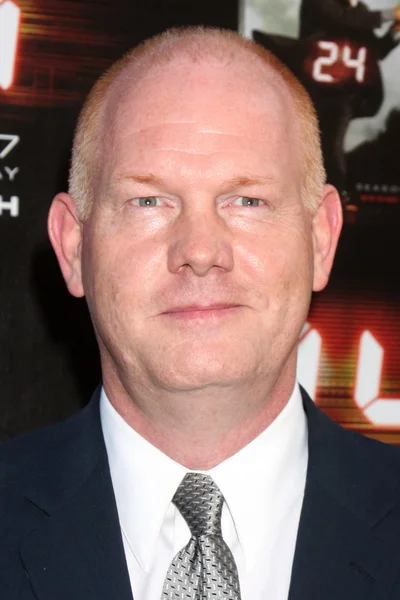
8. Glenn Morshower
Glenn Morshower became a television mainstay by making institutional characters feel lived-in. Military officers, administrators, officials, and command figures can blur together on paper, but his performances usually avoid that flatness. He brings a practical immediacy that turns exposition-heavy roles into something more human.
That steadiness explains his long run through major series, especially procedural and action-driven television. Character actors like Morshower help sustain the architecture of serialized storytelling. They create credibility around the stars, support the stakes of a scene, and give recurring worlds the sense that they extend beyond the main cast.
These performers demonstrate why supporting television roles remain central to the viewing experience. Some specialize in comic disruption, others in institutional gravity, and others in emotional texture that deepens an ensemble from the edges inward. The common thread is durability. Character actors do not simply fill space around a lead; they often become the reason a scene lingers, a rewatch feels rewarding, or a series develops the kind of atmosphere viewers instantly recognize.

