
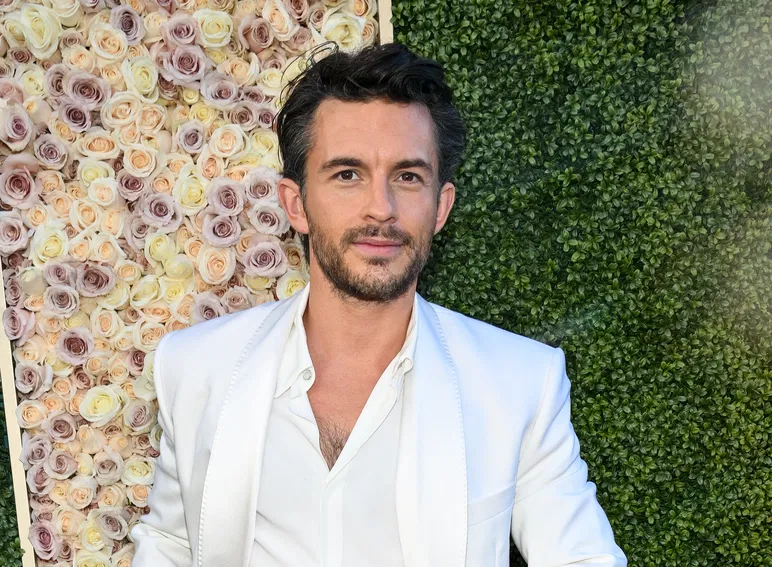
Over the last ten years, openly gay actors have not just appeared in hit films and series. They have helped reshape what leading-man visibility looks like across prestige drama, broad comedy, streaming breakthroughs, and major franchise storytelling.
That cultural shift matters beyond casting lists. GLAAD counted 489 LGBTQ regular or recurring TV characters in the 2024-25 season, but 201 of them are not set to return because of cancellations, endings, or character exits. In that environment, performers with range, longevity, and audience pull carry even more weight.
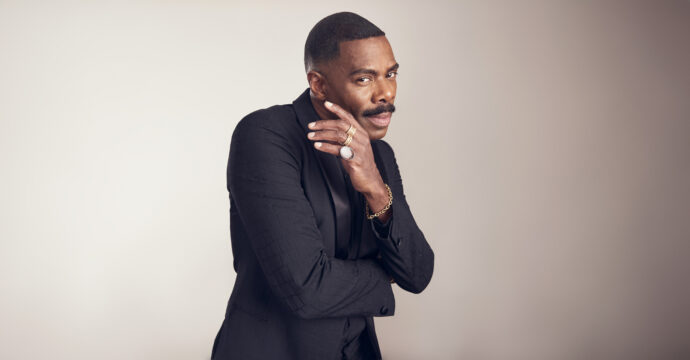
1. Colman Domingo
Few actors have matched Colman Domingo’s recent run for sheer breadth. He moved from scene-stealing television work in “Euphoria” and “Fear the Walking Dead” to major film recognition with “Rustin,” a performance that brought him into the center of awards-season conversation. He has also kept one foot in theater, which gives his screen work a muscular precision that stands out in both intimate scenes and larger historical material. Domingo’s rise also reflects a larger shift in the industry: openly gay actors are no longer confined to side characters or coded roles. He has become a genuine leading presence.
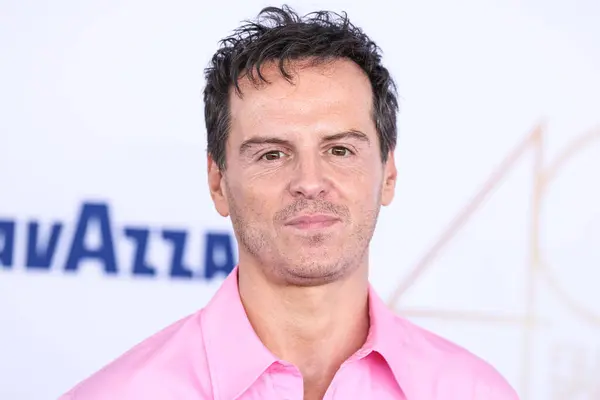
2. Andrew Scott
Andrew Scott has spent the decade proving that intensity can be endlessly adaptable. For some viewers, he remains unforgettable from “Sherlock.” For many others, his era-defining turn in “Fleabag” reset his career on a global scale. More recently, “All of Us Strangers” and “Ripley” showed how effectively he can move between aching vulnerability and unnerving control. Scott’s appeal lies in the unpredictability of his performances. Even when the role seems reserved on paper, he gives it a pulse that feels immediate.
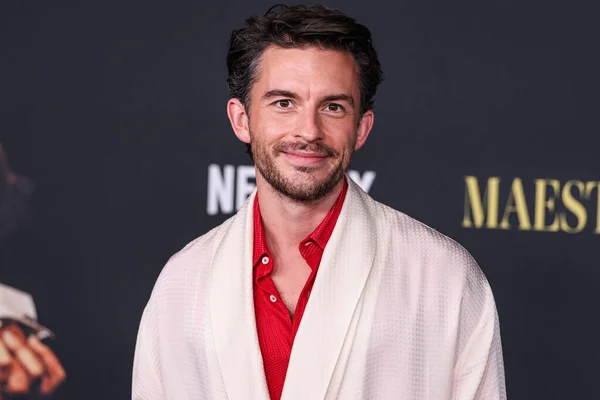
3. Jonathan Bailey
Jonathan Bailey became a mainstream phenomenon through “Bridgerton,” but his decade has been stronger than one breakout role. Onstage, he won an Olivier Award for “Company,” and onscreen he added fresh dramatic heft with “Fellow Travelers,” where his work opposite Matt Bomer expanded his range in front of a broad audience. He belongs to a group of actors whose careers benefited from the streaming era’s ability to turn strong performances into international talking points almost overnight.
4. Matt Bomer
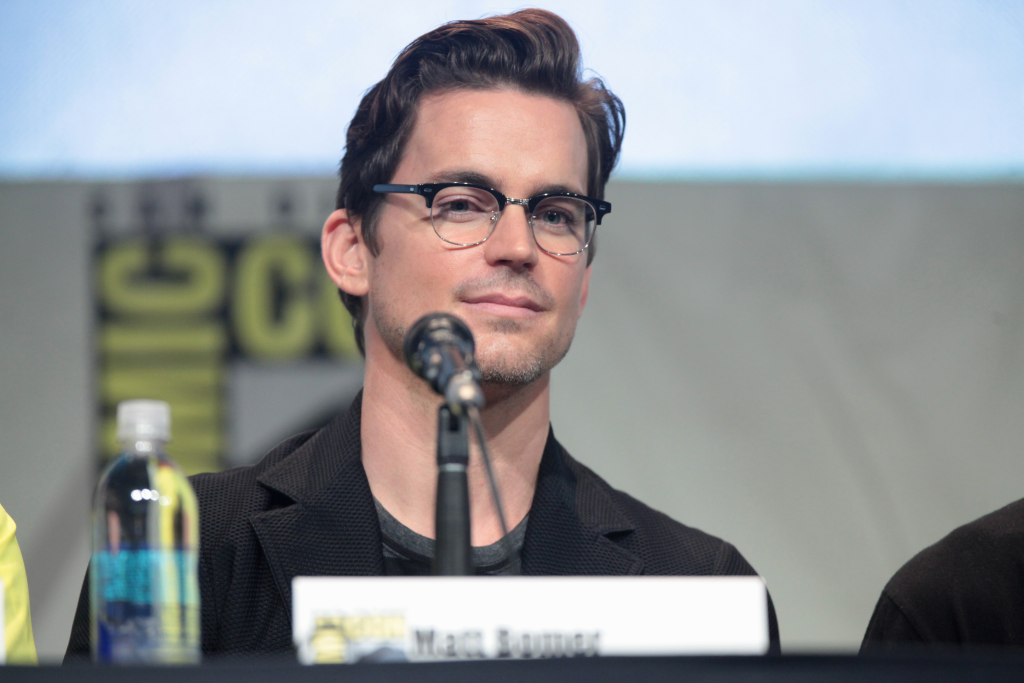
Matt Bomer’s career has been a study in consistency, but the last decade sharpened his standing as one of the medium’s most reliable dramatic actors. From “The Sinner” to “Maestro” and especially “Fellow Travelers,” he has chosen material that lets polish give way to something rawer and more complicated. His work in queer-centered projects has also remained central rather than occasional. That longevity matters. In a landscape where visibility can be fleeting, Bomer has remained both bankable and artistically restless.
5. Dan Levy
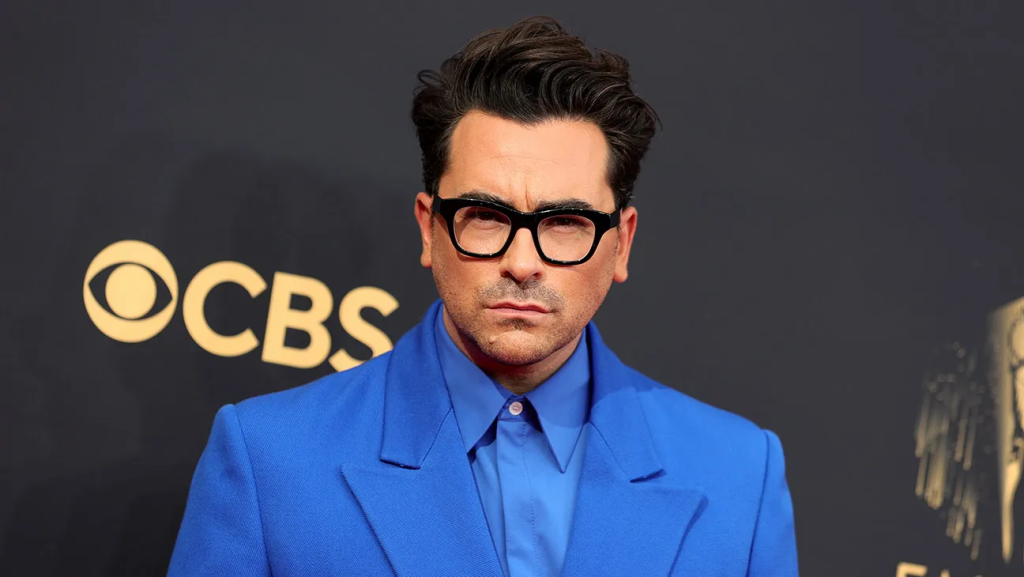
Dan Levy became one of television’s defining creative forces through “Schitt’s Creek,” where he was not only a performer but also a writer, producer, and co-architect of the show’s emotional vocabulary. His historic Emmy sweep placed him in a rare class of multi-hyphenates, and “Good Grief” continued that author-driven path into film. His impact extends beyond performance alone. He helped normalize queer romance on television without making it feel like an exception that needed explaining.
6. Billy Porter
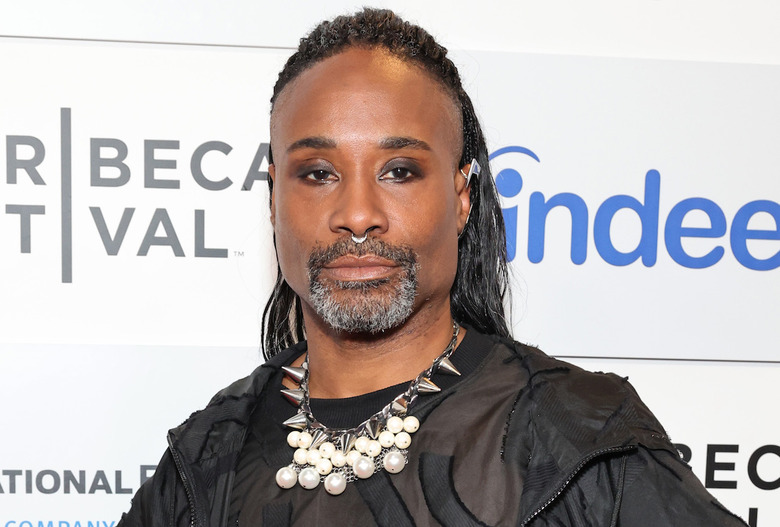
Billy Porter turned visibility into artistry with uncommon force. His Emmy-winning work in “Pose” gave television one of its most memorable performances of the era, and his presence on red carpets, in interviews, and across film and theater has made him one of the decade’s most recognizable cultural figures. He also directed “Anything’s Possible,” expanding his role in shaping how queer stories are told. His career has never been only about acting. It has been about authorship, style, and command.
7. Bowen Yang
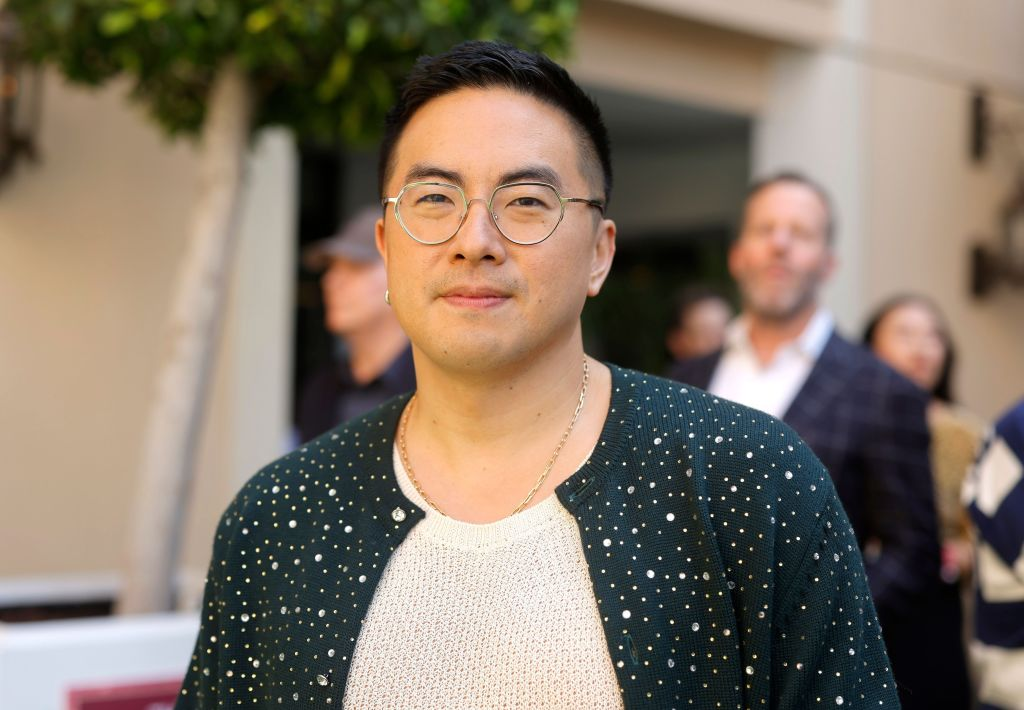
Bowen Yang brought a distinct voice to “Saturday Night Live” as the show’s first Chinese American cast member, but his importance goes beyond a milestone. His comedy blends sharp cultural observation with a performer’s instinct for character detail, and “Fire Island” showed how naturally that sensibility translates into film.
He represents a newer kind of star: digitally fluent, self-aware, and able to shift from sketch comedy to romantic ensemble storytelling without losing specificity.
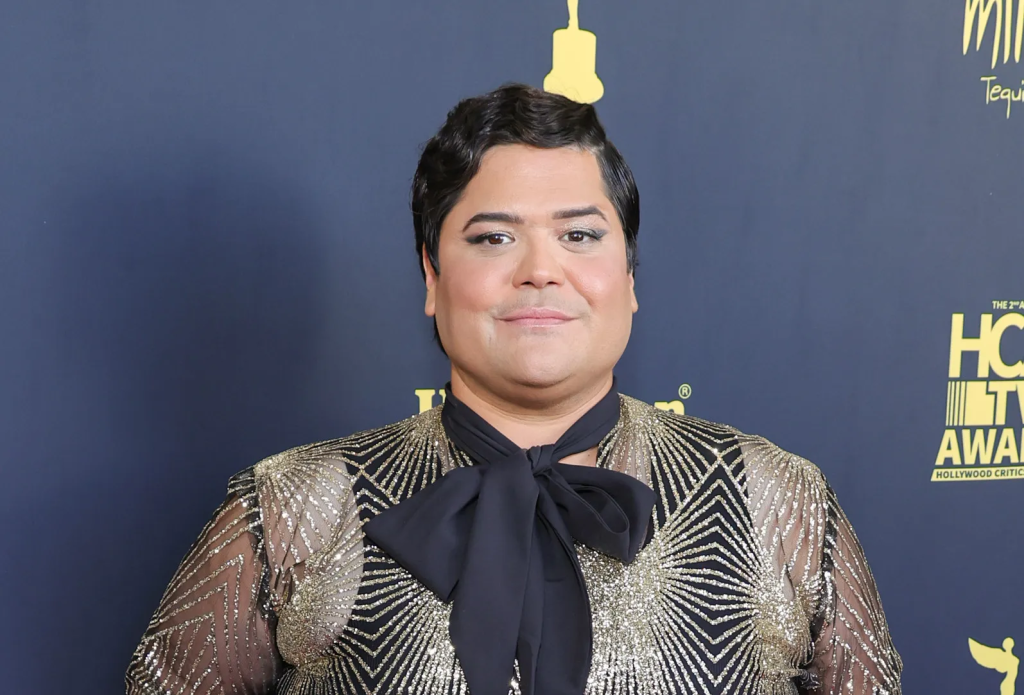
8. Harvey Guillén
Harvey Guillén made Guillermo de la Cruz in “What We Do in the Shadows” one of the decade’s most beloved television characters. The role began in deadpan comic territory and kept evolving, allowing Guillén to layer longing, loyalty, panic, and quiet authority into the same performance. His work in voice acting and studio films widened that reach, but the series remains the clearest example of how sharply he can recalibrate tone from one scene to the next.
His presence also expanded queer Latino representation in mainstream genre comedy at a time when audiences were asking for broader perspectives and more textured characters.
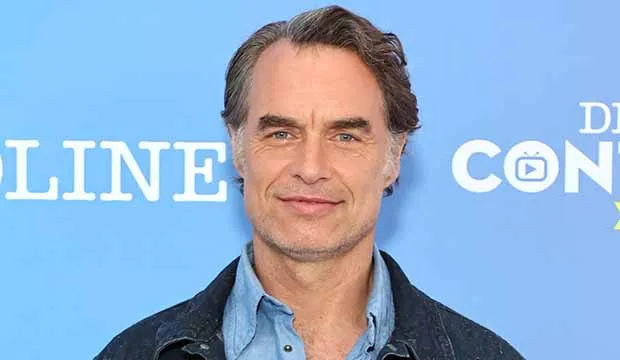
9. Murray Bartlett
Murray Bartlett had been doing strong work for years, but the last decade finally gave him the wider recognition to match it. “Looking” built an early foundation, “The White Lotus” brought him an Emmy, and “The Last of Us” reminded viewers how quickly he can create emotional stakes that linger after the episode ends.
That kind of late-breaking momentum has become one of the more welcome patterns in recent television, where seasoned actors are no longer locked out of career-defining second acts.
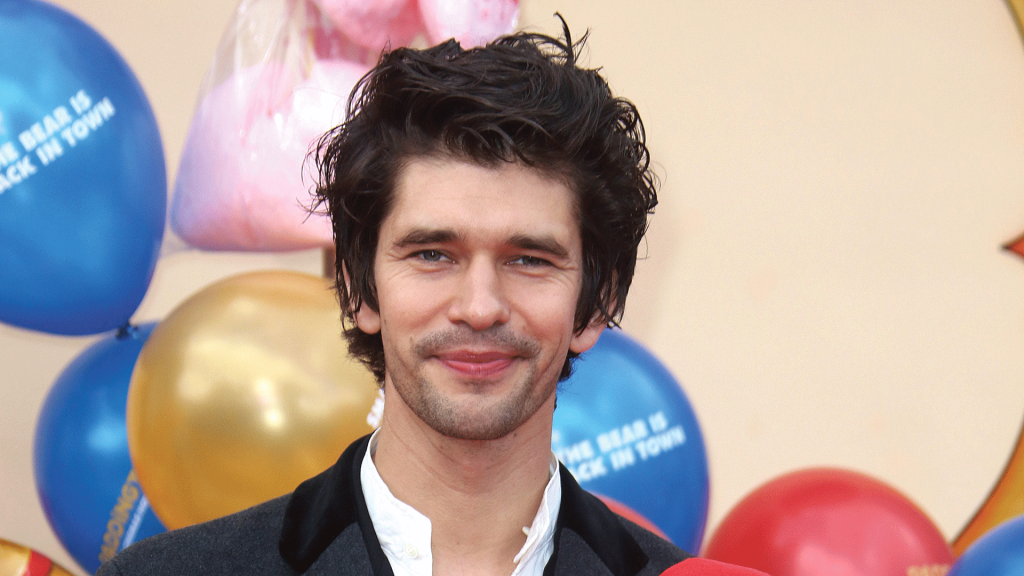
10. Ben Whishaw
Ben Whishaw has maintained a rare balance between mainstream visibility and quiet artistic precision. He can be part of a global franchise through the Bond films, voice a family favorite in Paddington, and still deliver work in projects like “Passages” or “A Very English Scandal” that feels delicate, adult, and emotionally exacting. He is one of the clearest examples of how a modern screen career can be both high-profile and deeply selective.
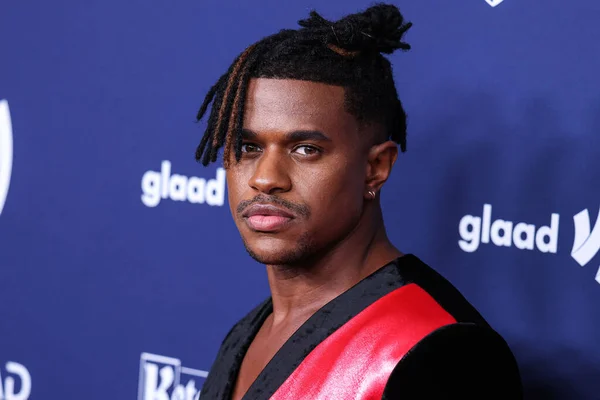
11. Jeremy Pope
Jeremy Pope’s ascent has been impossible to separate from the emotional boldness of his performances. He became the first performer nominated for two Tony Awards in different categories in the same year, then carried that momentum into film and television with “Hollywood” and “The Inspection.” His screen work has brought unusual intimacy to stories about identity, masculinity, and ambition.
He also reflects a key industry truth: some of the most important actors of the decade are those who make interior conflict feel visible without overselling it.
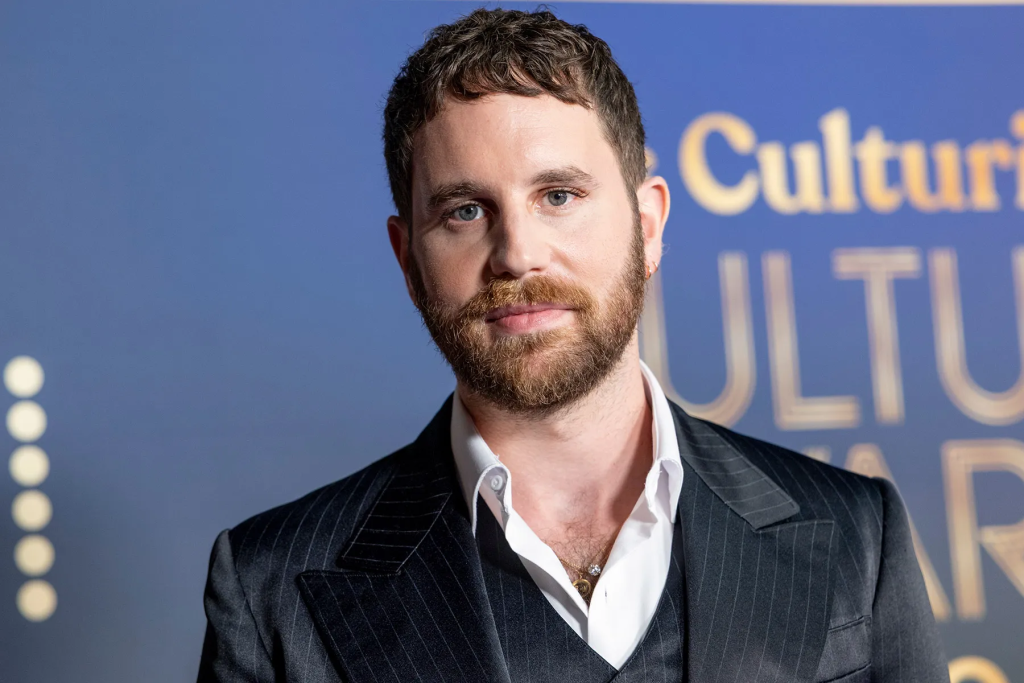
12. Ben Platt
Ben Platt has spent the decade operating across stage, screen, and music with unusual ease. “Dear Evan Hansen” made him a theater phenomenon, while “The Politician” and “Theater Camp” showed a performer comfortable with stylization, satire, and vulnerability. He has also built a recording career that reinforces his public identity as an all-around entertainer rather than a specialist in one lane.
That versatility has become increasingly valuable in an entertainment industry that rewards artists who can travel between platforms without losing definition. The strongest openly gay actors of the past decade have done more than deliver standout performances. They have helped broaden who gets to be central, complicated, funny, romantic, damaged, ambitious, and unforgettable onscreen.
And their presence lands at a time when representation remains both visible and fragile. As streaming platforms increased LGBTQ character counts while many inclusive series face endings or cancellations, these performers remain part of what keeps queer storytelling in the foreground.

