
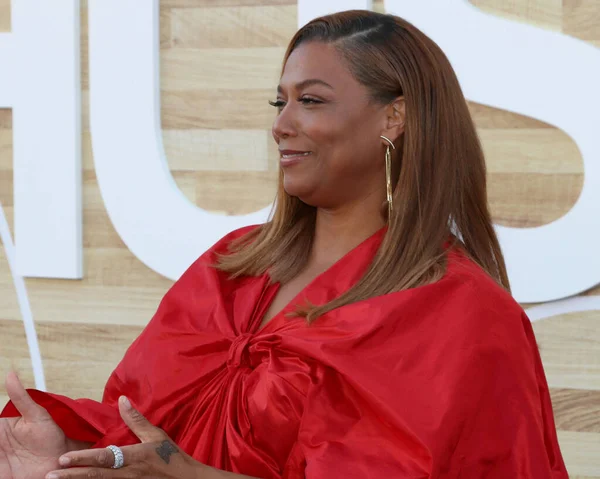
Hollywood has long treated women’s bodies like part of the casting brief. Even as standards keep shifting, some actresses have built lasting careers by refusing to let size become the whole story.
That matters even more now, as conversations around body image, representation, and visibility keep changing. A growing number of performers have shown that audiences respond to range, timing, vulnerability, authority, and star power far more than outdated ideas about who gets to lead.
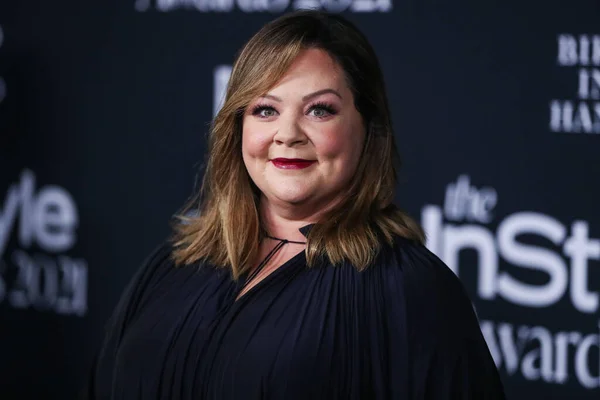
1. Melissa McCarthy turned comic force into leading-lady staying power
Melissa McCarthy remains one of the clearest examples that mainstream success never required shrinking to fit an industry mold. From “Bridesmaids,” “Spy,” and “Can You Ever Forgive Me?” to producing and designing fashion, her career has moved across comedy, drama, and action-leaning roles without making her body the defining feature. Her staying power also matches a broader shift in film. In 2024, 42% of top-grossing films featured female protagonists, a sign that studios have stronger evidence that audiences support wider kinds of leads. McCarthy’s body of work helped make that easier to see.
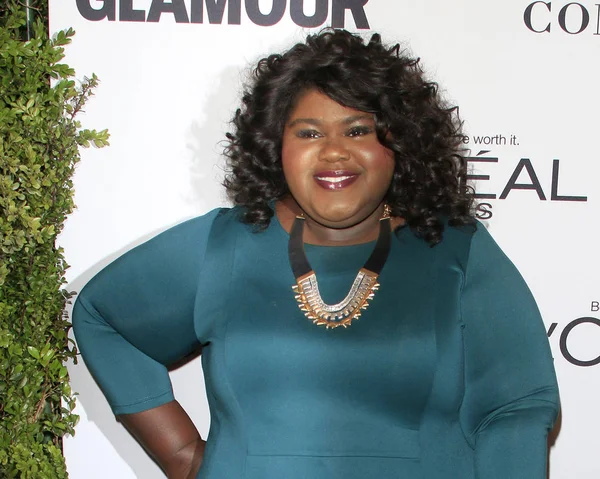
2. Gabourey Sidibe expanded far beyond a breakout role
Gabourey Sidibe arrived with “Precious” and never stayed boxed into one lane. She built on that breakthrough with major television work in “Empire” and “American Horror Story,” while also writing and directing. That move behind the camera is important. For performers in bodies that Hollywood has often stereotyped, creative control can change the kinds of stories that get made at all. Sidibe’s career has reflected that broader truth without needing to turn every role into a statement.
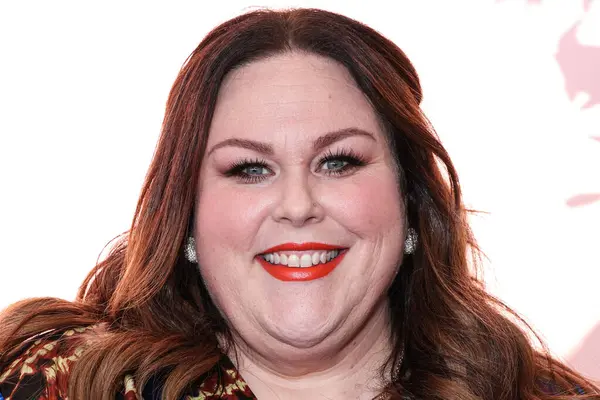
3. Chrissy Metz publicly kept ownership of her own choices
Chrissy Metz became widely known through “This Is Us,” where family, grief, love, and resilience carried the character as much as appearance ever could. She also directly clarified a point that drew wide attention: no contract forced her to lose weight. That kind of clarity has cultural weight. In an era when public conversations about celebrity bodies often turn invasive, Metz’s approach kept the focus on autonomy and work instead of speculation.
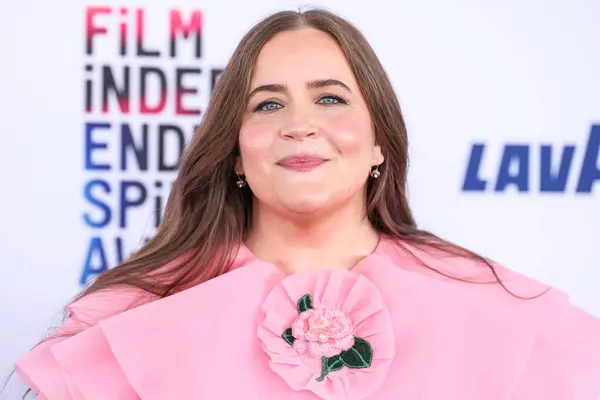
4. Aidy Bryant helped create roles that were not built on body jokes
Aidy Bryant’s years on “Saturday Night Live” made her a familiar face, but “Shrill” showed a different level of influence. As a writer and producer as well as star, she helped shape a series in which dating, ambition, friendship, and messiness were all allowed to exist without reducing the lead to a punchline. That reflects a wider industry pattern noted by performers and creators: more authentic representation often appears when plus-size people are involved in writing the material itself. Bryant’s work helped make that shift visible on screen.
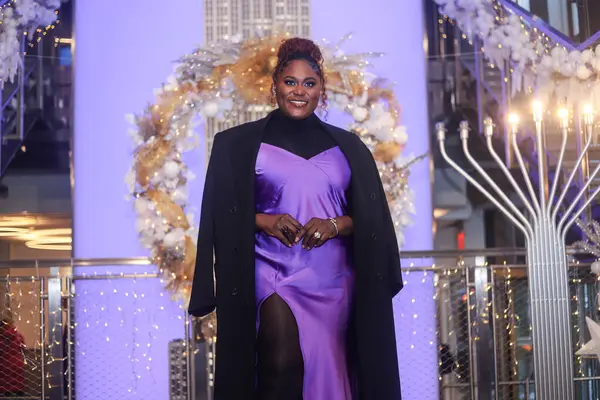
5. Danielle Brooks keeps proving range changes the conversation
Danielle Brooks has moved from Juilliard training to “Orange Is the New Black,” Broadway, film, and awards attention for “The Color Purple.” Her presence in prestige projects has consistently challenged the assumption that larger actresses belong only in narrow supporting types. She also fits into a larger change in how strength is being cast. Action and genre storytelling are opening slightly wider, and actresses like Brooks have helped redefine what authority, toughness, and emotional scale can look like on screen.
6. Barbie Ferreira pushed back on being treated like a trend
Barbie Ferreira brought a distinct presence to “Euphoria,” then continued into film projects including “Unpregnant” and “Nope.” Her comments around representation stood out because they named a fear that many viewers recognized: that Hollywood might treat plus-size visibility as temporary fashion instead of lasting inclusion. She told Cosmopolitan that “it was really great not to talk about or act out my body for once”. It was a short line, but it captured a larger frustration with roles that make body size the entire assignment.
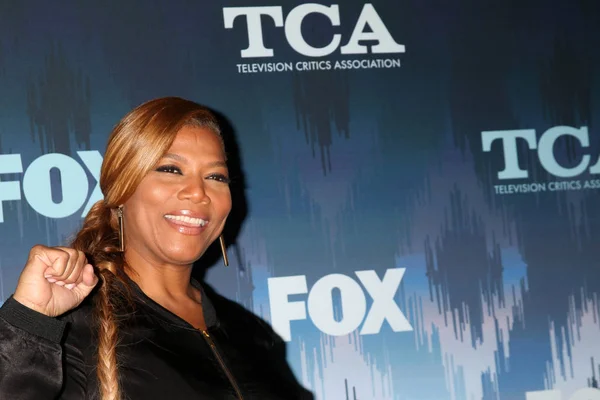
7. Queen Latifah built power both on screen and behind it
Queen Latifah’s longevity stands apart. She has led musicals, comedies, dramas, and action projects, including “Chicago,” “Last Holiday,” “Girls Trip,” and “The Equalizer”, while also producing. This is where the conversation gets bigger than casting alone. When actresses gain influence behind the camera, they can protect tone, character depth, and hiring decisions. Research on streaming and film has also linked women’s leadership off screen to more inclusive opportunities across productions, which helps explain why careers like Latifah’s matter beyond individual roles.
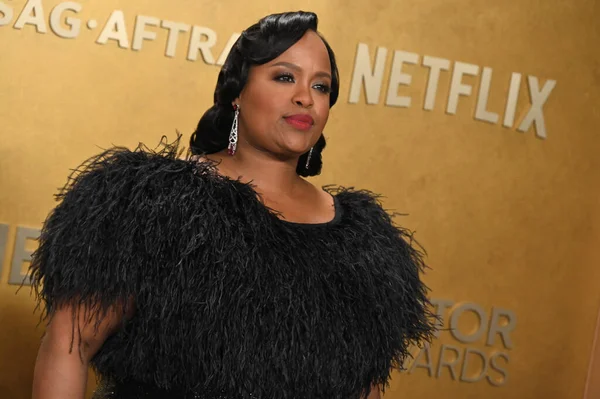
8. Natasha Rothwell helped normalize fuller, sharper supporting women
Natasha Rothwell became a standout on “Insecure” and later drew awards attention for “The White Lotus.” Her work as a writer and producer matters as much as her acting because it helps create characters with wit, ambition, and contradiction rather than stock traits. That kind of representation lands in a media culture where body ideals never stay fixed for long. As beauty standards have shifted dramatically across decades, performers like Rothwell have helped anchor something more durable: the value of specificity and personality over trend.
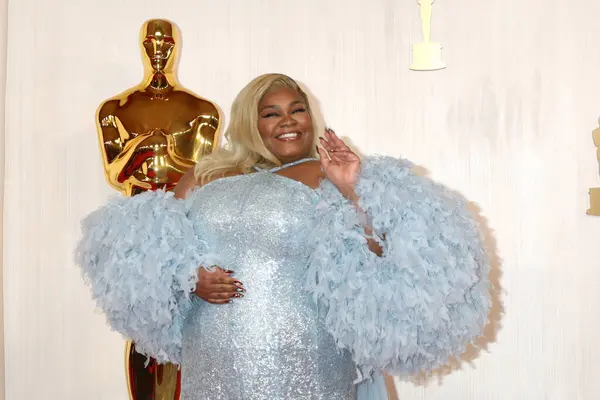
9. Da’Vine Joy Randolph showed that performance still breaks through noise
Da’Vine Joy Randolph’s rise has combined musical training, emotional depth, and scene-stealing presence across film and television. Her Academy Award for “The Holdovers” strengthened a message that many actresses on this list have been proving for years: audiences recognize craft. Her success also arrives during a complicated cultural moment, when thinner body ideals have again gained visibility in celebrity coverage and online discourse. That backdrop makes her acclaim feel especially significant, because it centers performance rather than transformation.
These careers do not tell one identical story. Some actresses took control through producing, some through writing, some through scene-stealing performances that made old assumptions look smaller than they were. Together, they show a clearer picture of where entertainment has moved: away from the idea that bigger bodies belong only in comic relief, and closer to a screen culture where talent, complexity, romance, authority, and visibility can exist in the same frame.

