
Celebrity identity stories rarely stay personal for long. Once ancestry, culture, or ethnicity becomes part of a public image, the conversation often shifts from curiosity to scrutiny. Some cases centered on family lore that could not be verified.
Others involved accents, styling, casting, or long-running personas that audiences believed crossed the line from admiration into reinvention. These examples show how quickly background claims can become part of a larger debate about authenticity, representation, and who gets to speak for a community.
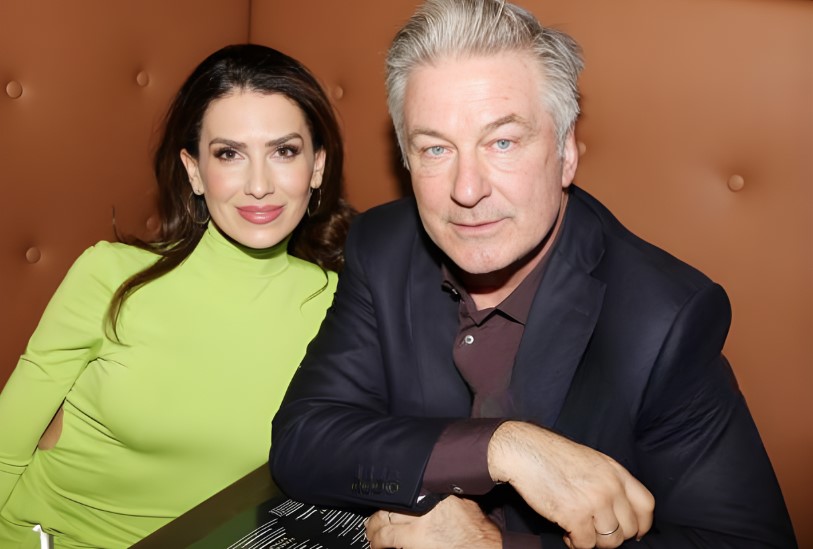
1. Hilaria Baldwin and the Spanish identity debate
Hilaria Baldwin spent years presenting herself in ways many people read as Spanish, including public appearances with a shifting accent and interviews that blurred where she was from. The backlash intensified after online users revisited older clips and biographies, especially the 2020 viral controversy around her accent and heritage.
Baldwin later said she was born in Boston and spent time in both the United States and Spain. She also said her family raised her with two cultures. The controversy remained memorable because it involved more than one detail: her name change from Hillary to Hilaria, media descriptions that framed her as Spanish, and years of public ambiguity that many critics saw as deliberate.
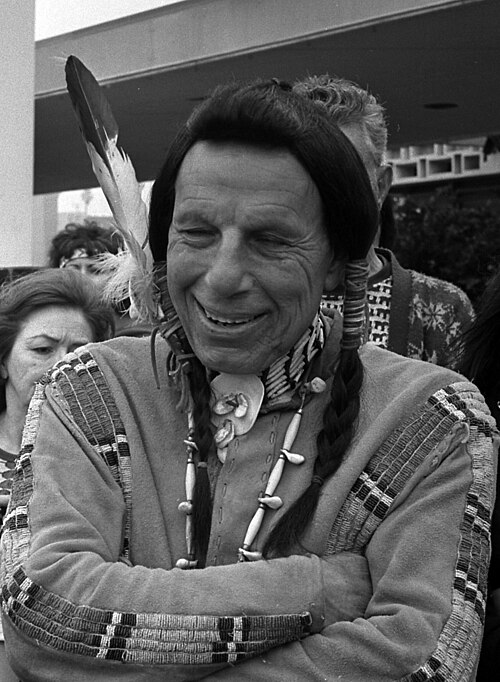
2. Iron Eyes Cody and one of Hollywood’s longest-running reinventions
For decades, Iron Eyes Cody was widely recognized as a Native American figure in film and television. His image became especially famous through the “Crying Indian” anti-litter campaign, which helped cement him as a symbolic representative of Indigenous identity in popular culture.
Later reporting found that he was born Espera Oscar de Corti to an Italian American family. What made the case so striking was its duration: the persona was not a short-lived publicity angle but a full public life. Even after his background was challenged, he continued to identify as Native American, which turned his story into a lasting example of Hollywood’s history of non-Native figures occupying Native roles and imagery.
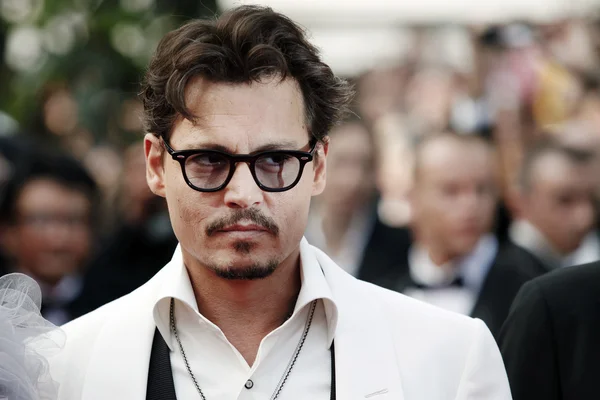
3. Johnny Depp and the questions around Native ancestry claims
Johnny Depp repeatedly said in interviews that he had Native ancestry, often mentioning Cherokee or Creek roots. Those claims drew much wider attention when he was cast as Tonto in The Lone Ranger, reviving a long-running argument about Indigenous representation on screen.
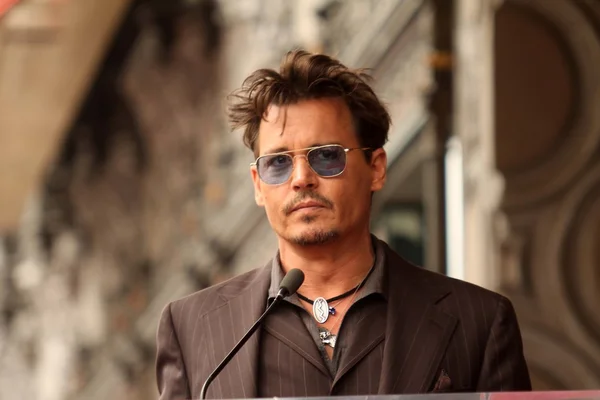
Critics noted that there was no documented tribal record supporting those ancestry claims. During the film’s rollout, Depp was also described as an honorary member of the Comanche Nation, but that did not resolve the debate over his biological heritage. The controversy became less about one actor’s family story and more about why major productions still struggled to cast Indigenous performers in major Indigenous roles.
4. Gwen Stefani and the line between identification and admiration
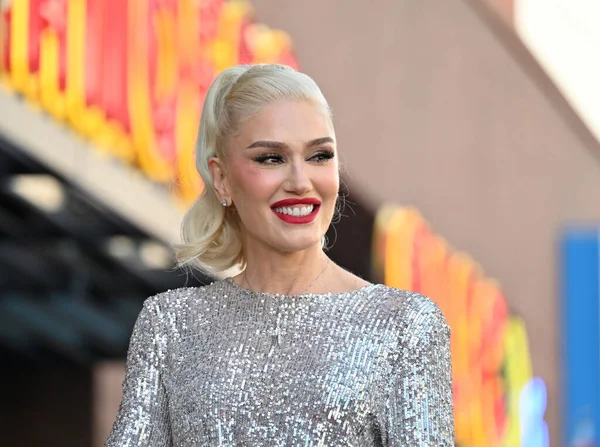
Gwen Stefani had already faced criticism for treating Harajuku aesthetics as a pop accessory during an earlier phase of her career. That discussion reignited when she said she felt Japanese while describing her deep connection to the culture.
The reaction was sharp because Stefani is publicly known to be of Italian and Irish descent. Her comments were interpreted by critics as another example of celebrity culture collapsing admiration, influence, and identity into the same thing. In this case, the controversy was not about documented ancestry claims but about language that seemed to recast cultural fascination as personal belonging.
5. Rita Ora, Ariana Grande, and the racial identity controversy
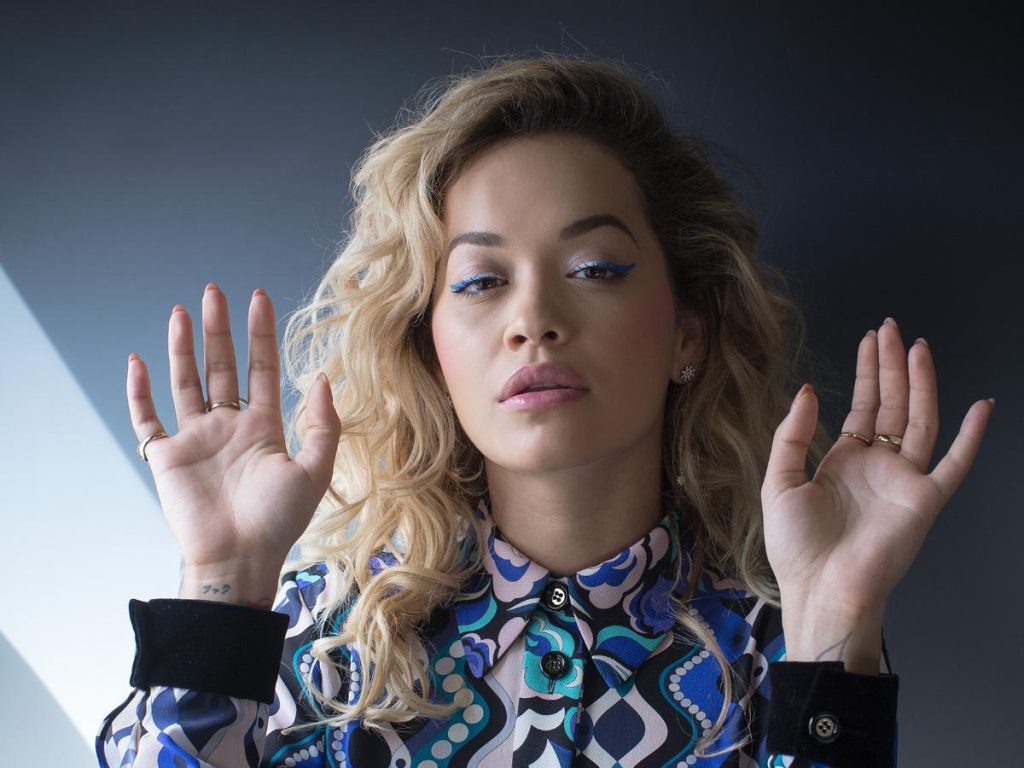
Not every identity controversy starts with a direct ancestry claim. In several pop culture debates, the issue centered on appearance and branding instead. Rita Ora has repeatedly clarified that she is Albanian after years of public confusion about her background.
Ariana Grande also faced recurring criticism as her tanning, styling, and image shifted over time, leading some observers to accuse her of cultivating racial ambiguity. In both cases, the discussion focused on whether aesthetics can create a misleading public impression even without an explicit false statement. That distinction made these debates more complicated, but no less visible.
6. Iggy Azalea and the performance of borrowed identity
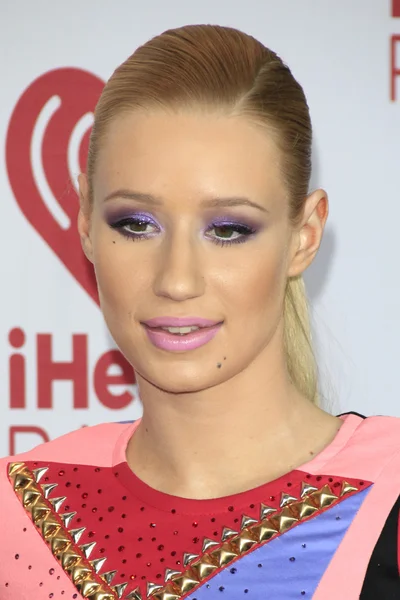
Iggy Azalea did not claim to be Black, but her career prompted persistent criticism over how she performed identity through voice, delivery, and image. As an Australian artist using a Southern-influenced rap accent, she became a frequent example in discussions about who profits from Black cultural forms.
Her case often gets grouped with appropriation debates rather than ancestry disputes. Still, it belongs in this larger conversation because it shows how public suspicion can build when a performer’s persona appears detached from their lived background. That tension followed her through her biggest chart years and shaped how many listeners interpreted her success.
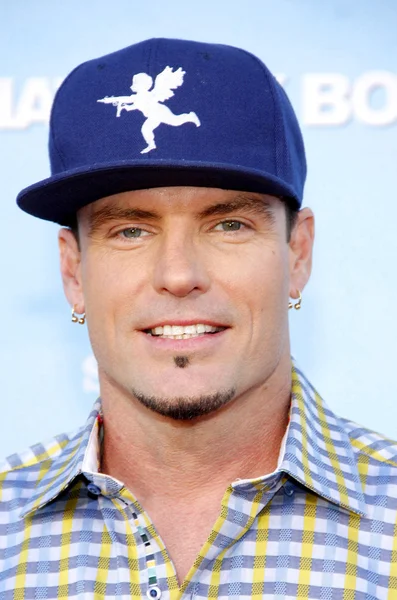
7. Vanilla Ice and the manufactured backstory problem
Some public myths were less about ethnicity than about constructing a more marketable identity. Vanilla Ice became a major star with a biography that suggested a rough upbringing tied to hip-hop credibility.
Later reporting challenged that story, showing that he had grown up in a more comfortable setting than fans had been led to believe. He eventually acknowledged exaggerations in his background. The fallout showed how closely entertainment industries tie authenticity to origin stories, especially in genres where personal history carries as much weight as the work itself.
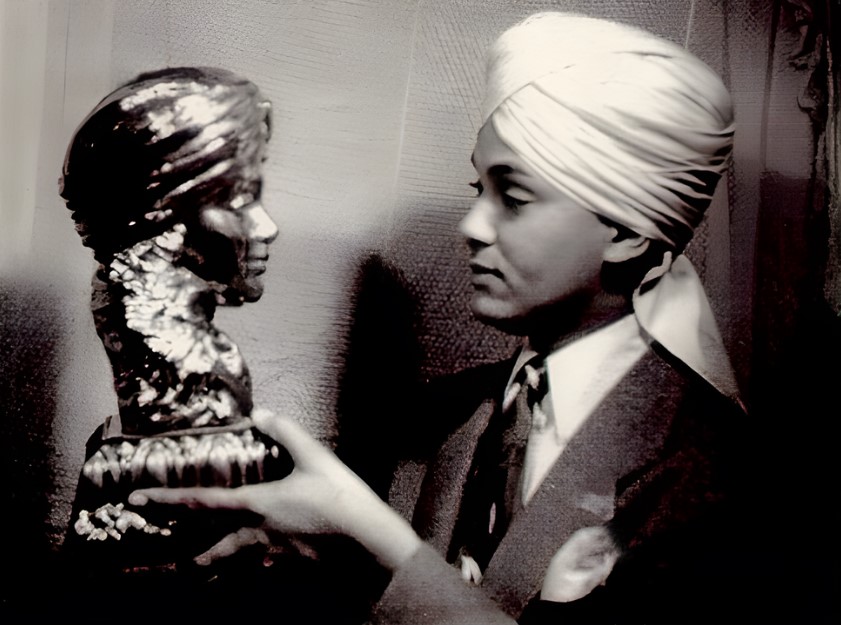
8. Korla Pandit and reinvention under racial barriers
Korla Pandit built a mysterious on-screen identity as an Indian musician, complete with a carefully maintained aura of distance and silence. After his death, it became known that he was actually John Roland Redd, an African American performer.
This case stands apart because it cannot be separated from the racial constraints of mid-century America. His reinvention was not only image-making; it was also a way to navigate an entertainment landscape that severely limited Black performers. That history does not erase the deception, but it explains why his story is often discussed with more context than simple scandal.
These controversies were never only about genealogy. They became flashpoints because celebrity culture rewards mystery, exoticism, and marketable backstories while audiences increasingly expect transparency. The result is a pattern that keeps repeating: a personal claim becomes part of a brand, the brand meets public fact-checking, and the wider conversation turns to representation, power, and who gets believed.

