
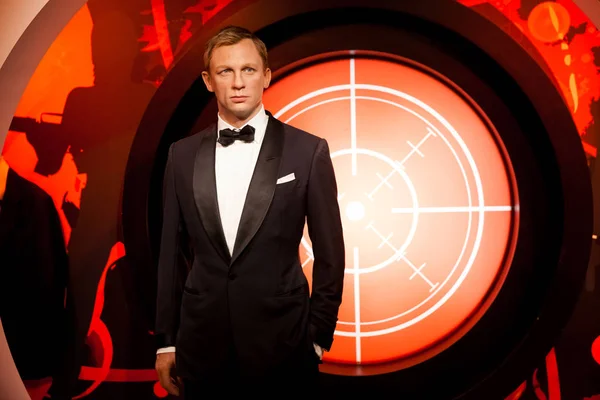
Long-running roles can turn into golden handcuffs. For some actors, the cleanest way out was not a farewell tour or an open-ended exit, but a death scene that made a return nearly impossible. That choice has shaped some of television and film’s most memorable goodbyes. In several cases, the actor wanted closure because of burnout, frustration, scheduling demands, or a feeling that the character had already reached the end of the road.
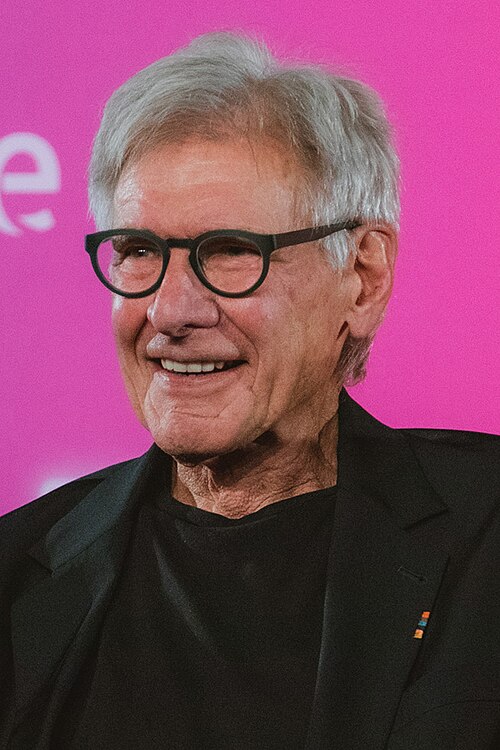
1. Harrison Ford as Han Solo
Harrison Ford had wanted Han Solo to die long before it finally happened. During the original trilogy, he argued that a sacrifice in Return of the Jedi would give the story more emotional weight, but that idea did not happen then. Decades later, he returned for The Force Awakens and got the definitive ending he had long pushed for. Han’s death gave the character a final, heavy dramatic turn instead of leaving him suspended in nostalgia.
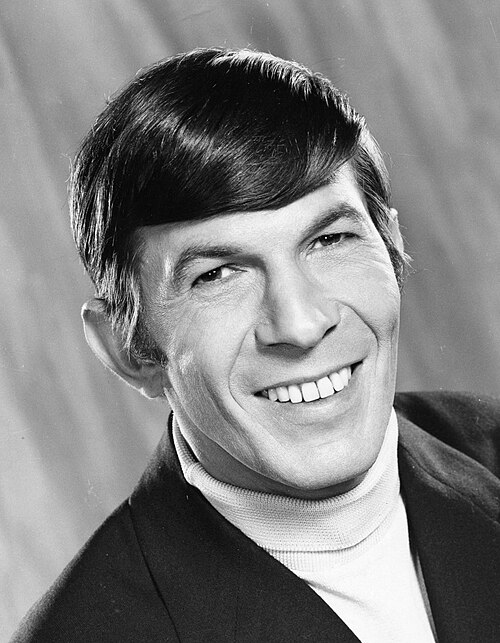
2. Leonard Nimoy as Spock
Leonard Nimoy’s relationship with Spock was famously complicated by typecasting. When he came back for Star Trek II: The Wrath of Khan, he reportedly wanted Spock’s death written in as a condition of returning. The result was one of science fiction’s best-known farewell scenes, built around sacrifice and loyalty rather than simple shock. Even though Spock later returned, the original request reflected how intensely Nimoy wanted space from a role that had defined him for years.
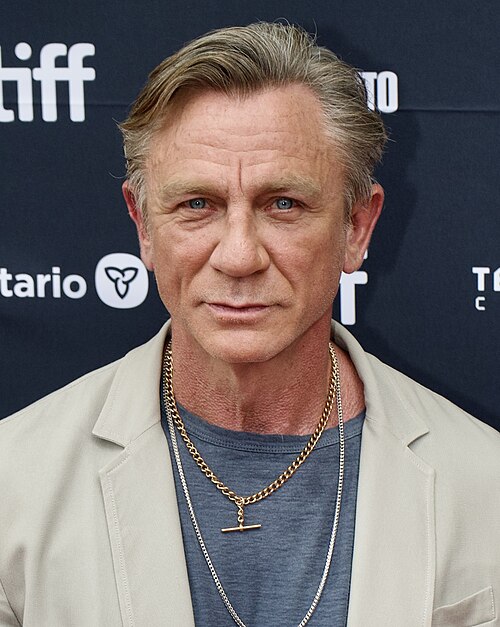
3. Daniel Craig as James Bond
By the end of his Bond era, Daniel Craig had made it clear that he wanted a real ending. The physical strain of the role and the years-long commitment had become central parts of the conversation around his exit. In No Time to Die, Bond’s death closed the door in a way the franchise had never attempted before, giving Craig’s version of 007 a finish line rather than the usual handoff. It was a rare case where a blockbuster series embraced finality for its lead.
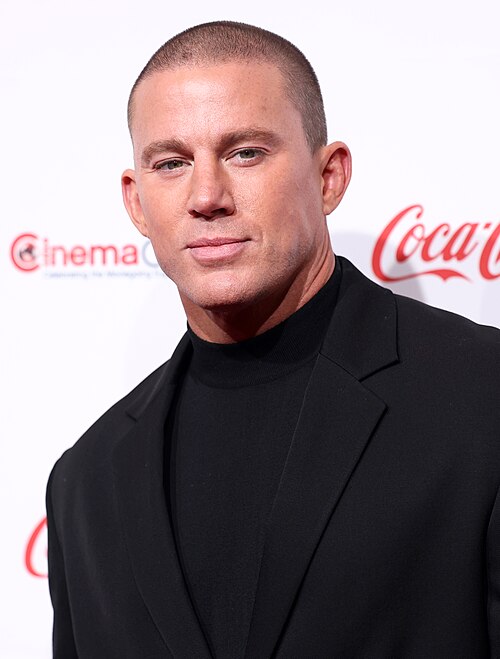
4. Channing Tatum as Duke
Channing Tatum’s exit from the G.I. Joe series was blunt and efficient. After not enjoying the first film, he returned for the sequel with a clear request that Duke not stick around. The character was killed off early, which allowed the film to move on quickly and let Tatum fulfill the obligation without anchoring the entire story. It remains one of the more obvious examples of an actor wanting out as fast as possible.
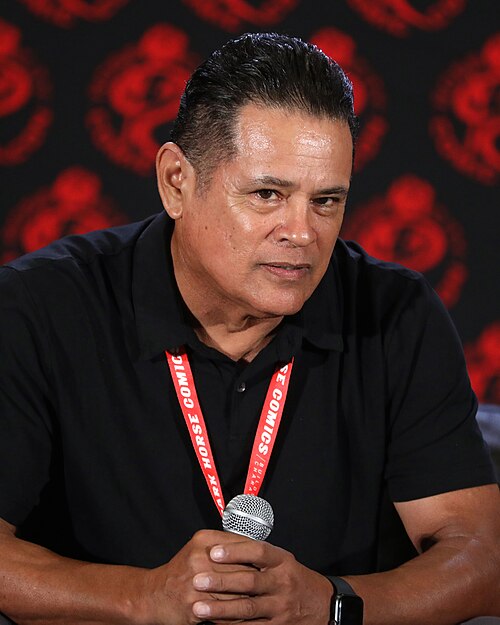
5. Raymond Cruz as Tuco Salamanca
Raymond Cruz was unusually candid about why he wanted Tuco gone. He told AMC, “I asked them to kill me. Honestly, I wasn’t looking forward to coming back and doing the part.” The actor found Tuco’s intensity exhausting, which tracks with how ferociously the character played on screen. In Season 2, Episode 2, Hank Schrader shot Tuco, ending one of Breaking Bad’s most volatile early arcs.
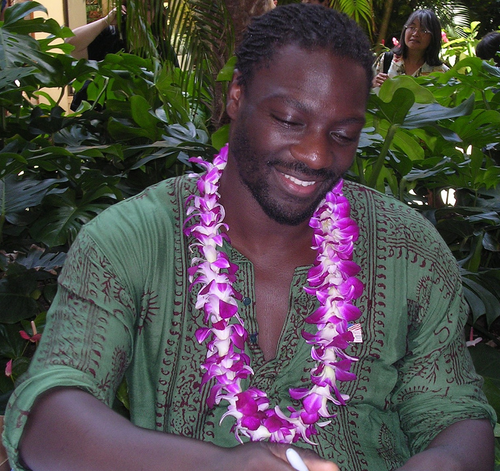
6. Adewale Akinnuoye-Agbaje as Mr. Eko
Mr. Eko was reportedly designed for a longer journey on Lost, but Adewale Akinnuoye-Agbaje wanted out earlier. He later said the character felt complete after a major flashback episode, explaining, “It was such a well-written episode that I knew I would be able to sew him up in a season.” The show answered with a brutal death that cut short a storyline many viewers expected to last much longer. It was abrupt, but it gave the character a mythic and haunting exit.
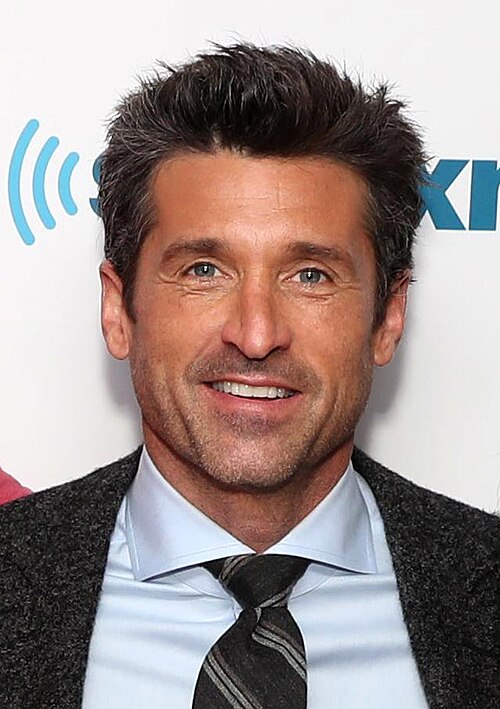
7. Patrick Dempsey as Derek Shepherd
After more than a decade on Grey’s Anatomy, Patrick Dempsey was ready to reclaim control of his schedule. He told People, “It had been long enough.” Derek Shepherd’s death after a car accident became one of the series’ defining emotional jolts, partly because the character had been so central for so long. The exit also showed how a star departure can permanently alter the emotional center of a show.

8. Kal Penn as Lawrence Kutner
Kal Penn’s departure from House came with almost no warning inside the story, which made Kutner’s death hit even harder. Penn left to take a role in public service, and the show chose a sudden ending rather than a gradual write-out. That decision gave the series one of its bleakest twists, emphasizing how little closure people sometimes get when someone disappears from daily life without explanation. The shock was the point.
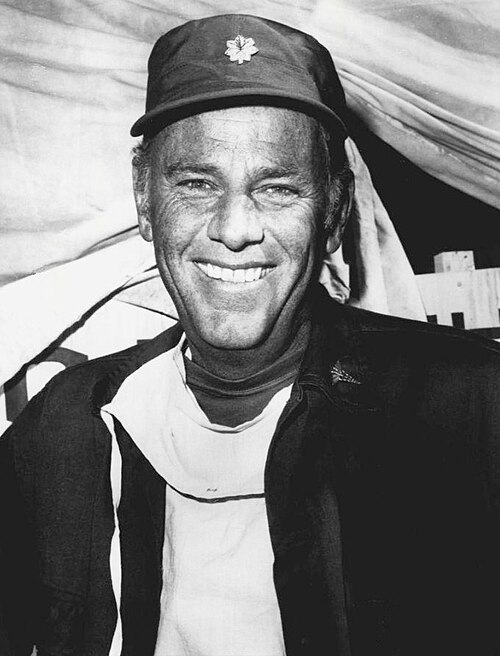
9. McLean Stevenson as Henry Blake
McLean Stevenson wanted to move on from M*A*S*H and pursue leading-man opportunities elsewhere. Instead of giving Henry Blake a routine goodbye, the series killed him in a plane crash, turning a sitcom exit into a television landmark. The moment still stands out because it refused sentimentality and landed with devastating force. Few character departures changed a show’s tone more dramatically.
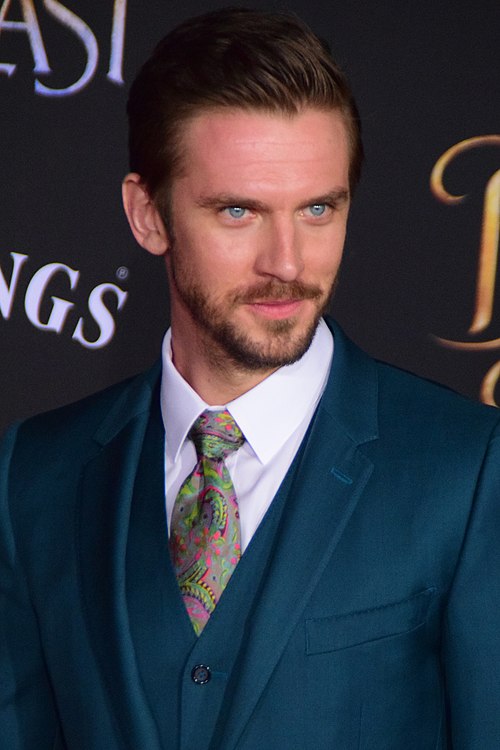
10. Dan Stevens as Matthew Crawley
Dan Stevens chose not to renew his contract with Downton Abbey, and the series answered with a death that blindsided viewers right after a moment of happiness. Matthew Crawley’s sudden car crash did more than remove a fan favorite; it redirected the entire emotional architecture of the show. It also demonstrated a recurring pattern in long-form TV: when an actor wants a complete break, writers often choose a permanent ending over a vague disappearance.
These exits were not all driven by boredom in the simplest sense. Some came from exhaustion, some from creative frustration, and some from the desire to stop repeating the same emotional beats year after year. What ties them together is the need for finality. When actors ask for death scenes instead of open doors, the result is often a departure viewers remember far longer than a standard goodbye.

