
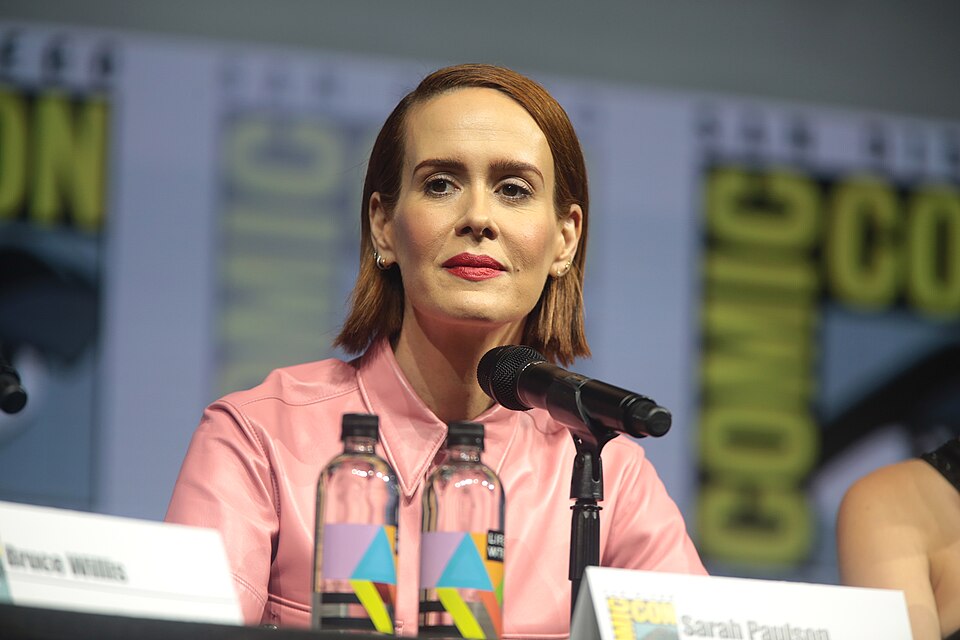
Hollywood has spent decades rewarding a narrow idea of what a leading woman should look like. For many queer actresses, that pressure came with an added layer of scrutiny around gender expression, body type, age, and whether they fit an image executives believed audiences would accept.
These performers built lasting careers anyway. In different ways, each one turned the label of “unattractive,” “too much,” or “not marketable” into proof that talent, timing, and authenticity often outlast the industry’s beauty rules.
1. Sarah Paulson
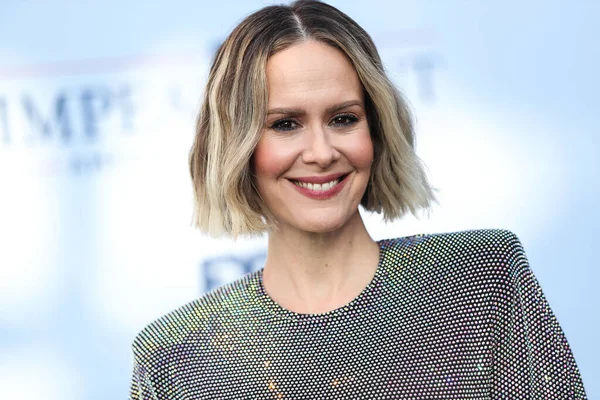
Sarah Paulson’s early career was shaped by the kind of feedback many actors never forget: her features were considered too distinctive for standard leading-lady roles. Instead of disappearing into that assessment, she developed a reputation for range, precision, and emotional intensity. Her long run in “American Horror Story” changed how she was seen, and major awards followed, including an Emmy and a Golden Globe.
Her trajectory reflects a broader truth about the business. Research on Hollywood’s beauty culture has argued that beauty ideals remain narrow and fixed, especially for women expected to read as polished, youthful, and familiar on screen. Paulson’s career succeeded by moving in the opposite direction: the qualities once treated as barriers became central to her appeal.
2. Jane Lynch
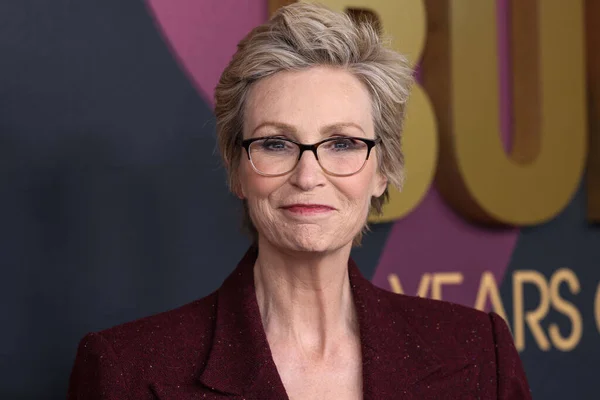
Jane Lynch spent years hearing that she was too tall, too sharp, or too outsized for the kinds of female roles television often protected most carefully. Then “Glee” arrived, and Sue Sylvester turned every one of those supposed liabilities into comic authority. The tracksuit, the glare, the physical presence, and the cutting delivery were not softened for acceptance. They were the point.
That success mattered beyond one hit show. It showed that a woman did not need to be styled as delicate or traditionally glamorous to dominate a mainstream series and become a household name.
3. Lea DeLaria
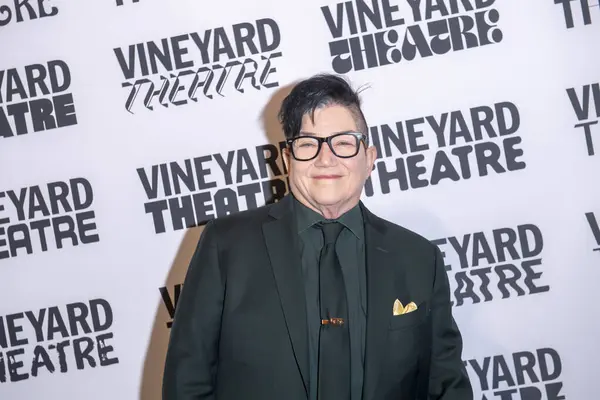
Lea DeLaria’s butch presentation was often treated as a joke before the industry found a place for it. For years, her look was framed as something to explain rather than something to cast. Her role as Big Boo on “Orange Is the New Black” changed that by placing a visibly queer performer at the center of a globally recognized series without asking her to dilute her identity.
DeLaria’s rise also landed at a moment when more public figures were openly criticizing impossible appearance demands. Bella Ramsey once said, “I was told [in] one of my first auditions ever… The director really liked me, but I didn’t get the part because I didn’t have the ‘Hollywood look.’” That quote, published in a roundup of stars challenging beauty standards, echoed a pattern DeLaria had been navigating long before streaming television widened the frame.
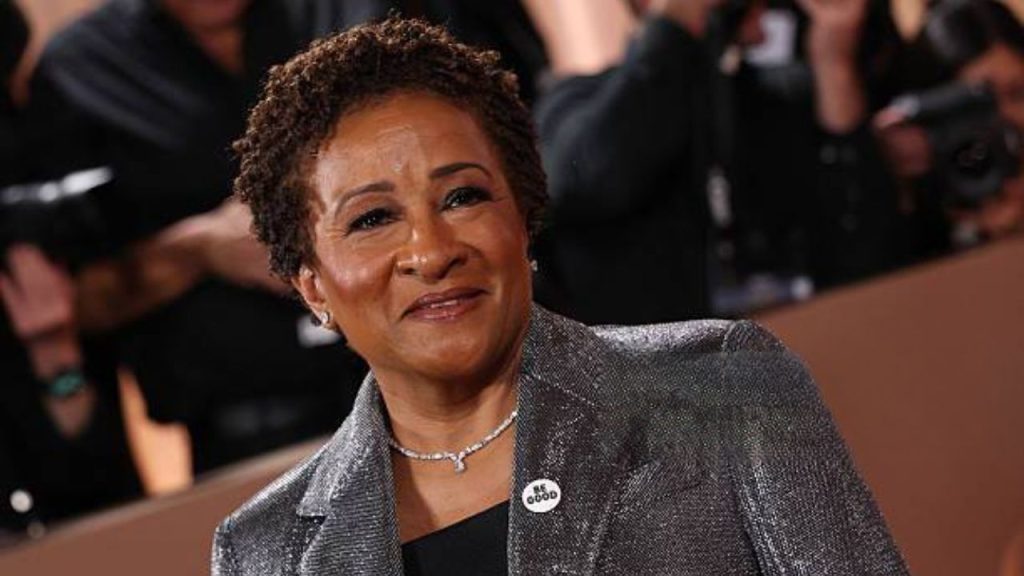
4. Wanda Sykes
Wanda Sykes faced the combined pressure of race, relations, and an industry discomfort with women who did not sand down their edges. Her voice, timing, and directness were sometimes treated as too abrasive for broad appeal. Instead, those exact traits helped make her one of comedy’s most durable figures, first as a writer and stand-up, then as a performer with multiple Emmy-recognized turns and a long television career.
Her public life also carries another dimension often flattened in celebrity narratives. Accounts of later-in-life coming out stories have noted that Sykes came out publicly at 40, adding another layer to a career already built in plain view. By then, she had already established that a performer did not need to conform visually or personally to remain central to American entertainment.
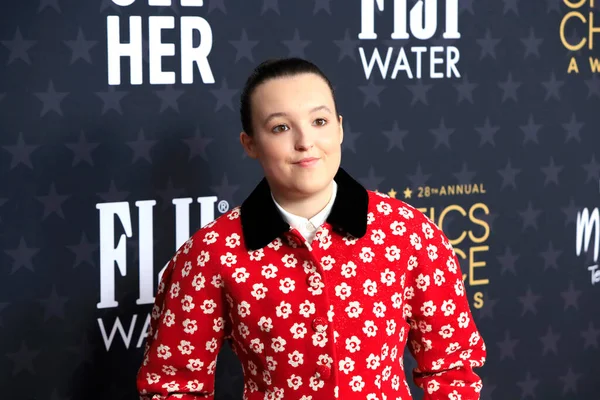
5. Bella Ramsey
Bella Ramsey became a lightning rod for appearance-based criticism when cast as Ellie in “The Last of Us.” Much of the backlash focused not on performance but on whether they matched a preexisting visual template. The response on screen ended that argument for many viewers. Ramsey earned widespread praise and an Emmy nomination, and the work made clear how often adaptation culture mistakes resemblance for acting.
This was not the first time they had encountered that gatekeeping. In an earlier reflection on auditions, Ramsey said they were told they lacked the “Hollywood look,” a phrase that has become shorthand for an exclusion system built on appearance first and artistry second.
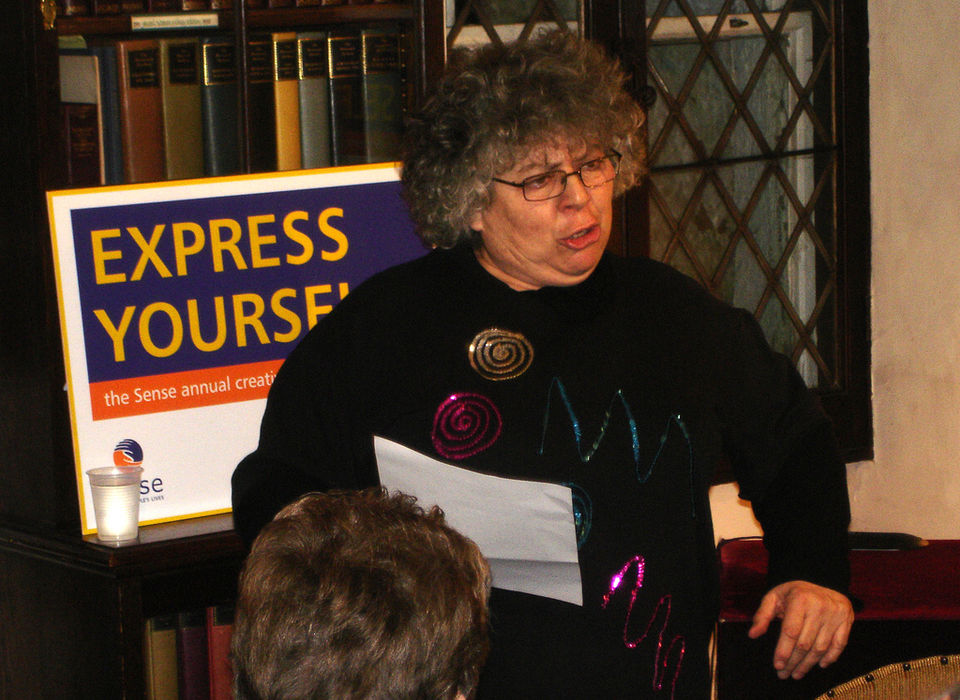
6. Miriam Margolyes
Miriam Margolyes has long been described in ways that reveal more about the industry than about her. “Too characterful” has often been the coded phrase, suggesting that a vivid face, forceful personality, or refusal to flatter beauty expectations somehow places an actress outside the center. Yet Margolyes built a career that lasted across generations, from stage work to “Harry Potter” fame to a later wave of popularity driven by her unforgettable television appearances.
She did not become famous by fitting a fantasy of refinement. She became famous by being unmistakable. That distinction explains why her relevance has proven so durable.
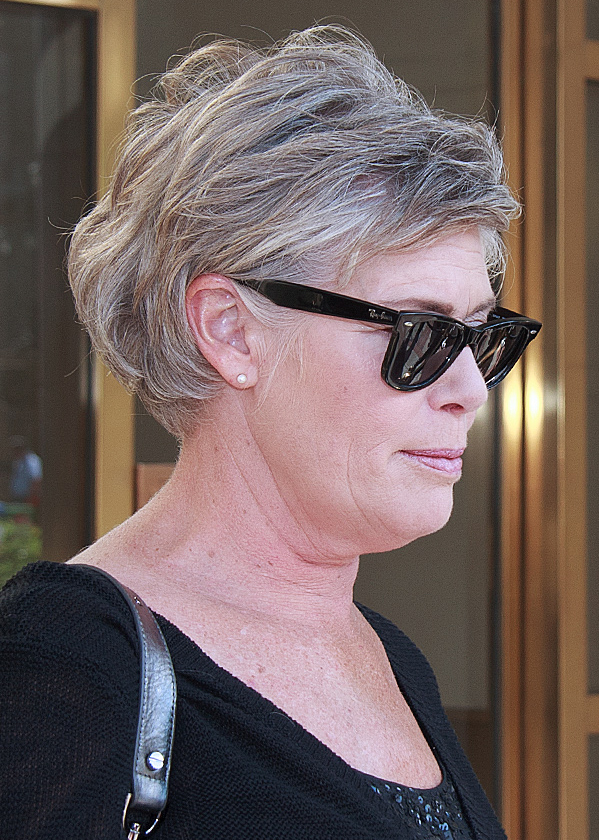
7. Kelly McGillis
Kelly McGillis offers a different version of the same story: not rejection at the beginning, but punishment for aging outside the script. Once framed as a classic Hollywood beauty, she later became a target of commentary because she looked her age and did not reshape herself to preserve an older image. Her response was notable for its clarity. She stated that she preferred to age naturally rather than pursue surgery to satisfy expectations.
That stance connects to a wider conversation many women in entertainment have raised. Public comments collected in recent years have challenged the idea that women must hide aging to remain valuable, while the industry still rewards a very narrow visual standard. McGillis’s later career has been smaller in scale than her peak years, but it has remained firmly on her own terms.
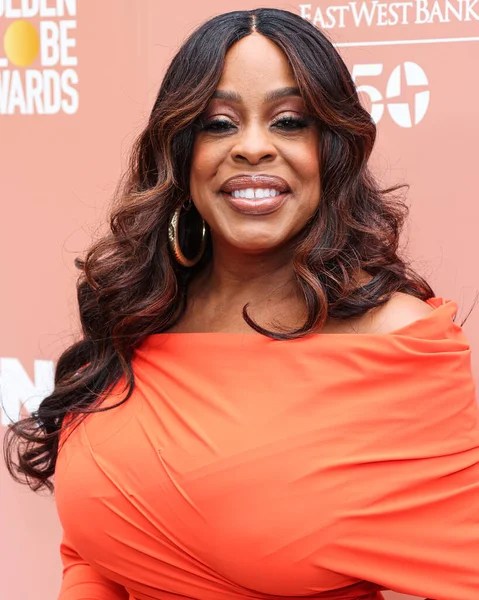
8. Niecy Nash-Betts
Niecy Nash-Betts was long boxed into comic roles, with her body and personality used to define the limits of what casting could imagine for her. She steadily broke that framing apart. “Getting On,” “When They See Us,” and her Emmy-winning work in “Dahmer – Monster: The Jeffrey Dahmer Story” established her as a dramatic force as well as a comic one.
Her personal life also became part of a wider queer visibility story when she married Jessica Betts. Profiles of women who came out or found same-relation love later in life have included Nash-Betts as an example of how public identity does not always follow a straight line. In Hollywood, where image is often treated as destiny, her career has shown the opposite.
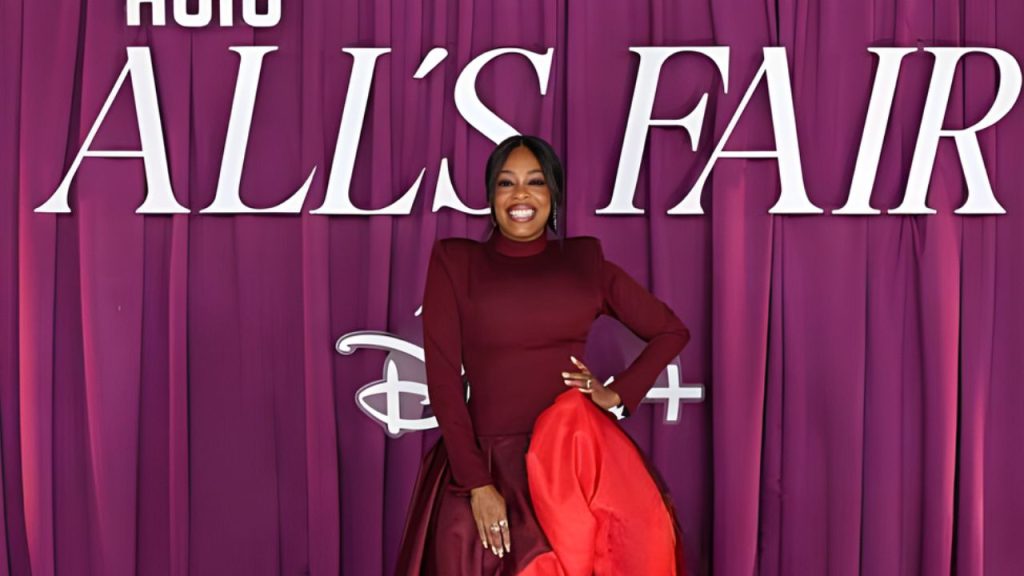
What links these actresses is not a shared style, age, body type, or path into fame. It is the fact that each one outlived an assumption about what kind of woman audiences would accept. Their careers became the answer. In an industry still wrestling with narrow ideals, that kind of longevity remains one of the clearest rebuttals possible.

