
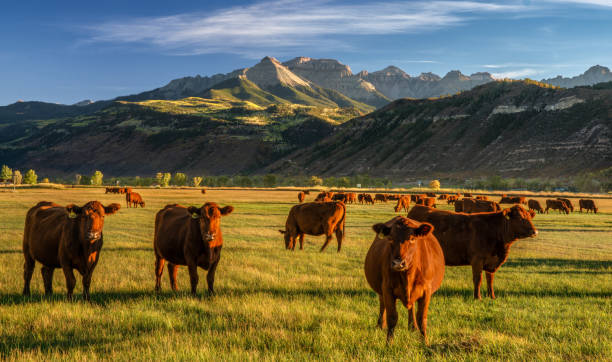
Tyson Foods’ plant shutdown in Nebraska and shift reduction in Texas did more than eliminate thousands of jobs. The moves exposed how a years-long cattle shortage is now reshaping ranches, processing plants, grocery bills and small-town economies at the same time.
The pressure did not appear overnight. Drought, higher borrowing and feed costs, and slow herd rebuilding have pushed the U.S. cattle business into a prolonged stretch of tight supply, with effects now visible far beyond the pasture.
1. The U.S. cattle herd is sitting near a generational low
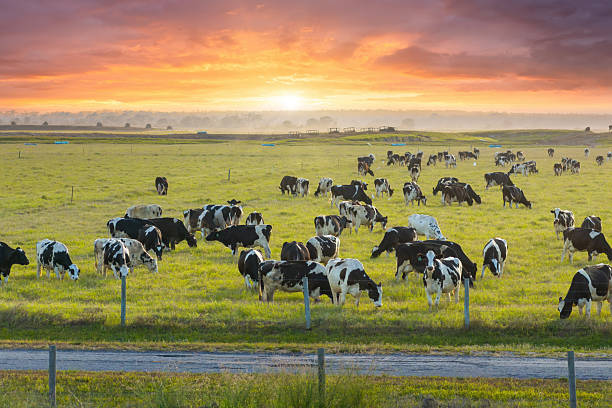
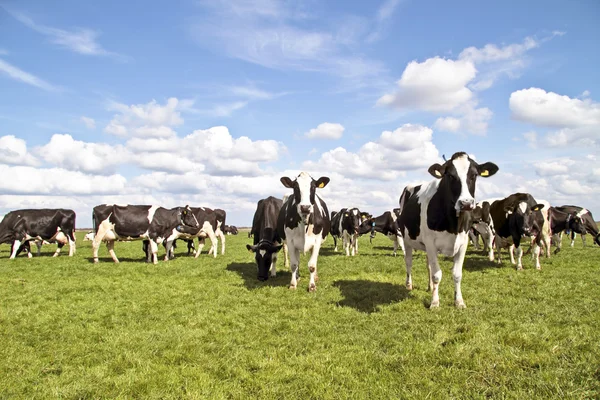
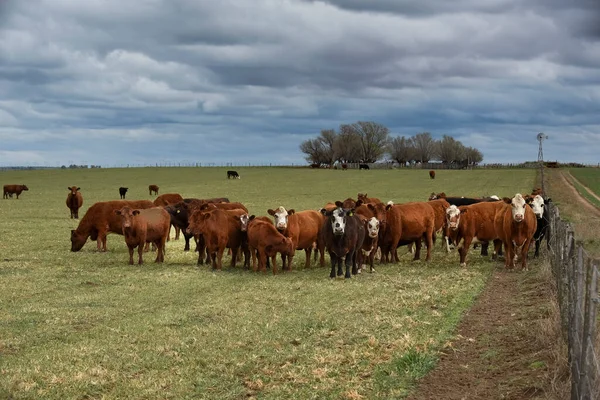
The scale of the contraction is unusually severe. The January inventory showed 86.2 million head of cattle and calves in the United States, a 75-year low that has kept the industry in a long contraction phase. Beef cows totaled 27.6 million, the lowest level since 1961, while the 2025 calf crop fell to a record low of 32.9 million.
That matters because fewer cows today mean fewer calves tomorrow, and fewer calves mean less beef moving through the system later. Even where ranchers are beginning to keep more heifers for breeding, the base herd remains so small that expansion is still slow.
2. Drought did not just shrink pasture, it changed ranching decisions
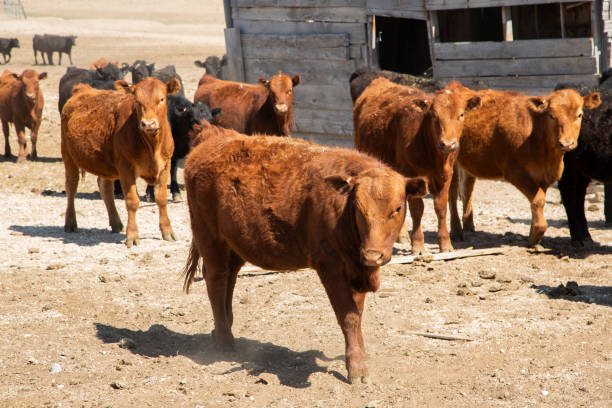
Eric Belasco of Montana State University put the central problem plainly: “The biggest thing has been drought.” Dry years across the Plains and West reduced grazing, cut hay output and forced ranchers to sell animals earlier than planned, including cows that would normally stay in the herd to produce future calves.
Research cited by the Kansas City Federal Reserve found that each step up in drought severity is associated with a 12% drop in hay production, a 5% rise in hay prices, a 1% reduction in herd size and a 4% decrease in farm income. That chain reaction helps explain why herd rebuilding has lagged even as cattle prices rose.
3. Tyson’s cuts show how low supply can hurt processors as well as producers
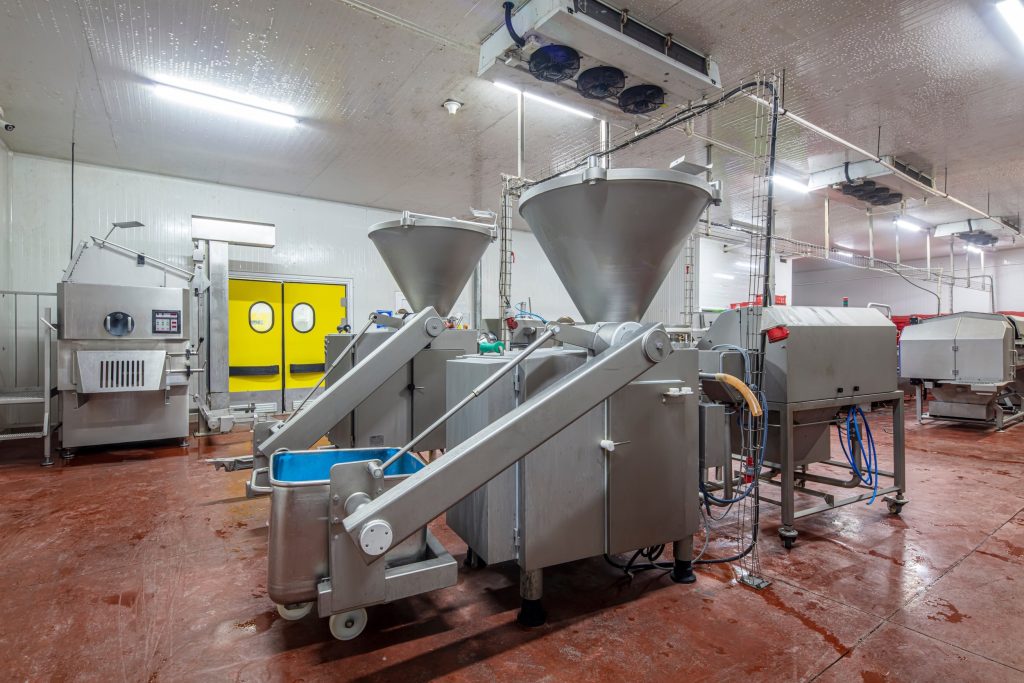
Tyson’s beef business reported $426 million in losses over the 12 months ending in late September 2025, and the company projected further losses in fiscal 2026. In Lexington, Nebraska, the company closed a plant that employed roughly 3,200 workers. In Amarillo, Texas, it cut to a single shift, affecting 1,761 workers.
The basic math is uncomfortable for packers. Plants were built for larger cattle volumes, but lower herd numbers mean fewer animals to process and more competition to buy them. When cattle become expensive and facilities run below efficient levels, processors can lose money even while consumer beef prices remain high.
4. Rebuilding the herd is measured in years, not months
Derrell Peel of Oklahoma State University said, “The fact of the matter is there’s really nothing anybody can do to change this very quickly.” It takes about two years to bring cattle to market, and meaningful expansion requires retaining heifers for breeding instead of selling them into the meat supply.
Industry estimates now point to any broad herd expansion reaching retail counters no earlier than 2028. That timeline is one reason analysts continue to describe the current squeeze as structural rather than temporary.
5. Beef prices are rising faster than many other grocery staples
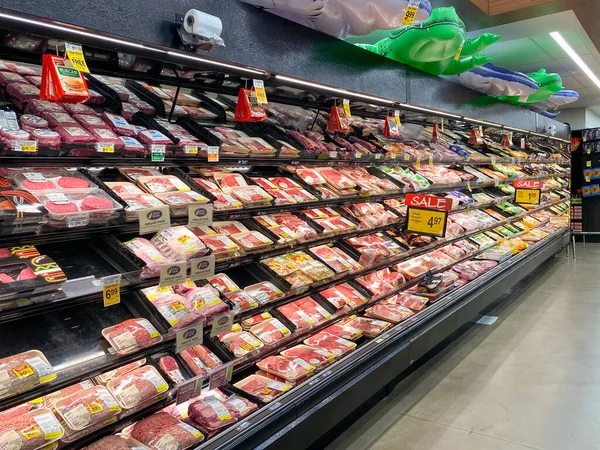
Consumers are already seeing the result at the meat counter. USDA data showed the average retail beef price rising from $8.51 a pound in August 2024 to $9.85 a year later, roughly a 16% increase. Separate inflation data showed the broader beef and veal category up 15% over the year as of January.
What stands out is the contrast with other foods. Chicken prices rose much more slowly, and milk changed little over the same period, making beef one of the sharper pressure points in household food spending.
6. Strong demand is keeping prices elevated despite the squeeze
Tight supply is only part of the story. Americans have continued buying beef even as prices climbed, helping keep the market firm. Fresh beef sales reached $44.3 billion over the past year, according to data cited in the reference material, with demand outpacing several competing meats.
As Kansas State agricultural economist Glynn Tonsor said, “The consumer desire for beef is strong.” That demand has limited the relief that might otherwise come from higher prices.
7. Small cities feel these layoffs as a community shock, not just a workplace change
In Lexington, a city of roughly 10,000 to 11,500 people, Tyson has been a defining employer for decades. The plant helped shape local population growth, and the town’s immigrant community has been deeply tied to its workforce. Local concerns there have extended well beyond paychecks to housing, schools, restaurants and whether families can realistically remain in place.
Amarillo faces a similar ripple effect. A loss of more than 1,700 jobs arrives in a regional labor market that local speakers described as unable to absorb that many displaced workers quickly. Tyson has said severance, relocation support, priority hiring elsewhere and recall rights for union members are part of the transition, but those measures do not change the scale of the disruption.
8. Plant closures can leave lasting regional effects even if national supply stays tight
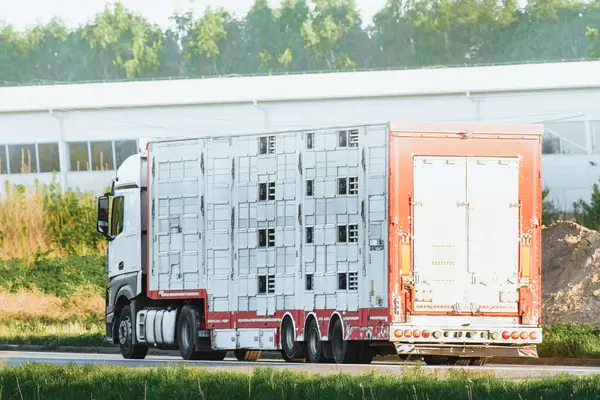
Location matters in cattle country. The Lexington facility could process nearly 5,000 head per day, and its closure removes a major buyer from an important cattle-feeding region. For producers nearby, longer hauls to other plants can mean higher transportation costs and more stress on pricing.
That does not automatically translate into a nationwide collapse in cattle prices, because the industry currently has more unused processing capacity than it did during some earlier disruptions. But regional effects can still be sharper, especially where sellers have fewer nearby options.
9. Imports and policy changes are unlikely to provide quick relief
Policy responses have included grazing initiatives and temporary changes to Argentine beef access, but the effect on supermarket prices appears limited. Even after the additional quota, the added Argentine supply would amount to about 1% of total U.S. beef consumption, according to industry analysis.
That is why the deeper issue remains domestic production capacity at the ranch level rather than a short-term policy fix. Imports can adjust some parts of the supply mix, especially lean trimmings for ground beef, but they do not rebuild the U.S. herd.
The Tyson layoffs became a visible marker of a larger industry imbalance. Ranchers, packers, workers and shoppers are all feeling different parts of the same cycle. Until the herd rebuilds in a meaningful way, the pattern is likely to remain familiar: tighter cattle supplies, uneven rural job prospects and beef prices that stay stubbornly high.

