
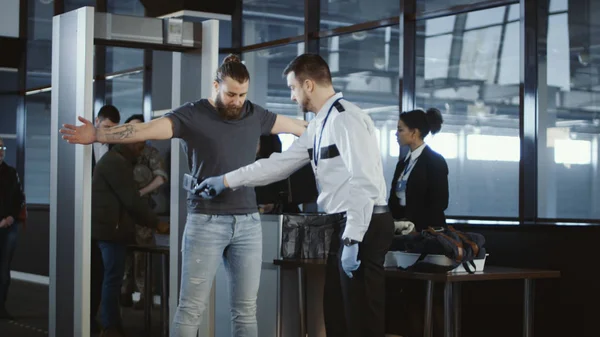
Airport security works best when travelers arrive ready to be screened, not ready to improvise. Many of the longest delays begin with familiar habits: loose items everywhere, documents buried in a bag, or a traveler following rules from a different lane than the one directly ahead.
That matters even more during busy travel periods, when TSA screened over two million passengers a day during the 2025 Christmas and New Year’s stretch. The practical lesson is simple: small mistakes multiply quickly when thousands of people are making them at once.
1. Making threat jokes at the checkpoint
Security officers do not treat comments about bombs or explosives as casual humor. A joke that might seem harmless to a traveler can trigger a much more serious response, slowing the line and complicating the screening process for everyone nearby.
TSA guidance has repeatedly warned passengers not to joke about prohibited threats in security areas. At a checkpoint, speed depends on predictability, and remarks that force officers to pause the process work against that goal immediately.
2. Waiting until the belt to empty every pocket
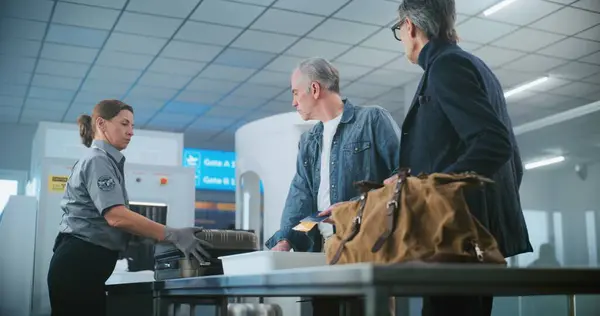
One of the most common choke points happens at the divestment table, when a traveler only then begins pulling out keys, coins, receipts, cards, and earbuds. What looks like a quick search often becomes a prolonged shuffle that blocks bins and backs up the people behind them.
Experienced travelers often “pre-strip” before they even reach the screening area, removing belts, bulky jewelry, and metal-heavy extras in advance. The smoother routine is to consolidate pocket items into a jacket pocket, bag compartment, or bin before stepping to the front.
3. Tuning out lane-specific instructions
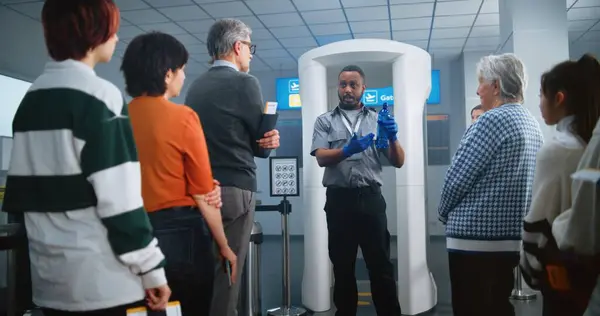
Not every checkpoint runs the same way. Some lanes use technology that changes what must come out of a bag, and some programs change what travelers keep on their bodies while screening.
In standard screening, TSA says travelers should remove personal electronic devices larger than a cell phone. In TSA PreCheck, electronics and liquids often stay packed, and shoes usually stay on as well. More recently, TSA also announced a broader end to the shoes-off travel policy for domestic airport checkpoints. That mix of changing rules is exactly why officers need travelers to listen to the instructions in their specific lane instead of relying on memory.

4. Packing liquids that will obviously be pulled
Full water bottles remain one of the most avoidable checkpoint slowdowns. So do oversized toiletries, lotion gift packs, and other containers that exceed the limit for carry-on screening.
TSA still applies the 3-1-1 liquids rule in regular carry-on screening, with limited exceptions for some medical and child-related needs. When a bag has to be opened to find a bottle that could have been emptied or checked, the delay reaches beyond one traveler.
5. Leaving electronics buried under everything else
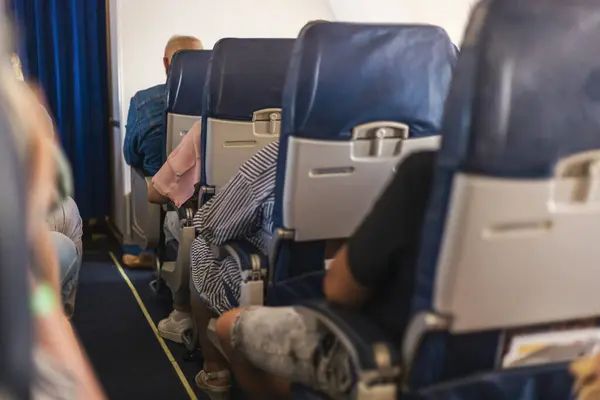
A laptop that comes out late is a problem. A laptop placed in a bin and then covered with jackets, chargers, and snacks is often another one.
Officers need a clear X-ray image to move bags through quickly. Cluttered bins make items harder to interpret, which raises the chances of a second inspection. That is why large electronics do best when they are visible and separated, not packed into a crowded tray like an afterthought.
6. Putting small loose items directly on the conveyor
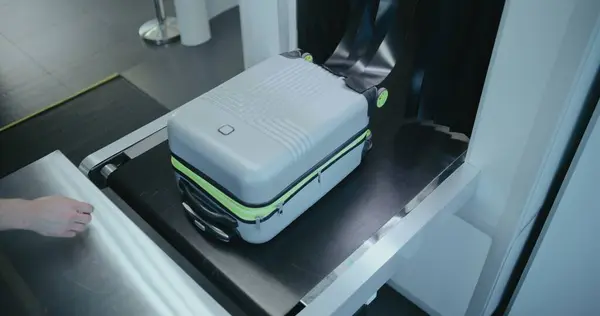
Phones, keys, and jewelry can disappear into the awkward spaces around moving equipment or create stoppages that take time to sort out. A conveyor belt is not a catchall for every object in a traveler’s hands.
Small items move more cleanly inside a bin or zipped into a bag compartment until screening is complete. It is a minor adjustment, but it prevents lost property and keeps the belt moving.
7. Treating ID checks like an afterthought
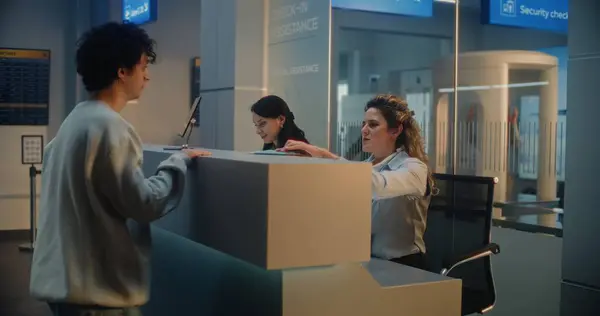
Nothing stalls the podium faster than a traveler digging through a backpack for identification while everyone else waits. Security officers have also singled out an especially unhelpful habit: holding an ID in the mouth while juggling shoes and bags.
Document checks have become more important as identification rules have tightened. TSA said in early 2026 that 95-99% of travelers are presenting REAL IDs or other acceptable identification. Even with newer options such as Touchless ID in some PreCheck lanes, TSA still instructs passengers to carry a physical backup ID. Having identification ready before reaching the podium saves time for everyone.
8. Bringing prohibited or frequently flagged items without checking first
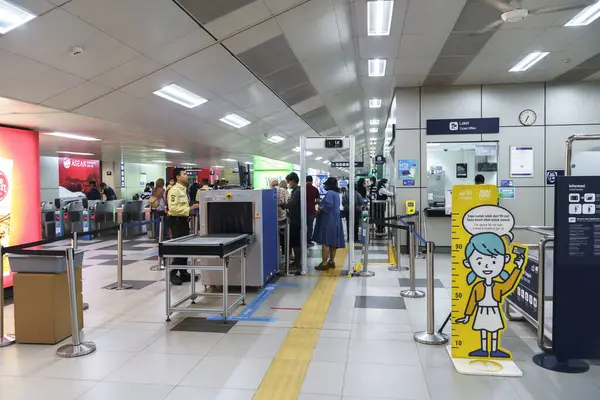
Some delays begin long before the airport, at the moment a traveler tosses something questionable into a carry-on. TSA representatives have pointed to oversized liquids and firearms among the most serious examples, but plenty of everyday items can also trigger a second look.
Food, wipes, candles, books, snow globes, and even containers of Play-Doh are among the objects that are often pulled for extra screening because they can be difficult to interpret on an X-ray. Starting with an empty bag and packing deliberately is often faster than trying to remember what was left inside from the last trip.
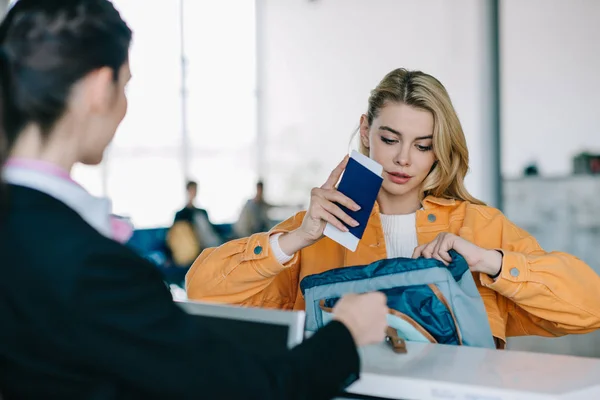
9. Arguing about status, access, or what the boarding pass should say
Checkpoint disputes rarely improve the immediate outcome. When a boarding pass does not show PreCheck access, debating it with an officer holds up the line without changing the lane’s operating rules. This has become more visible as TSA PreCheck has grown.
The program reached a record 20 million travelers in 2024, bringing more occasional users into faster-moving lanes. That wider use has made one basic habit more valuable than ever: checking the boarding pass before stepping up, rather than discovering a mismatch at the front.
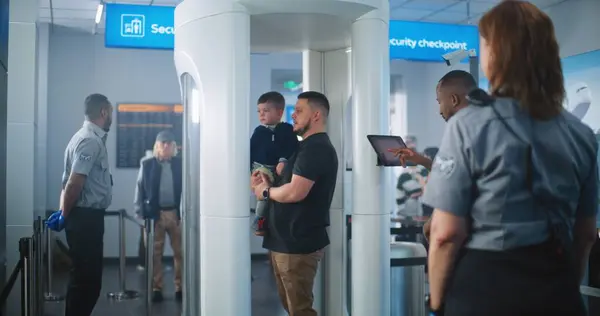
10. Letting family screening turn chaotic
Children and pets need a little more coordination than bins and backpacks do. Officers have repeatedly warned that children and pets should not be sent through the X-ray unit, and they also notice when adults move ahead while a child is left lingering on the other side of the scanner.
Family travel has become such a distinct challenge that TSA has been expanding dedicated family screening lanes at select airports. The reason is straightforward: keeping children close, moving together, and following officer direction creates a safer and faster flow than scrambling mid-process.
The checkpoint experience is not really about perfection. It is about preparation, attention, and presenting belongings in a way that officers can clear quickly. When travelers arrive with pockets emptied, documents ready, and fewer surprises inside their bags, the line tends to feel less like a standoff and more like a system doing what it was built to do.

