
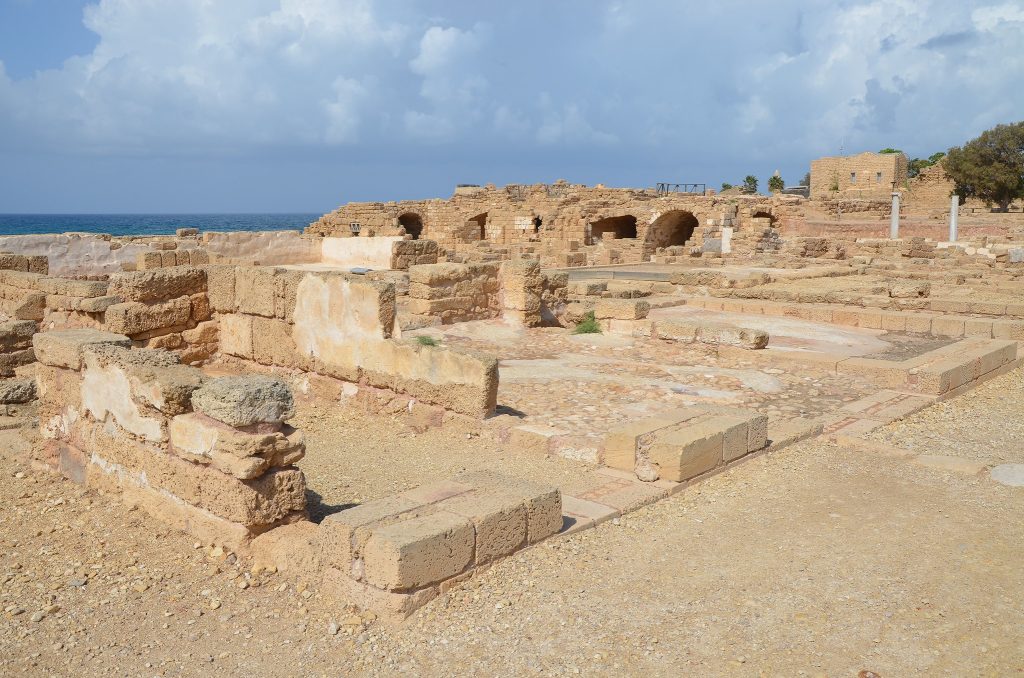
The story of ancient Israelite religion does not begin with a clean, solitary sky. It opens in a crowded sacred world, where family shrines, local altars, divine titles, and regional traditions all shaped how people understood power, protection, and the presence of the divine.
Scholars broadly agree that ancient Israel did not start with the later, familiar form of monotheism. Instead, the movement toward one God unfolded over centuries through changing worship practices, political upheaval, poetic theology, and the slow narrowing of the divine landscape.
1. Israel’s earliest religion grew inside a polytheistic neighborhood
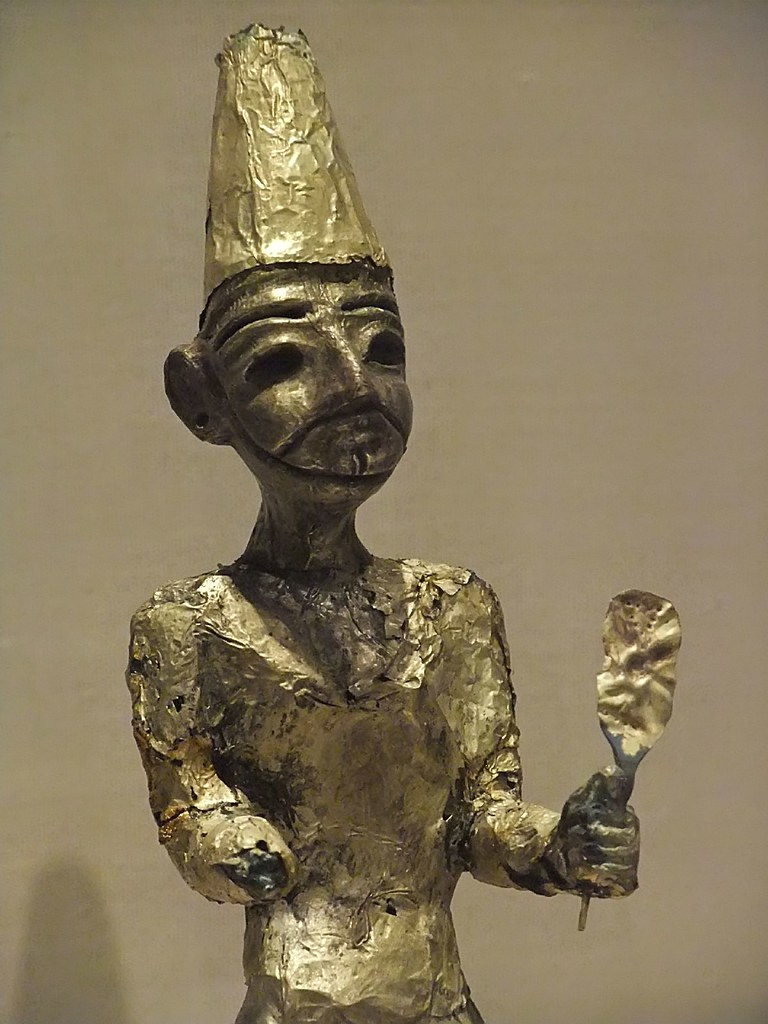
Ancient Israelite religion emerged from the larger West Semitic and Canaanite world, not apart from it. In that setting, people commonly recognized multiple gods and goddesses, each linked to places, powers, or peoples. Early Israel shared much of that religious environment, including temple worship, sacrifice, festivals, and sacred symbolism.
Several scholars describe early Israelite religion as a form of polytheism or henotheism rather than full monotheism. Yahweh became the central national deity, but devotion to one chief god did not automatically erase the existence of others. This larger background matters because the eventual claim that only one God exists was not the starting point; it was a later theological achievement.
2. Yahweh was central long before he was understood as the only god
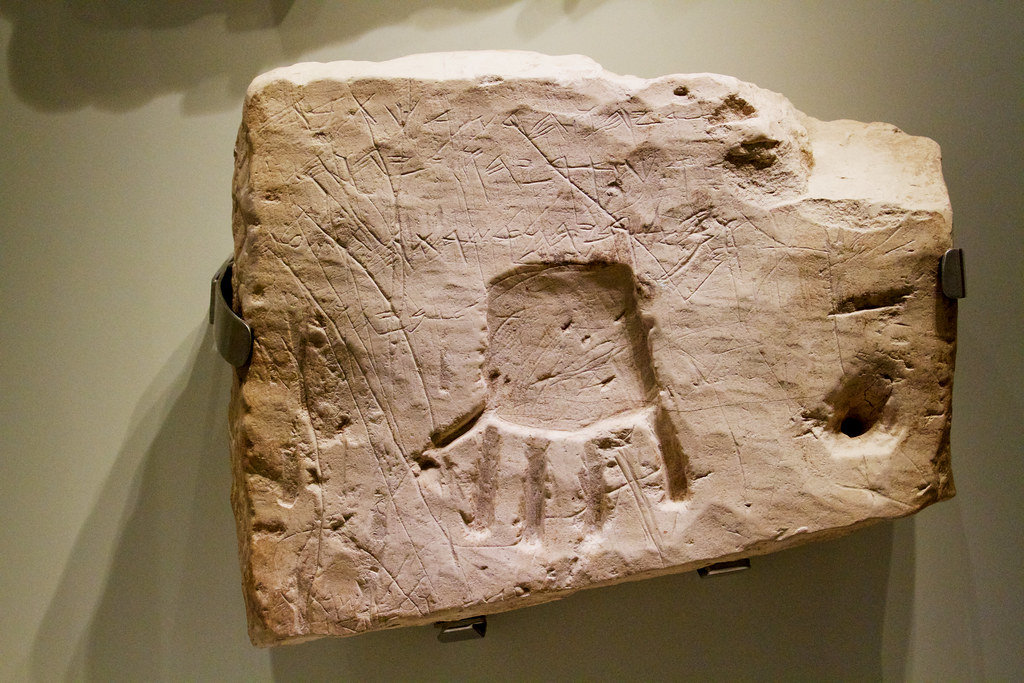
For much of ancient Israel’s history, the key shift was not from no Yahweh to Yahweh, but from Yahweh among other divine beings to Yahweh alone. The religion often called Yahwism placed Yahweh at the center of Israel and Judah’s public worship, festivals, sacrifices, and royal identity.
That centrality, however, is different from monotheism. A people could treat one god as their patron, king, or protector while still assuming that neighboring peoples had their own divine powers. This is why some biblical laws read less like philosophical denials of other gods and more like commands about loyalty.

3. The earliest texts preserve a world where other divine beings were still imaginable
Some of the oldest biblical poetry reflects a religious landscape that had not yet been fully flattened into later monotheism. The famous command, “You shall have no other gods before me,” is often cited in this discussion because it regulates worship rather than plainly denying that other gods exist.
Other biblical passages also point to a divine council or heavenly assembly. Psalm 82 places Yahweh in a larger celestial scene, and Psalm 29 opens with an address to heavenly beings. These texts do not read like the mature declarations of later monotheism. They preserve older layers in which divine plurality still formed part of Israel’s inherited language.
4. Archaeology shows that everyday worship was more varied than later theology suggests
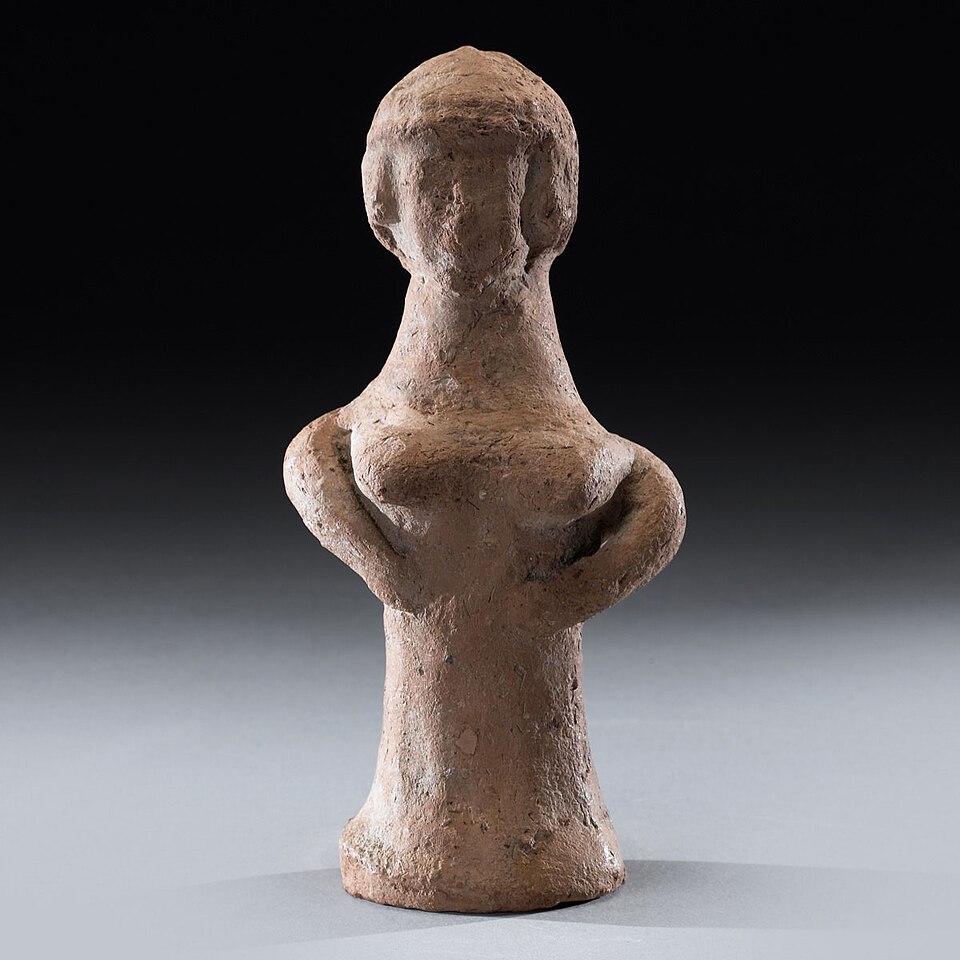
Material evidence has complicated any simple claim that all Israelites always worshiped one God in one way. Inscriptions from Kuntillet ‘Ajrud and Khirbet el-Qom are frequently discussed because they appear to pair Yahweh with Asherah or an asherah symbol. Scholars debate exactly how those inscriptions should be read, but they remain central to the picture of a more layered religious world.
Archaeology also shows that worship did not revolve only around Jerusalem. Temples and cult sites at places such as Dan, Arad, Beersheba, and Motza suggest a landscape of many sacred centers. Households, villages, and royal sanctuaries could all participate in religious life, making local variation normal rather than exceptional.
5. Early poetry may already contain the seeds of monotheism
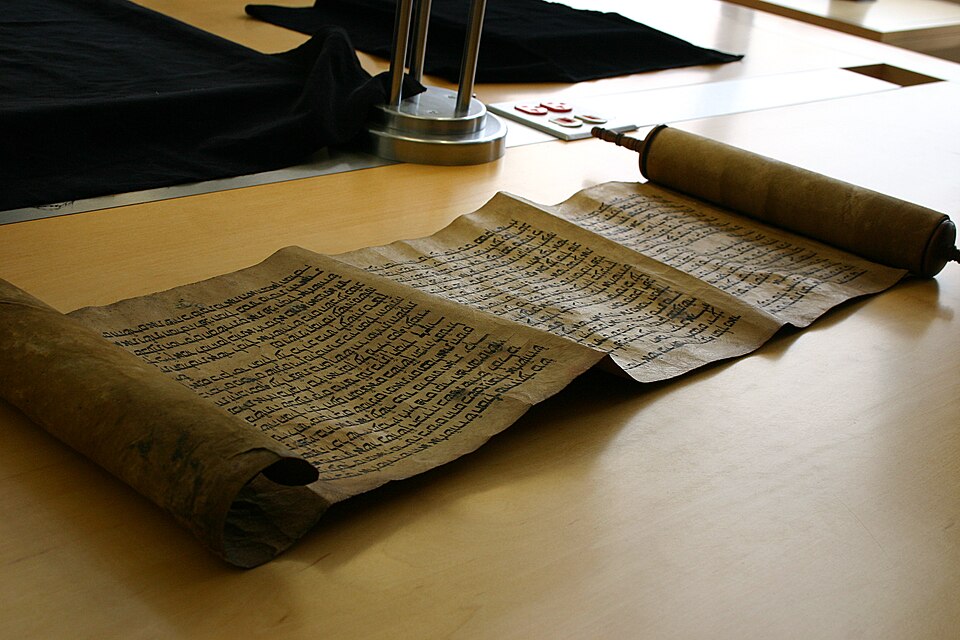
Not all scholars place monotheism late. Some argue that very early biblical poems already move beyond mere exclusive worship and toward the denial of any rival divine reality. In the Song of the Sea, Exodus 15 asks, “Who is like You among the gods, O YHWH?” Philip D. Stern reads that line as a rhetorical question whose real answer is that no other being truly qualifies as divine.
The same argument appears in other early poems. In 2 Samuel 22 and Psalm 18, the question “Who is a god besides YHWH?” pushes toward exclusivity. Deuteronomy 32:39 states the claim even more sharply: “there is no god besides Me.” These texts suggest that monotheistic thought may have existed early as an idea, even if it did not yet dominate popular practice.
6. Exclusive worship came before universal monotheism
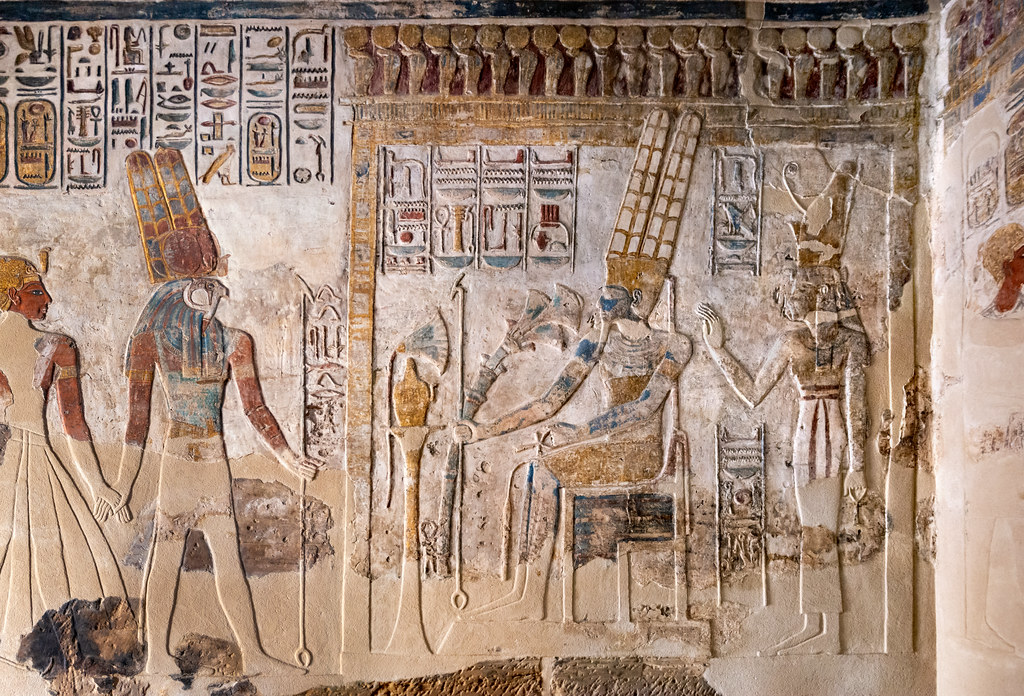
One of the most important distinctions in this history is the difference between worshiping one god and believing only one god exists. Many scholars argue that Israel first developed a Yahweh-alone movement: Yahweh was the only deity Israel should serve, even if people still assumed other divine beings existed for other nations.
That stage is often described as monolatry or henotheism. It narrowed devotion before it narrowed reality. The change may seem subtle, but it marks a major theological threshold. Once worship became exclusive, the next step was to ask whether rival gods had any real existence at all.
7. Crisis pushed theology toward a more radical claim
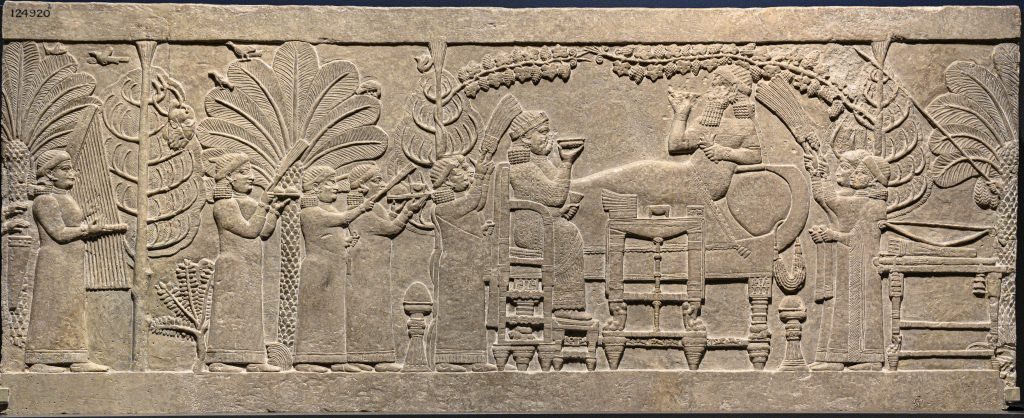
The largest turn appears in the upheavals of the 7th and 6th centuries BCE. Political collapse, imperial pressure, and especially the Babylonian exile created conditions in which older religious assumptions were tested. If a national god could not simply be tied to one land, one temple, or one monarchy, then divine identity had to be reimagined on a larger scale.
In that setting, Yahweh was proclaimed not merely as Israel’s god, but as the only true god and the maker of all. This is where the soaring language of later biblical texts becomes decisive. Isaiah 45 declares, “I am the LORD, and there is no other; besides me there is no god.” That statement is not just about loyalty. It is about existence itself.
8. Monotheism became consensus only after a long argument
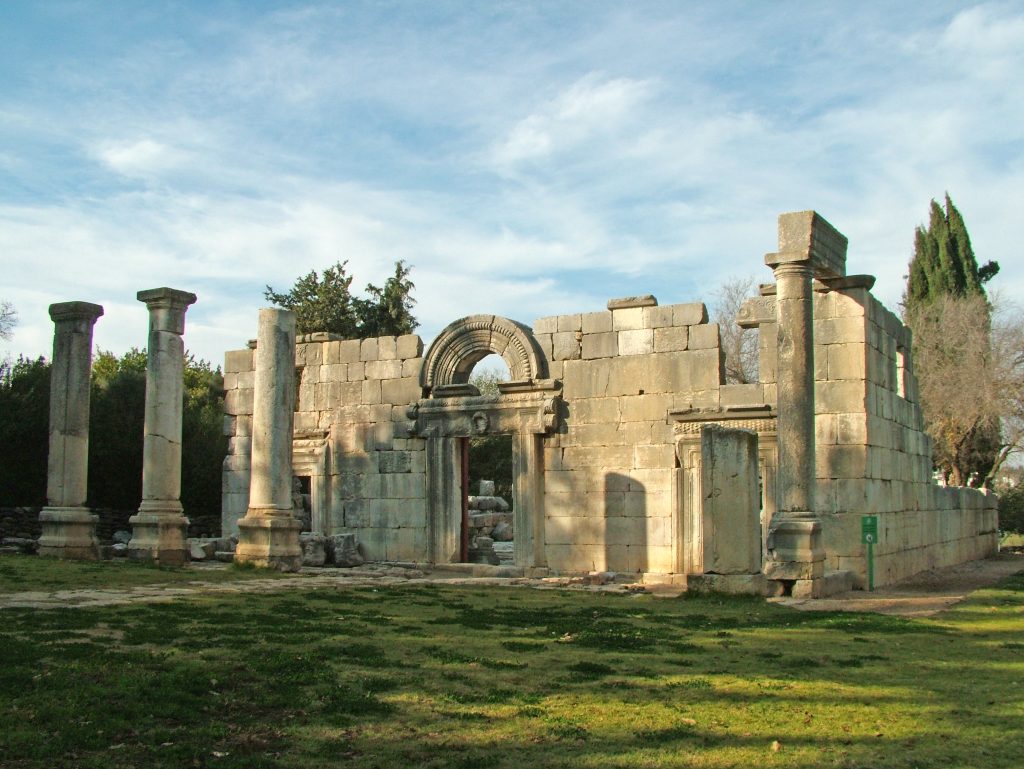
Even when monotheistic ideas appeared in texts, they did not instantly become the shared faith of every household or region. Ancient Israel’s religion was never a single, uniform system. It was shaped by priests, royal courts, village shrines, family customs, prophets, and scribes, all speaking from different social settings.
That unevenness helps explain why the Hebrew Bible contains both traces of older plurality and powerful affirmations of divine oneness. Over time, scribes and religious reformers gathered, edited, and elevated traditions that made Yahweh singular not only in devotion but in being. By the Persian period and the rise of early Judaism, the older many-gods landscape had largely given way to a new religious horizon centered on one universal God.
The transition, then, was not a single revolution. It was a long compression of the sacred world: from many divine figures, to one supreme national god, to one god alone. That gradual narrowing is what makes ancient Israel’s religious history so enduring. It preserves both memory and argument, showing how a people moved from inherited plurality toward one of history’s most influential claims about the divine.

