
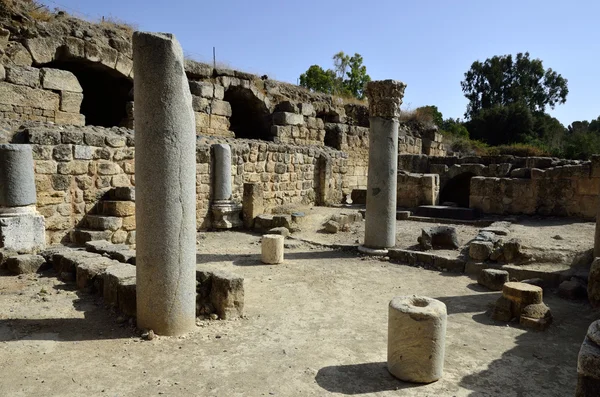
Ancient Israel often enters the imagination through kings, battles, and sacred texts. Archaeology brings the picture closer to the ground, revealing how people built homes, stored grain, carried water, marked ownership, managed belief, and moved through landscapes shaped by trade and labor.
These finds do not recreate a single, uniform society. They show households, workshops, village rhythms, and devotional habits changing across centuries, while ordinary objects clay pots, seals, amulets, and inscriptions preserve the texture of daily life.

1. Hilltop Villages That Show How Families Lived
Archaeological surveys of the central highlands indicate that many early Israelite settlements were small hilltop communities dating to Iron Age I, roughly 1200 and 1000 B.C.E. These villages were generally modest in scale, with some estimated at only a few hundred residents. Their placement suggests a life organized around local farming, kinship ties, and proximity to terraced fields rather than monumental urban planning.
Excavated houses add detail. Mudbrick walls on stone foundations, multi-room layouts, roof sleeping areas, and courtyards for animals point to households that blended domestic and agricultural work. Sheep and goats were part of home life, while grain cultivation on terraced slopes shaped the yearly routine.
2. Pottery That Recorded the Work of the Home
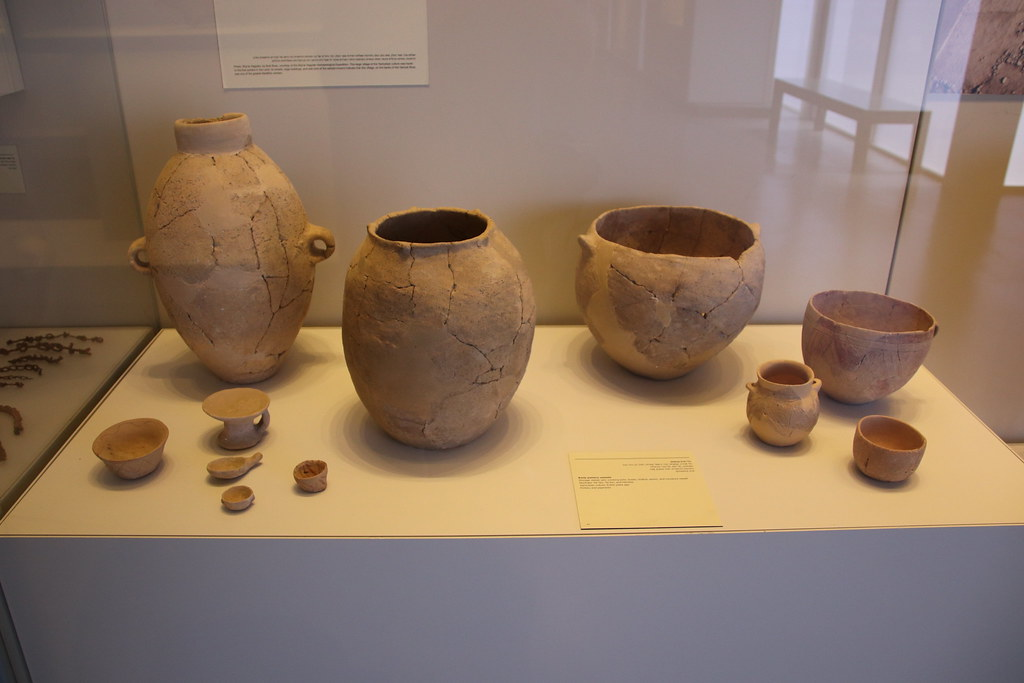
Pottery is one of the most revealing artifacts from ancient Israel because it was used constantly and discarded often. Bowls, jugs, cooking pots, storage jars, and lamps appear across sites in large numbers, allowing archaeologists to trace eating, storage, transport, and food preparation through the simplest objects.
That abundance matters. Clay vessels were practical, locally produced, and tied to everyday survival. They held water, oil, grain, and cooked meals, and their changing forms also help date settlements and identify regional habits in the kitchen and household economy.
3. A Bronze Age Burial Cave Frozen in Time
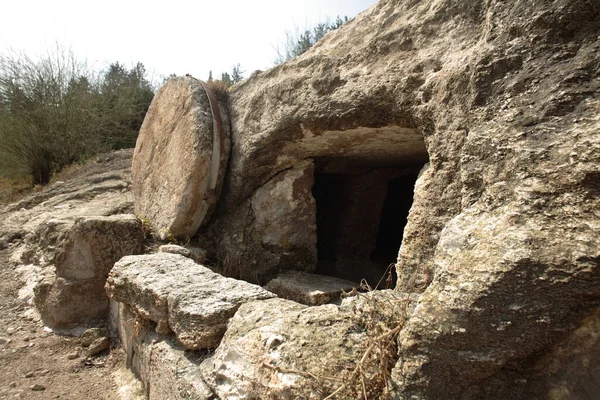
A burial cave discovered near Palmahim preserved an unusually intact assemblage from about 3,300 years ago. Inside were deep and shallow bowls, cooking pots, jugs, and oil lamps left where they had been placed during burial rites, offering a rare snapshot of the material world of the Late Bronze Age.
The cave is valuable not only for ritual study but also for daily life. Its contents show the kinds of vessels people knew, used, and valued. According to the report on the discovery, some ceramics likely came from coastal production centers in Lebanon and Syria, while others may have links to Cyprus, underscoring regional Mediterranean trade. Even in death, the objects reflect the living world of cooking, pouring, storing, and lighting.
4. The Gezer Calendar and the Farming Year
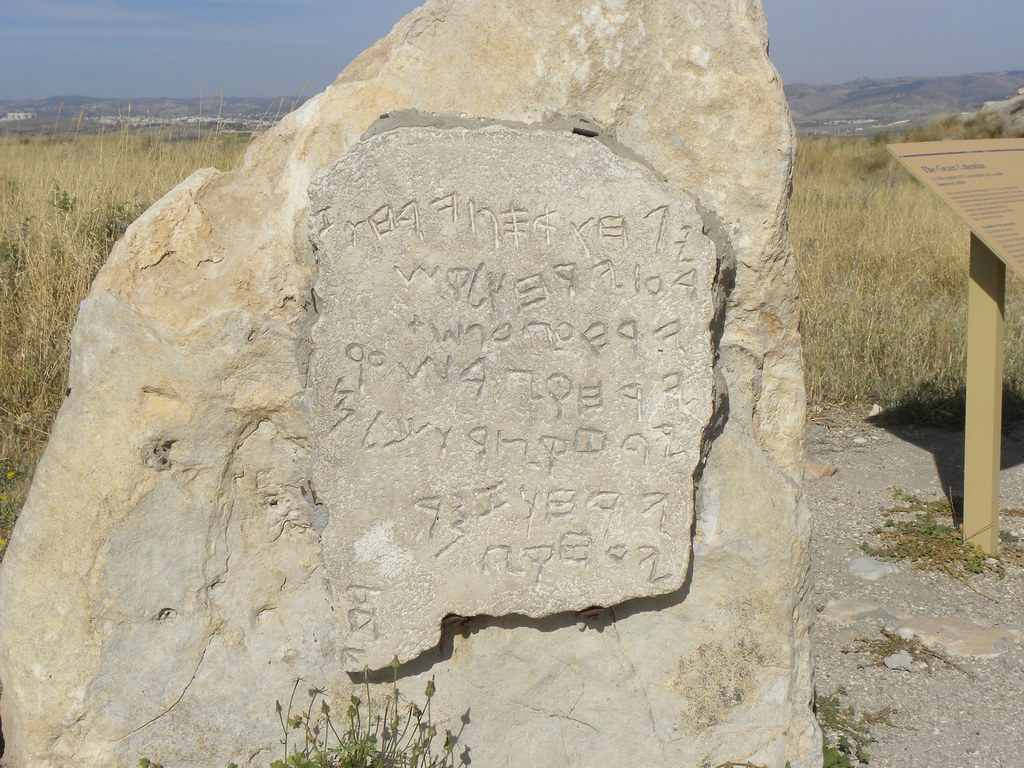
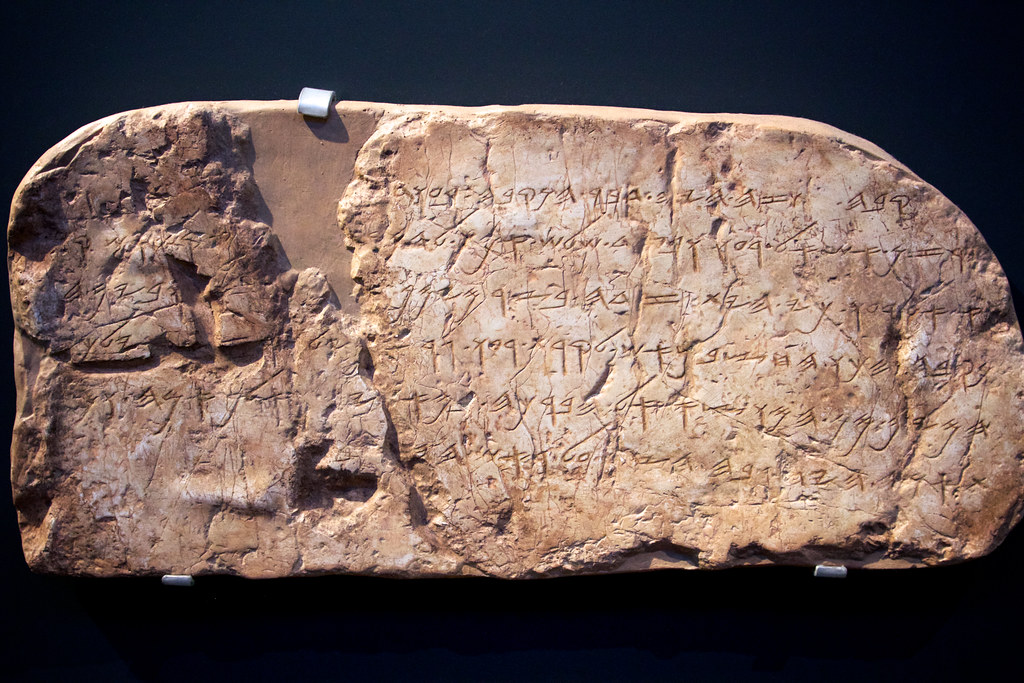
Among inscriptions connected to ancient Israel, the Gezer Calendar stands out for what it implies about ordinary labor. Rather than royal propaganda, it reflects a sequence of agricultural tasks, preserving the cadence of planting, harvesting, and seasonal work.
Its significance lies in simplicity. Farming was not background scenery in ancient Israel; it was the structure of the year. A text centered on agricultural cycles points to communities whose timekeeping was anchored in fields, orchards, and harvests rather than abstract dates alone.
5. The Siloam Inscription and Urban Water Management
The Siloam inscription is one of the clearest reminders that daily life in ancient Jerusalem depended on infrastructure. Associated with the tunnel that carried water into the city, it reflects organized labor, engineering skill, and the central importance of access to fresh water.
Water systems shaped everything from drinking and cooking to sanitation and survival during pressure on a city. A carved text commemorating such work reveals that urban life in ancient Israel relied not only on belief and authority, but also on practical public works carried out beneath the surface.
6. Seals and Seal Impressions That Tracked Administration
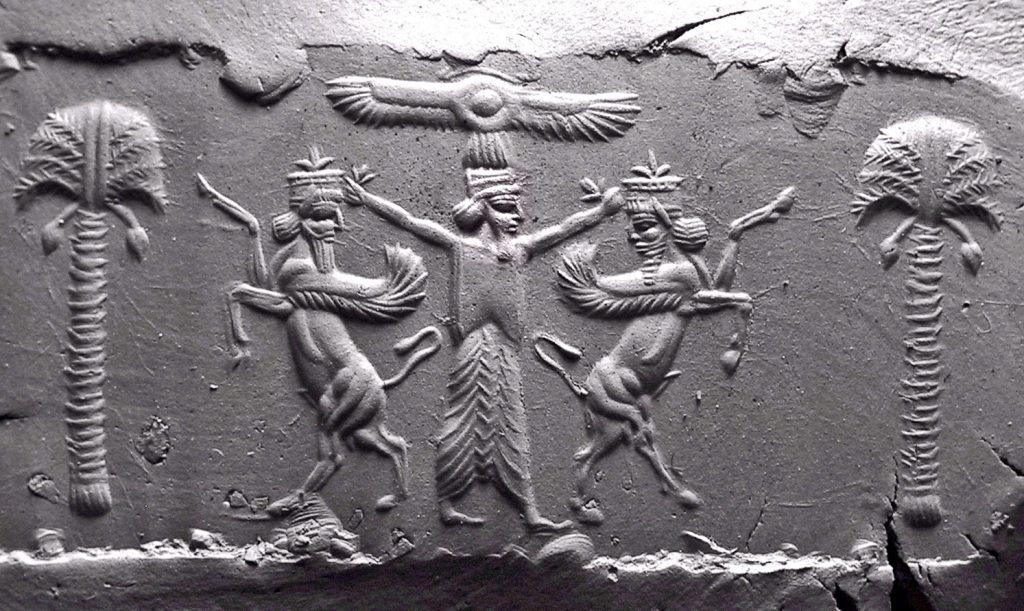
Seals were small, but they belonged to a large world of storage, accountability, and official control. Finds from Jerusalem, including the well-known lmlk jar impressions, indicate systems of marking containers and identifying goods connected to administration.
For daily life, this meant that jars were not just kitchenware. They could also be part of taxation, provisioning, or organized storage. The stamped handle turned a common vessel into evidence of record keeping and bureaucracy, showing how households and state structures could intersect through something as ordinary as a storage jar.
7. Household Figurines That Reveal Private Beliefs
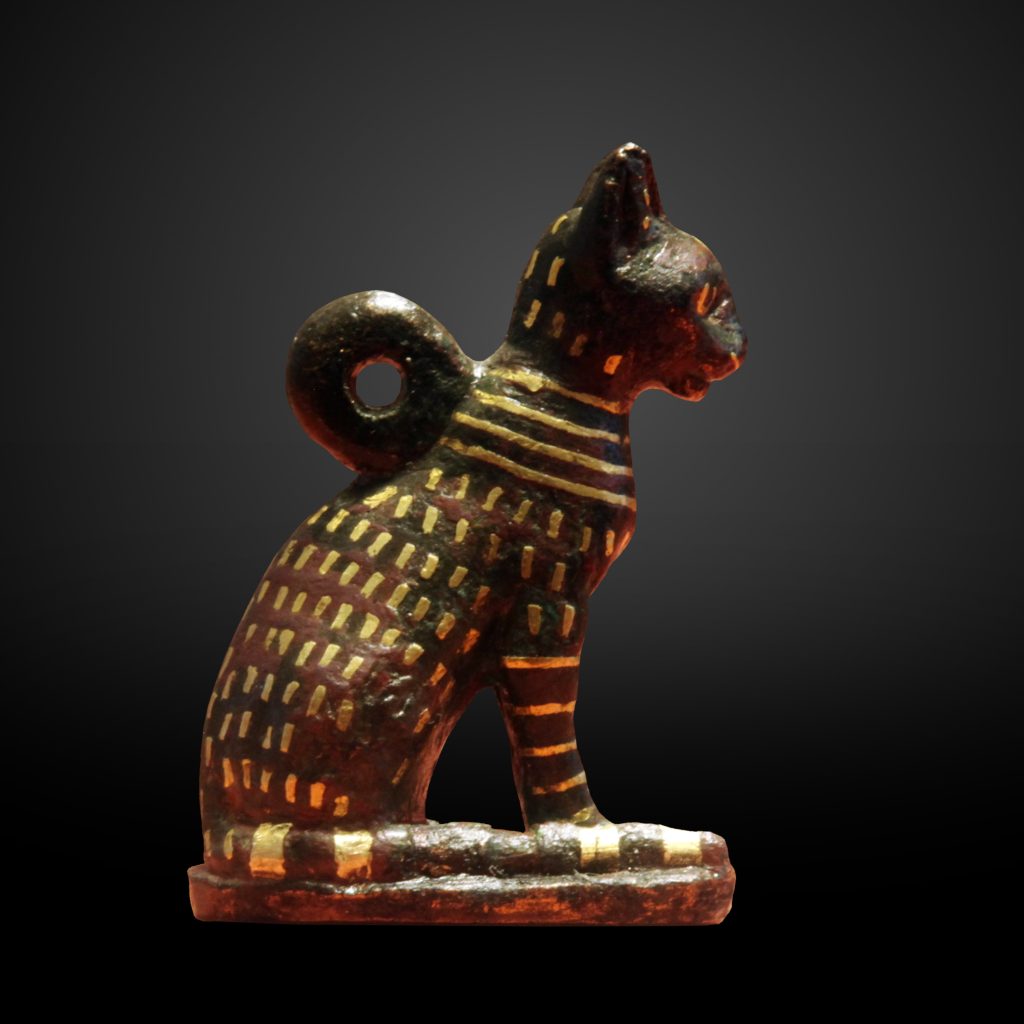
Excavations in Jerusalem have uncovered figurines and amulets linked to fertility, protection, healing, and warding off danger. Some were fashioned from local clay in or near Jerusalem, indicating that such objects were not merely imported curiosities but part of local practice.
This evidence opens a window onto the anxieties of ordinary life: childbirth, illness, infant protection, and uncertainty in the home. Archaeology rarely records a prayer spoken in private, but it can recover the objects people kept close when daily life felt fragile. That makes these figurines especially revealing, because they show religion not only in temples or state rituals, but in households where fear, hope, and routine overlapped. They also complicate any simple portrait of ancient Jerusalem as religiously uniform, pointing instead to a city where official traditions and personal devotional habits could coexist uneasily.
8. Imported Cult Objects That Reflect Cultural Contact
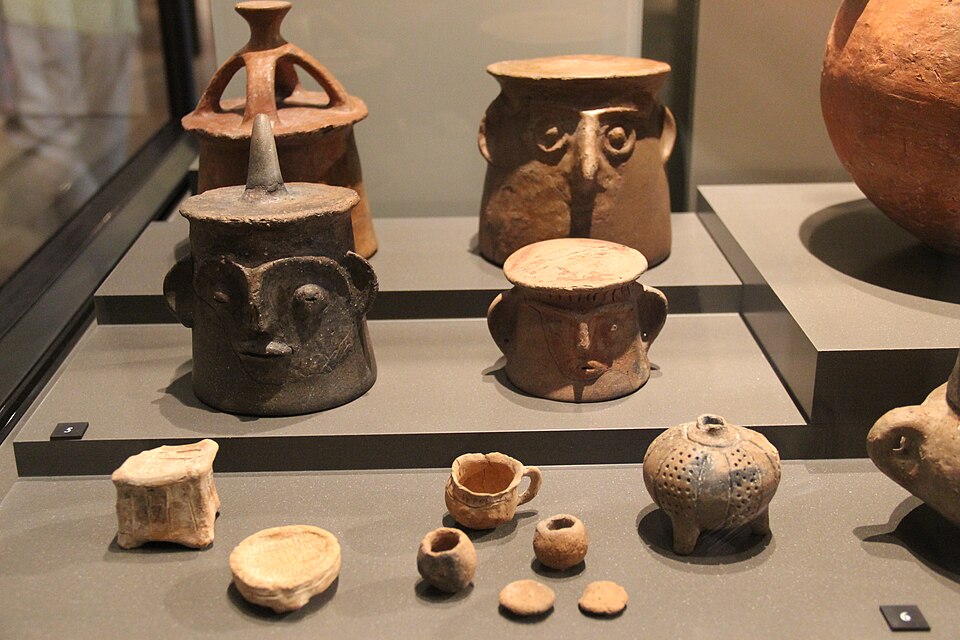
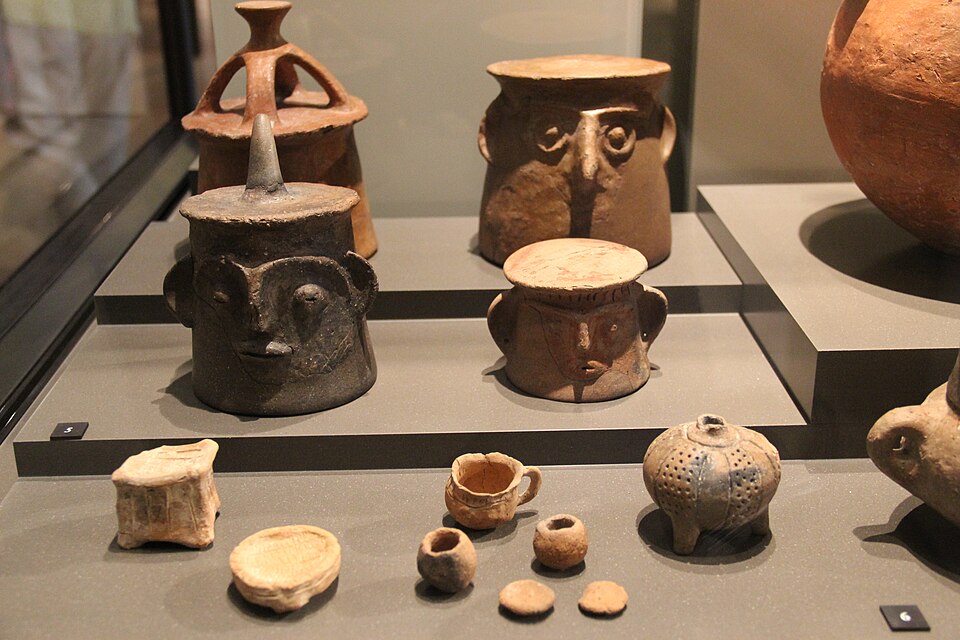
A cache of more than 200 cult objects from Tel Qashish included goblets, incense burners, libation bowls, stands, and storage jars. Some items were locally made, while others came from Cyprus and Mycenaean spheres, showing that ritual life in the region was connected to broader eastern Mediterranean exchange.
Although the deposit predates Israelite settlement in some areas, it offers important background for the cultural environment of the land. Daily life in ancient Israel developed within a landscape already shaped by established ritual habits, trade links, and shared object forms.
9. Letters and Ostraca That Preserved Everyday Communication
Inscriptions such as the Lachish ostraca and Arad ostraca preserve brief written exchanges rather than grand literary compositions. These texts reveal a world of messages, supplies, personnel, and local concerns carried on pottery sherds because pottery was cheap and available.
That is one of archaeology’s most intimate lessons. Writing in ancient Israel was not limited to monuments. In the right settings, it entered practical life through short notes and administrative records, leaving behind traces of communication that feel strikingly close to the ordinary business of a working day.
Taken together, these discoveries show ancient Israel as a lived environment rather than an abstract past. Homes, jars, tunnels, seals, figurines, and inscriptions all preserve routines that once seemed too ordinary to matter. That is precisely why they endure as powerful evidence. Daily life leaves behind the smallest objects, and those small objects often tell the clearest story.

