
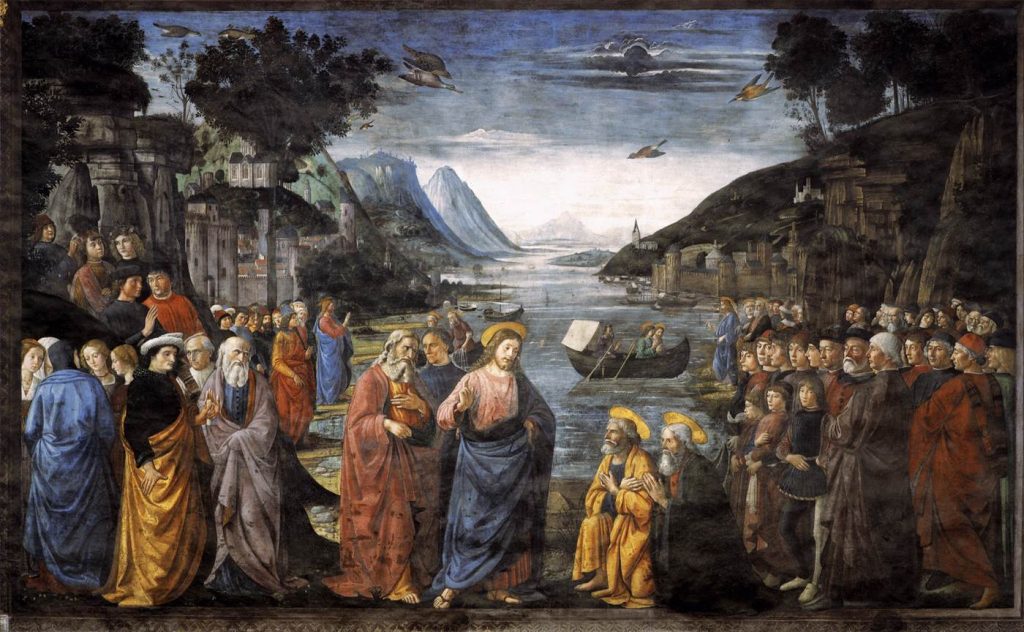
The early Christian movement left a surprisingly uneven trail. Some of its clearest traces appear not in church buildings or public monuments, but in administrative letters, hostile histories, and a long stretch of archaeological quiet.
That uneven record matters. It shows how a small religious community became visible to Roman officials, how outsiders described Jesus and his followers, and why the earliest generations can be easier to glimpse in texts than in stone.
1. Tacitus linked Christians in Rome to the execution of Christus
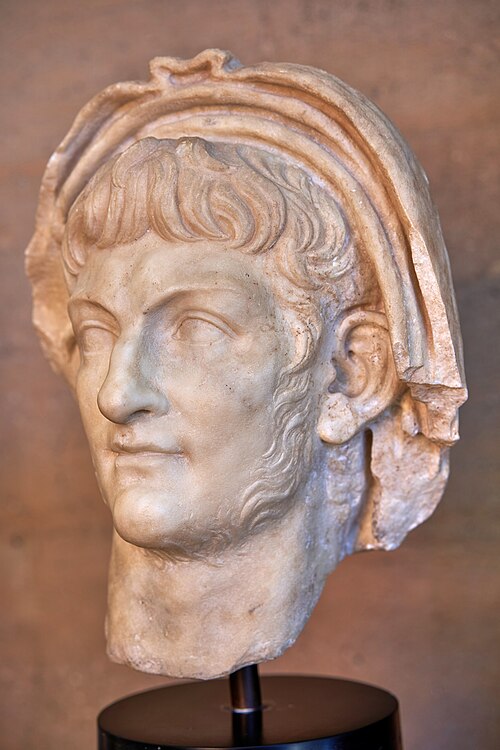
The Roman historian Tacitus offers one of the most cited non-Christian references to the movement. Writing in the early second century, he described Nero’s attempt to deflect blame after the Great Fire of Rome and identified Christians as a distinct group already present in the capital. In the same passage, he stated that Christus suffered the extreme penalty during the reign of Tiberius and under Pontius Pilate.
What gives the passage weight is its tone. Tacitus was openly hostile to the group and called Christianity a “pernicious superstition,” which makes the reference useful as outside testimony rather than insider devotion. The passage also shows that by the mid-first century, Romans could connect a community in Rome with origins in Judea.
2. Pliny the Younger recorded what Christians actually did together
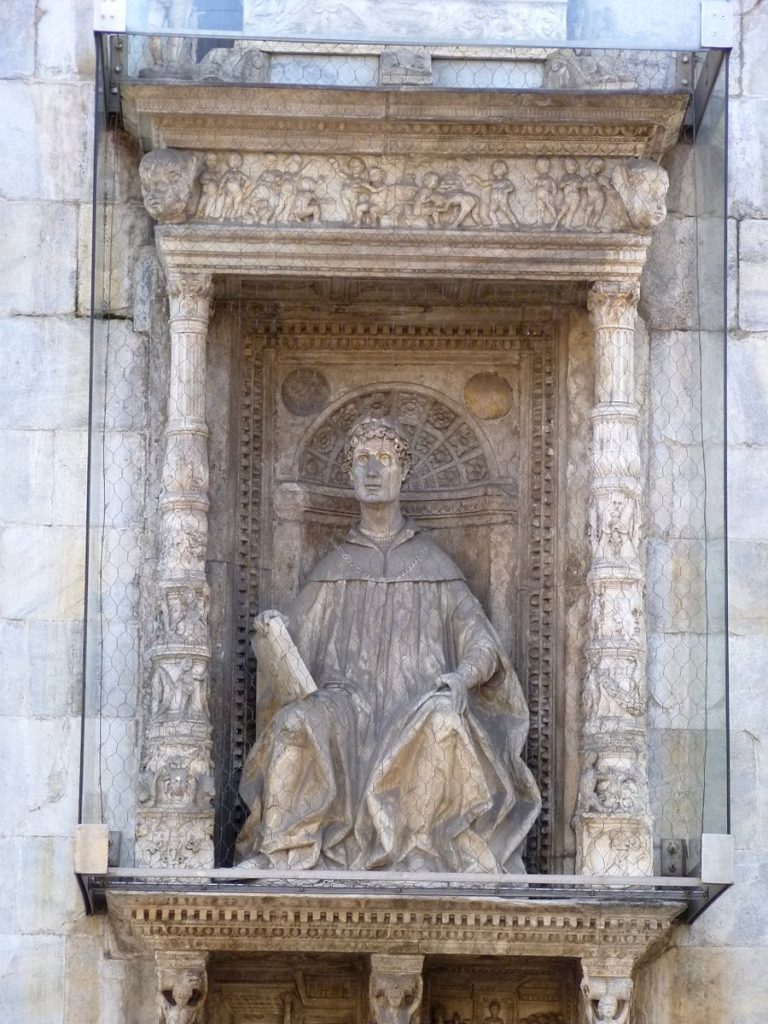
Pliny’s correspondence with Emperor Trajan, written while he governed Bithynia-Pontus, reveals how local officials encountered Christians in daily administration. He was not trying to write theology or preserve tradition. He was trying to decide how to handle defendants. His letter preserves a remarkable summary of Christian practice. Those questioned said they met before dawn, sang responsively to Christ “as to a god,” and pledged themselves not to commit moral wrongs.
Pliny reported that they promised not to commit fraud, theft, or adultery and described their shared meal as ordinary food. The exchange also shows that Christians included people of different ages, ranks, and both sexes, and that women identified as deaconesses were known to officials. In one brief administrative file, the movement appears as organized, ethical, and stubbornly difficult for Rome to classify.
3. Trajan’s reply shows Christianity had become a legal problem without a clear law
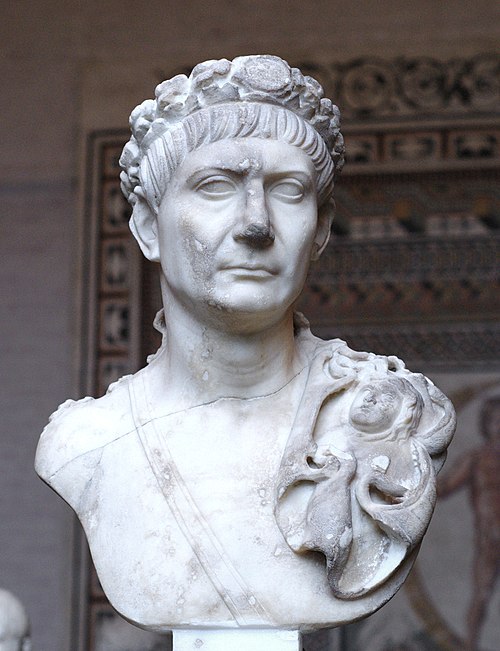
Trajan’s answer is as revealing as Pliny’s questions. He approved punishment for those proved to be Christians, but said they were not to be sought out. Anonymous accusations were also rejected.
This response suggests a movement visible enough to attract prosecutions, yet still unfamiliar enough that the empire lacked a single fixed policy. Christianity was not being treated like a fully ordinary civic association, but neither had it become the kind of public institution later centuries would know.
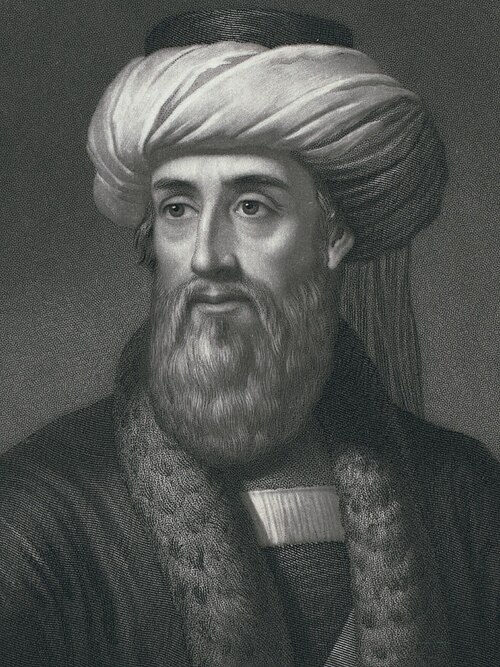
4. Josephus placed James inside a real Jerusalem power struggle
Josephus, the first-century Jewish historian, is especially important because he wrote about Judea from within its own political world. In Antiquities, he described the death of James during a moment of transition between governors and referred to him as the brother of Jesus who was called Christ.
The wording of Josephus’s Jesus passages has been debated for generations, and some parts of the better-known Jesus paragraph are widely treated as later Christian additions. Even so, the James notice remains central because it anchors the movement in the politics of Jerusalem rather than in later legend alone. It connects the Jesus movement to priestly authority, legal process, and tensions among local elites.
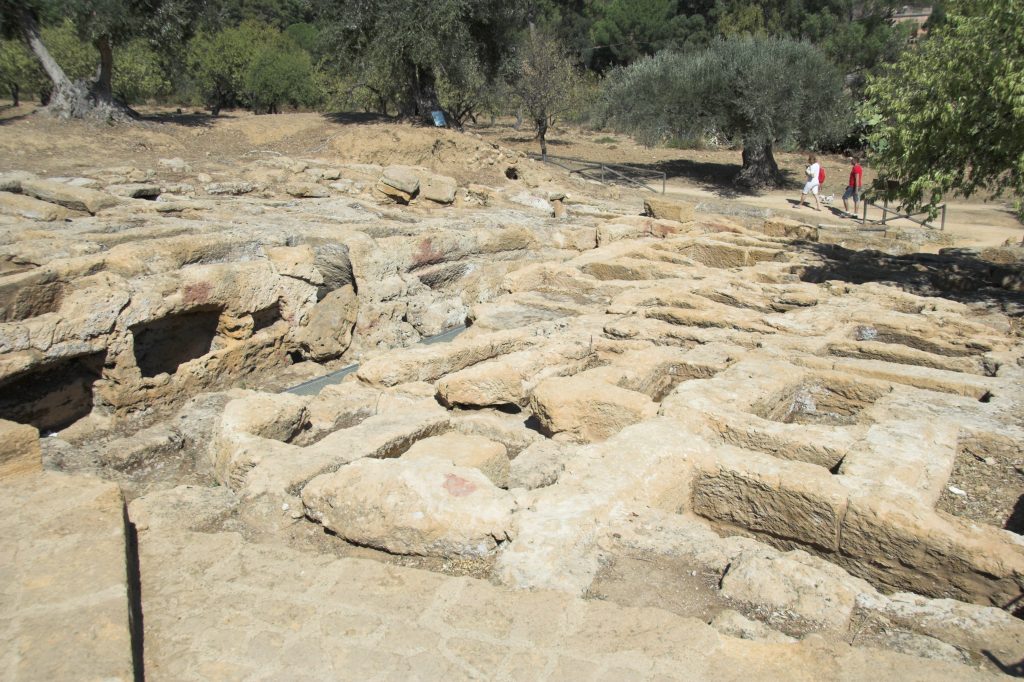
5. Archaeology is striking partly because of what it does not show
One of the strongest clues about early Christianity is silence. According to Roman cities are entirely devoid of any trace of early Christians for nearly two centuries after the crucifixion, no securely identified first-generation Christian object has emerged.
That absence has often been explained away, but historians increasingly treat it as evidence in its own right. It suggests that many early Christians did not advertise themselves materially, did not yet build recognizable churches, and did not leave the kind of public visual culture that later Christianity would produce in abundance. The movement spread before it became architecturally obvious.
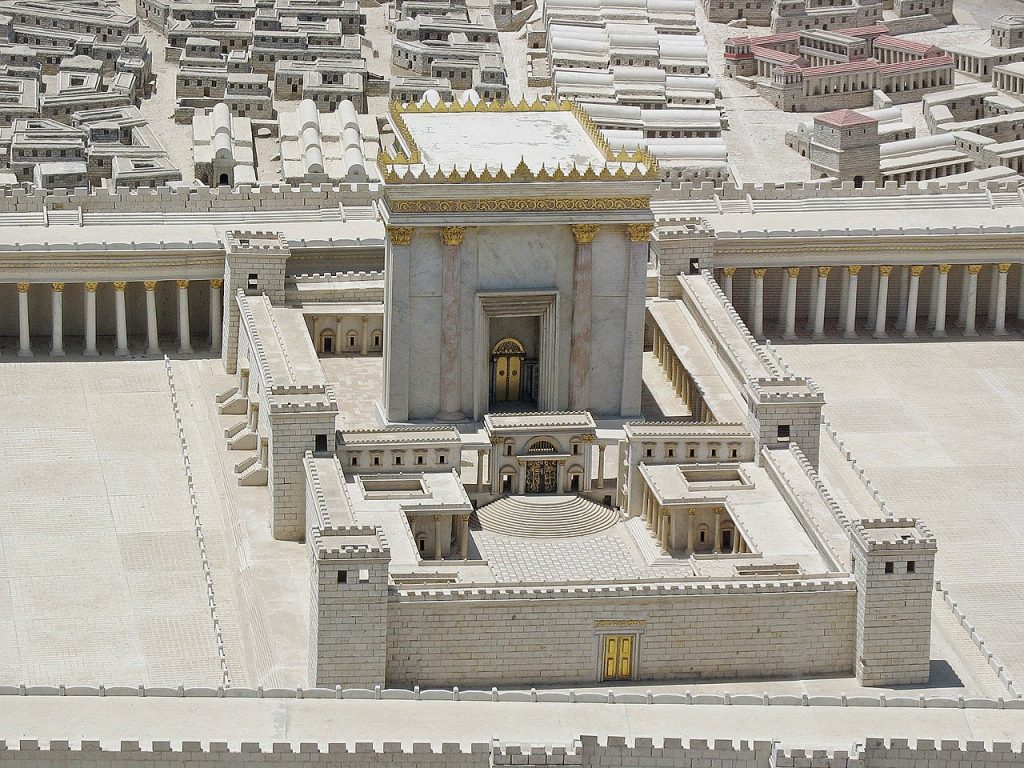
6. The lack of early Christian art does not mean a blanket ban on images
Another clue comes from the wider Jewish world out of which Christianity emerged. Archaeological work from the late Second Temple period shows Jews using decorative art, painted tombs, and borrowed Mediterranean styles. That weakens the old assumption that the commandment against idols automatically meant a total rejection of images.
In that light, the early Christian visual silence looks less like a strict artistic prohibition and more like a social choice shaped by vulnerability, identity, and caution. The issue was not simply whether images were allowed. It was whether a minority movement wanted to be conspicuous.
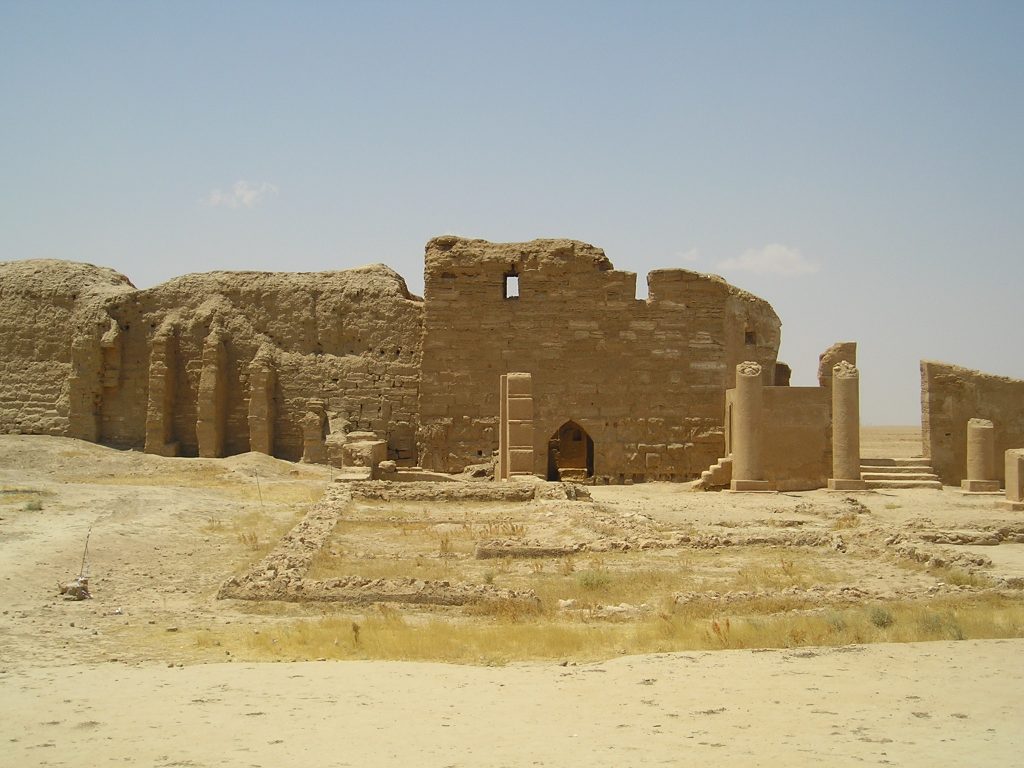
7. House churches appear before monumental churches
When Christian archaeology becomes clearer, it does so first in modest spaces. One of the best-known examples is the house church at Dura-Europos, where a private home was adapted for worship in the early third century.
That pattern helps explain the earlier silence. A movement meeting in houses, reusing rooms, and gathering in ordinary urban settings would leave fewer obvious traces than one constructing basilicas. Monumental Christian architecture belongs mostly to a later phase, especially after imperial favor transformed the public standing of the church.
8. Later buildings show how dramatically the movement changed
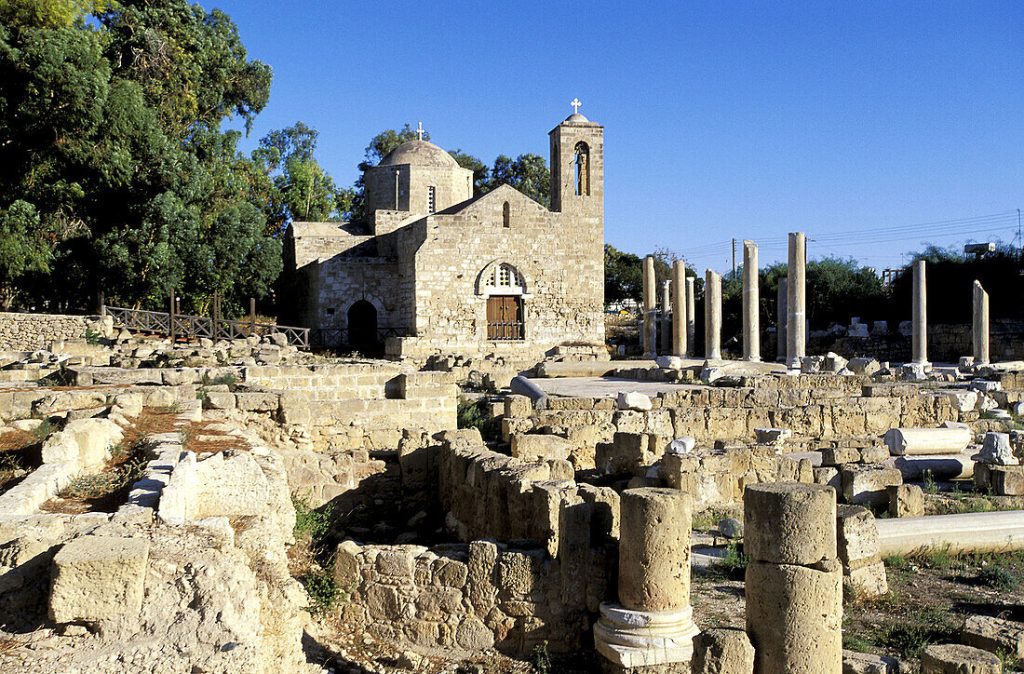
By the fourth century and after, the archaeological picture looks entirely different. Churches in Jerusalem, Bethlehem, Rome, Syria, and Transjordan testify to a public religion with patronage, liturgy, and durable space. Basilicas, mosaics, inscriptions, and shrines appear across the Mediterranean.
That later abundance throws the earlier period into sharper focus. The first Christian generations were not absent from history; they were simply harder to detect. Their movement was first preserved in scattered references, legal anxieties, and brief outsider descriptions before it took on the visible form later centuries would recognize.
Taken together, these clues do not read like a single tidy archive. They come from a senator, a governor, an emperor, a Jewish historian, and archaeologists studying what survived and what did not. That patchwork is the point. Outside the Bible, the early Christian movement appears as a real and growing community that was morally distinctive, politically suspect, slow to leave material traces, and eventually impossible for the ancient world to overlook.

