
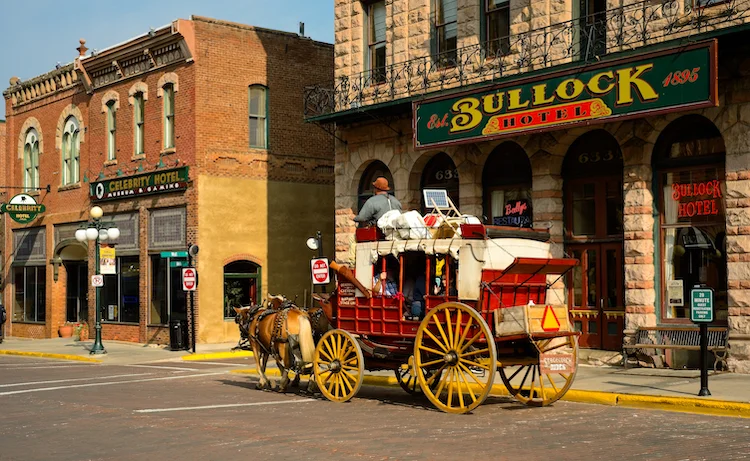
The Wild West was never a single story. It was a shifting network of railroad depots, mining camps, cattle markets, trade centers, and fast-built settlements where newcomers, long-established communities, and Indigenous nations collided in ways that changed daily life across the American West.
Some towns became symbols because of gunfighters or gold strikes, but their deeper importance lay elsewhere. They helped define how people worked, traveled, traded, governed, and imagined the frontier itself.
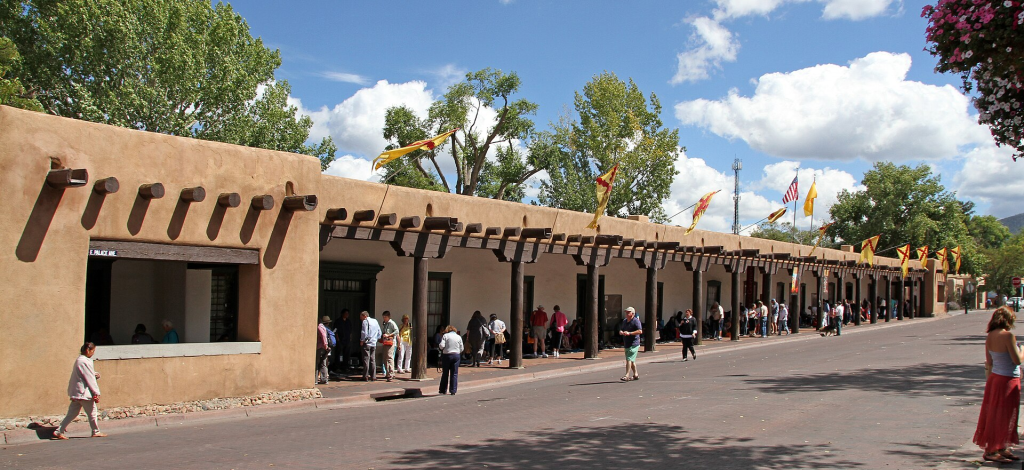
1. Santa Fe, New Mexico
Long before the classic cattle towns and boom camps of the late 19th century, Santa Fe stood as one of the West’s oldest urban centers. It was established in 1608 by the Spanish, and its endurance gave the frontier a very different face from the myth of a blank landscape waiting to be settled.
Santa Fe mattered because it functioned as a crossroads. Spanish-speaking settlers, Native communities, traders, soldiers, and later American merchants all passed through it. The city linked northern trade to routes running south into Mexico, and it remained politically important through multiple eras as a regional capital. In a West often remembered for improvisation and upheaval, Santa Fe represented continuity, layered cultures, and the persistence of older traditions beneath newer frontier stories.
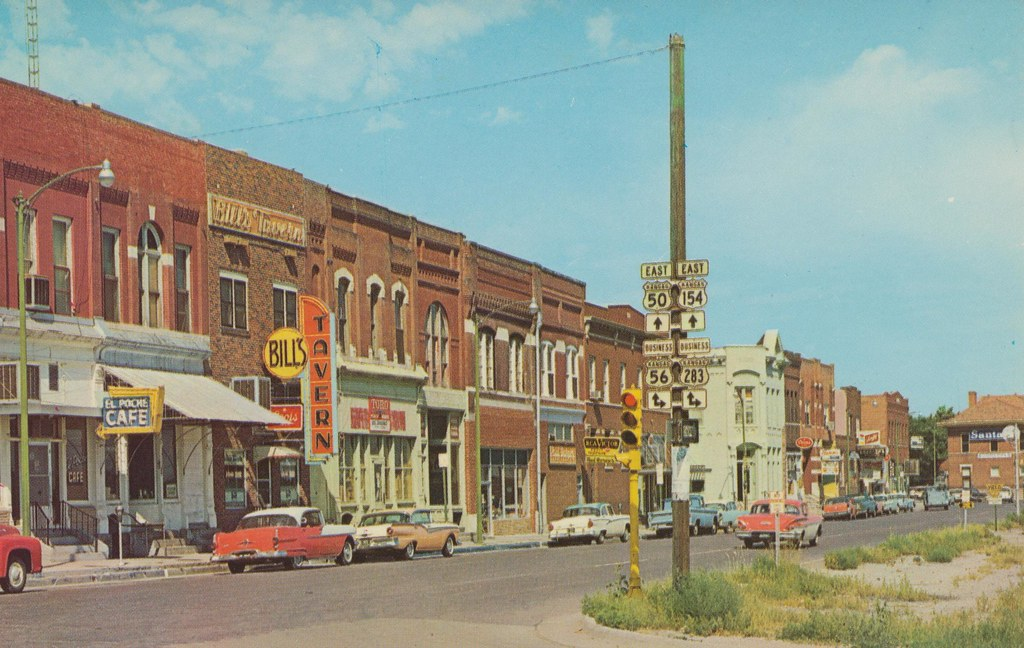
2. Dodge City, Kansas
Dodge City distilled the cattle-trail economy into one place. Founded in 1872, it rose just as rail travel and the livestock trade were remaking the plains, turning longhorns from a Texas surplus into eastern profit.
Its importance was practical before it became legendary. Cattle arrived from the south, buyers met the herds, rail lines carried beef onward, and workers of every kind clustered around the business. The result was a town shaped by seasonal surges, transient populations, saloons, boarding houses, and constant pressure on law enforcement. The Wild West image of the cow town took form here, but beneath that image was a system of markets and movement that helped define ranching life across the region.
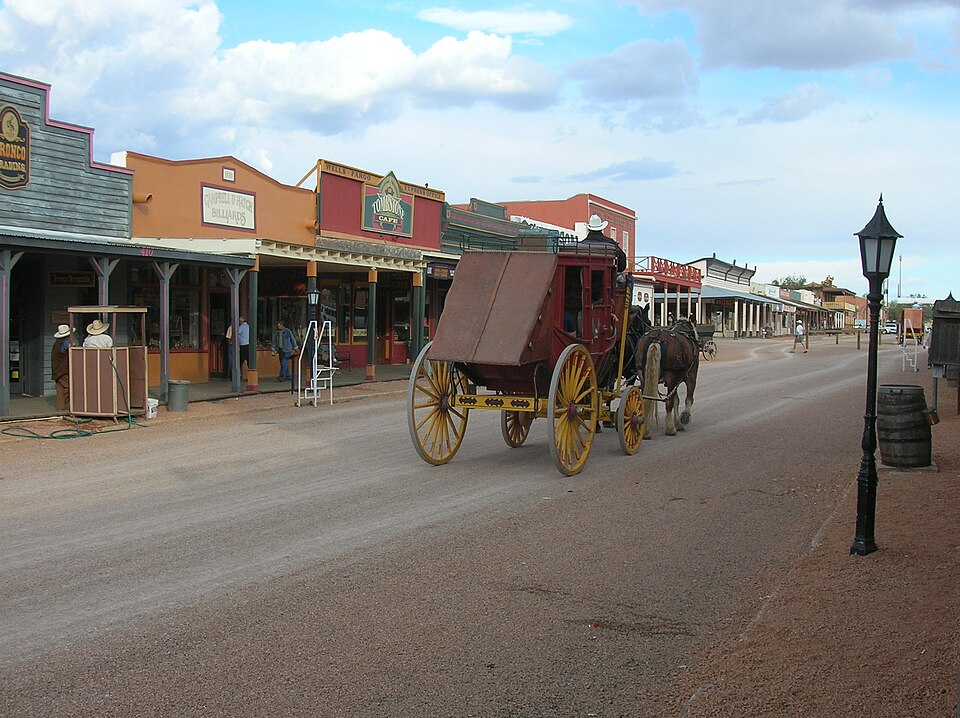
3. Tombstone, Arizona
Tombstone is often reduced to one shootout, yet its real place in frontier history came from silver. Founded after Ed Schieffelin’s strike in 1877, it grew quickly in a borderland environment where mining wealth, political rivalry, and weak institutions existed side by side.
The town showed how quickly a resource rush could produce both sophistication and instability. Newspapers, hotels, gambling halls, and investment all arrived with the mines. So did factional conflict, fragile legal order, and public spectacles that later became folklore. Tombstone’s lasting influence came from the way it merged actual economic ambition with a dramatic mythology of violence, creating one of the clearest examples of how frontier communities were both lived places and story-making machines.
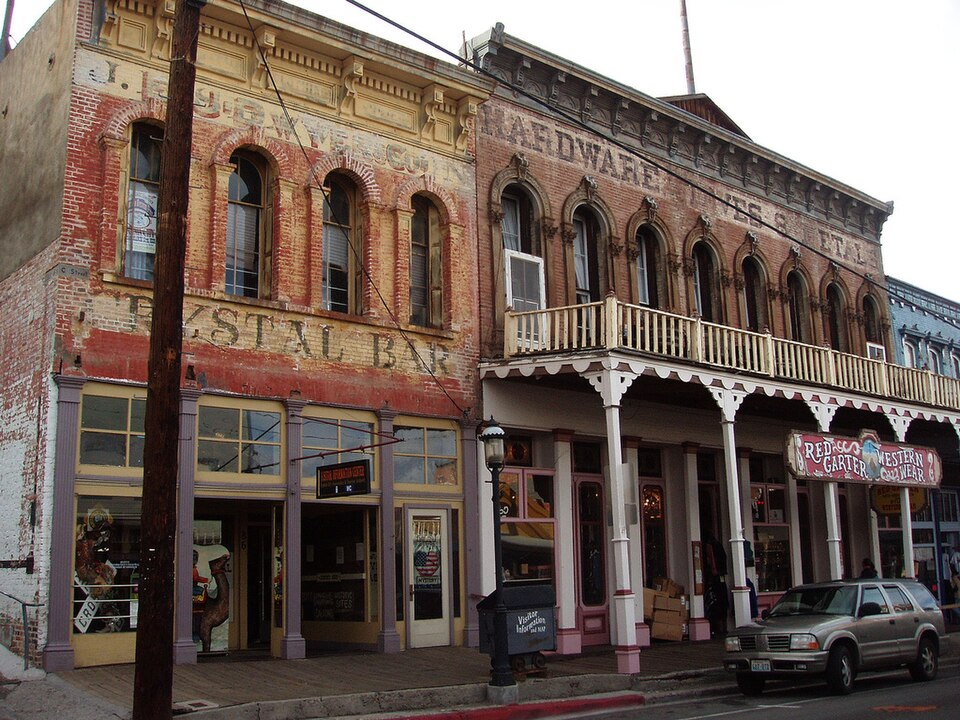
4. Virginia City, Nevada
Few places reveal the industrial side of the Wild West more clearly than Virginia City. Its rise followed the discovery of the Comstock Lode in 1859, the first major silver bonanza in the United States. This was not a small camp of solitary prospectors for long. Virginia City became a complex mining center that demanded capital, machinery, wage labor, transport links, and urban services.
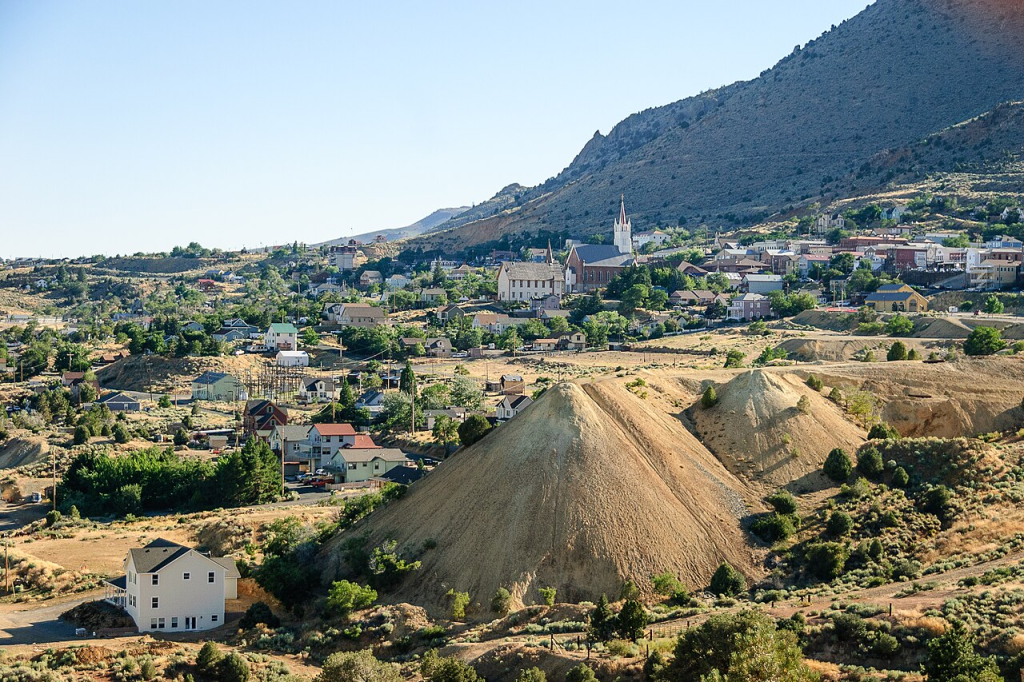
Fortunes built there helped fuel San Francisco’s growth, and the town demonstrated how western mining was evolving from individual speculation into corporate enterprise. Its crowded streets, mills, saloons, and newspapers reflected a frontier increasingly tied to finance and technology rather than just luck and grit.
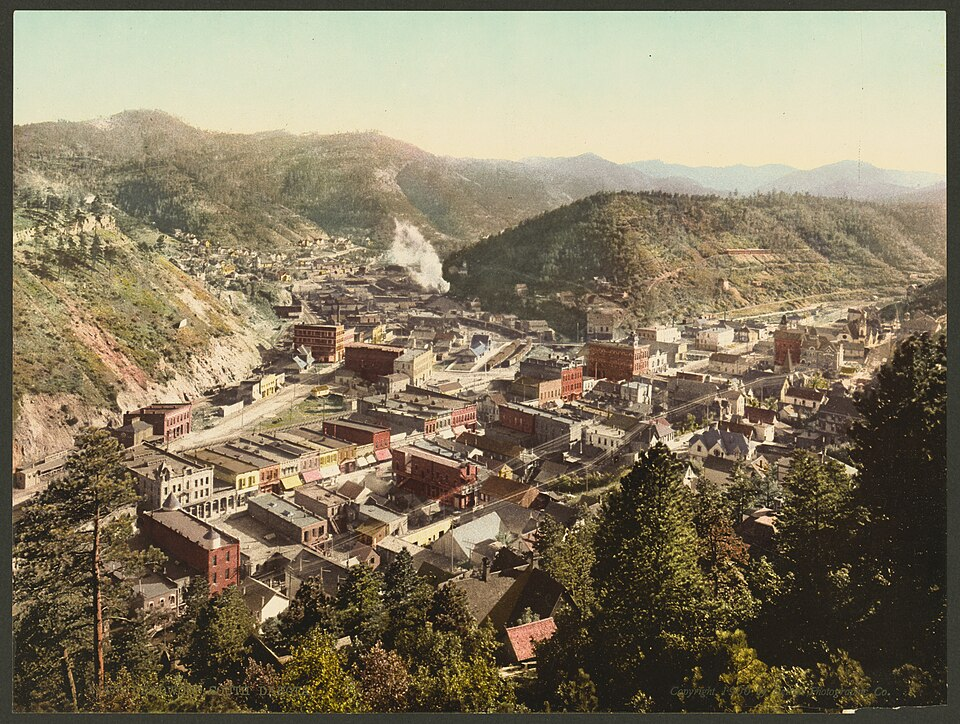
5. Deadwood, South Dakota
Deadwood emerged from the Black Hills gold rush and quickly became one of the most notorious boomtowns in the West. What made it significant was the speed of its transformation. A rough camp could become a crowded commercial center almost overnight when mineral wealth drew thousands into one narrow place.
That pace left little room for stable institutions. Gambling, prostitution, speculation, and informal justice flourished while merchants, miners, entertainers, and opportunists built a town in real time. Deadwood also sat within a larger story of contested land and broken boundaries, as the rush into the Black Hills followed gold discoveries in territory already central to Lakota life. The town’s history captures the frontier at its most combustible: sudden wealth, weak order, and expansion pressing hard against existing claims.
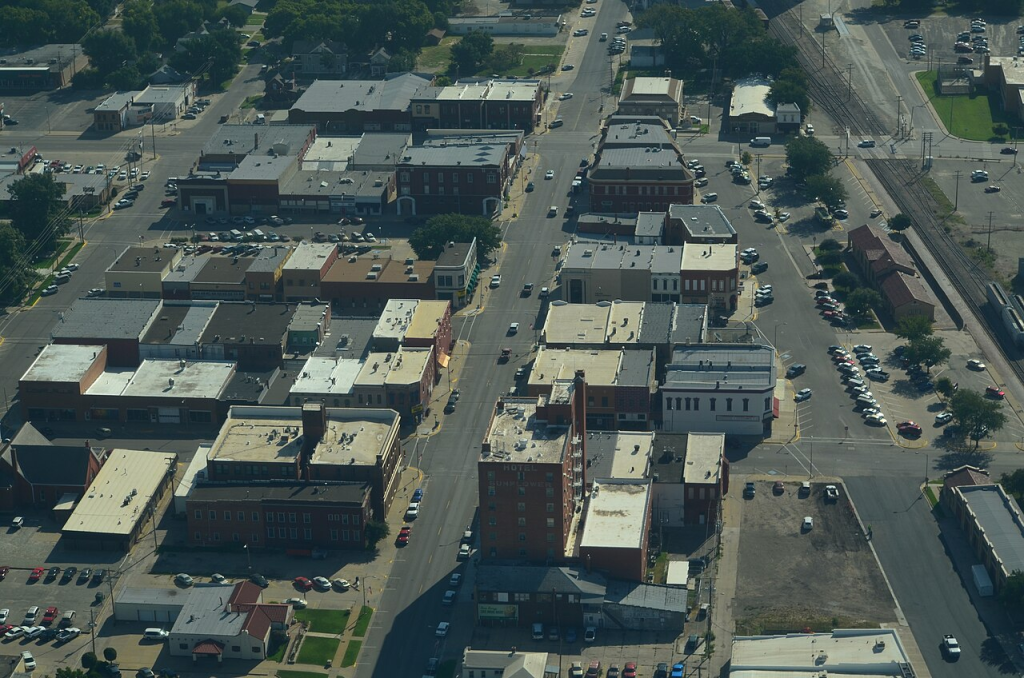
6. Abilene, Kansas
Before Dodge City became the best-known cow town, Abilene had already shown what the cattle trade could do. Its rail connection made it one of the earliest major shipping points for Texas herds, and that changed the geography of western business.
Abilene helped create the pattern that other towns copied: trails running north, stockyards near the tracks, merchants supplying drovers, and a local economy built around brief but intense cattle seasons. It also exposed the tensions that came with success. Money flowed in quickly, but so did overcrowding, vice, and public anxiety about order. In that sense, Abilene helped establish the social template for the frontier town as both opportunity engine and pressure cooker.
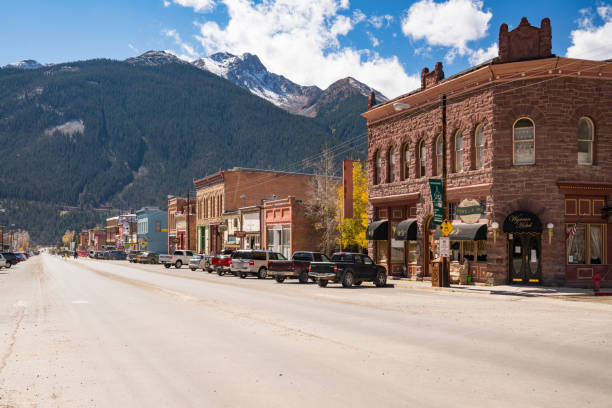
7. Silverton, Colorado
Silverton represented the mountain-mining version of frontier life, where altitude, weather, and difficult terrain shaped every part of existence. After the Brunot Treaty in 1873 opened vast acreage in the San Juan Mountains to mining, settlements like Silverton expanded rapidly.
Its importance came from what it demanded of people and infrastructure. Remote mining towns required transport links, labor networks, supply systems, and technical skill just to survive. Silverton’s story also reflects the broader western shift described by the Library of Congress, as railroads opened large areas to settlement and economic development while new industries reshaped the land and its communities. In places like this, the frontier was not only violent or romantic. It was also exhausting, expensive, and deeply dependent on systems that stretched far beyond the mountains.
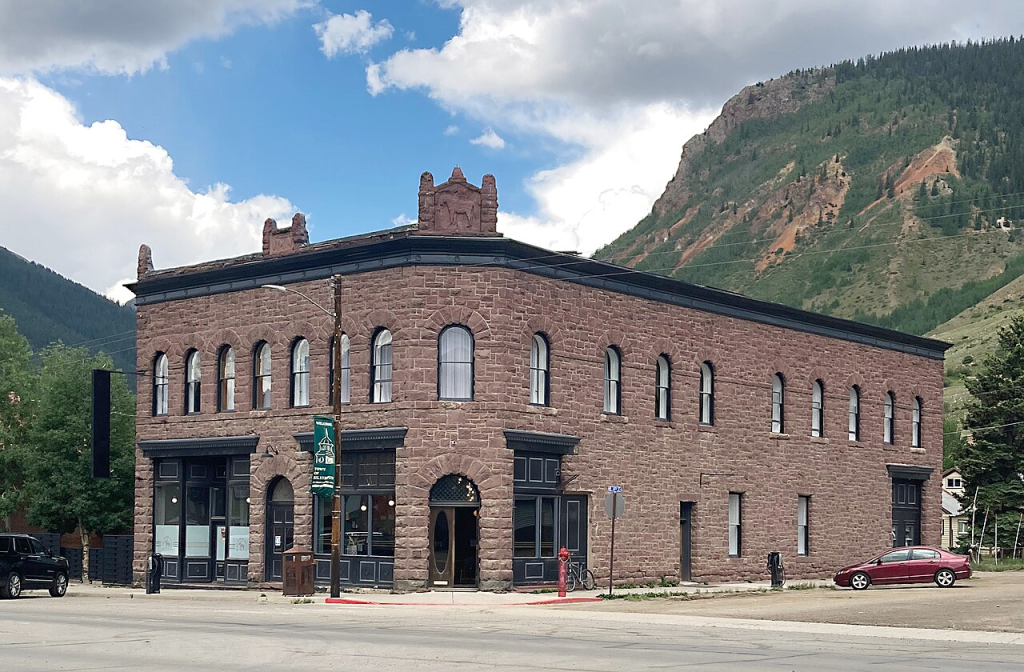
These towns did not create one uniform West. They produced many versions of it: a trade center with deep colonial roots, a cattle market tied to eastern demand, a silver camp turned legend, and boomtowns that rose from mineral strikes almost as fast as they entered popular memory.
Seen together, they show that life in the Wild West was built as much by railroads, mining, migration, and cultural exchange as by outlaws and gun smoke. The frontier town was where those forces became visible, and where the mythology of the West found its most durable stage.

