
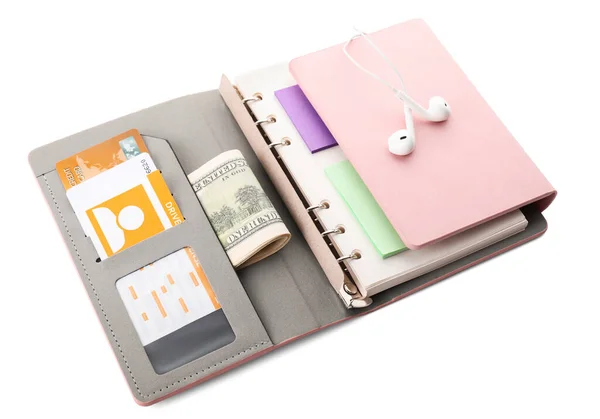
A wallet can create problems long before it goes missing. The obvious issue is bulk, but the larger risk is how many personal details, account clues, and access tools can end up packed into one small place.
Security experts have long warned that convenience works both ways. As personal finance consultant Michael Sullivan put it, “Anything that’s convenient for you would be convenient for a thief.” A quick cleanout can reduce the fallout from a lost wallet and make daily carry a lot simpler.
1. Social Security card
This is still one of the most sensitive items a person can carry unnecessarily. A Social Security number can be used to open accounts, file fraudulent tax returns, and help build a broader identity profile. Unlike a payment card, it cannot simply be canceled and replaced overnight. If identity theft does happen, consumers can place fraud alerts and security freezes on their credit reports. That step matters, but prevention is easier than repair. The card belongs in secure home storage, not a back pocket.

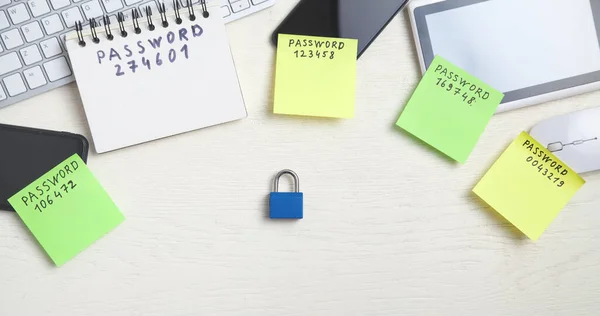
2. Password notes and PIN reminders
A debit card beside a handwritten PIN gives away far more than a wallet thief should ever find. The same goes for folded notes with passwords, backup codes, or answers to security questions. These shortcuts turn strong digital security into a paper problem. 41% of U.S. adults write down passwords on paper or in digital notes, according to a Pew Research Center figure cited by Kiplinger. A password manager and two-factor authentication offer much better protection than a wallet note.
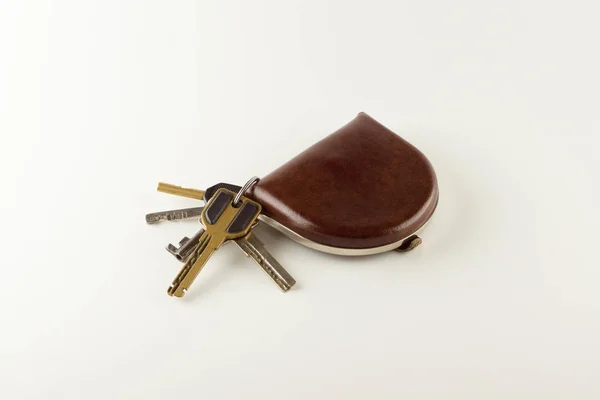
3. Spare house key
A spare key becomes especially risky when it travels with identification that shows a home address. That pairing can turn a lost wallet into a home-security issue, not just a financial one. This is the kind of item that seems harmless until it is not A trusted friend, relative, or secure key setup at home is safer than carrying a duplicate every day.
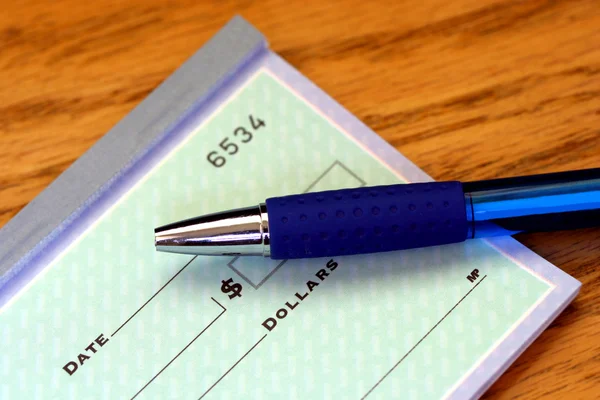
4. Blank checks
Checks reveal more than many people realize. They commonly include a name, address, bank routing number, and account number, which can be used in fraudulent transactions even when the check has already been filled out or is unsigned. For most people, there is little reason to carry a whole checkbook anymore. If a check is needed for a specific errand, carrying only that one check limits exposure.
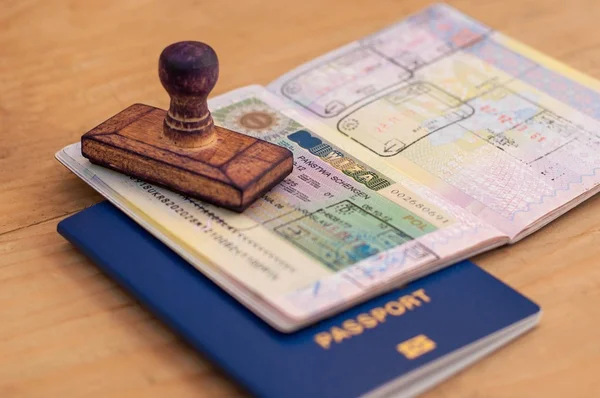
5. Passport or birth certificate
These documents are not everyday-carry items, yet they still end up tucked into travel wallets and oversized billfolds. That is a serious risk. A passport is one of the most valuable identity documents in circulation, while a birth certificate is often used as a foundation for obtaining other records. Together, these documents can help criminals assemble what fraud specialists call synthetic identities, which combine real and false information to create a new fraudulent profile. Unless there is a specific same-day need, both documents should stay locked away.
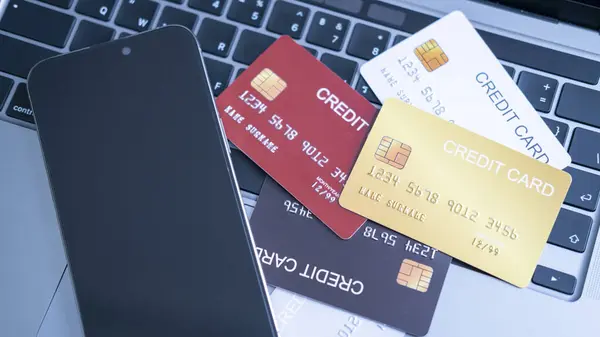
6. Too many credit cards
Carrying every card at once multiplies the damage if a wallet disappears. It also means more calls, more account monitoring, and more chances for fraudulent charges to slip through before every issuer is notified. One primary credit card and one backup is enough for most routines. That keeps spending tools available without turning a wallet into a stack of open accounts.
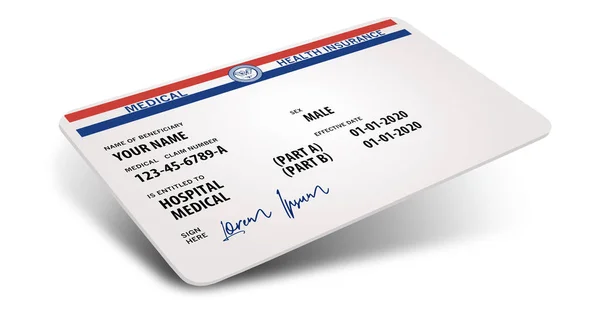
7. Medicare card
A Medicare number is valuable to scammers because it can be used in medical identity theft and false claims. The newer card format is safer than the old version, but it still contains information that should be guarded closely. For most people, the original card should come along only for appointments or services that require it. Outside those situations, it belongs at home.
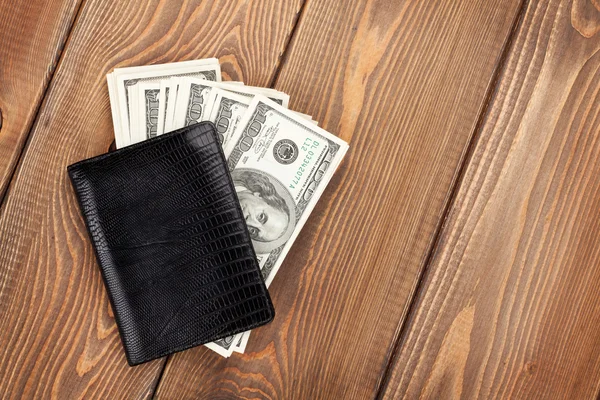
8. Gift cards and excess cash
Both work a lot like cash after they are lost. Gift cards usually do not have the same fraud protections as credit cards, and anyone holding them can often spend the balance. Large amounts of cash carry the same problem with even fewer recovery options. The average identity fraud victim lost $1,551 in 2021, according to Bankrate data cited by Discover. Carrying only a modest amount of cash and leaving unused gift cards at home reduces needless loss.
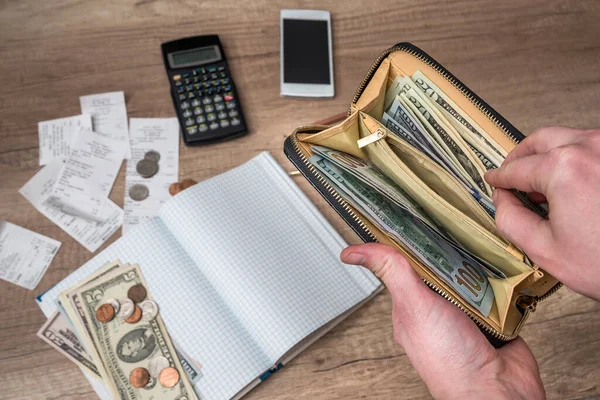
9. Receipts and old paper clutter
Receipts, appointment cards, expired IDs, hotel key cards, and old business cards may seem low-risk, but they can expose names, shopping patterns, partial card numbers, and personal routines. They also make it harder to find what actually matters in a hurry. According to the FTC figures cited by AARP, $12.5 billion was stolen through scams and fraud in the most recent year referenced there. Not every receipt leads to fraud, but unnecessary fragments of personal data make a thief’s job easier. Daily cleanouts and digital records are the simpler habit.

10. Work badge or access card
A work badge does not just identify a person. It may open doors, connect to internal systems, or reveal employer details that can be used in targeted phishing attempts. Losing one can create a workplace security issue along with a personal headache. Keeping work credentials separate from personal payment cards is a practical layer of protection. A badge on a lanyard or in a dedicated pocket is usually the better option.
The safest wallet is not the fullest one. It carries only what is needed that day, with the rest stored securely at home or digitized where appropriate. That lighter setup does more than flatten a pocket. It limits financial loss, protects personal data, and makes a lost wallet far less likely to become a long and expensive recovery job.

