
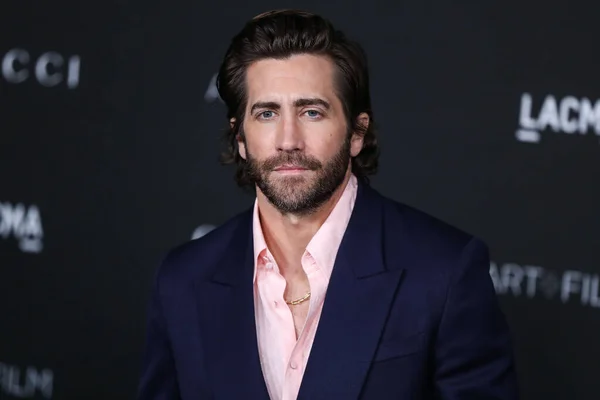
The Oscars have always shaped movie mythology, but they have never settled every argument about greatness. For every winner whose name is etched into awards history, there is a parallel lineup of leading men whose careers remain just as influential without a competitive acting trophy.
That gap is part of what keeps the conversation alive. Some actors were nominated again and again. Others built towering careers while being recognized only once, or not nearly enough. In several cases, the Academy later tried to close the loop with honorary recognition, including an Honorary Oscar in 2022 for Samuel L. Jackson and an honorary Oscar in 2003 for Peter O’Toole.
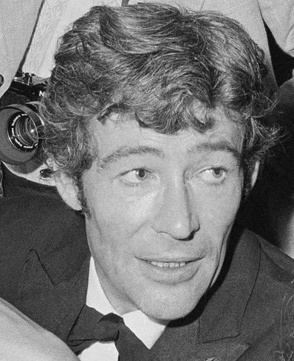
1. Peter O’Toole
Peter O’Toole remains the defining example of Oscar admiration without a win. He received eight acting nominations, the most for a male performer without a competitive victory, with landmark turns in “Lawrence of Arabia,” “The Lion in Winter,” and “Venus.” His screen presence could be regal, volatile, funny, and wounded all at once, which helps explain why his losses are still part of awards folklore. When he finally accepted an honorary Oscar, he undercut the old “always a bridesmaid” line with the memorable quip, “Always a bridesmaid, never a bride, my foot.”
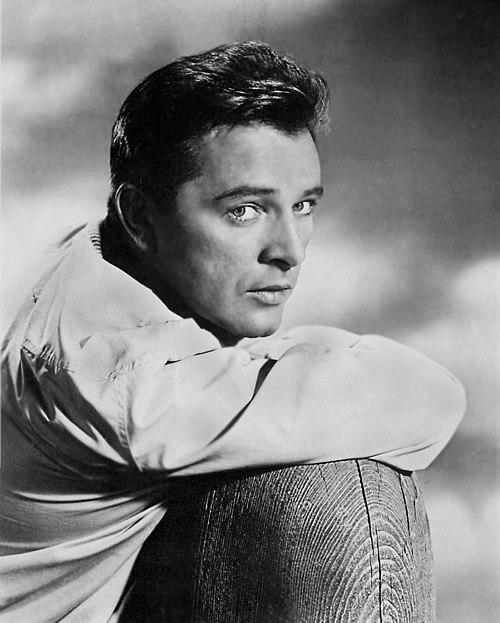
2. Richard Burton
Richard Burton’s seven nominations tell the story of a performer the Academy repeatedly admired but never crowned. His voice alone made him feel larger than the frame, and films such as “Who’s Afraid of Virginia Woolf?” and “The Spy Who Came in from the Cold” secured his reputation as one of the great screen actors of his era. Even decades later, Burton’s name still appears whenever Oscar history turns to unfinished business.
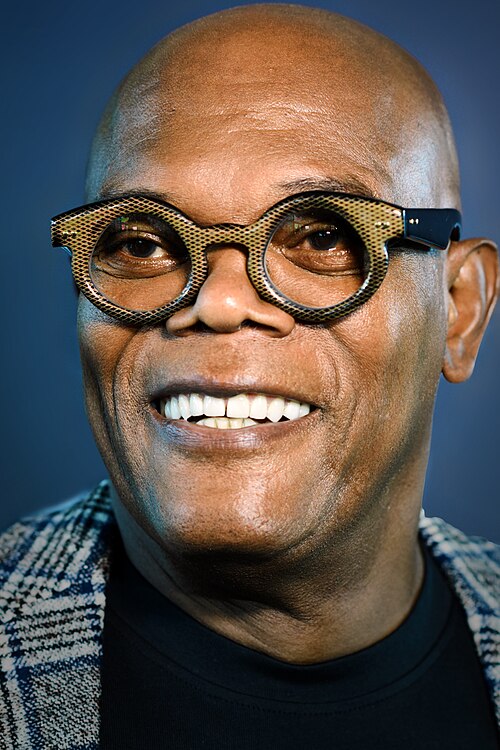
3. Samuel L. Jackson
Few careers expose the difference between cultural impact and Oscar tally more clearly than Samuel L. Jackson’s. He became one of the most recognizable faces in modern film through “Pulp Fiction,” “Jackie Brown,” “Django Unchained,” “Star Wars,” and the Marvel universe, yet he has only one competitive nomination. That lone acting nod came for Jules Winnfield in “Pulp Fiction,” a performance that remains central to 1990s American cinema.
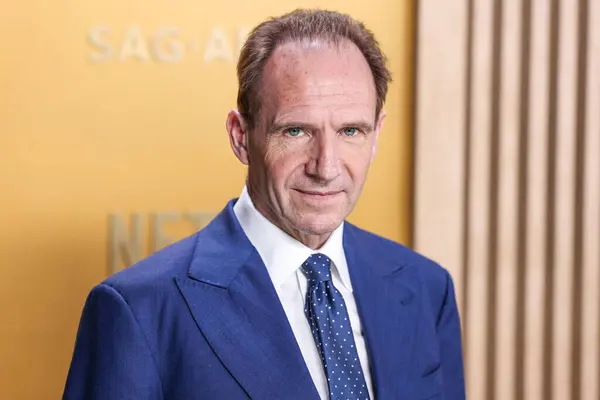
4. Ralph Fiennes
Ralph Fiennes has spent decades moving between prestige drama, literary adaptation, franchise work, and sharply tuned ensemble comedies without losing his authority on screen. His nominated work in “Schindler’s List” and “The English Patient” showed two very different strengths: terrifying control in one, bruised romantic gravity in the other. His more recent nomination for “Conclave” only reinforced how durable his standing has become.
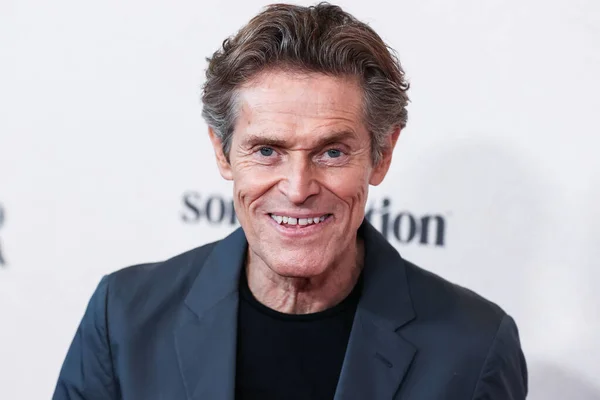
5. Willem Dafoe
Willem Dafoe has built one of the most adventurous careers in film, moving easily between arthouse projects and major studio movies. His four nominations span a striking range, from “Platoon” to “The Florida Project” to “At Eternity’s Gate.” What links them is his total commitment: Dafoe rarely seems to be performing toward prestige, only toward the strange, raw center of a character.
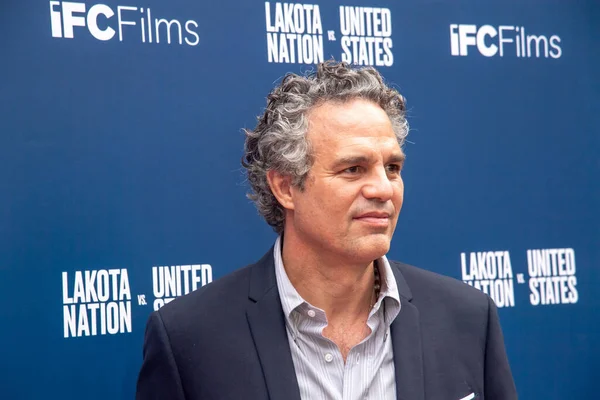
6. Mark Ruffalo
Mark Ruffalo’s awards record reflects a familiar Academy pattern: steady respect, no final coronation. His supporting nominations for “The Kids Are All Right,” “Foxcatcher,” “Spotlight,” and “Poor Things” show how often he strengthens a film without turning the role into a showy awards bid. That consistency has made him feel overdue in a particularly modern way, especially because his performances can be loose, humane, and quietly destabilizing at the same time.
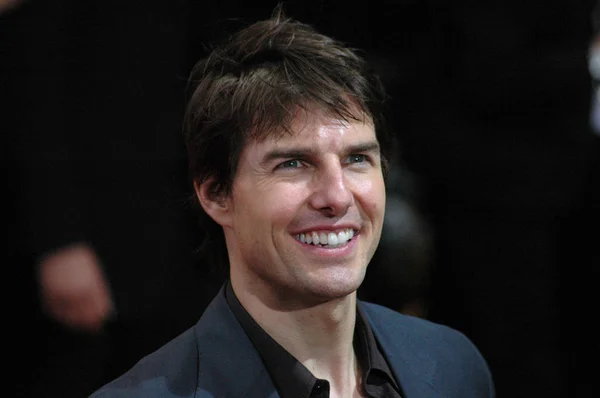
7. Tom Cruise
Tom Cruise’s stardom is so overwhelming that it can obscure how often he has delivered tightly calibrated dramatic work. He earned acting nominations for “Born on the Fourth of July,” “Jerry Maguire,” and “Magnolia,” and later added a producing nomination for “Top Gun: Maverick.” His career became synonymous with theatrical spectacle and stunt-driven blockbusters, but the Oscar question around Cruise has always been about range that many viewers noticed long before awards bodies fully embraced it.
8. Harrison Ford
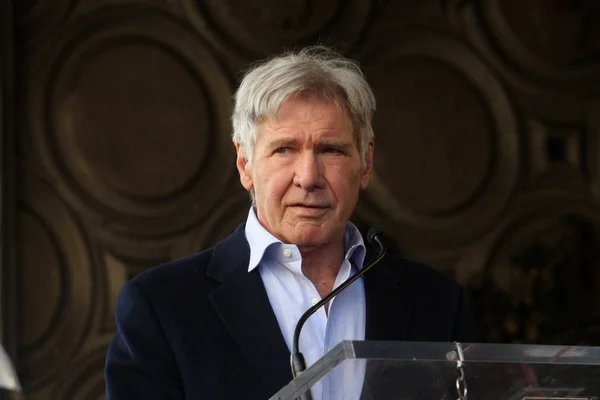
Harrison Ford shaped the modern blockbuster hero through Han Solo and Indiana Jones, then somehow ended up with only one acting nomination, for “Witness.” That statistic still feels improbable. His career has balanced movie-star magnetism with understated dramatic work in films like “The Fugitive” and “Blade Runner,” which explains why his lack of Oscar success keeps reading less like a snub of one performance and more like a blind spot about a whole kind of screen acting.
9. Paul Giamatti
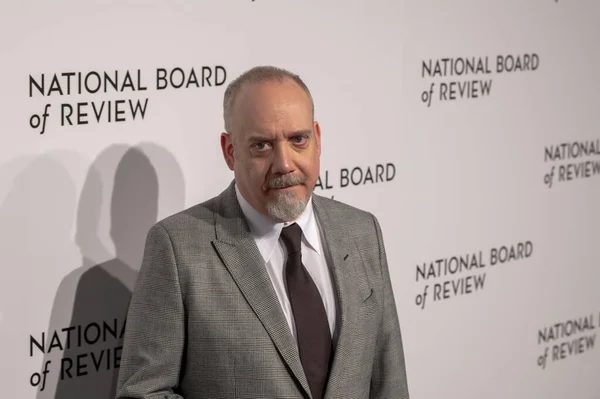
Paul Giamatti has long occupied that valuable space between lead actor and elite character actor, often making difficult, prickly men unexpectedly moving. His omission for “Sideways” still comes up whenever Oscar misses are discussed, and “The Holdovers” returned him to the center of the awards conversation. He has the kind of craft-first reputation that grows stronger with time because almost every performance deepens the case.
10. Jake Gyllenhaal
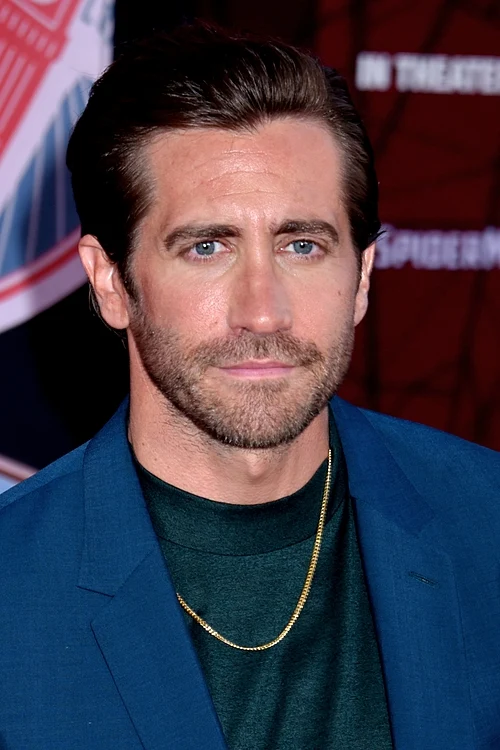
Jake Gyllenhaal has one nomination, for “Brokeback Mountain,” but the larger conversation around him is about what the Academy has not nominated. “Nightcrawler” is often treated as the clearest example, while “Donnie Darko,” “Prisoners,” and other darker projects helped define his appetite for uneasy material. The larger “Brokeback Mountain” legacy also remains tied to one of the Academy’s most debated choices, as “Crash” beating “Brokeback Mountain” for Best Picture continues to be cited among the ceremony’s enduring upsets.
11. Edward Norton
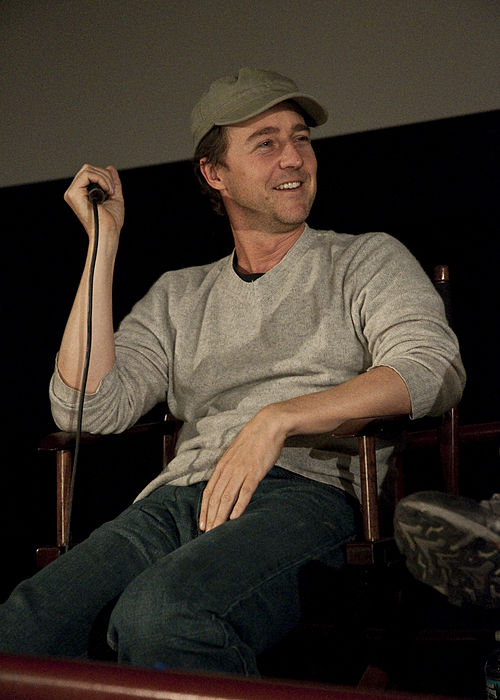
Edward Norton’s career arrived with unusual force. “Primal Fear” announced him, “American History X” confirmed him, and “Birdman” reintroduced him to a new awards cycle. His recent recognition for a fourth Oscar nomination only sharpened the sense that he has been hovering near the finish line for years. Norton’s appeal has always been his intensity: intellectual, confrontational, and impossible to ignore.
12. Michael Keaton
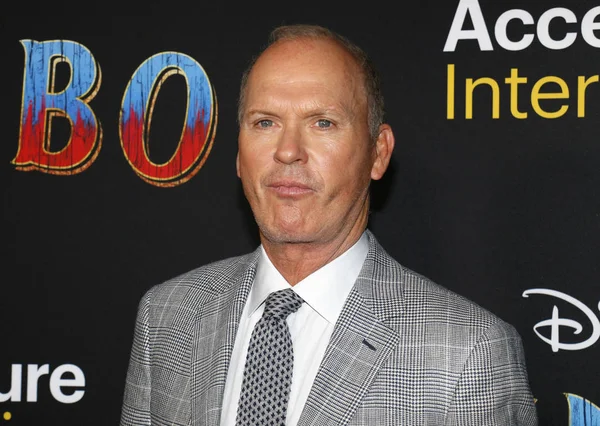
Michael Keaton waited a long time for his first nomination, then nearly turned “Birdman” into a comeback narrative for the ages. Eddie Redmayne won that year, but Keaton’s performance remains one of the defining portraits of fame, ego, and exhaustion in 21st-century American film. His later ensemble work in “Spotlight” and “The Trial of the Chicago 7” only strengthened the case that his career has been richer than awards shorthand suggests.
What ties these actors together is not one kind of career. Some are classical stars, some are shapeshifters, some are supporting-powerhouse specialists, and some became bigger than the awards system itself. The more revealing pattern is longevity. An Oscar can spotlight one year, but these actors kept building bodies of work that outlasted any single ceremony. That is why the missing trophy still registers, and why the conversation never really disappears.

