
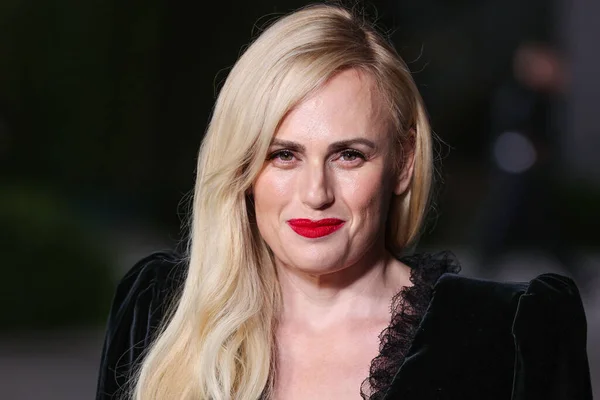
Hollywood has often treated women’s bodies as part of the job description. That pressure has shaped casting, styling, publicity, and even the way stars are discussed long after the cameras stop rolling.
These actresses pushed back in different ways. Some rejected retouching, some challenged thinness as the only acceptable standard, and others broadened the conversation to include health, disability, aging, race, and body autonomy. Together, they helped keep body confidence visible during a period when, as body diversity in mainstream spaces has faced renewed pressure.

1. Melissa McCarthy
Melissa McCarthy built a career that undercut the idea that leading women must fit one narrow size range. Alongside hit roles in films and television, she also addressed the shortage of stylish clothing available to many women, tying representation to everyday dignity rather than red-carpet image alone.
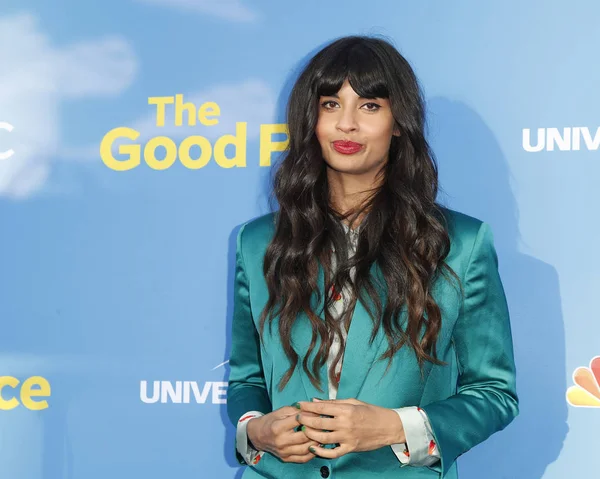
2. Jameela Jamil
Jameela Jamil’s I Weigh movement shifted attention away from appearance and toward identity, values, and accomplishments. Her activism also connected body image to mental health, and in 2025 she warned about Hollywood’s “aesthetic of emaciation,” a phrase that captured concerns about the return of extreme thinness as an ideal.
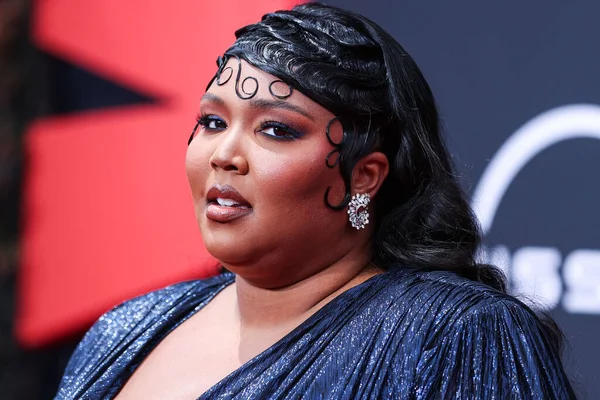
3. Lizzo
Lizzo made visibility itself part of the message. Through performances, fashion moments, and direct communication with fans, she treated self-worth as something larger than a number, even as public scrutiny often tried to reduce her to her body.
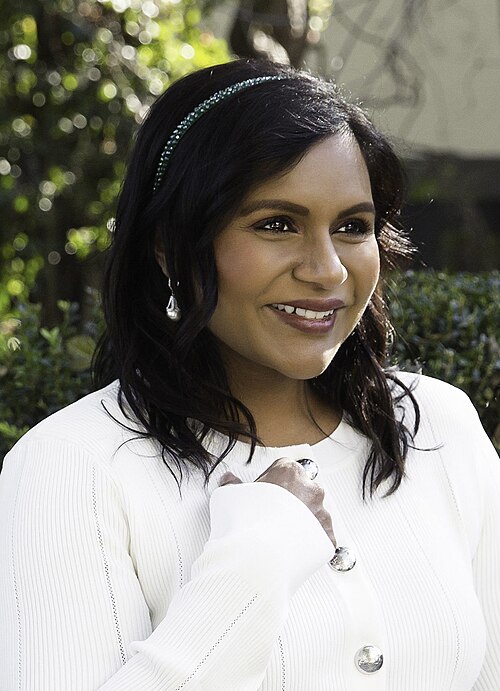
4. Mindy Kaling
Mindy Kaling challenged an old industry assumption: that a woman had to look a certain way to lead a romance or carry a series. She has also spoken openly about moving away from severe restriction, saying she now focuses more on nourishment and exercise than punishment.
5. Amy Schumer
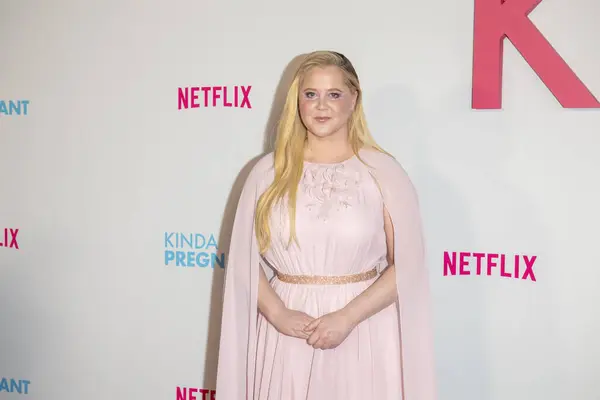
Amy Schumer used comedy to expose the absurdity of beauty standards that women are expected to accept as normal. Her resistance to excessive image polishing, along with her public conversations about pregnancy and postpartum realities, made ordinary bodily changes more visible.
6. Rebel Wilson
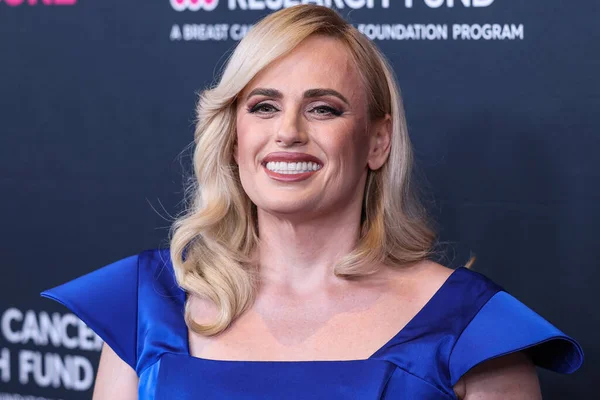
Rebel Wilson has discussed health and body change without framing worth as something earned through weight loss. That distinction kept the focus on personal well-being rather than public approval, an important line in a culture that often confuses the two.
7. Gabourey Sidibe
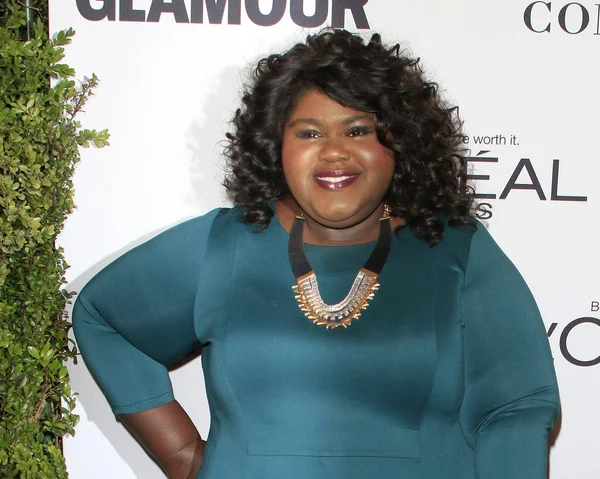
Gabourey Sidibe expanded representation for plus-size Black women on screen while refusing to let public commentary define her. In interviews and memoir writing, she has described her life and health decisions in her own terms, not as material for public judgment.
8. Chrissy Metz
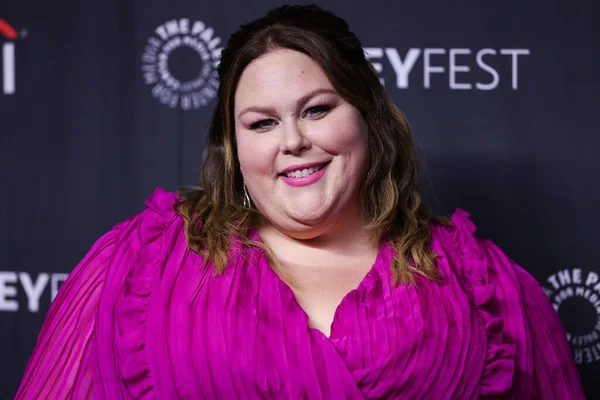
Chrissy Metz brought unusual vulnerability to body-image conversations. Her work and personal writing highlighted how shame, healing, and self-worth can overlap, especially for people living in a culture obsessed with shrinking bodies.

9. Tracee Ellis Ross
Tracee Ellis Ross widened the conversation by linking body confidence with aging, joy, and individuality. Her public image consistently resisted the idea that youth is the only acceptable version of beauty.
10. Florence Pugh
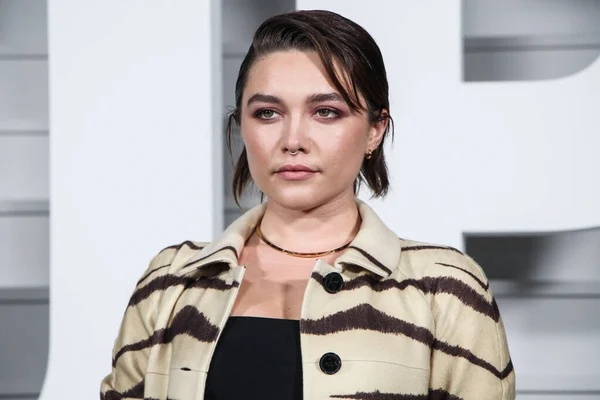
Florence Pugh became a defining younger voice on bodily autonomy after responding directly to body-shaming comments about her appearance. Her message was simple: public access to an actress does not create public ownership of her body.
11. Jennifer Lawrence
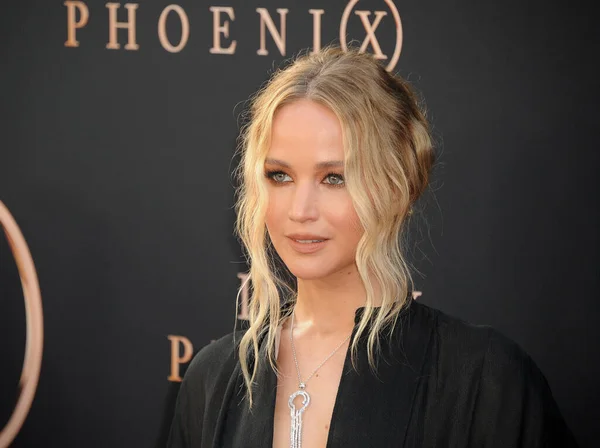
Jennifer Lawrence has long criticized Hollywood’s pressure to be thin, especially in ways that influence younger viewers. She said, “I’m never going to starve myself for a part” and explained that she wanted to look “fit and strong not thin and underfed,” a stance later revisited in discussions of training for ‘The Hunger Games’.
12. Bryce Dallas Howard
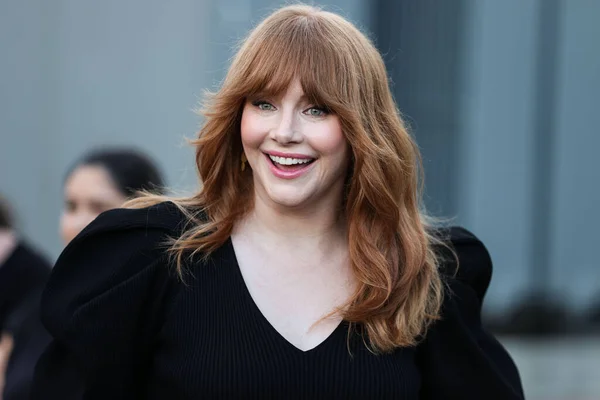
Bryce Dallas Howard has spoken with unusual practicality about wardrobe limitations, sizing, and requests to lose weight for roles. That candor exposed how often industry standards are reinforced through fittings, costumes, and design access rather than open policy.
13. Kate Winslet
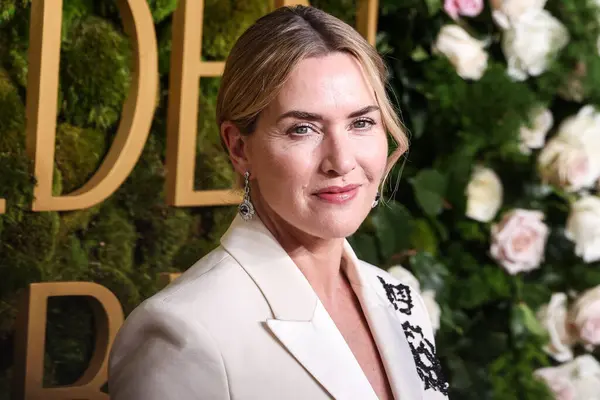
Kate Winslet has repeatedly objected to retouching and smoothing that alters the truth of a performance. Her insistence on appearing more naturally in promotions and on screen made authenticity part of her craft, not a side issue.
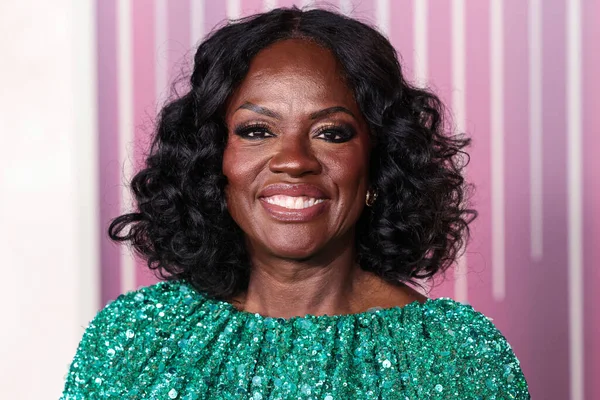
14. Viola Davis
Viola Davis has consistently emphasized presence, craft, and humanity over polish. Her perspective has been especially significant in an industry where age, race, and conventional beauty standards often overlap to limit who gets seen as central.
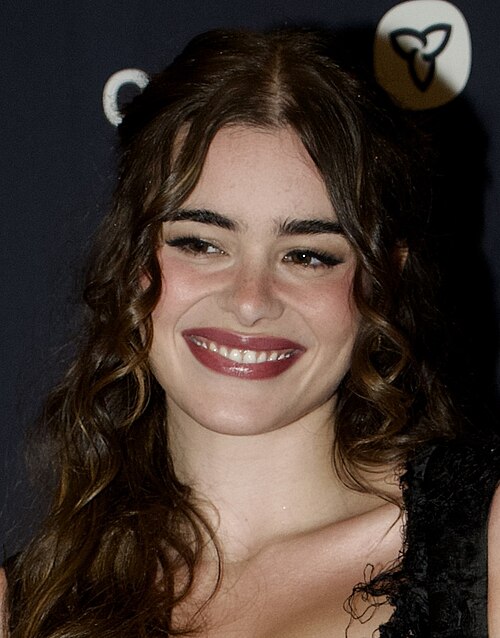
15. Barbie Ferreira
Barbie Ferreira brought a younger generation into the conversation through modeling and acting, especially by supporting unretouched imagery. Her work helped normalize body neutrality as an alternative to constant self-evaluation.
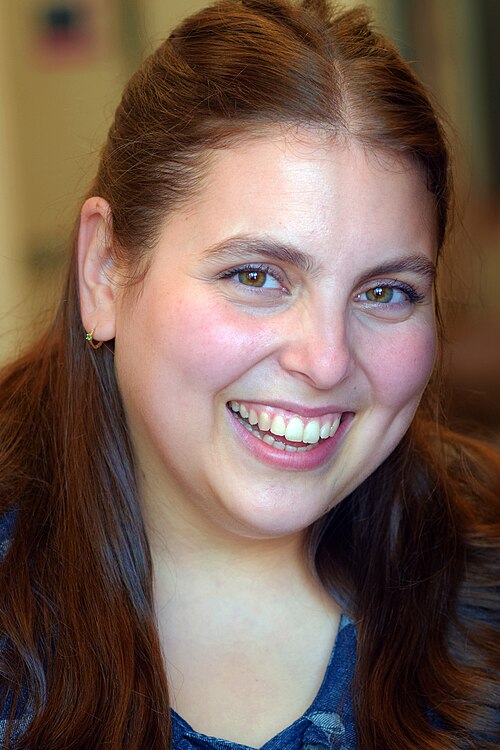
16. Beanie Feldstein
Beanie Feldstein has argued for characters and careers that are not organized around a woman’s size. That matters because true representation includes letting plus-size actresses play full, messy, funny, ambitious people without turning weight into the plot.
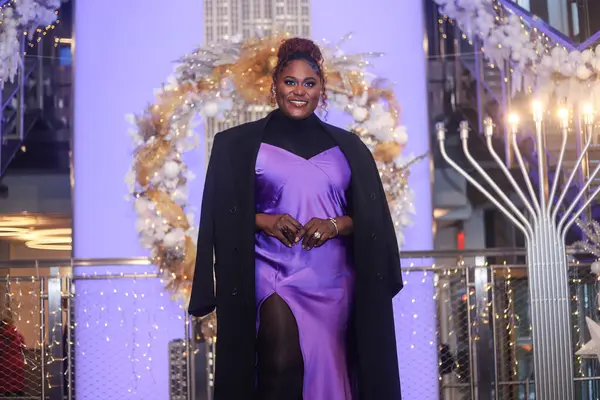
17. Danielle Brooks
Danielle Brooks has connected body confidence with race, hair, fashion, and visibility. Her presence across stage and screen broadened what confidence can look like, especially for plus-size Black women who have historically been underrepresented.
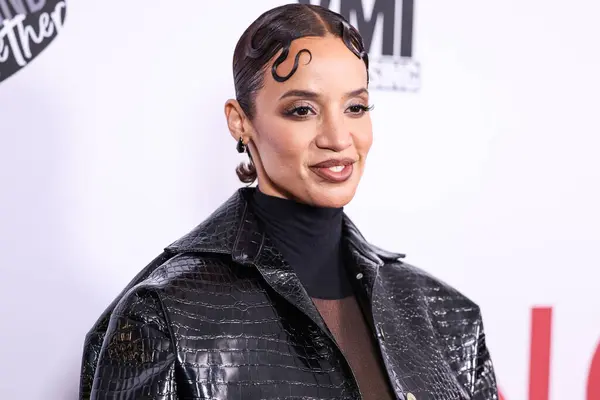
18. Dascha Polanco
Dascha Polanco has repeatedly highlighted the fashion industry’s failure to dress many women it claims to celebrate. By naming that gap, she showed how exclusion is often built into glamorous spaces that appear inclusive from a distance.
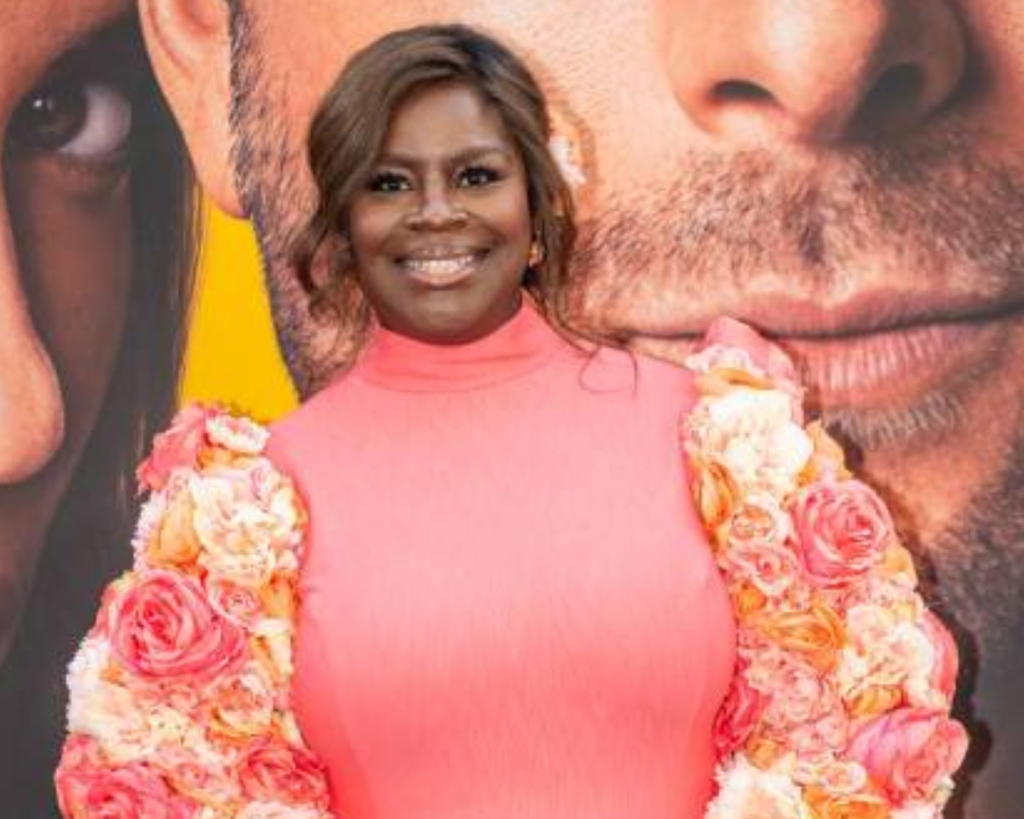
19. Retta
Retta’s impact came through normalcy. Her roles were not constructed as lessons about body size, and that alone challenged stereotype-heavy casting that often limits larger actresses to a single type of story.

20. Shannon Purser
Shannon Purser has spoken openly about body image and mental health in ways that resonate with younger audiences raised online. Her honesty reflects a broader truth cited by experts: social media can deeply shape how people think and feel about their bodies.
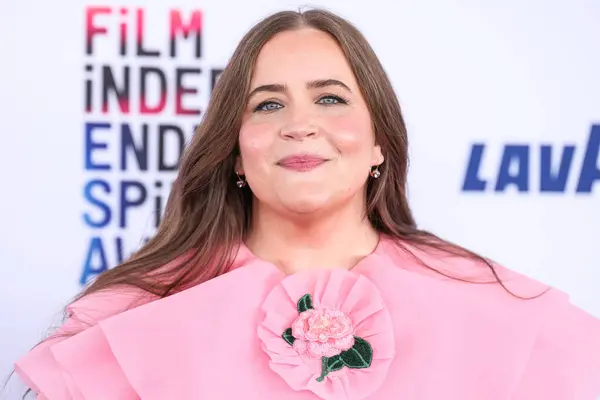
21. Aidy Bryant
Aidy Bryant gave the body-confidence conversation one of its clearest fictional expressions through Shrill. The show’s central idea was powerful because it refused a familiar script: a woman could change her life without first changing her body.
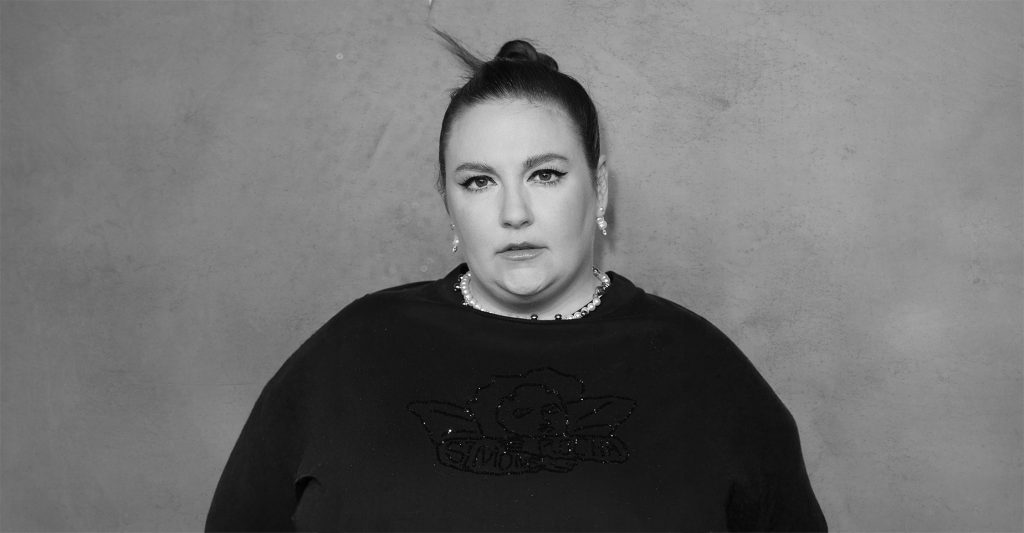
22. Lena Dunham
Lena Dunham helped normalize unedited, imperfect, and medically complicated realities. By speaking about chronic illness and posting more natural images, she pushed back on celebrity culture’s preference for constant visual control.
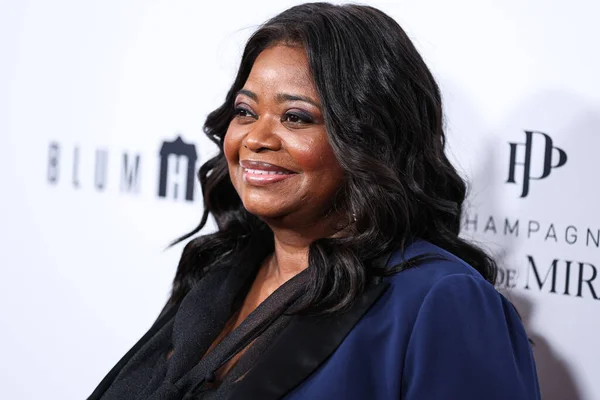
23. Octavia Spencer
Octavia Spencer has centered comfort, health, and performance instead of chasing a specific dress size. In an industry that often treats appearance as proof of discipline, that approach quietly challenged the entire premise.
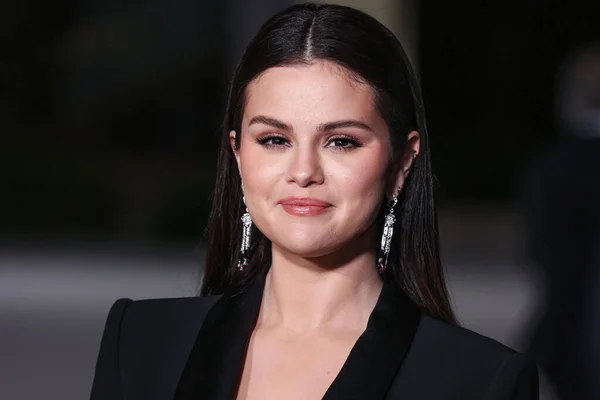
24. Selena Gomez
Selena Gomez made body confidence more concrete by discussing lupus, transplant recovery, and visible scarring. In sharing that evolution, she echoed a broader message of bodily self-acceptance and later wrote that she felt “confident in who I am” after learning to stop hiding her scar.
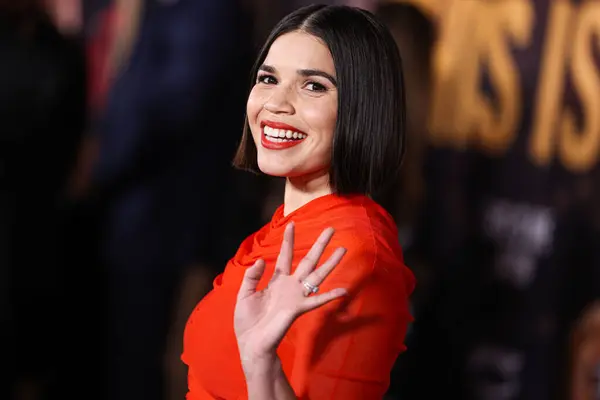
25. America Ferrera
America Ferrera has long connected body image to identity and representation, especially for Latinas in entertainment. Her message has remained steady: a person’s value is larger than appearance, and bodies deserve respect for what they carry people through, not just how they are judged.
What links these actresses is not a single message or body type. Their influence came from widening the frame. Some advocated body positivity, some leaned closer to body neutrality, and some simply refused to let appearance dominate the story. That collective push still matters. In a media climate where narrow ideals keep resurfacing, their words and choices continue to make room for more people to be seen without apology.

