
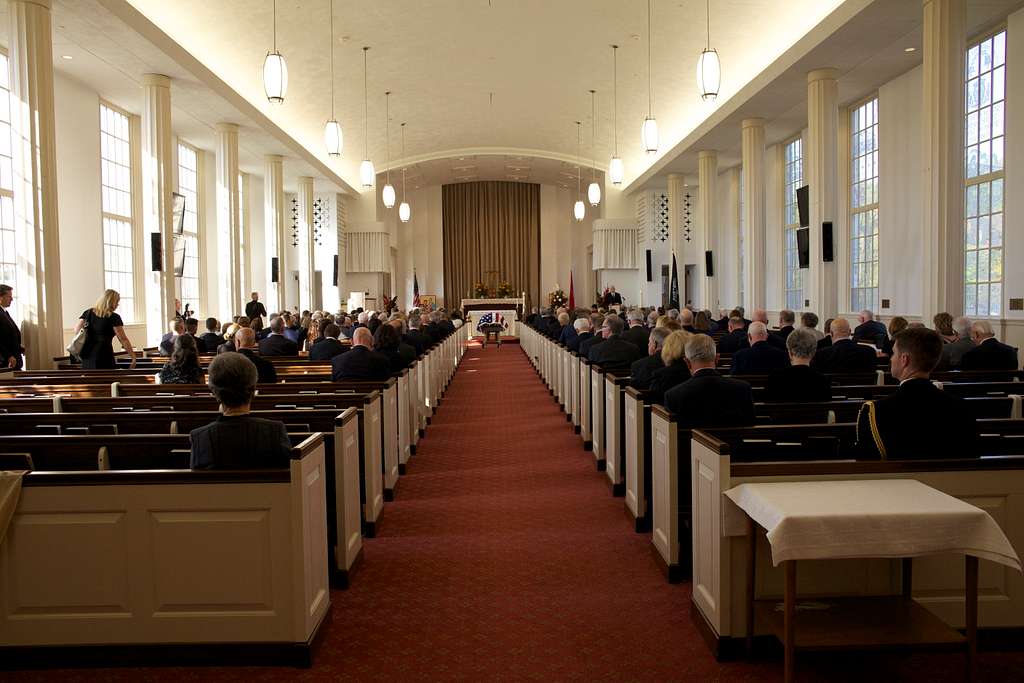
Funeral homes ask very little from guests, but what they do ask matters. The setting is built for grief, quiet support, and small acts of respect that help families get through a difficult day.
That is why etiquette at a funeral home is less about perfection and more about reducing strain. As etiquette expert Elaine Swann put it, “the more we talk the more we get ourselves into trouble,” which is often true in moments of loss.
1. Treating the service like a photo opportunity
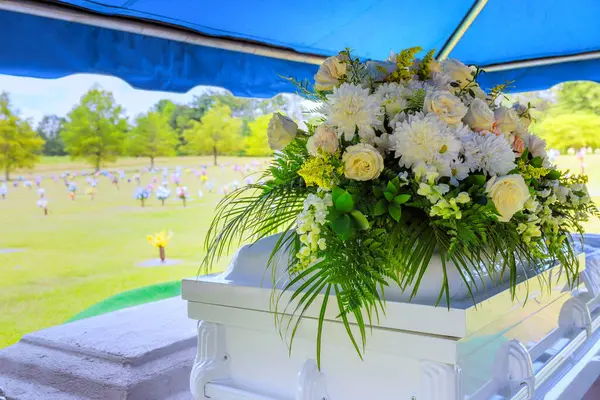
Taking selfies, snapping pictures near the casket, or posting live updates shifts attention away from the person being honored and the family members grieving nearby. Modern services may include photo displays or shared memory boards, but that does not make the viewing room a casual place for phone use. Funeral guidance consistently warns against photos at the coffin and social posting without permission. The safest rule is to keep the phone put away unless the family has clearly invited pictures, especially in the viewing room.
2. Wearing clothes meant to stand out
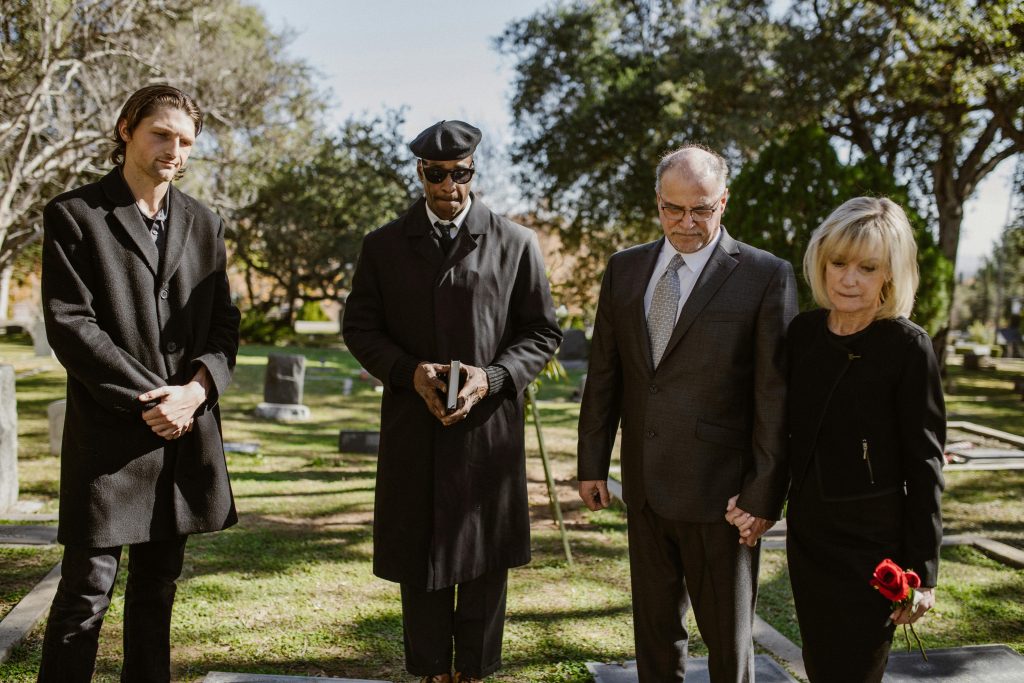
Funeral attire does not need to be limited to black, but it should be neat, modest, and subdued. Bright patterns, revealing cuts, strong fragrances, and flashy accessories can become a distraction in a room where the focus should stay on remembrance. Many etiquette guides now note that gray, blue, and other muted tones are acceptable, while shorts, flip-flops, ripped clothing, and overly casual outfits are still poor choices. If the family has requested a specific color or style, following that request is the respectful move.
3. Letting a phone interrupt the room
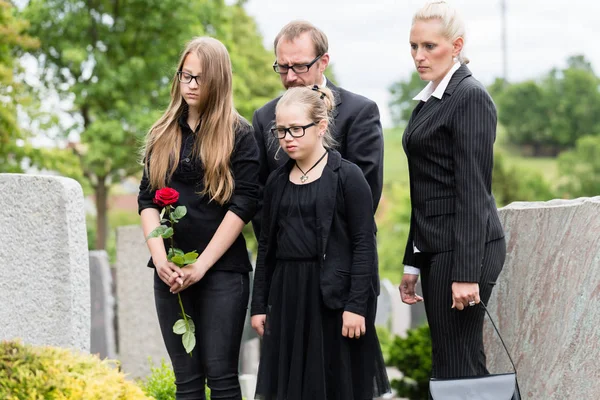
A ringing phone can cut through a chapel faster than almost anything else. Answering it inside the service area makes the interruption even more noticeable and can feel dismissive to people in the middle of prayer, reflection, or tears. Several funeral etiquette guides advise guests to turn devices off after parking or leave them in the car. If an urgent call truly cannot wait, stepping fully outside is the basic standard of consideration.
4. Arriving late and making an entrance
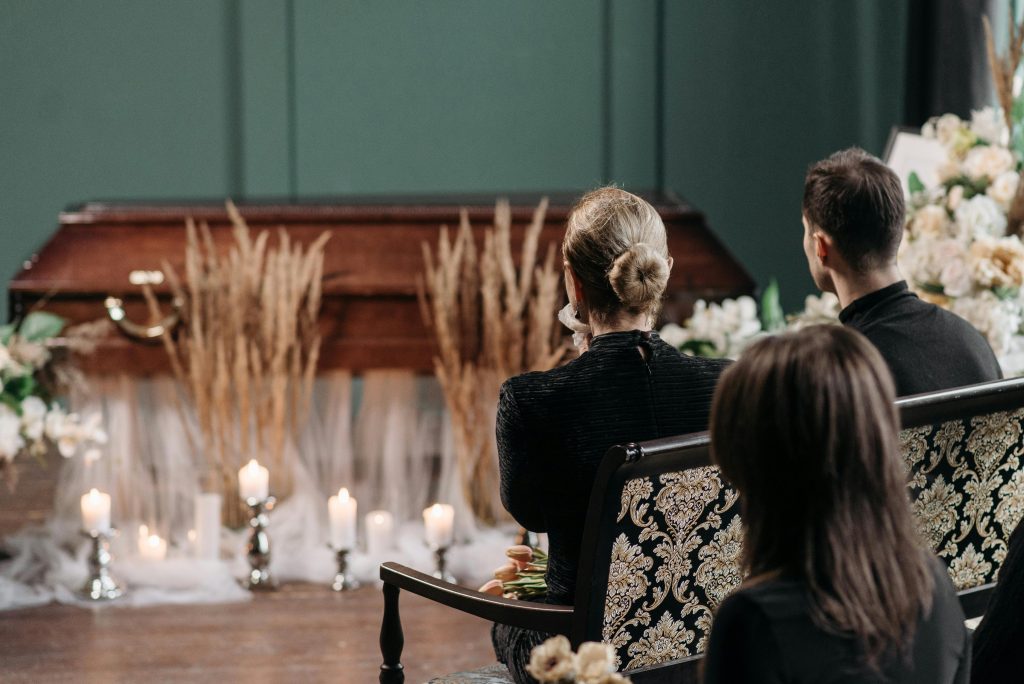
Late arrivals pull focus from the service to the doorway, the aisle, and the search for a seat. Funeral homes often have a quiet rhythm, and even small disruptions can feel larger than they would elsewhere. Traditional guidance recommends arriving at least 15 minutes early so there is time to sign the guest book, settle in, and avoid rushing. If delay is unavoidable, entering quietly and choosing a back or side seat is usually the least disruptive option.
5. Taking too much of the family’s time
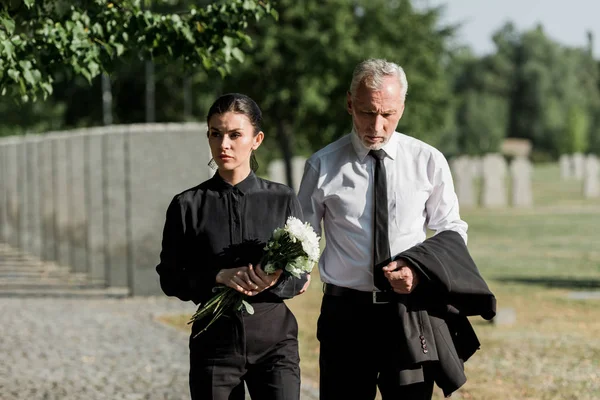
The immediate family may greet dozens of people in a single hour while carrying shock, fatigue, and the pressure of hosting. Long stories, extended catch-ups, or repeated attempts to hold their attention can create a bottleneck for everyone else waiting to offer condolences. Short is kinder here. “I’m so sorry for your loss,” “My condolences to you and the entire family,” or one brief memory of the deceased is often enough. A hug, a pause, and then making space for the next guest often says more than a long conversation.

6. Asking how the person died
Funeral homes are not the place for explicit questions about the cause of death, medical decisions, or final moments. Even when curiosity is sincere, the question can force grieving relatives into painful explanations they may not want to give in public. Etiquette experts repeatedly advise against asking for those details unless the family chooses to share them. In that setting, focusing on the person’s life rather than the circumstances of death is the more considerate approach.

7. Talking about money, property, or inheritance
Questions about wills, assets, or what happens next financially can feel especially harsh during a visitation or service. The family is there to mourn, receive support, and move through the ceremony, not to discuss legal matters. This mistake can also change the emotional tone of the room very quickly. Conversations about estates belong in private, later, and only when the family is ready.
8. Speaking too loudly, even in a warm moment
Funeral homes can hold many emotions at once. One group may be sharing a fond memory while another is standing a few feet away in fresh grief. Loud laughter, booming conversation, or animated storytelling can carry farther than expected in a quiet chapel or hallway. Sharing memories is welcome, and etiquette experts encourage it, but the delivery matters. A gentle voice helps keep the space comfortable for everyone.
9. Letting children roam without close supervision
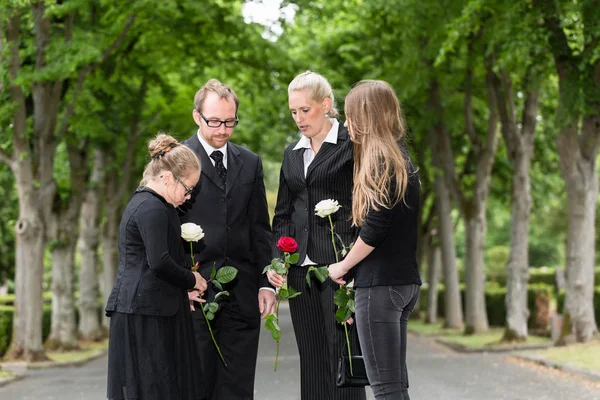
Children are not automatically out of place at funerals, but they do need close guidance. Families and funeral homes alike often suggest sitting near an exit so a parent can step out quickly if a child becomes restless. That advice is practical, not punitive. Funeral homes may include crowded hallways, delicate displays, and moments of silence where sudden noise feels especially sharp. A little planning protects both the child and the atmosphere.
10. Touching the body or casket area casually
Guests are not required to approach the body, and they are not expected to touch it. If someone chooses to come near the casket, the moment should remain brief and respectful. Adjusting clothing, moving hair, or handling anything around the body crosses a line that belongs to funeral staff and the family. Where an urn is present, the same rule applies: treat it with the same quiet care given to a casket. With the U.S. cremation rate projected at 63.4% in 2025, more guests are attending services where that distinction matters.

11. Complaining about the setup, music, or flowers
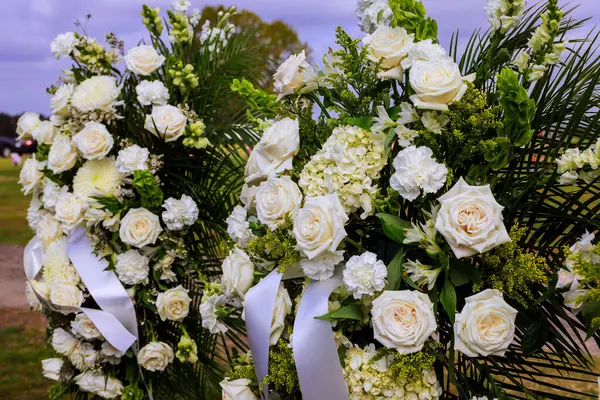
Families make dozens of decisions in a short, emotional window. Criticizing the music, commenting on the flowers, or questioning the format of the service adds pressure where none is needed. Some funerals are formal. Others are looser celebrations of life. The respectful choice is to follow the family’s lead, not review the event as if it were a performance.

12. Making support stop at the door
One of the most overlooked etiquette mistakes happens after the funeral home visit is over. Grieving families often receive intense attention in the first few days, then much less support once everyone else returns to routine. A thoughtful card, a meal, or a later check-in can matter just as much as showing up at the service. Several funeral guides note that support in the weeks and months after the funeral is often when grief feels heaviest.
The simplest funeral home etiquette rule is to avoid adding weight to the family’s day. Quiet presence, brief words, and steady respect usually do more good than any polished gesture. When uncertainty comes up, the clearest answer is often the simplest one: be calm, be brief, and let the family set the tone.

