
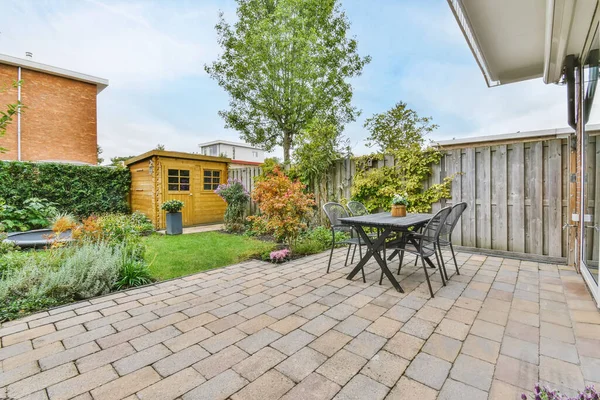
Backyards still look like casual, do-it-yourself spaces, but the rules around them have changed. Features that once seemed harmless can now trigger code violations, insurance problems, drainage disputes, or mandatory removal.
That shift is not about style. It reflects tighter fire safety standards, child-protection rules, water management laws, sanitation requirements, and zoning enforcement that now reach into ordinary residential yards.

1. Wood-burning fire pits in restricted areas
A backyard fire pit is no longer automatically allowed just because it is small. In some places, local rules limit what can be burned, how large the pit can be, and how far it must sit from structures. One city rule set, for example, limits pits to 3 feet in diameter, keeps flames to 3 feet high, and requires fires to stay 25 feet from structures. Wildfire-prone regions can be stricter still, especially during dry or windy conditions. Improvised pits made from spare bricks or placed too close to fences, decks, or trees can cross the line from cozy to prohibited very quickly.

2. Above-ground pools without proper barriers
Above-ground pools often seem temporary, but many municipalities regulate them like permanent safety hazards. Fencing, self-latching gates, and lockable or removable ladders are common requirements, even for shallower pools. The concern is simple: a child does not need deep water to be at risk. A pool installed without the required protections can lead to correction notices, liability problems, and, in some cases, an order to remove it.
3. DIY play structures that do not meet code
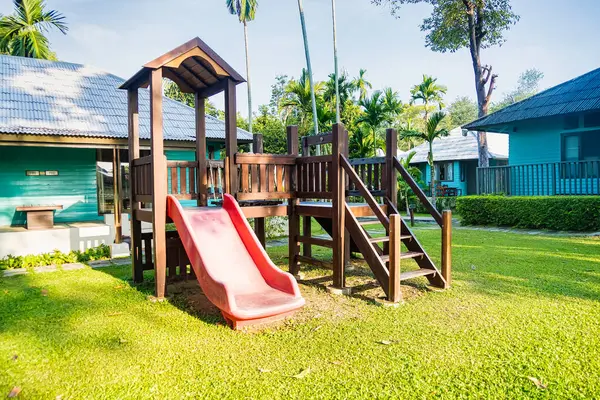
Homemade forts, climbing towers, and rope bridges can fall under building or safety rules when they get large enough. Once a structure has height, platforms, posts, or anchoring issues, inspectors may treat it less like a toy and more like an accessory structure. That means materials, fall surfaces, stability, and platform height can all matter. A play feature built for fun can become a violation if it creates an obvious injury risk or was installed without permits where permits are required.
4. Septic or graywater discharge into the yard
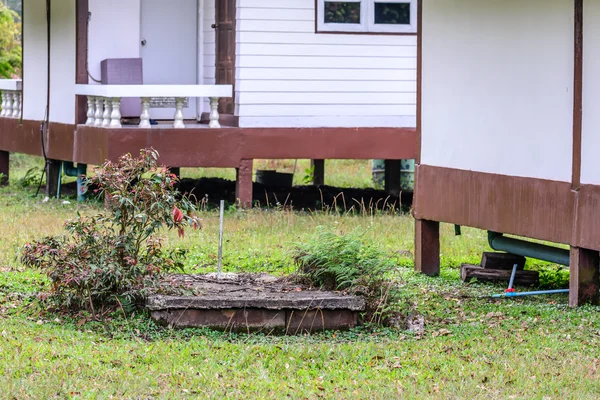
This is one of the clearest legal red flags. Sending septic overflow or untreated wastewater into yard soil is broadly prohibited because it can spread pathogens, contaminate groundwater, and affect nearby wells. Older rural properties sometimes still have makeshift drainage solutions hidden behind sheds or tree lines. Those workarounds are not treated as minor maintenance issues. They are commonly handled as sanitation violations that can bring fines and mandatory system replacement.

5. Outdoor electrical work done without permits
Exterior outlets for patios, sheds, pumps, and landscape lighting often look simple, which is exactly why they are easy to underestimate. Outdoor wiring usually has to meet electrical code standards for weather exposure, conduit, burial depth, and ground-fault protection. Unpermitted wiring can become especially costly after a fire or shock incident, when insurers or inspectors discover that the setup was never approved. Even a basic outlet box mounted outside may require compliance with local permit rules.
6. Chemical storage sheds that are not compliant
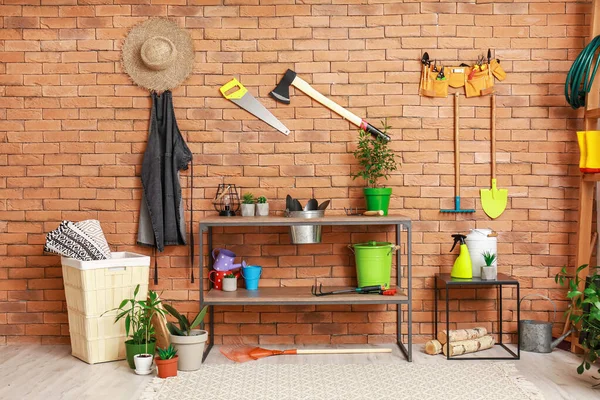
Backyard sheds used for pesticides, herbicides, and fertilizers are not just ordinary storage spaces. Labels on these products often require secure, ventilated conditions and protection from spills, children, and pets. When chemicals are stored loosely in an unventilated shed or transferred into unmarked containers, the problem becomes more than clutter. Local enforcement can treat that setup as an environmental or safety hazard, particularly after a spill or accidental exposure.

7. Rainwater systems that redirect runoff the wrong way
Rain barrels are legal in all 50 states with varying rules, but that does not mean every homemade drainage project is acceptable. The legal issue often starts when a barrel overflow, trench, berm, or drain line sends water onto someone else’s property or disrupts natural drainage. State rules can also limit how collection systems are built or used. Colorado residential systems, for instance, are limited to two rain barrels with 110 gallons total. In Washington, collected rainwater generally must be used on the same property. The feature itself may be legal, but the overflow path and installation details can still create violations.
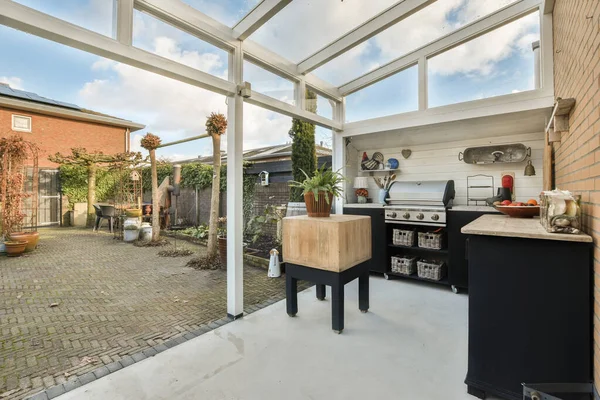
8. Outdoor kitchens with non-certified gas hookups
An outdoor kitchen can look polished and still fail inspection if the gas work was done casually. Flexible lines, shallow burial, missing shutoff protections, and untested connections are common trouble spots. Gas-fed grills, burners, and pizza ovens often require licensed installation and pressure testing. When that step is skipped, a backyard upgrade can be classified as unsafe work rather than a simple home improvement.
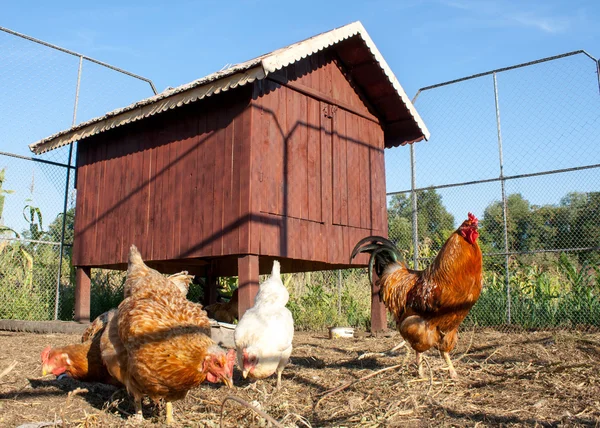
9. Animal enclosures that ignore zoning rules
Backyard chickens, goats, and similar animals are not governed by a single national standard. In many places, the deciding rules come from city zoning offices, counties, or homeowners associations rather than the state alone. Chicken laws often depend on individual cities or homeowners associations, with limits on coop location, flock size, and permits. A small enclosure can become a formal violation if it sits too close to a property line, creates odor or runoff problems, or houses animals not allowed in that neighborhood.
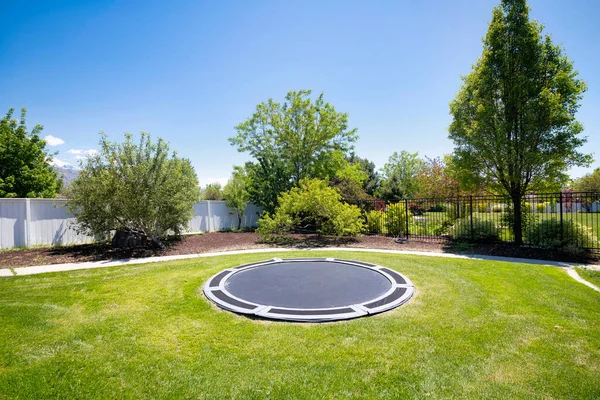
10. Sunken trampolines installed without approval
In-ground trampolines are often marketed through appearance and convenience, but the legal issue is usually the excavation. Digging a pit can trigger permit requirements tied to grading, drainage, retaining walls, or structural safety.
If the pit collects water, collapses at the edges, or creates mosquito conditions, the installation may be treated as an improperly built permanent structure. In some communities, retroactive approval is possible. In others, the solution is simply to fill it in.
Many backyard features are not truly illegal everywhere. The trouble is that legality now depends on location, installation method, and how the feature affects safety, drainage, sanitation, or neighbors. That is why older yard habits no longer offer much protection. A project that looked normal a decade ago can now fall outside the rules without ever looking unusual.

