
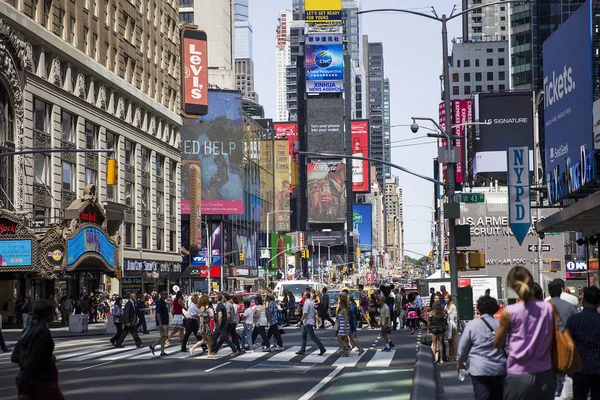
Famous destinations do not always deliver the experience their postcards promise. In many cases, the gap shows up in the same ways: packed sidewalks, inflated costs, aggressive tourist-zone behavior, or safety issues that locals learn to work around.
That does not make these places worthless. It does mean visitors often get a better trip by lowering expectations, tightening up basic safety habits, and knowing where residents go instead.
1. Times Square, New York City
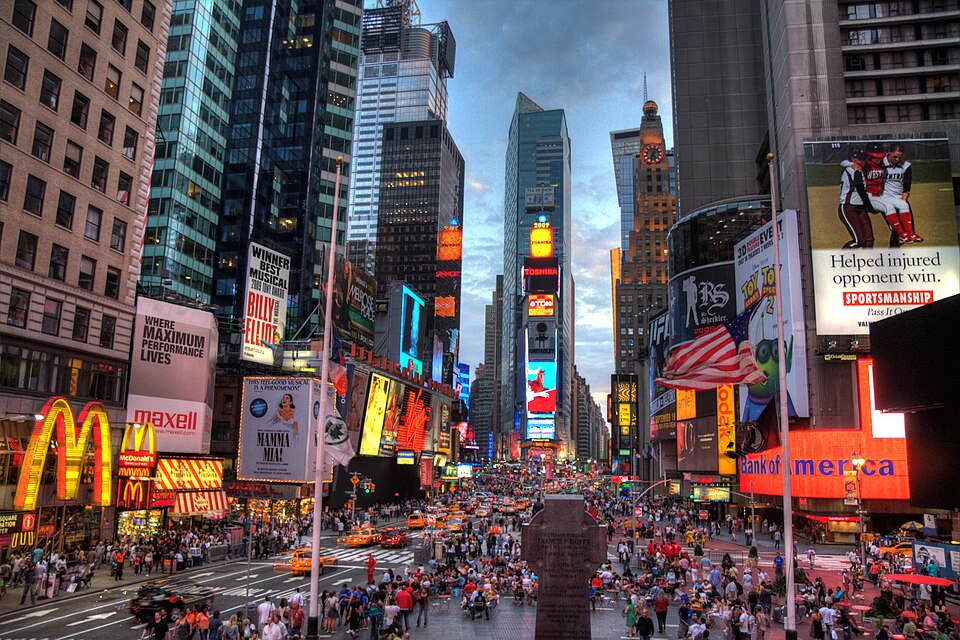
Times Square still functions as a global symbol of New York, but many residents treat it as a place to pass through rather than linger. The area draws 200,000 to 250,000 pedestrians daily, turning a short stop into a slow shuffle through digital billboards, chain dining, costumed characters, and tip-seeking performers.
The bigger issue is not only crowding but the way crowding changes behavior. Visitors become easier to spot, distractions multiply, and small hassles add up fast. Basic travel advice such as keeping valuables out of sight, locking bags, and avoiding visible cash matters more in dense tourist corridors, especially where pickpocketing and opportunistic theft are common travel concerns. Locals usually point people toward Bryant Park, the High Line, or neighborhood blocks where the city feels less staged and more human.
2. Hollywood Boulevard, Los Angeles
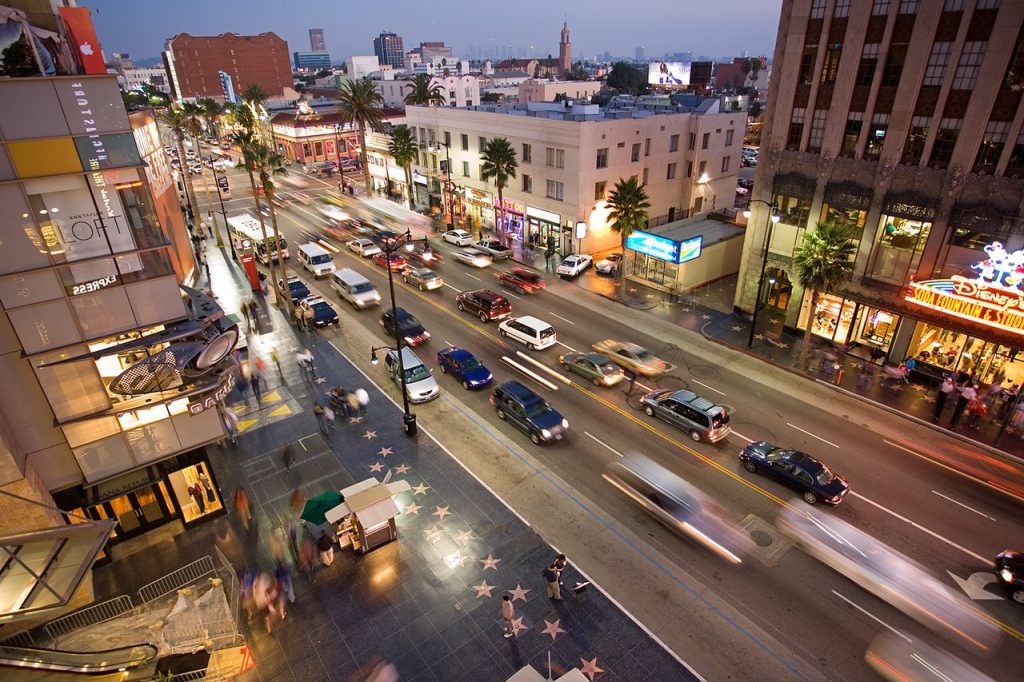
Hollywood Boulevard sells movie mythology, but the actual experience often lands somewhere between sidewalk spectacle and souvenir gauntlet. The Walk of Fame can feel surprisingly ordinary once visitors arrive, with crowded sidewalks, worn pavement, and nonstop requests for photo tips or purchases.
Locals often redirect out-of-town guests to Griffith Observatory, where the city view, public exhibits, and Hollywood Sign vantage points offer a stronger sense of place without the same pressure-filled street scene.
3. Atlantic City, New Jersey
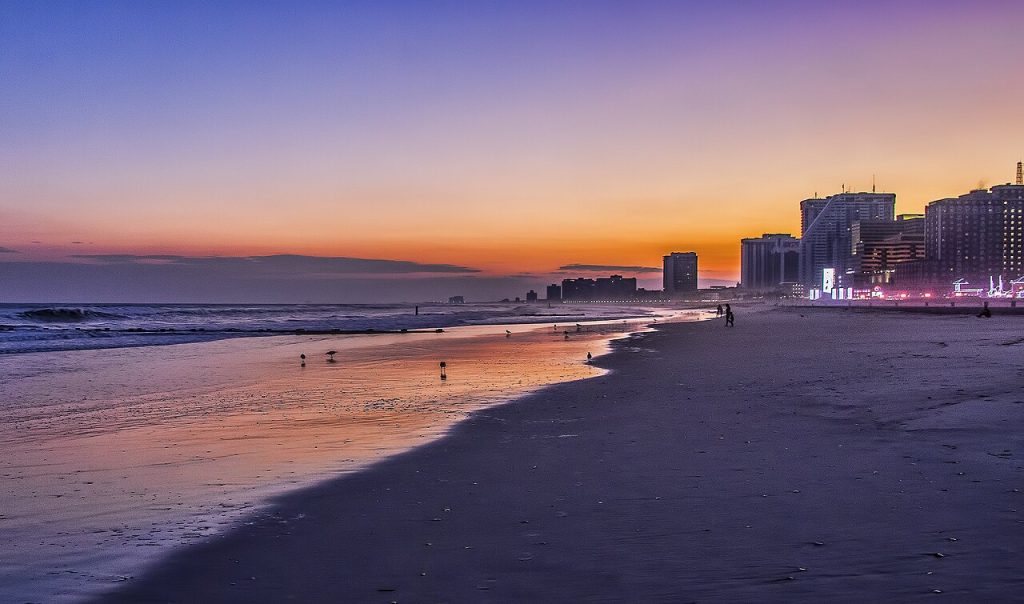
Atlantic City still carries resort history, but its uneven condition shapes the visit. Casino closures, aging stretches of infrastructure, and a boardwalk that many travelers describe as tired have changed the atmosphere from classic shore escape to patchwork comeback story.
For visitors expecting polished beach-town energy, the disconnect can be sharp. Residents frequently recommend other Jersey Shore communities where the waterfront feels cleaner, more walkable, and less dependent on fading casino-era appeal.
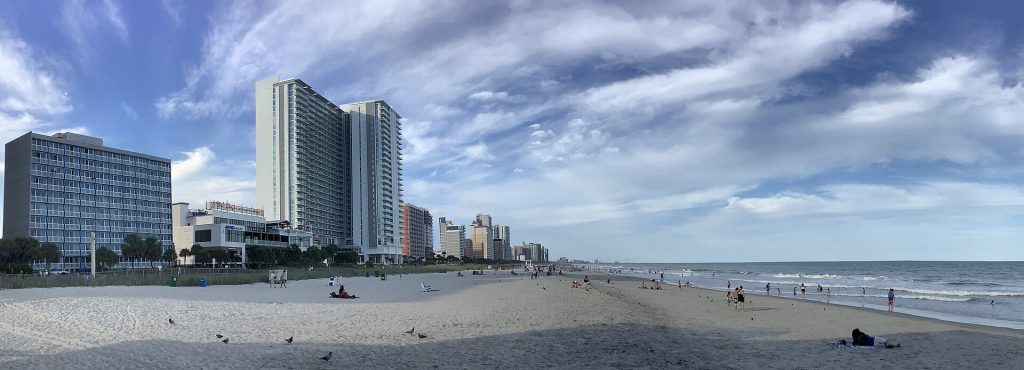
4. Myrtle Beach, South Carolina
Myrtle Beach remains busy for a reason: easy beach access, family attractions, and a familiar boardwalk formula. But that same formula can make peak season feel congested, commercial, and difficult to enjoy at a relaxed pace.
Traffic, chain-heavy development, and recurring concerns around beach conditions have pushed many locals to suggest quieter alternatives nearby. Travelers who want less noise and more shoreline often hear the same advice: look for places with tighter development controls and fewer high-volume attractions.
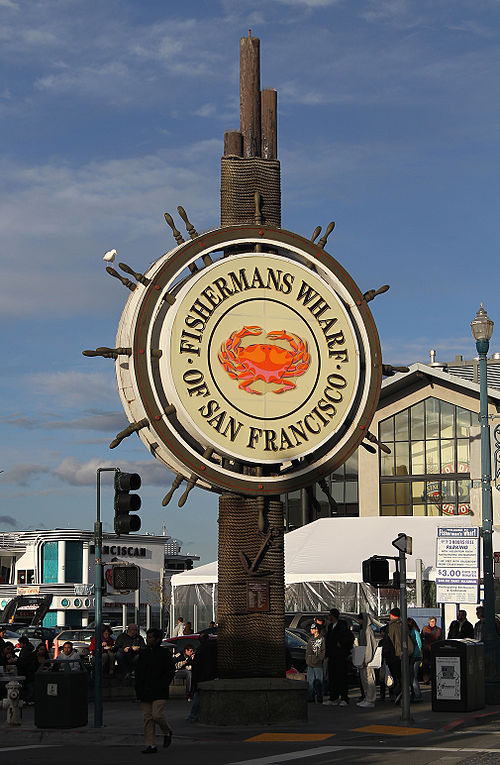
5. Fisherman’s Wharf, San Francisco
With 12 million visitors annually, Fisherman’s Wharf has become one of the clearest examples of a destination overwhelmed by its own popularity. Visitors encounter packed sidewalks, expensive parking, and seafood menus priced for one-time crowds rather than repeat local diners.
The sea lions at Pier 39 still draw genuine interest, but many residents consider them the exception rather than the rule. For a more grounded version of San Francisco, locals usually steer people toward North Beach or the Ferry Building instead.
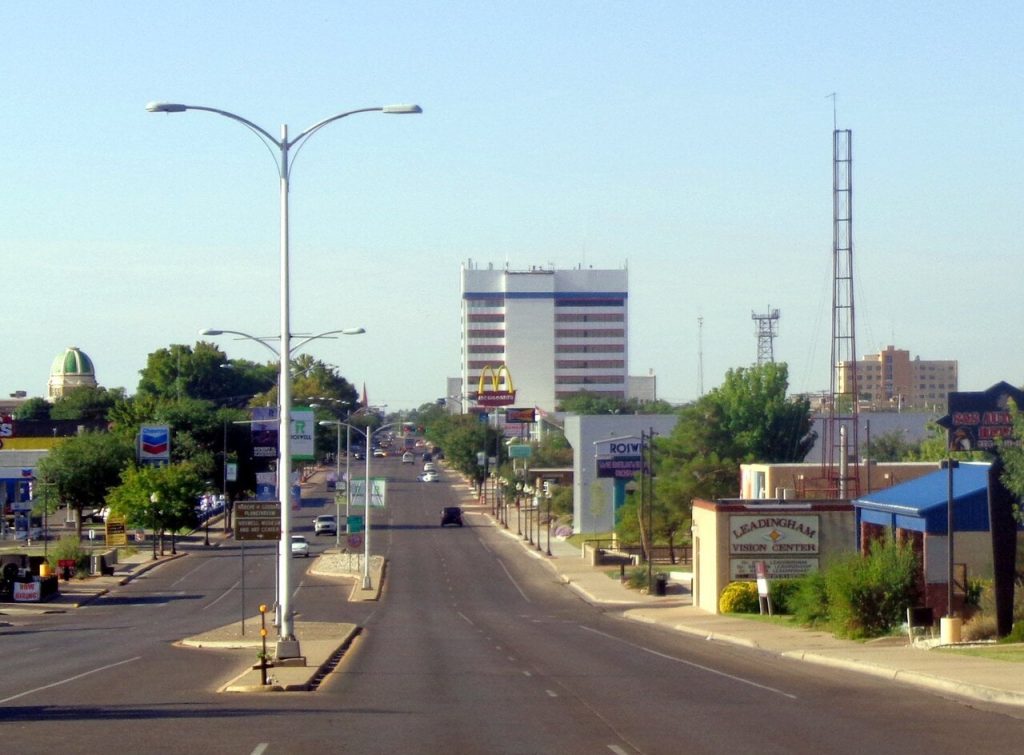
6. Roswell, New Mexico
Roswell has one of the strongest concepts in American tourism: alien lore tied to a long-running cultural mystery. The problem is scale. Many visitors arrive expecting a sprawling science-fiction destination and instead find a smaller collection of themed museums, novelty stops, and roadside kitsch.
The town works better as a short curiosity stop than as a full destination. Residents often suggest folding it into a wider New Mexico trip rather than building an entire itinerary around extraterrestrial branding.
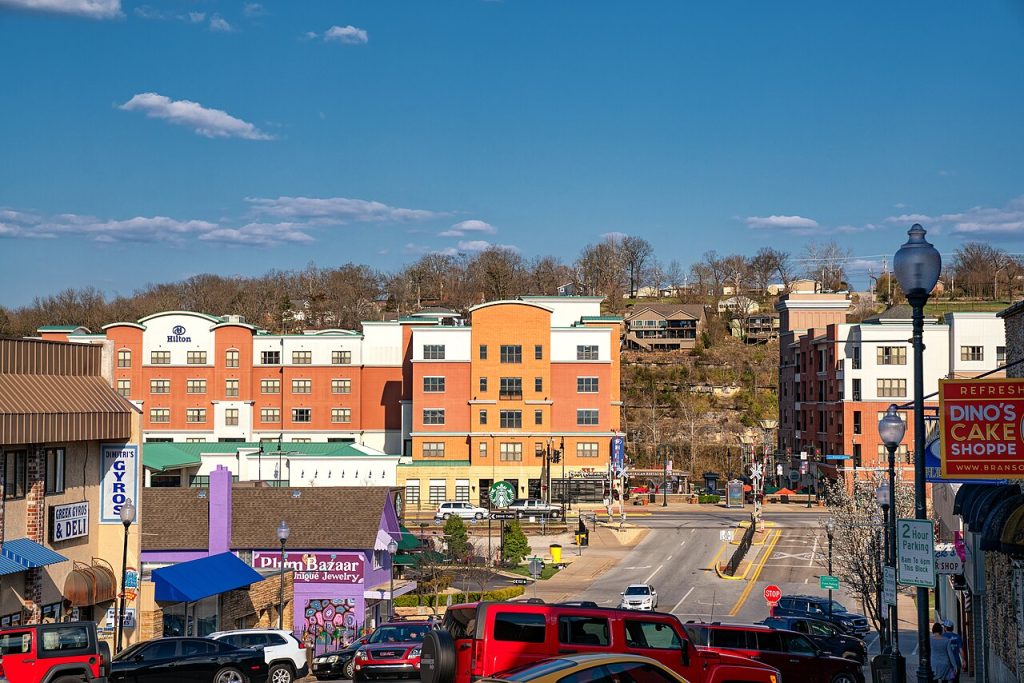
7. Branson, Missouri
Branson still attracts families and live-show fans, but its style of entertainment can feel locked in an earlier era. Heavy traffic on Highway 76, clustered ticketed attractions, and a commercial strip built around volume rather than atmosphere can wear visitors down.
For travelers who genuinely want theaters and family attractions, Branson can still serve a purpose. For others, the city’s reputation as a must-see destination tends to outpace the experience on the ground.
8. Waikiki Beach, Hawaii
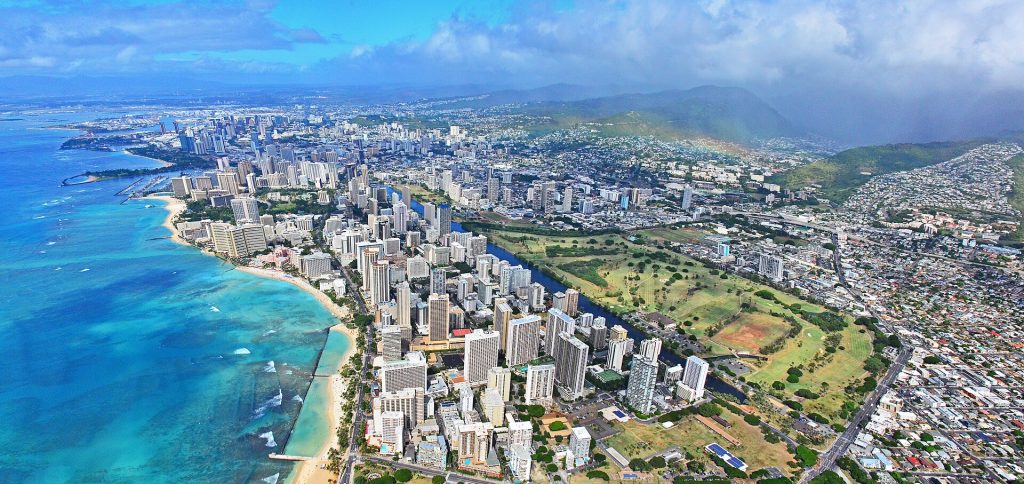
Waikiki remains visually iconic, yet many locals describe it as one of Oahu’s least representative beach experiences. Dense hotel development, crowded sand, and limited parking can make a world-famous shoreline feel more like an urban beachfront district than a tropical reset.
That mismatch matters because many visitors arrive expecting a quieter version of Hawaii than Waikiki is built to provide. Residents commonly point toward other parts of Oahu where the natural setting, pace, and beach access feel less dominated by retail and resort density.
9. Bourbon Street, New Orleans
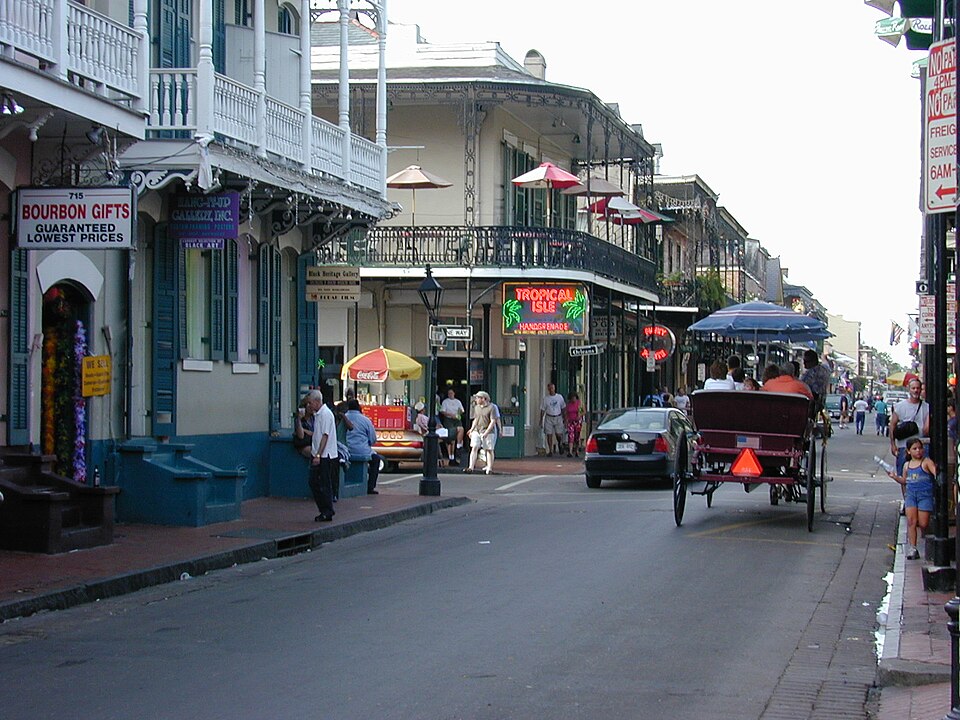
Bourbon Street is one of the country’s best-known nightlife strips, but locals often warn that the famous block is also where awareness matters most. The city has repeatedly urged visitors to stay alert around French Quarter crowds because theft and distraction-based crime can thrive in packed entertainment zones.
Many residents suggest getting the atmosphere, then moving on. Nearby streets and live music areas such as Frenchmen Street often provide a more relaxed version of New Orleans culture without the same shoulder-to-shoulder pressure.
10. Spitting Caves, O‘ahu
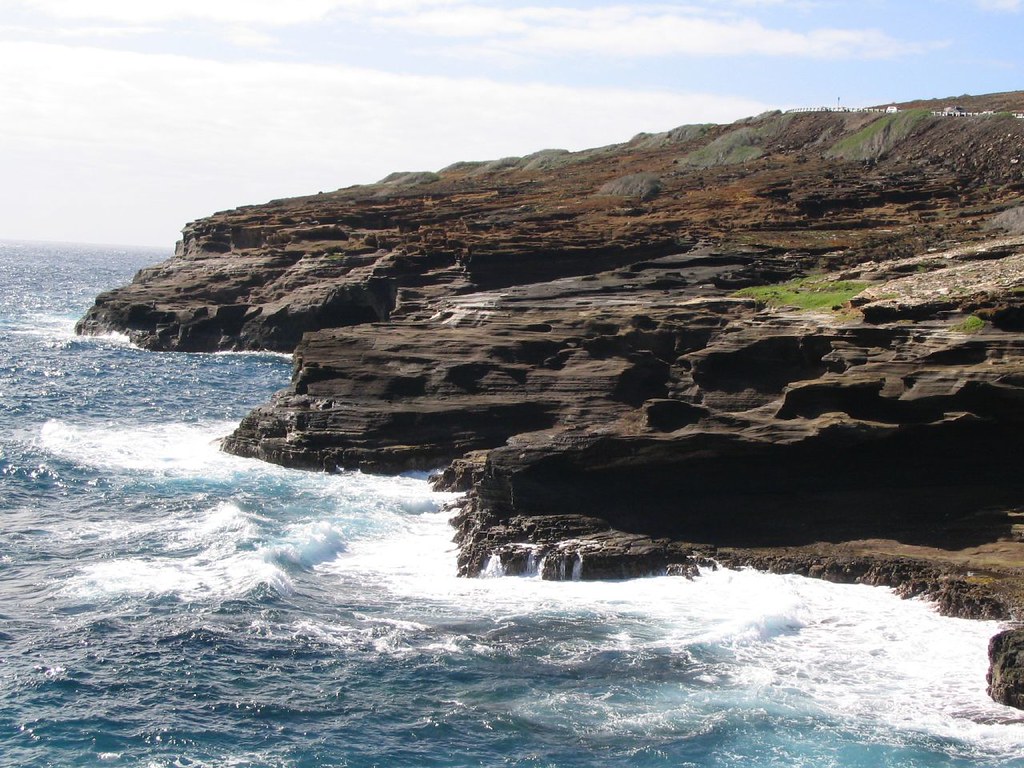
Some places disappoint because they are overrated. Spitting Caves stands out because locals warn against it for a more serious reason: danger. Hawaii officials have repeatedly warned about the cliffside shoreline, where unstable edges and wave conditions create a setting tied to injuries and fatalities. The scene may look calm in photos, but the risk profile is not casual. This is the kind of stop where local caution is less about taste and more about basic self-protection.
The common thread across these destinations is not that they should never be visited. It is that reputation can hide trade-offs, and locals usually know which trade-offs matter most: crowd pressure, inflated visitor zones, limited payoff, or preventable safety risks. Travel tends to improve when visitors treat marquee attractions as brief stops instead of entire itineraries. A little caution, a little flexibility, and more attention to local alternatives usually lead to the part of a trip people remember for the right reasons.

