
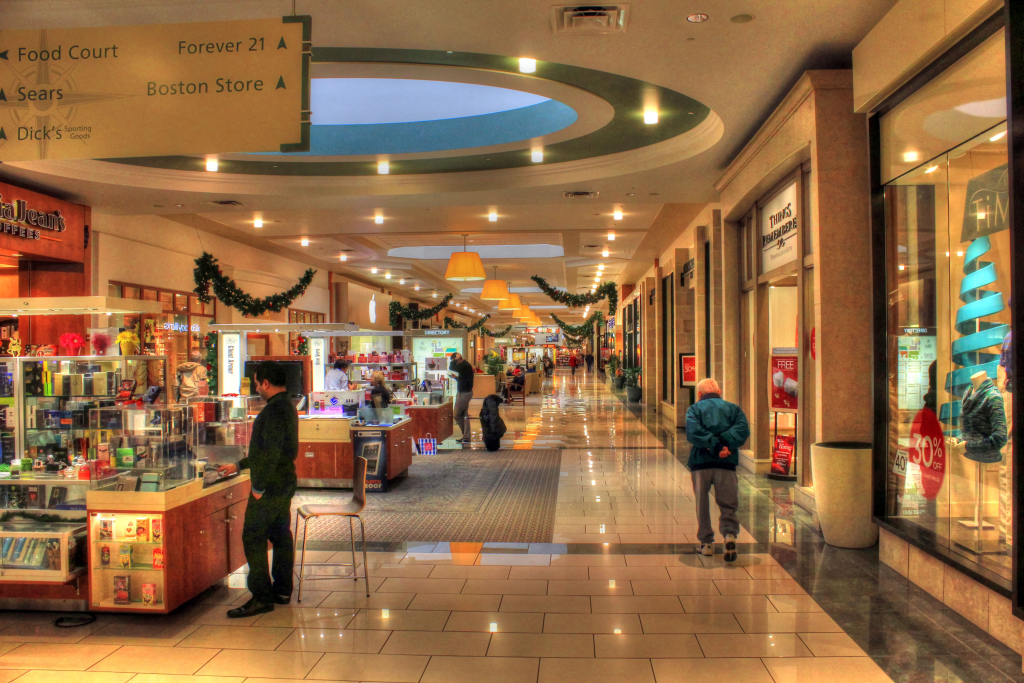
American shopping corridors are changing in a visible way. In 2025, major chains across party supplies, crafts, pharmacies, apparel, and department stores cut back sharply as retailers responded to debt pressure, weaker store traffic, and a consumer shift toward convenience and lower online prices.
The numbers are large enough to reshape entire neighborhoods. Industry forecasts have pointed to as many as 15,000 U.S. store closures in 2025, while online retail’s share of sales has climbed to 29% of retail excluding several major categories. What emerges is not one single collapse, but a broad reset in how physical retail survives.
1. Party City
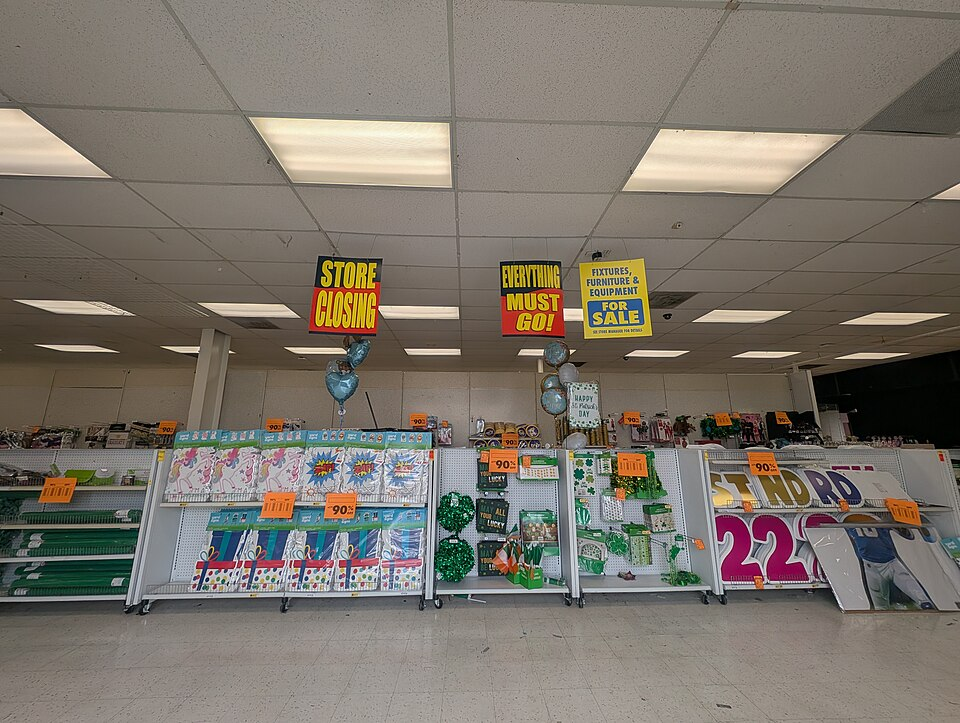
Party City’s retreat became one of the clearest signs of how vulnerable even category leaders can be. After decades as a familiar source for balloons, costumes, and celebration supplies, the chain moved to close its U.S. store base following bankruptcy.
The company’s footprint was widely reported at roughly 700 stores, with closure estimates in some industry tallies reaching 738 locations. CEO Barry Litwin told staff, “Very best efforts have not been enough to overcome,” pointing to inflation, rising costs, and online competition. The chain’s decline also reflected pressure from discount big-box stores and seasonal pop-up concepts.
2. Joann
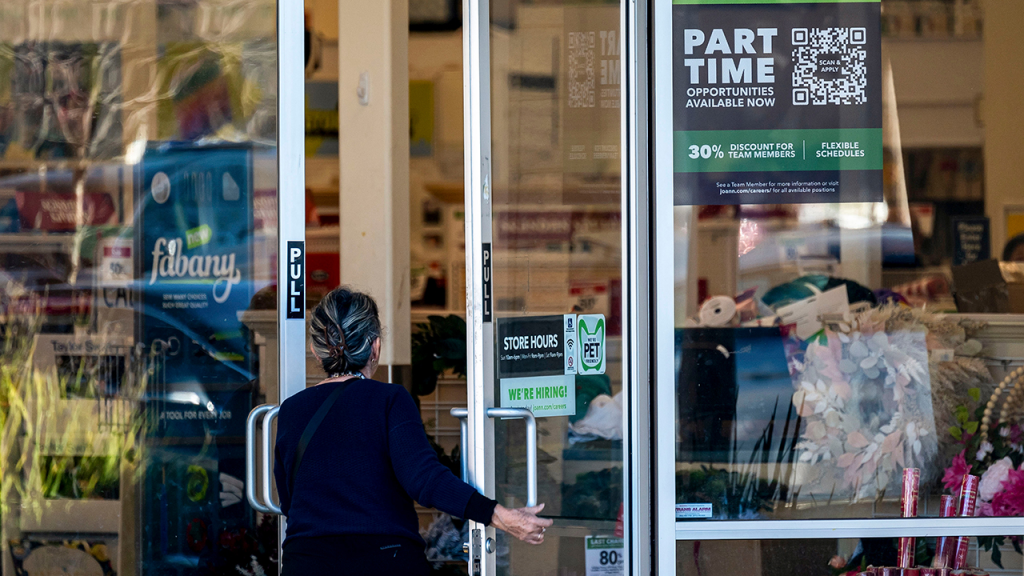
Joann’s shutdown hit a different kind of shopper: customers who relied on a physical specialty store for fabric, sewing supplies, and crafts. The retailer filed for bankruptcy again after struggling with sales and inventory constraints, and it ultimately failed to secure a buyer that would keep stores open.
Its disappearance removed one of the few national chains serving hobbyists in person. Reports described the closure of its entire U.S. network, with counts ranging from about 500 planned closures early in the process to all of its stores being shuttered as the process unfolded. For many communities, the loss went beyond retail variety and into the disappearance of a practical local resource.
3. Big Lots
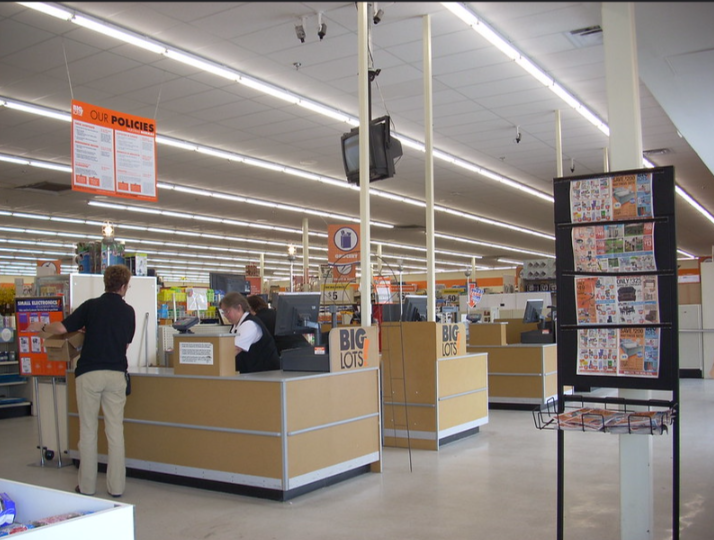
Big Lots became a case study in how difficult the discount space can be, even during an inflation-heavy period when value matters more to shoppers. A rescue deal helped the chain avoid a full liquidation, but that did not prevent a major pullback.
Nearly 480 leases were put up for sale, while broader closure counts tied to the company reached into the 600s in some market tallies. The contrast was striking: discounters remained one of the few growth areas in retail, yet weaker operators still struggled with rent, logistics, and intense competition from dollar stores and online marketplaces.
4. Walgreens
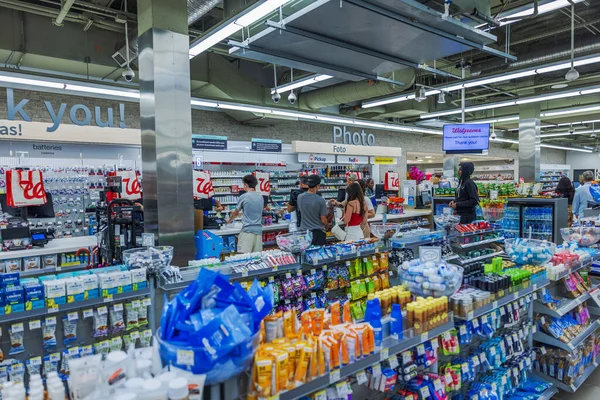
Walgreens’ closures stood out because pharmacy stores do more than sell convenience items. They often serve as neighborhood health access points, especially for prescriptions and routine care.
The company said it was reducing underperforming locations as part of a longer-term effort to optimize its footprint, with 450 stores expected to close by the end of 2025. Analysts have warned that continued contraction across pharmacy chains could deepen “pharmacy deserts” in some communities, particularly where alternatives are limited.

5. Family Dollar
Family Dollar’s pullback showed that discount retail is not one uniform story. Its parent company, Dollar Tree, kept investing in one banner while cutting back the other.
That meant 370 Family Dollar closures in 2025 after hundreds more in 2024. The move suggested that low-price positioning alone is not enough; store condition, neighborhood fit, and brand clarity still matter when consumers have many options for essentials.

6. Carter’s
Carter’s was not in the same kind of distress as bankrupt chains, but its store strategy still changed. The children’s apparel company opted to reduce physical locations while shifting more energy toward digital sales and wholesale relationships.
The plan called for 150 closures over three years, with about 100 taking place across 2025 and 2026, alongside a 15% reduction in its office-based workforce. Its retrenchment illustrated a broader trend: even profitable retailers are trimming stores that no longer justify their footprint.

7. Starbucks
Starbucks approached closures differently from chains in financial crisis. Its reductions were framed less as retreat and more as portfolio cleanup, centered on stores that no longer fit customer expectations or performance targets.
The company said some locations had been “unable to create the physical environment our customers and partners expect” or lacked a path to profitability. More than 100 U.S. stores were part of that recalibration, a reminder that scale does not eliminate the need to constantly reassess real estate.
8. Macy’s
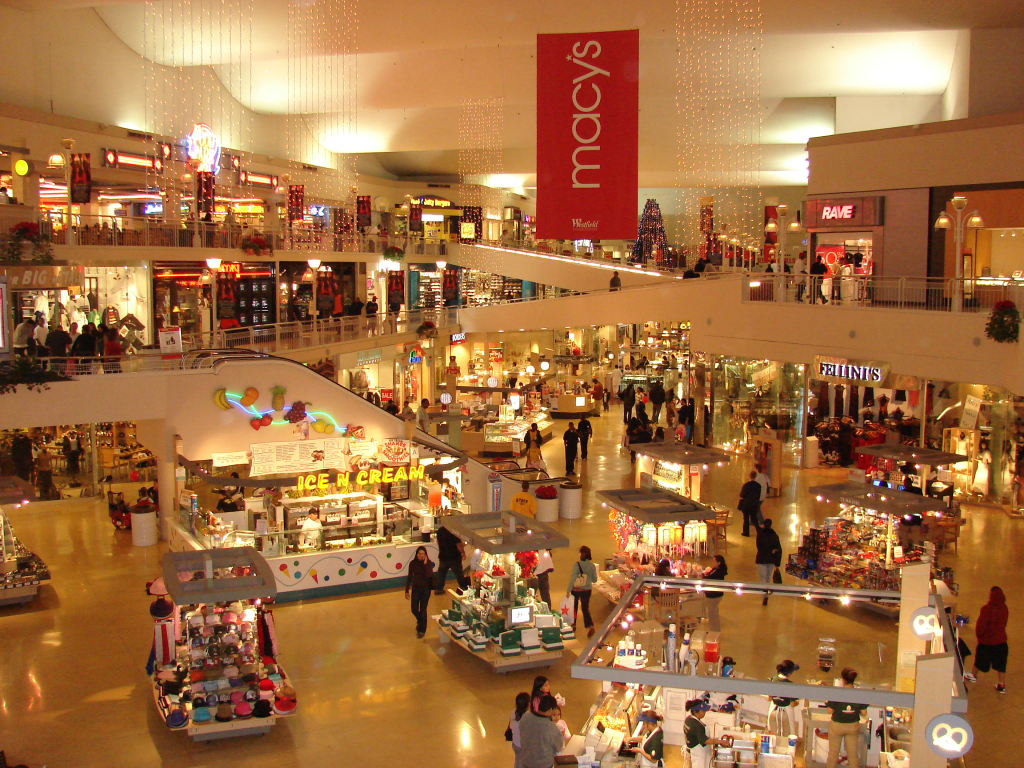
Macy’s continued to slim down its traditional department-store footprint while concentrating investment on locations it considers stronger long-term bets. The company also kept pushing smaller formats and upgrades to better-performing stores.
Its 2025 plan included 66 store closures as part of a broader goal to shut 150 underperforming sites by 2026. The shift reflects years of pressure on mall-based department stores, which have lost share to off-price chains, specialty retailers, and digital-first shopping habits.
9. Kroger
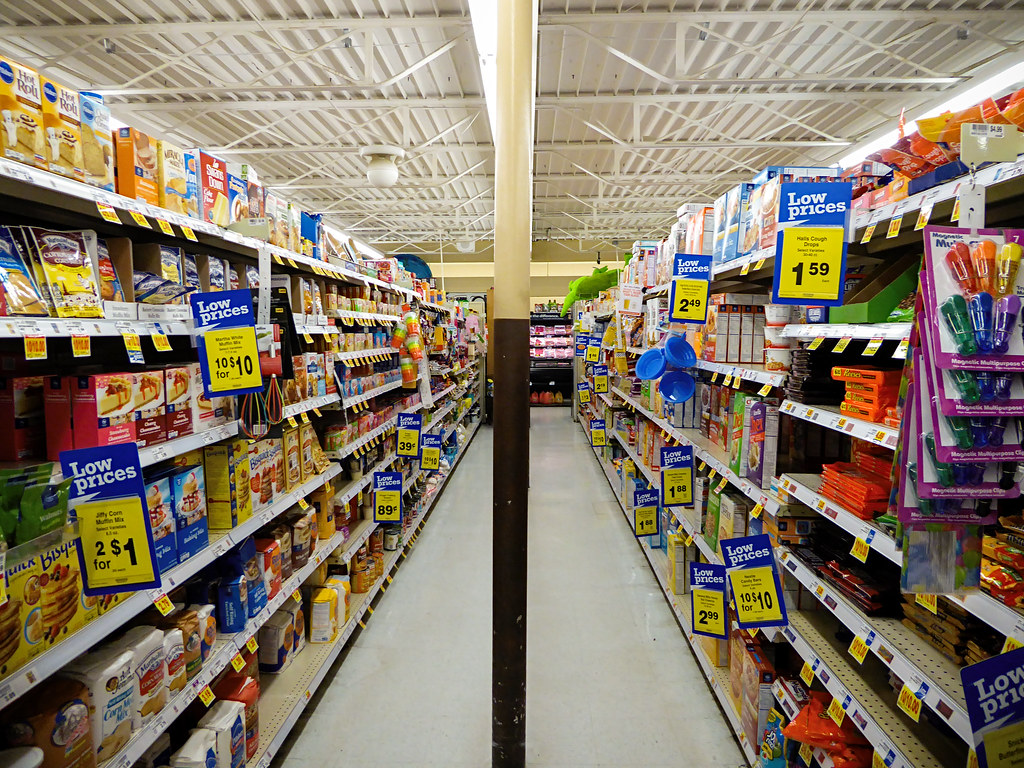
Kroger’s store reductions highlighted how even grocery, one of the more resilient corners of brick-and-mortar retail, is under pressure to fine-tune geography. Grocery runs on thin margins, and location quality can make a major difference.
The company said it would close about 60 stores over 18 months while still expanding in higher-growth markets. That mix of closures and openings has become common among large chains trying to redirect investment rather than simply shrink.
10. Rite Aid
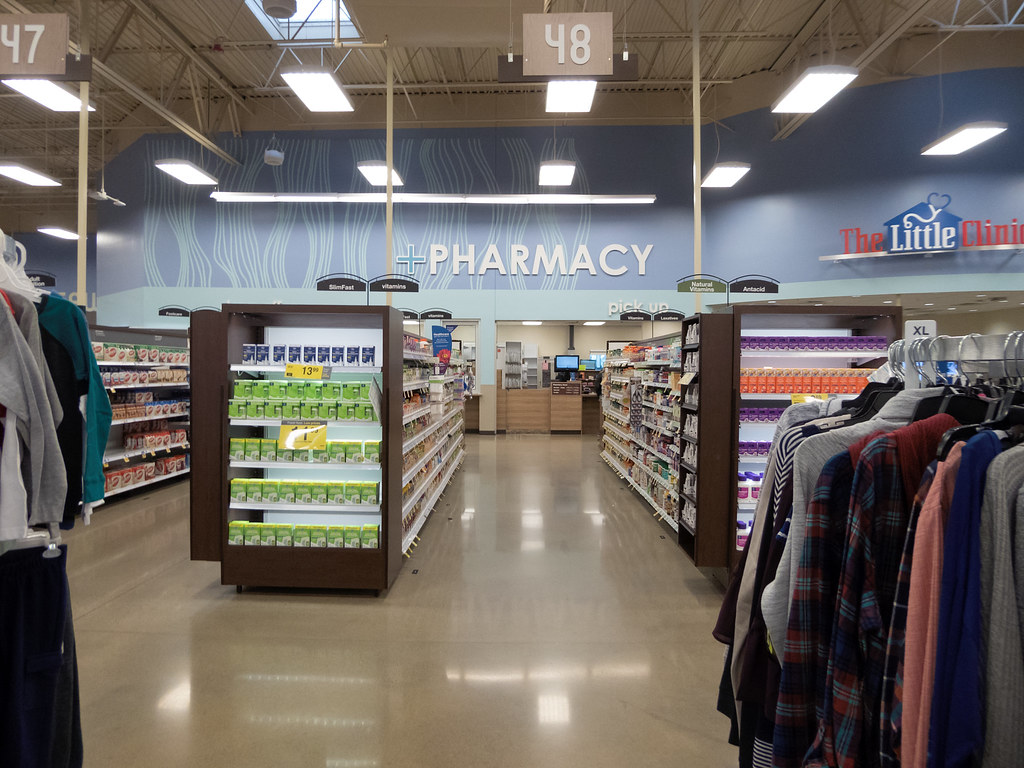
Rite Aid’s long decline turned into one of the year’s most consequential retail exits. Once a major national pharmacy player, the company’s remaining footprint was sold off or shut down after bankruptcy proceedings and years of operational and legal strain.
Its debt burden, store losses, and prescription-related legal fallout left little room for recovery. The chain had entered bankruptcy with about 1,250 stores, and its final retreat further narrowed consumer choice in a pharmacy sector already dominated by fewer large players.
The 2025 closure wave is not just a tally of dark storefronts. It shows where physical retail has become too costly, too redundant, or too easy to replace with a phone screen and fast delivery.
For shoppers, the practical effect is uneven. Some areas lose convenience, some lose specialty access, and some are left with fewer health-related services nearby. Retail is still deeply physical in the United States, but the stores that remain are increasingly the ones that can prove they are worth the trip.

