

National crime numbers have moved in a better direction, but the national mood around safety is still heavily influenced by a relatively small set of cities. That disconnect helps explain why many people feel less safe even as broad trends improve.
In 2024, the national violent crime rate fell to its lowest level since 1976, and 2025 brought another sharp decline in homicides across major cities. Even so, some urban areas continue to post rates that keep them fixed in safety debates, national rankings, and local frustration. What stands out is not just the numbers, but how often crime is concentrated in a narrow set of neighborhoods, blocks, and recurring conflict patterns.
1. Memphis
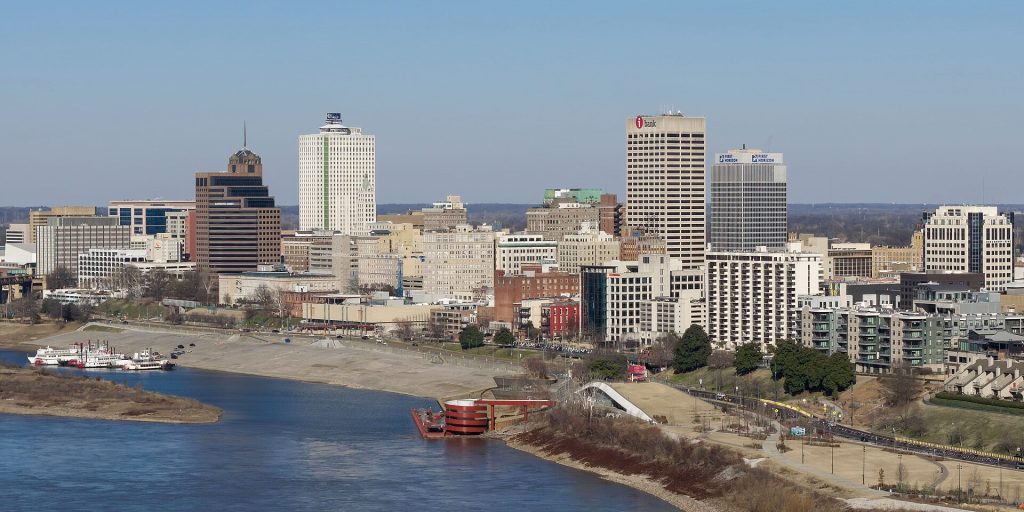
Memphis remains one of the clearest examples of how citywide rankings can be driven by persistently high per-capita rates. FBI city data for 2024 placed Memphis at 2,501 violent crimes per 100,000 residents, the highest rate among reporting cities with populations over 100,000. Property crime also stayed exceptionally high.
Aggravated assault continues to dominate the violent crime mix, which matters because assaults make up the largest share of violent offenses nationally. Memphis has leaned on targeted policing, surveillance, and concentrated enforcement in repeat hot spots, but the lived experience still changes dramatically by neighborhood. That uneven geography is a recurring pattern in many cities on this list.

2. St. Louis
St. Louis often lands near the top of crime-rate discussions because a smaller city population magnifies violence when it is concentrated. The arithmetic is unforgiving, and a limited number of troubled areas can shape the city’s entire reputation.
At the same time, St. Louis reflects the broader downward trend seen in many cities. Council on Criminal Justice data showed homicide declines in numerous major cities through 2025, and St. Louis has posted notable improvement from its earlier pandemic-era highs. Even with that progress, concentrated firearm violence and youth involvement in a small number of neighborhoods continue to keep the city near the center of national safety rankings.
3. Baltimore
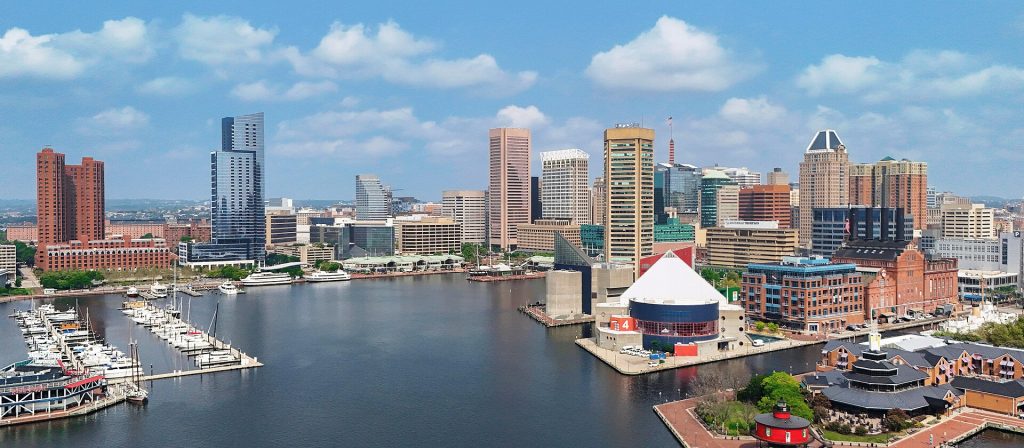
Baltimore’s crime image has long been tied to gun violence, but recent years have complicated that picture. Long-term city comparisons in 2025 showed Baltimore recording one of the strongest post-2019 homicide declines, with a 60% drop from 2019 levels in the Council on Criminal Justice sample.
That improvement has not erased the city’s deeper challenge: concentrated violence in repeat locations and lingering trust problems around case resolution. Clearance rates matter because unsolved shootings can weaken deterrence and leave residents feeling that statistical progress has not yet turned into everyday security. Baltimore’s experience shows how falling homicides and public unease can exist at the same time.

4. New Orleans
New Orleans remains a difficult city to place neatly in any single trend line. Tourism zones are intensely watched, but residential areas often tell a different story, especially after dark.
The city has reported meaningful improvement, including steep drops in murders over a multiyear span, yet it still appears near the bottom of national safety rankings that combine violent crime with other public-safety indicators. Another complication is missing federal city-level reporting coverage in some datasets, which can make direct comparisons harder. Even when annual totals improve, volatility keeps New Orleans in the national conversation.

5. Birmingham
Birmingham shows how concentrated violence can burden a city far beyond the specific blocks where it happens. A few neighborhoods account for a large share of serious assaults, and the effects spill into schools, household stability, and residents’ sense of routine safety.
Local prevention investments have become a major part of the response. The city backed violence interruption, hospital-based intervention, and outreach led by people with direct experience of gun violence. Its recent homicide decline has drawn attention, but Birmingham still illustrates how difficult it is to move a city’s image once high violence becomes part of its identity.
6. Cleveland
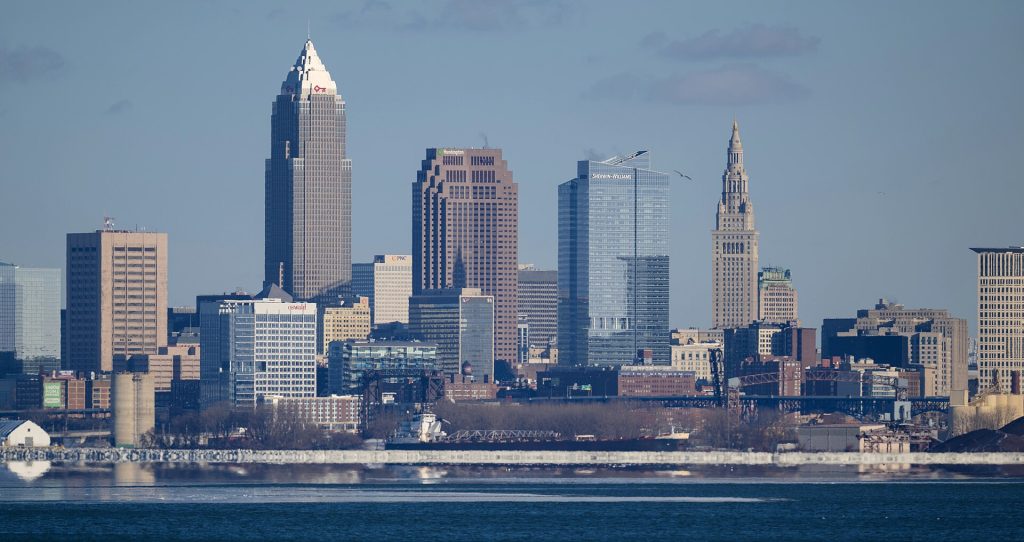
Cleveland’s public-safety challenges are closely tied to the physical condition of the city. Vacancy, blight, and abandoned housing have overlapped with violent-crime hot spots for years.
That link is more than anecdotal. Research and local redevelopment efforts have reinforced the value of environmental fixes, including lighting, demolition, and property removal. Studies have found that removing large clusters of vacant properties can reduce crime in targeted areas. Cleveland stands out because its crime story is also a housing and infrastructure story.
7. Milwaukee
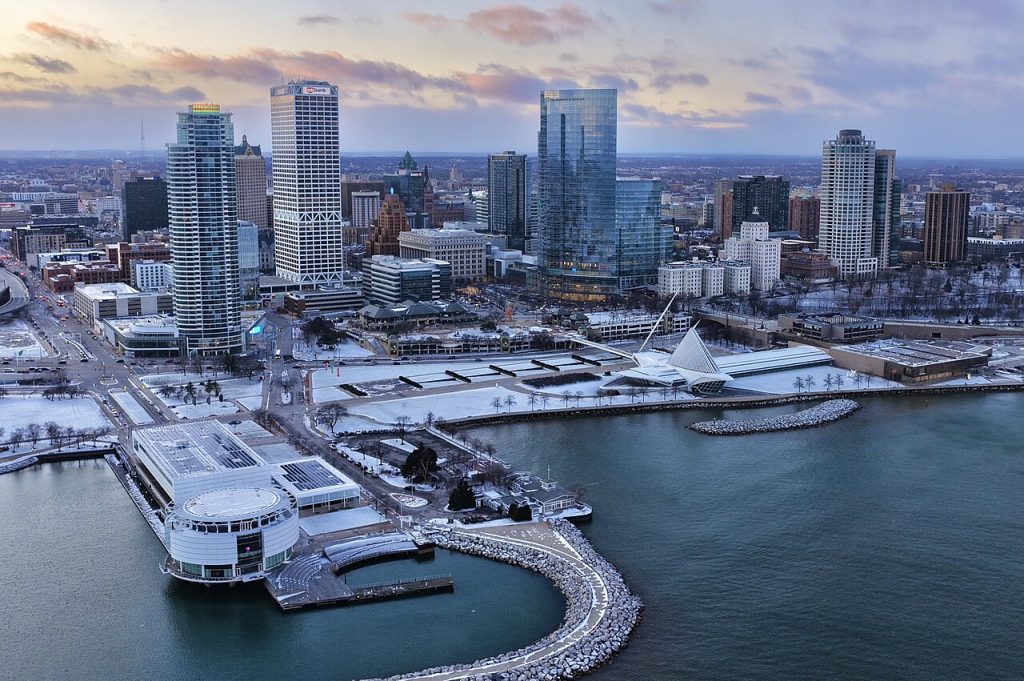
Milwaukee’s pattern has often been seasonal, with summer bringing a higher risk of shootings and interpersonal violence. That makes year-to-year progress feel fragile even when broader trends improve.
The city has seen declines in several categories over the longer run, but 2025 still included a homicide increase while many peer cities moved lower. Officials and local groups have focused on youth conflict, retaliation prevention, and mediation. Milwaukee’s challenge is less about a single dramatic statistic than about whether improvement can hold when familiar seasonal pressures return.

8. Baton Rouge
Baton Rouge regularly appears in discussions of violent crime because its rates remain high relative to its size. With a population under 230,000, repeated firearm violence carries an outsized statistical effect.
Economic stress and reentry barriers have remained part of the local picture, making the crime discussion inseparable from broader questions about stability and opportunity. Baton Rouge also reflects a larger national truth: cities do not need huge populations to exert a large influence on how Americans judge urban safety.

9. Little Rock
Little Rock drew attention because its homicide trend did not always move with the broader national drop. That contrast made the city feel like an outlier at a time when many larger places were reporting better numbers.
At the same time, local officials have pointed to longer-term gains, including a 47% drop in homicides over five years and broad declines in overall crime. High rental turnover in affected neighborhoods has been one factor in weaker neighborhood cohesion. Little Rock captures the tension between encouraging local progress and stubborn year-to-year volatility.
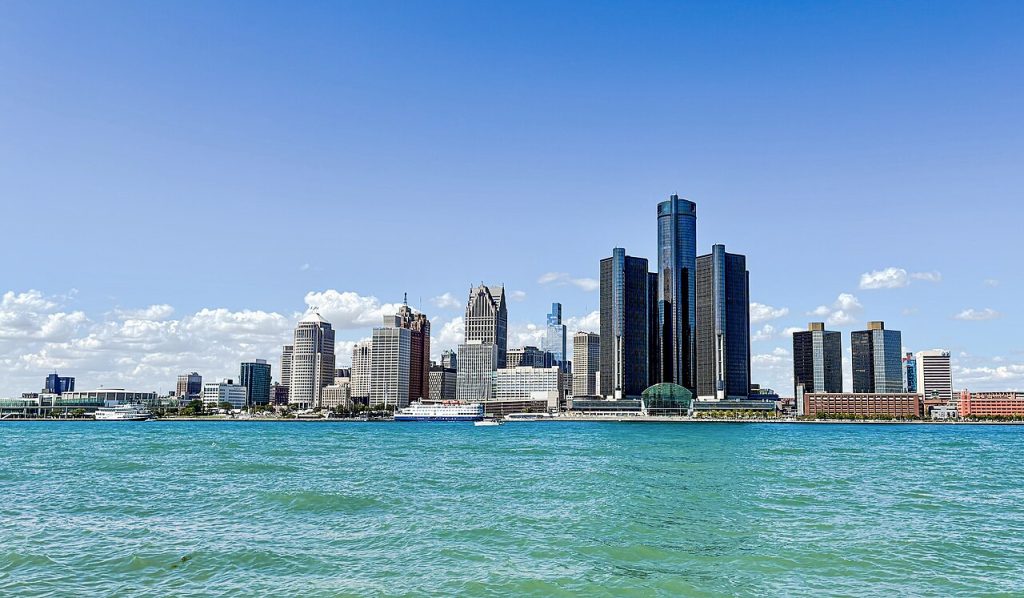
10. Detroit
Detroit remains one of the strongest symbols of how legacy conditions can shape a city’s crime reputation long after some indicators begin to improve. The city continues to place high in safety rankings, and FBI data for 2024 ranked it among the highest violent-crime-rate cities, behind Memphis and Oakland. Decades of population loss, economic strain, and uneven neighborhood recovery still influence how violence is distributed and perceived. Detroit’s challenge is not simply reducing incidents. It is changing a deeply rooted national narrative that has outlasted many local gains.
The broad trend is downward. Nationally, violent crime has fallen far below its early-1990s peak, and Americans today are much less likely to be victims of crime than they were three decades ago, according to long-term FBI trend analysis. But a handful of cities still carry an outsized share of the country’s public anxiety about safety. Their stories are rarely simple: crime is often concentrated, progress is real but uneven, and local conditions such as housing vacancy, youth conflict, trust in investigations, and neighborhood instability keep shaping what the numbers mean on the ground.

