
The Exodus remains one of the ancient world’s most disputed memories. It sits at the crossroads of faith, identity, migration, and empire, which is why arguments about it rarely stay small for long. Archaeology has not produced a single artifact that settles every question. What it has produced is a growing cluster of clues: Egyptian inscriptions, settlement patterns, linguistic traces, and cultural details that make a flat dismissal of the tradition harder to maintain.
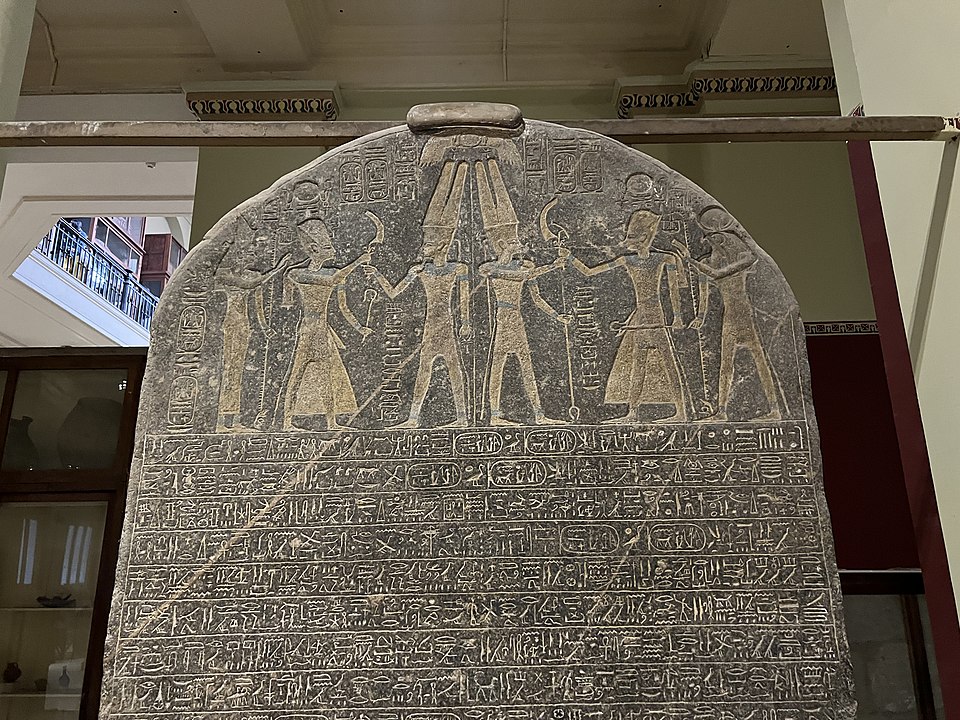
1. The Merneptah Stele places Israel in Canaan by the late 13th century BCE
The strongest external anchor is the Merneptah Stele, an Egyptian monument dated to around 1205 BCE. It preserves the earliest widely accepted extra-biblical mention of Israel and describes Israel as a people, not a city-state. That distinction matters because it suggests a recognizable population already established in Canaan.
For Exodus discussions, the stele does not prove a wilderness crossing. It does something narrower and important: it confirms that by the late 13th century BCE, Israel was not a late literary invention. Any theory that places Israel’s emergence much later has to explain why an Egyptian monument already treats Israel as a known group.
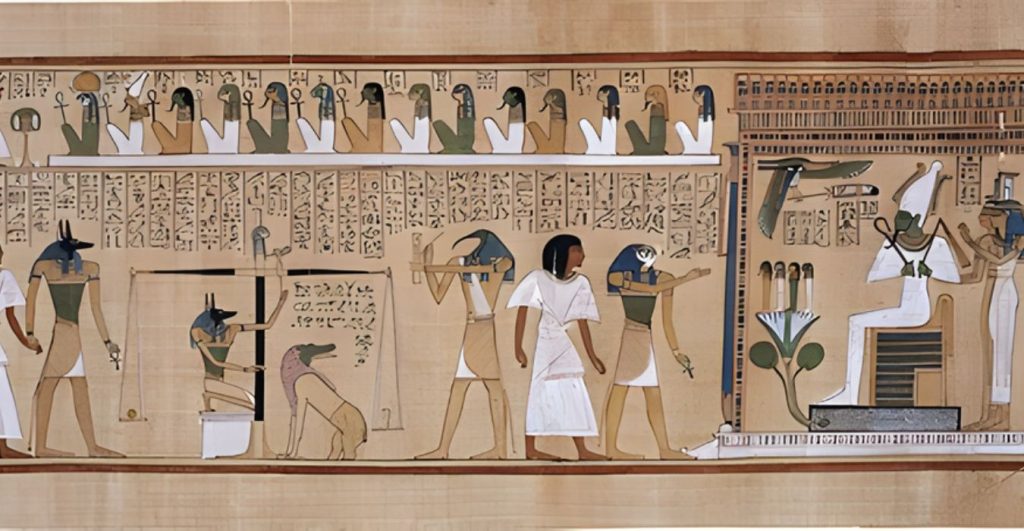
2. Manetho’s Osarseph story preserves a memory of expulsion and religious conflict
The Egyptian historian Manetho, known through Josephus, tells of a marginalized group in Egypt led by a priest called Osarseph who later took the name Moses. The story is hostile, layered, and late, but it still attracts attention because it links social upheaval, a challenge to Egyptian religion, and departure from Egypt to a figure associated with Moses.
This is not a duplicate of the biblical account, and its differences are as striking as its overlaps. Yet that may be the point. Ancient societies often preserved contested events through polemical retellings, not neutral records. Manetho’s narrative suggests that some Egyptian memory stream connected disorder, outsiders, and a Moses-like leader long after the events themselves were gone.

3. Egyptian records show Semitic populations living and working inside Egypt
One persistent objection to the Exodus is the claim that Israelites were never in Egypt at all. The evidence is more complicated than that. Papyrus Brooklyn 35.1446 lists household servants, many with Semitic names, showing that people from the Levant were present in Egypt in substantial enough numbers to appear in administrative records.
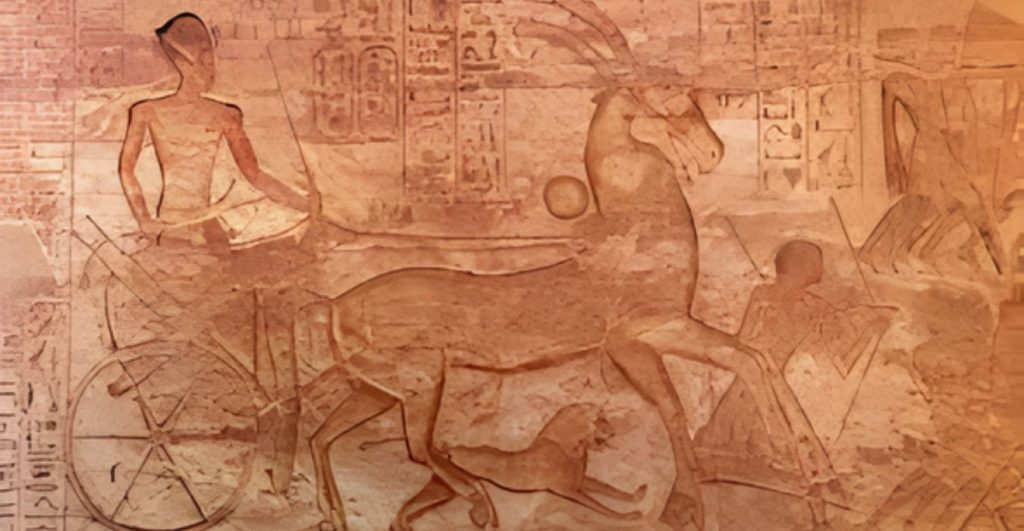
Other Egyptian evidence also fits the biblical labor setting more closely than critics sometimes allow. Tomb art from the period shows Asiatic laborers making bricks, and Egyptian texts refer to brick quotas and shortages of straw. None of this identifies the workers as Israelites by name, but it does show that the book of Exodus describes a real Egyptian labor world rather than an invented one.
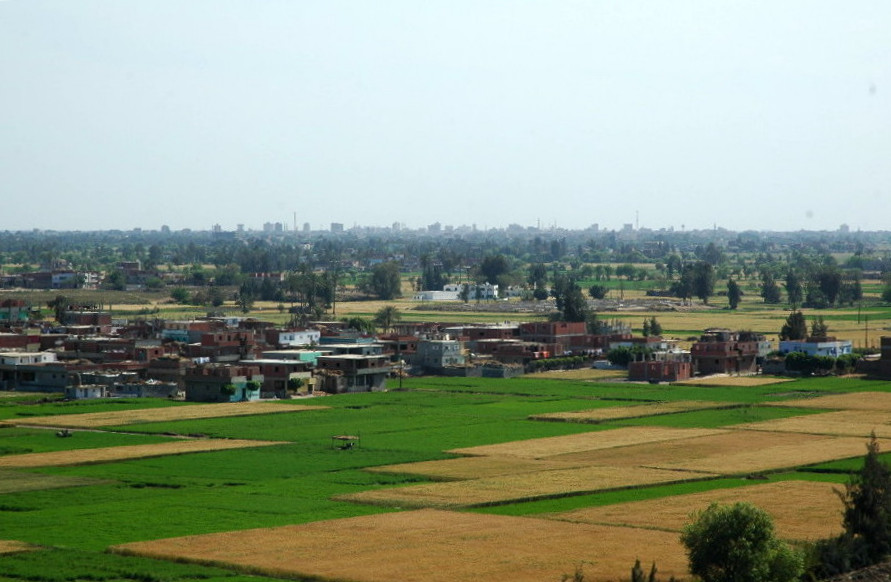
4. Avaris preserves the footprint of a long Semitic presence in the Nile Delta
Excavations at Tell el-Dab’a, the site of ancient Avaris in the eastern Nile Delta, have revealed a settlement history that many Exodus researchers keep returning to. The site shows an influx of non-Egyptian, Levantine people, followed by increasing Egyptianization over time. That arc matters because it resembles a migration story more than a static local one.
Some interpretations of the site go further than the evidence securely allows, and that caution is necessary. Still, the basic picture is solid: Semitic communities lived in the Delta, rose in status, and became part of Egypt’s social fabric. For readers who have been told the biblical setting has no Egyptian backdrop at all, Avaris remains one of the most stubborn counterpoints.

5. Early Israelite settlement patterns match a people taking shape in the highlands
Archaeologists have long noted the spread of dozens of hill-country sites in Iron Age I. These settlements, usually dated to roughly 1200–1000 BCE, are widely tied to the emergence of early Israel in Canaan. The debate is not whether these sites matter, but what they mean.
Some scholars see an indigenous Canaanite development. Others argue for incoming pastoral groups from the east. What matters for the Exodus conversation is that archaeology supports a genuine ethnogenesis process in the highlands rather than a purely invented national memory. The biblical tradition of a people becoming Israel in stages fits that broad pattern better than a simplistic either-or reading.
6. Egyptian fingerprints remain embedded in key biblical names and customs
The biblical text preserves details that sound unusually at home in Egypt. Moses’s name is widely connected to Egyptian naming patterns, and several Levitical names and terms carry Egyptian echoes. Scholars have also pointed to Egyptian loanwords in the Exodus narratives and to the Egyptian texture of certain ritual and architectural details.
The main article’s Levite-centered theory draws strength here. Rather than assuming an entire population experienced the same past in the same way, some scholars argue that a smaller group with Egyptian experience carried the memory outward. That helps explain why Egyptian cultural traces cluster so heavily around priestly traditions while other parts of early Israelite literature sound more rooted in Canaan.

7. The oldest Yahweh references widen the background of Israel’s early identity
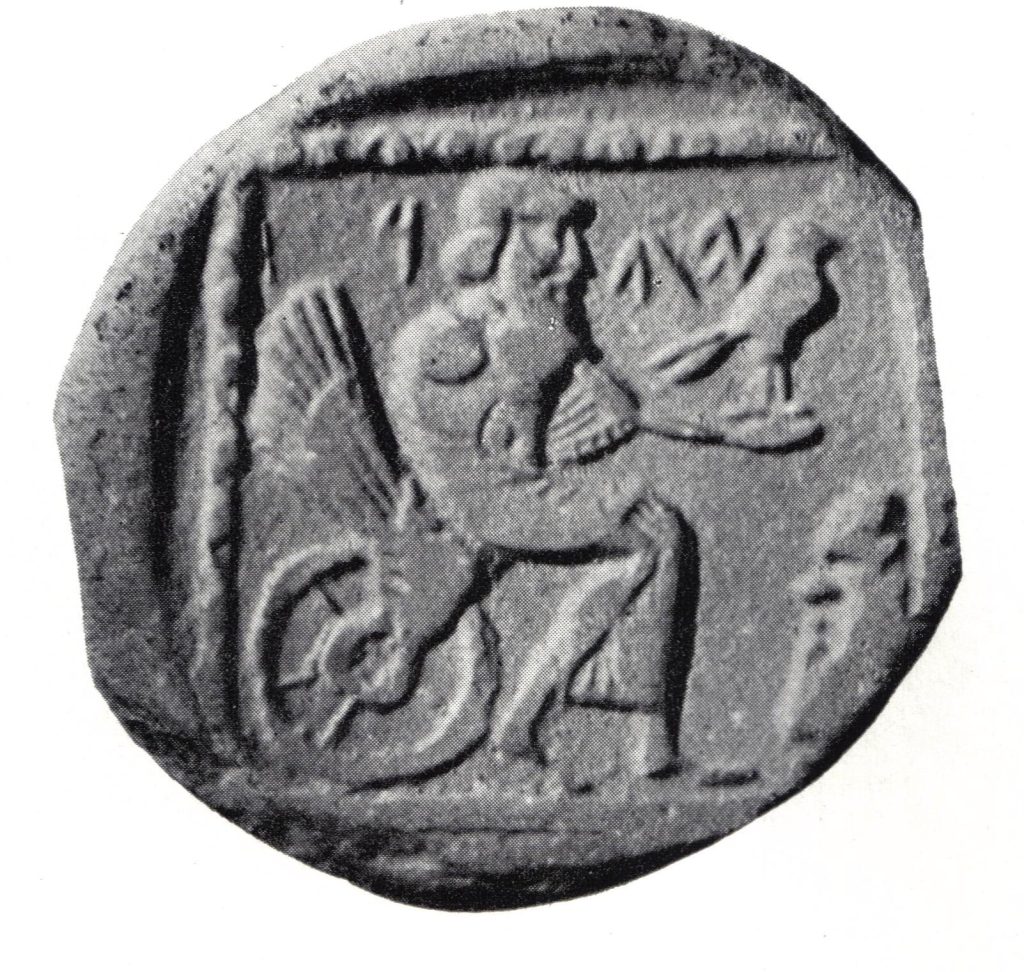
Egyptian inscriptions referring to the “Shasu of Yahweh” suggest that the divine name Yahweh was known in the broader southern Levant before Israel’s monarchy. That does not tell the whole Exodus story, but it deepens the setting in which that story took shape.
The larger significance is cultural, not merely chronological. If early Israel formed through the meeting of groups with different memories, territories, and religious habits, then the Exodus tradition may preserve one of the most influential strands in that fusion. The eventual joining of Yahweh devotion with wider Israelite identity would help explain why the memory of deliverance from Egypt became so central. No single inscription forces belief. Archaeology rarely works that way.
But the accumulated record does challenge a common misreading: that the Exodus can be dismissed simply because no neat trail of proof lies in the desert. What survives instead is a layered historical landscape Egyptian texts, Levantine settlements, Semitic names, labor records, and religious traces that keeps the question open and keeps the argument alive.

